

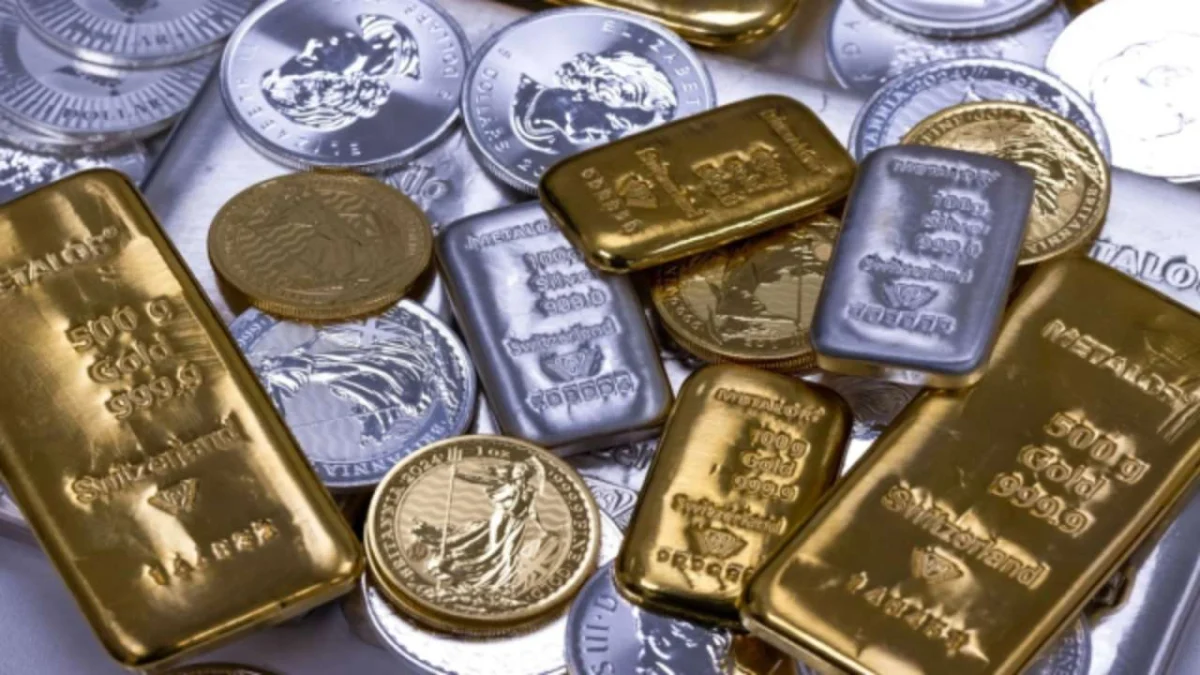
NEW DELHI, India – August 21, 2026 – India’s venerable precious metals market continues its intricate dance with global economic forces, local cultural demands, and the ever-shifting sands of currency valuations. As of August 21, 2026, gold and silver prices in the nation reflect a complex interplay of international trends, domestic consumption patterns, and the underlying strength of the Indian Rupee against the US Dollar. Today’s figures reveal a nuanced picture for investors and consumers alike, with gold experiencing a slight uptick driven by persistent global demand and inflationary concerns, while silver maintains its position as both an accessible investment and a vital industrial commodity.
The enduring allure of gold, deeply embedded in India’s cultural fabric as a symbol of wealth, status, and security, ensures its price movements are keenly observed across households and financial markets. Silver, though often overshadowed by its more lustrous counterpart, holds significant economic weight due to its diverse applications, from traditional jewellery to cutting-edge industrial technology. This daily snapshot provides a crucial benchmark for understanding the immediate valuation of these precious commodities within the Indian context, highlighting the city-wise variations that underscore the market’s regional nuances.
The Daily Pulse: Gold Prices Across Major Indian Metros
The dawn of August 21, 2026, brought with it a marginal but notable increase in gold prices across India. This upward trajectory is primarily attributed to a confluence of global demand pressures and persistent inflationary concerns that continue to ripple through international economies. Gold, historically revered as a safe-haven asset, often sees increased interest during periods of economic uncertainty or rising inflation, as investors seek to protect their wealth from currency devaluation.
National Overview of Gold Rates
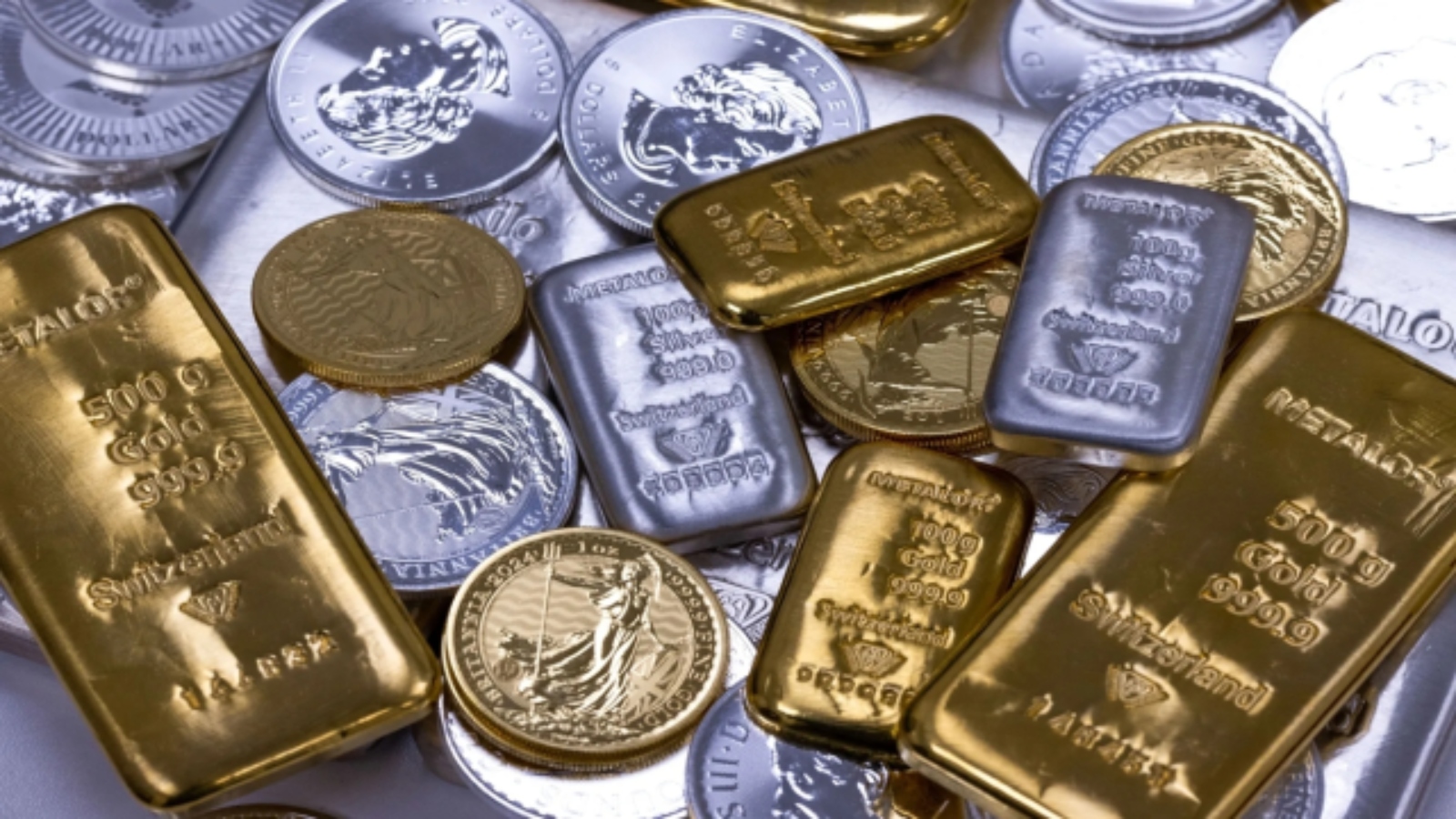
On a national average, the price of 24-carat gold (999 purity), often referred to as pure gold, is pegged at Rs 15,487 per gram. This benchmark purity is primarily sought after by investors in gold bars and coins, where the intrinsic value of the metal is paramount. For consumers looking for jewellery, 22-carat gold, which contains 91.67% pure gold and is alloyed with other metals to enhance durability, is priced at Rs 14,196 per gram. The difference in price reflects the varying purity levels, with the 22K variant being the standard for intricate craftsmanship and daily wear due to its enhanced strength.
)
The overall sentiment in the gold market remains cautiously optimistic, with analysts observing a steady inflow of investment capital into precious metals as a hedge against potential economic volatility. Furthermore, the upcoming festive season in India, which typically commences in the latter half of the year, is already beginning to influence market dynamics, with anticipatory buying contributing to the sustained demand.
City-Specific Gold Price Breakdown
Gold prices in India are not monolithic; they exhibit variations across different cities, influenced by local taxes, transportation costs, regional demand patterns, and the specific inventory policies of local jewellers. According to data compiled from reliable market sources like Good Returns, the city-wise breakdown on August 21, 2026, is as follows:

- Gold prices in Delhi: The capital city witnessed 24K gold trading at Rs 15,502 per gram, while 22K gold was priced at Rs 14,211 per gram. Delhi’s status as a major trading hub and a significant consumer market often places its prices at a slight premium, reflecting higher demand and logistical considerations.
- Gold prices in Mumbai: The financial capital mirrored the national average, with 24K gold quoted at Rs 15,487 per gram and 22K gold at Rs 14,196 per gram. Mumbai’s extensive network of gold dealers and strong investment community often ensures its prices closely align with broader market trends.
- Gold prices in Kolkata: Similar to Mumbai, Kolkata recorded 24K gold at Rs 15,487 per gram and 22K gold at Rs 14,196 per gram. The city, with its rich history of gold craftsmanship and a significant consumer base, demonstrates pricing consistent with national trends.
- Gold prices in Chennai: The southern metropolitan saw 24K gold priced at Rs 15,492 per gram and 22K gold at Rs 14,201 per gram. Chennai, a prominent centre for traditional jewellery and a robust regional market, often exhibits slightly different pricing nuances influenced by local supply chains and consumer preferences.
These regional disparities, while often marginal on a per-gram basis, can become significant for larger transactions, underscoring the importance for consumers and investors to check local rates before making purchases.
Silver’s Shine: Current Rates and Market Dynamics
While gold often garners the lion’s share of attention, silver holds its own unique position within India’s precious metals landscape. As of August 21, 2026, silver prices also reflect a dynamic market influenced by both investment demand and, critically, robust industrial applications.
)
National Silver Price Landscape
Today, the price of 999 pure silver (fine silver) in India stands at approximately Rs 2,54,900 per kilogram. For smaller denominations, this translates to Rs 2,549 per 10 grams. The slightly less pure Silver 925 (sterling silver), commonly used in jewellery and decorative items, is priced at Rs 2,54,000 per kilogram.
Silver’s appeal is multifaceted. It serves as a more accessible entry point for investors seeking exposure to precious metals compared to gold. Simultaneously, its role in industrial sectors, including electronics, solar panels, and medical technology, provides a demand floor that often insulates it from purely speculative fluctuations. The sheer volume of industrial consumption means that global economic health and technological advancements play a more direct role in shaping silver’s price movements than they do for gold.
)
City-Wise Silver Rates
Similar to gold, silver prices also exhibit regional variations, though these tend to be less pronounced for high-purity silver due to its standardized nature and industrial demand.
- Silver price in Delhi today: The current price of Silver 999 in Delhi is Rs 2,549 per 10 grams.
- Silver price in Mumbai today: Mumbai reported the current price of Silver 999 at Rs 2,549 per 10 grams.
- Silver price in Kolkata today: Kolkata’s Silver 999 price was consistent at Rs 2,549 per 10 grams.
- Silver price in Chennai today: Chennai showed a slight premium, with Silver 999 priced at Rs 2,599 per 10 grams.
The relative consistency across most major metros for 999 purity silver underscores the influence of a more unified national and international industrial demand, alongside its investment appeal. Chennai’s slightly higher rate might be attributable to specific regional demand for silver ornaments and local market dynamics.
)
Unpacking the Influencers: Factors Shaping India’s Precious Metals Market
The prices observed on August 21, 2026, are not isolated figures but are products of a complex web of interconnected factors, both domestic and international. Understanding these drivers is crucial for anyone engaging with the precious metals market in India.
Global Market Trends and Geopolitical Climate
The international price of gold and silver, denominated in US Dollars, is perhaps the most significant determinant of domestic prices. This global benchmark is influenced by a myriad of factors, including:
)
- Monetary Policies of Major Central Banks: Decisions by the US Federal Reserve, European Central Bank, and others regarding interest rates and quantitative easing directly impact the attractiveness of non-yielding assets like gold. Higher interest rates typically make gold less appealing, while lower rates can boost its demand.
- Geopolitical Tensions: Conflicts, political instability, and trade wars historically drive investors towards safe-haven assets like gold, leading to price surges. The ongoing global political landscape, marked by various regional skirmishes and diplomatic tensions, continues to fuel this safe-haven demand.
- Economic Indicators: Global GDP growth forecasts, inflation rates, employment data, and manufacturing indices from major economies like the US, China, and Europe provide insights into the health of the global economy, directly affecting investor sentiment towards riskier assets versus precious metals.
- Commodity Market Speculation: Large institutional investors and hedge funds play a significant role in commodity futures markets, influencing prices through their speculative positions.
The Rupee-Dollar Exchange Rate
Given that India is a major importer of gold and silver, the exchange rate between the Indian Rupee (INR) and the US Dollar (USD) is a critical factor. When the Rupee weakens against the Dollar, the cost of importing gold and silver increases in Rupee terms, pushing up domestic prices. Conversely, a stronger Rupee makes imports cheaper, potentially leading to a dip in local prices. The Reserve Bank of India’s (RBI) interventions in the foreign exchange market and broader macroeconomic factors influencing the Rupee’s valuation are therefore closely watched by precious metals traders.
Domestic Demand: A Cultural and Economic Pillar
India’s unique cultural relationship with gold, in particular, makes domestic demand a powerful price driver. This demand is multi-faceted:
)
- Festive and Wedding Seasons: Gold jewellery is an integral part of Indian festivals (e.g., Diwali, Akshaya Tritiya, Dussehra) and wedding ceremonies. These periods witness a significant surge in demand, often leading to price increases as jewellers stock up.
- Investment and Savings: For many Indian households, especially in rural areas, gold serves as a traditional form of savings and investment, offering a tangible asset that can be easily liquidated during emergencies or passed down through generations. It is often seen as a hedge against inflation and a store of value in times of economic uncertainty.
- Cultural Significance: Gold is deeply intertwined with religious rituals, social status, and personal adornment, ensuring a baseline demand irrespective of minor price fluctuations.
Inflationary Pressures and Economic Sentiment
The current "slight increase" in gold prices, as noted today, is directly linked to global inflationary pressures. As the cost of living rises and the purchasing power of fiat currencies erodes, investors flock to gold as a traditional hedge. This sentiment is amplified by any perceived slowdown in economic growth or concerns about future economic stability, further solidifying gold’s role as a reliable store of value. The broader economic sentiment within India – consumer confidence, disposable income levels, and overall market stability – also subtly influences the appetite for both gold and silver.
Industrial Demand for Silver
Unlike gold, which is predominantly an investment and jewellery metal, silver benefits from significant industrial demand. Its excellent electrical and thermal conductivity, reflectivity, and antibacterial properties make it indispensable in various high-tech applications:
)
- Electronics: Used in switches, contacts, and conductors in almost all electronic devices.
- Solar Energy: A critical component in photovoltaic cells for solar panels.
- Photography and Imaging: Though declining, still used in some niche photographic applications.
- Medical and Healthcare: Used in antimicrobial coatings, medical instruments, and wound dressings.
- Automotive Industry: Essential in various electrical components and contacts in vehicles.
Fluctuations in global manufacturing output, technological advancements, and the push towards green energy solutions directly impact the industrial demand for silver, making its price more sensitive to the global economic cycle.
A Historical Perspective: Tracing the Volatility
The precious metals market, particularly in India, has a rich history of volatility, often reacting sharply to domestic and international events. Over the past decade, we have observed several distinct phases:
)
- Post-Global Financial Crisis (Early 2010s): Gold prices saw a significant surge as central banks worldwide implemented quantitative easing, driving inflation fears and safe-haven buying.
- Mid-2010s Correction: As global economies stabilized and interest rates began to normalize, gold experienced a correction, with investors shifting towards riskier assets.
- Post-Demonetisation and GST Implementation (Mid-Late 2010s): India’s internal policy changes initially caused disruptions but eventually led to a more organized and transparent market, though not without short-term price adjustments.
- COVID-19 Pandemic (2020-2021): The unprecedented global uncertainty triggered by the pandemic led to a historic rally in gold prices, reaching new highs as investors sought refuge from economic turmoil. Silver also saw a robust recovery, buoyed by both investment and renewed industrial demand.
- Recent Years (2022-2025): The period has been characterized by fluctuating interest rate hikes by global central banks to combat inflation, geopolitical conflicts, and ongoing supply chain challenges. These factors have kept precious metals markets volatile, with gold generally holding strong due to persistent inflation and safe-haven appeal, while silver’s industrial demand provided a resilient floor.
Today’s prices on August 21, 2026, can be seen as a continuation of this dynamic trend, reflecting a market that has learned to adapt to both predictable seasonal demands and unpredictable global shocks. The slight increase in gold prices today aligns with a broader trend of sustained investor interest in tangible assets amid lingering macroeconomic uncertainties.
Official Responses and Regulatory Landscape
The Indian government and regulatory bodies play a crucial role in shaping the precious metals market through a combination of fiscal and monetary policies. While no specific official responses pertaining to today’s price movements were immediately available, the broader regulatory framework significantly impacts market dynamics.
)
- Customs Duties and Import Policies: India imposes customs duties on gold and silver imports to manage trade deficits and curb informal channels. Changes in these duties directly influence the landed cost of precious metals, affecting domestic prices. The government continually reviews these policies to balance revenue generation with market stability and consumer affordability.
- Hallmarking Standards: The Bureau of Indian Standards (BIS) mandates hallmarking for gold jewellery to ensure purity and protect consumers. This regulatory measure has brought greater transparency and trust to the market, standardizing quality and pricing mechanisms. The expansion of mandatory hallmarking to more districts reflects a concerted effort to formalize the market further.
- Reserve Bank of India (RBI): The RBI, through its monetary policy decisions, indirectly influences precious metals prices by impacting the Rupee-Dollar exchange rate and overall economic liquidity. Its management of foreign exchange reserves, which include a significant gold component, also sends signals to the market about the central bank’s stance on gold as an asset.
- Commodity Exchanges: Regulated by SEBI (Securities and Exchange Board of India), commodity exchanges like MCX provide a platform for transparent price discovery and hedging for gold and silver. Regulatory oversight ensures fair trading practices and market integrity.
These official interventions aim to create a stable and transparent market, but they also introduce an additional layer of complexity that traders and consumers must navigate.
Implications for Investors and Consumers: Navigating the Market
The current pricing scenario on August 21, 2026, holds various implications for different stakeholders in the Indian economy.
)
Investment Outlook
- Gold as a Safe Haven: For long-term investors, gold continues to serve as a vital portfolio diversification tool and a hedge against inflation and economic volatility. The slight increase today reinforces its role in times of global economic uncertainty.
- Silver’s Dual Appeal: Silver presents a unique opportunity, combining the safe-haven characteristics of a precious metal with strong industrial demand. Its relatively lower price point also makes it more accessible for smaller investors.
- Considerations for Short-Term Traders: The daily fluctuations, influenced by global news and currency movements, offer opportunities for short-term traders, but also carry inherent risks. A thorough understanding of technical and fundamental analysis is crucial.
- Digital Gold and Gold ETFs: The rise of digital gold platforms and Gold Exchange Traded Funds (ETFs) provides modern, convenient, and often cost-effective ways for investors to gain exposure to gold without the complexities of physical storage.
Consumer Considerations
- Jewellery Buyers: For consumers planning to purchase gold or silver jewellery, today’s prices provide a benchmark. Those anticipating significant purchases, especially during the upcoming festive and wedding seasons, might consider timing their buys based on market trends and expert forecasts. The difference between 24K and 22K gold is particularly relevant here, as 22K is the standard for jewellery.
- Hallmarking Importance: Consumers are increasingly advised to insist on BIS-hallmarked jewellery to ensure the purity and authenticity of their purchases, safeguarding their investment.
- Impact on Household Budgets: For many Indian households, gold purchases represent a significant expense. Fluctuations in prices can directly impact household budgets and savings plans.
Future Projections and Expert Insights
Market analysts generally project continued volatility in the precious metals market in the near to medium term. Factors such as the trajectory of global inflation, the pace of interest rate adjustments by major central banks, geopolitical stability, and the performance of the US Dollar will remain key determinants. For silver, the accelerating global transition to renewable energy sources and the continuous innovation in electronics are expected to provide strong underlying demand, potentially cushioning it against sharper downturns. Experts advise investors to maintain a diversified portfolio and stay informed about macroeconomic developments.
Conclusion: The Enduring Allure of Precious Metals
As August 21, 2026, draws to a close, the prices of gold and silver in India underscore the enduring significance of these precious metals in the national consciousness and economy. From the intricate web of global market forces and currency fluctuations to the deeply rooted cultural traditions and robust domestic demand, every factor contributes to the daily valuation of these commodities.
)
The slight increase in gold prices, driven by global demand and inflationary pressures, and the stable yet industrially influenced silver rates, paint a picture of a resilient market. For investors, these metals offer a timeless hedge and diversification opportunity. For consumers, they represent cultural heritage, a store of value, and often, an emotional investment. Navigating this dynamic landscape requires constant vigilance and a keen understanding of the myriad factors at play, ensuring that India’s enduring affair with gold and silver continues to thrive amidst evolving global realities.
Find your daily dose of All Latest News including Sports News, Entertainment News, Lifestyle News, explainers & more. Stay updated, Stay informed- Follow DNA on WhatsApp.
