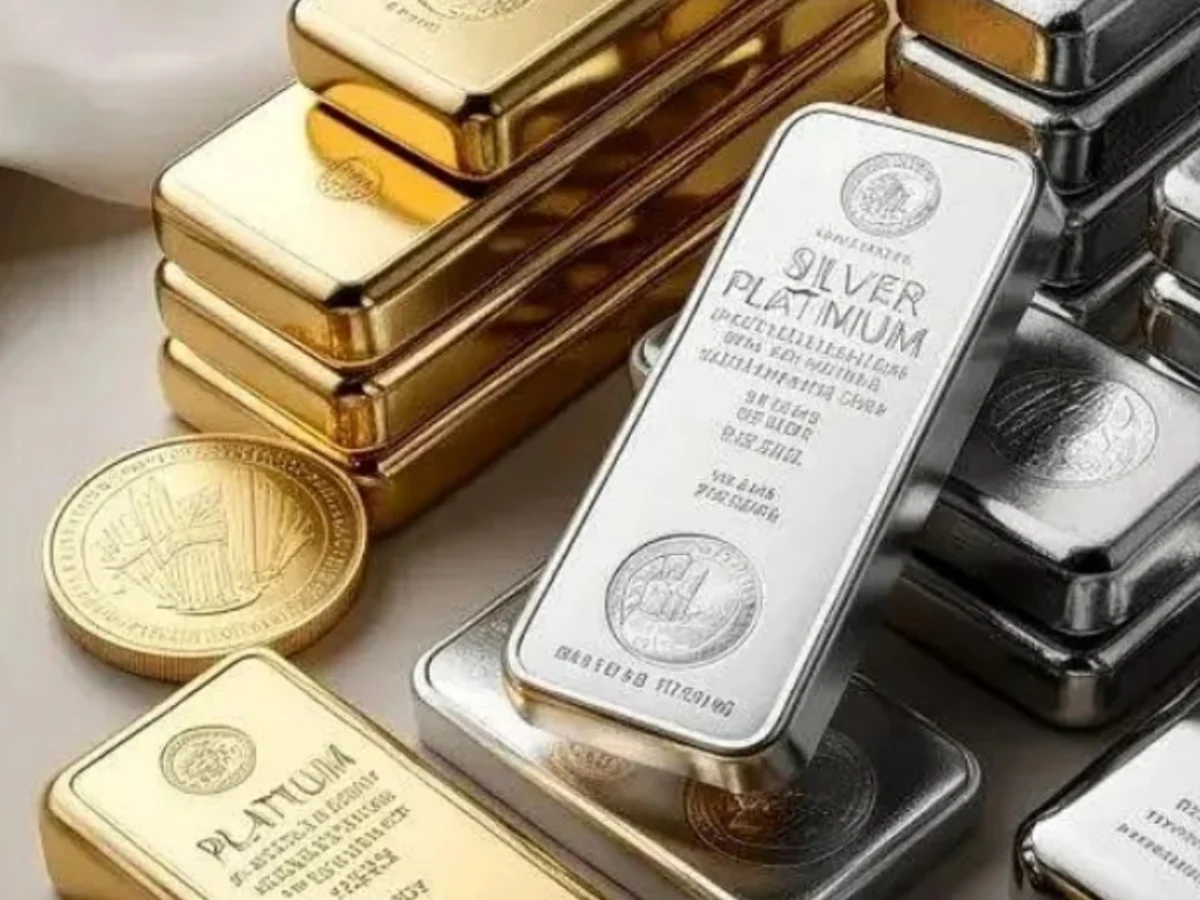
BUSINESS – August 27, 2026 – India’s vibrant and culturally significant precious metals market continues its intricate dance with a confluence of global and domestic forces. As of August 27, 2026, the prices of gold and silver across major Indian cities reflect a nuanced interplay of international market trends, robust local demand, and fluctuating currency exchange rates. While gold has registered a slight uptick driven by persistent global inflationary pressures and its traditional role as a safe-haven asset, silver’s trajectory is also shaped by industrial demand and investment interest, particularly in regions where it holds strong cultural resonance. This detailed analysis delves into the current market dynamics, historical context, underlying economic indicators, expert opinions, and the broader implications for investors and consumers alike.
Main Facts: A Snapshot of Today’s Bullion Market
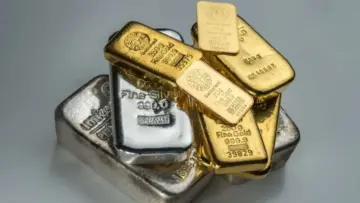
As of Wednesday, August 27, 2026, the Indian bullion market presents a mixed yet generally firm picture for both gold and silver. Gold prices have witnessed a marginal increase, largely influenced by a sustained global appetite for the yellow metal amidst lingering concerns about inflation and economic stability. The price for 24K gold (999 purity) stands at a representative rate of around Rs 16,374 per gram in major metros like Mumbai, Kolkata, and Chennai, with Delhi observing a slightly higher rate of Rs 16,389 per gram. Similarly, 22K gold, the preferred choice for jewellery due to its durability, is priced at approximately Rs 15,009 per gram in most cities, reaching Rs 15,024 per gram in the national capital. This incremental rise underscores gold’s enduring appeal as a hedge against economic uncertainties and currency devaluation.
Silver, often considered the common person’s gold and a vital industrial metal, also commands significant attention. The pure 999 silver is currently trading at approximately Rs 2,59,900 per kilogram, while Silver 925 (sterling silver) is quoted at Rs 2,59,000 per kilogram. On a per 10-gram basis, 999 pure silver is available at Rs 2,599 in Delhi, Mumbai, and Kolkata, with Chennai reporting a marginally higher rate of Rs 2,649. These figures highlight the consistent demand for silver, not only for traditional ornaments and silverware but also for its increasing industrial applications, which play a crucial role in its price discovery. The market remains sensitive to global economic indicators, the strength of the US Dollar, and the domestic consumption patterns that are unique to the Indian subcontinent.
Chronology: Tracing the Path to August 2026
The current state of India’s gold and silver market is a culmination of several impactful events and trends that have unfolded over the past few years, particularly intensifying in 2025 and early 2026. The journey of precious metals prices has been far from linear, characterized by periods of significant volatility, sustained rallies, and tactical corrections.
)
Historical Significance and Recent Evolution
For centuries, gold and silver have held profound cultural, economic, and social significance in India. Beyond their intrinsic value, they represent wealth, security, and auspiciousness, deeply embedded in traditions, festivals, and life cycle events like weddings. This deeply rooted cultural affinity ensures a consistent baseline demand that often defies purely economic rationale. In recent decades, this traditional demand has been augmented by a growing investment appetite, with Indians increasingly viewing gold and silver as essential components of a diversified portfolio, especially in the face of inflationary pressures and global economic turbulence.
Key Influencers in 2025-2026
The period leading up to August 2026 has been marked by several overarching global and domestic economic narratives that have directly shaped precious metals prices:

- Persistent Global Inflationary Pressures: Following the unprecedented fiscal and monetary stimuli in the early 2020s, global economies have grappled with persistent inflation. Supply chain disruptions, elevated energy prices, and strong consumer demand in many regions kept inflation above central bank targets through 2025 and into 2026. This environment historically bolsters gold’s appeal as an inflation hedge, driving up its international price.
- Central Bank Monetary Policies: Major central banks, including the US Federal Reserve, the European Central Bank, and the Reserve Bank of India, have navigated a tightrope walk between taming inflation and supporting economic growth. Periods of aggressive interest rate hikes in late 2024 and early 2025 initially put pressure on gold, as higher interest rates make non-yielding assets less attractive. However, as expectations shifted towards potential rate cuts or a pause in hikes by mid-2026, and with inflation proving stubborn, gold regained its luster.
- Geopolitical Tensions and Global Uncertainty: The geopolitical landscape remained volatile through 2025 and 2026, with various regional conflicts, trade disputes, and political instabilities creating an atmosphere of uncertainty. Such scenarios traditionally prompt investors to flock to safe-haven assets like gold, contributing to its price resilience and occasional surges.
- US Dollar Fluctuations: As the benchmark currency for international gold pricing, the strength or weakness of the US Dollar profoundly impacts its price in other currencies. A stronger dollar typically makes gold more expensive for holders of other currencies, potentially dampening demand, while a weaker dollar has the opposite effect. The USD-INR exchange rate has also been a critical factor, directly influencing the landed cost of imported gold and silver in India. A depreciating rupee translates to higher rupee-denominated prices for precious metals.
- Indian Economic Performance and Domestic Demand: India’s robust economic growth trajectory in 2025-2026, coupled with rising disposable incomes, has sustained underlying demand for precious metals. Furthermore, specific seasonal factors play a crucial role. The approach of the festive season (Dussehra, Diwali) and the traditional wedding season in India, which typically begins in late autumn, always sees a pre-emptive build-up in demand, providing a floor to prices even amidst global headwinds. This structural demand contrasts with speculative global flows, offering unique support to Indian prices.
- Industrial Demand for Silver: Beyond its ornamental use, silver’s industrial applications in electronics, solar panels, and electric vehicles have seen consistent growth. The push towards green energy initiatives globally has significantly boosted industrial consumption of silver, contributing to its price stability and growth, particularly as supply chains normalize post-pandemic disruptions.
The combination of these macro-economic trends and deeply ingrained domestic factors has shaped the market to its current state on August 27, 2026, where prices reflect a delicate balance between global supply-demand dynamics and India’s unique consumption patterns.
Supporting Data: Detailed Price Breakdown and Economic Underpinnings
Understanding the current market requires a granular look at the prices and the underlying economic indicators that inform them. The city-wise variations underscore the influence of local taxes, transportation costs, and regional demand patterns.
)
Current Precious Metal Prices (August 27, 2026)
Gold Prices:
| Purity | Mumbai (per gram) | Kolkata (per gram) | Chennai (per gram) | Delhi (per gram) |
|---|---|---|---|---|
| 24K (999 Pure) | Rs 16,374 | Rs 16,374 | Rs 16,374 | Rs 16,389 |
| 22K (91.67%) | Rs 15,009 | Rs 15,009 | Rs 15,009 | Rs 15,024 |
- 24K Gold (999 Pure): This is the purest form of gold, often used for investment purposes such as gold bars, coins, and digital gold. Its price directly reflects international market movements and serves as the benchmark. The slight premium in Delhi can often be attributed to higher local demand or specific regional market dynamics.
- 22K Gold (91.67%): Commonly known as ‘jewellery gold’, this purity contains 91.67% pure gold mixed with other metals like copper or silver to enhance durability, making it suitable for crafting intricate ornaments. The price differential from 24K reflects the lower gold content and typically includes making charges when purchased as jewellery.
Silver Prices:
)
| Purity | Rate (per kilogram) |
|---|---|
| 999 Pure Silver | Rs 2,59,900 |
| 925 Sterling Silver | Rs 2,59,000 |
City-wise Silver Prices (999 Pure, per 10 grams):
| City | Price (per 10 grams) |
|---|---|
| Delhi | Rs 2,599 |
| Mumbai | Rs 2,599 |
| Kolkata | Rs 2,599 |
| Chennai | Rs 2,649 |
- 999 Pure Silver: The highest purity, primarily used for investment bullion (bars, coins) and industrial applications.
- 925 Sterling Silver: Contains 92.5% pure silver and 7.5% other metals, typically copper. It is widely used for jewellery, cutlery, and decorative items due to its strength and aesthetic appeal. The higher rate in Chennai for 999 silver, similar to gold, could be a reflection of strong regional demand, particularly from South Indian markets where silver ornaments and utensils are highly prized.
Underlying Economic Indicators
The stability and direction of these prices are not arbitrary but are deeply intertwined with a basket of global and domestic economic indicators:
)
- Global Economic Outlook: As of mid-2026, the global economy continues to navigate a path of moderate growth, albeit with pockets of vulnerability. Major economies are seeing uneven recovery rates, with inflation remaining a key concern for central banks. The International Monetary Fund (IMF) and World Bank forecasts for global GDP growth in 2026 project a cautious optimism, but warn of potential headwinds from geopolitical risks and commodity price volatility. This environment keeps the safe-haven demand for gold elevated.
- Indian Macroeconomic Landscape: India’s economy has demonstrated remarkable resilience, with GDP growth rates projected to remain among the highest globally for 2026. However, domestic inflation, particularly food and energy prices, continues to be a factor for the Reserve Bank of India (RBI). The robust domestic consumption, driven by an expanding middle class and government infrastructure spending, supports demand for precious metals. India’s industrial output data has shown steady growth, which in turn fuels the demand for silver in manufacturing and high-tech sectors.
- US Dollar Index (DXY) and USD-INR Exchange Rate: The DXY, measuring the dollar’s strength against a basket of six major currencies, has seen periods of both appreciation and depreciation in 2026. A strong dollar typically pressures gold prices. Concurrently, the USD-INR exchange rate has been under watchful eyes, influenced by capital flows, trade balances, and global risk sentiment. A weaker rupee directly translates to higher landed costs for imported gold and silver, making them more expensive for Indian consumers, even if international prices remain stable in dollar terms.
- Global Interest Rate Environment: The trajectory of global interest rates, particularly those set by the US Federal Reserve, is a critical determinant. Higher real interest rates increase the opportunity cost of holding non-yielding assets like gold. However, if inflation expectations outpace nominal interest rate hikes, gold’s appeal as a real asset protection increases.
- Crude Oil Prices: Global crude oil prices continue to impact overall inflation and economic stability. Higher oil prices can lead to broader inflationary pressures, indirectly supporting gold. They also influence India’s import bill and, consequently, the rupee’s strength.
- Investment Flows: Data from various sources indicate continued interest in gold and silver ETFs (Exchange Traded Funds), Sovereign Gold Bonds (SGBs), and digital gold platforms in India. Institutional investors and retail participants are diversifying their portfolios, viewing precious metals as a strategic long-term asset, especially during periods of equity market volatility.
These data points collectively paint a comprehensive picture of a market driven by both fundamental economic forces and deeply ingrained cultural preferences, all contributing to the current price levels observed across India.
Official Responses and Expert Commentary: Navigating Future Trends
The dynamic nature of the precious metals market warrants close observation from government bodies, central banks, and market experts. Their insights provide crucial context and forward-looking perspectives.
)
Government Policy and Regulatory Stance
The Indian government has historically maintained a cautious but pragmatic approach to the gold market, recognizing its cultural importance while also managing its impact on the nation’s current account deficit. While there haven’t been any immediate, drastic changes to import duties as of August 2026, the government continues to monitor global prices and domestic demand closely. "The government’s primary focus remains on ensuring a stable and transparent market for precious metals while discouraging illicit trade," stated a senior official from the Ministry of Finance, speaking on background. "We are committed to policies that balance consumer interest with macroeconomic stability."
There has been a sustained push towards formalizing the gold market through initiatives like mandatory hallmarking for gold jewellery, which aims to protect consumers and enhance trust. Furthermore, the promotion of digital gold and Sovereign Gold Bonds (SGBs) continues, offering alternatives to physical gold ownership that are easier to store and carry no making charges. These initiatives are part of a broader strategy to channel household savings into more productive financial assets while still allowing participation in the gold market.
)
Reserve Bank of India (RBI) Perspective
The Reserve Bank of India (RBI) plays a pivotal role, particularly in managing the nation’s gold reserves and influencing monetary policy. While the RBI does not directly intervene in daily gold pricing, its decisions on interest rates and foreign exchange management have indirect but significant impacts. "The RBI continues to accumulate gold as part of its diversification strategy for foreign exchange reserves, reflecting a prudent approach to global economic uncertainties," noted a recent RBI bulletin. This sustained buying by the central bank signals confidence in gold as a long-term store of value and contributes to global demand. The RBI’s stance on inflation control also indirectly influences gold’s appeal; persistent inflation makes gold a more attractive hedge, while successful inflation targeting could temper its ascent.
Market Analysts and Bullion Experts
Leading market analysts and bullion experts offer varied, yet generally consistent, views on the immediate and medium-term outlook for gold and silver.
)
Mr. Rajesh Verma, Chief Bullion Strategist at Zenith Financial Services, commented, "The slight increase in gold prices today is a clear indication that the market is still very much driven by inflation expectations and safe-haven demand. Despite global central banks signaling a potential end to aggressive rate hikes, the underlying inflationary pressures, especially from commodity prices and supply chain bottlenecks, are keeping gold firmly supported. We anticipate gold to remain range-bound with an upward bias for the remainder of 2026, with Rs 16,000 per gram acting as a strong support level for 24K gold in the Indian market."
Regarding silver, Ms. Priya Sharma, Head of Commodity Research at Global Wealth Management, highlighted its dual nature. "Silver is currently benefiting from both investment demand and robust industrial consumption. The global push for renewable energy, particularly solar power, and the continued growth in electronics manufacturing are significant tailwinds for silver. While it experiences higher volatility than gold, its lower price point makes it an attractive entry point for new investors. We foresee continued strength in silver, with industrial demand playing an increasingly critical role in its price discovery, potentially pushing it towards Rs 2,700 per 10 grams in the near term."
)
Experts also emphasize the importance of the US Dollar’s performance and geopolitical developments. Any escalation in international tensions or a significant weakening of the dollar could trigger sharp rallies in both metals. Conversely, a sustained period of global economic stability and strong equity market performance might lead to some profit-taking in precious metals. The consensus suggests that while volatility is likely to persist, the fundamental drivers supporting gold and silver remain largely intact for the foreseeable future.
Implications: What These Prices Mean for India
The current pricing and market dynamics of gold and silver carry significant implications for various stakeholders within India – from individual investors and consumers to the broader economy.
)
For Investors: Strategic Diversification and Opportunity
For Indian investors, the current price levels for gold and silver present both challenges and opportunities. The slight increase in gold, driven by global inflation and uncertainty, reaffirms its role as a reliable hedge against economic instability. Investors looking to preserve capital and hedge against inflation may find gold an attractive option, especially through instruments like Sovereign Gold Bonds (SGBs) which offer interest payments in addition to price appreciation, or Gold ETFs for liquidity. Digital gold platforms also continue to gain traction, offering convenience and fractional ownership.
Silver, being more affordable per unit and with significant industrial demand, offers a different investment proposition. Its higher volatility can lead to greater returns but also higher risks. Investors with a higher risk appetite and a belief in the future of green technologies and electronics may find silver a compelling long-term bet. The adage of "buy on dips" remains relevant, encouraging strategic accumulation rather than impulsive purchases. Diversification across different forms – physical, digital, and financialized gold/silver – is often recommended by financial advisors to mitigate risks and optimize returns.
)
For Consumers: Navigating Purchases During Peak Season
With the festive season and wedding season approaching, the current price levels will be a key consideration for millions of Indian households. While gold prices have seen a slight increase, they remain within a range that many consumers have adjusted to over the past year. Consumers planning to purchase gold jewellery are advised to focus on hallmarked products to ensure purity and to compare making charges across different jewellers, as these can significantly impact the final price. For those with existing gold holdings, the current environment may offer an opportunity for revaluation or even partial monetization through gold loans, leveraging their assets at favourable rates.
The robust demand for silver, particularly in southern and western India, suggests that consumers continue to value it for both traditional and contemporary uses. Its relative affordability compared to gold makes it accessible to a wider demographic, ensuring consistent demand for silverware, idols, and jewellery.
)
For the Indian Economy: Trade Balance and Wealth Management
The implications for the broader Indian economy are multifaceted. India is one of the largest importers of gold globally, and fluctuations in international prices and the USD-INR exchange rate directly impact the country’s import bill. Higher gold imports can widen the current account deficit (CAD), placing pressure on the rupee. The government’s efforts to promote domestic gold monetization schemes and SGBs are partly aimed at reducing reliance on imports and recycling existing gold within the country.
However, the significant household savings held in gold also represent a substantial pool of wealth. In times of economic uncertainty, this wealth provides a buffer for many families and can act as collateral for credit, indirectly supporting financial stability. The vibrant gold and jewellery sector also contributes significantly to employment and exports, with India being a major hub for cut and polished diamonds and intricate jewellery.
)
Future Outlook and Key Factors to Monitor
Looking ahead, the precious metals market will continue to be influenced by several critical factors:
- Global Inflationary Trajectory: Whether inflation proves transitory or structural will heavily dictate the safe-haven demand for gold.
- Central Bank Policies: The pace and direction of interest rate adjustments by major central banks will be crucial.
- Geopolitical Stability: Any escalation or de-escalation of international conflicts will directly impact risk appetite and gold’s appeal.
- US Dollar Strength: The performance of the US dollar against other major currencies will continue to affect the international price of gold and silver.
- Indian Monsoon and Rural Demand: A good monsoon season typically boosts rural incomes, which often translates into increased demand for gold and silver from India’s vast rural population.
- Industrial Growth: Continued global growth in sectors reliant on silver, such as solar energy and electric vehicles, will underpin its demand.
In conclusion, as of August 27, 2026, India’s gold and silver markets are navigating a complex landscape. While global economic forces exert significant influence, the enduring cultural importance and robust domestic demand provide a strong foundation. Both metals continue to serve critical roles as investment assets and cultural mainstays, underscoring the necessity for informed decision-making by all participants in this dynamic market.
)
Find your daily dose of All Latest News including Sports News, Entertainment News, Lifestyle News, explainers & more. Stay updated, Stay informed – Follow DNA on WhatsApp.