

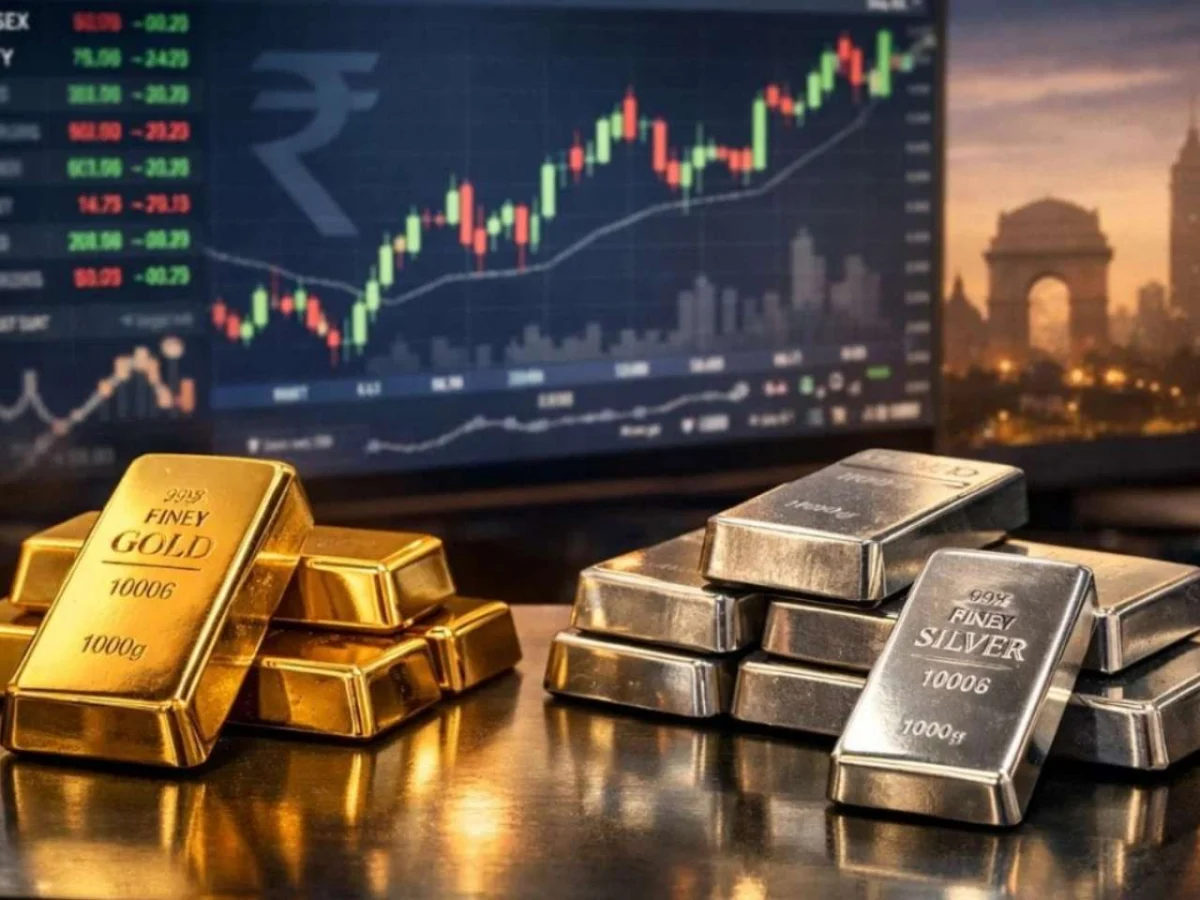
New Delhi, India – August 19, 2026 – India’s precious metals market continues its dynamic trajectory, with gold and silver prices exhibiting notable movements influenced by a complex interplay of global economic trends, robust domestic demand, and fluctuating currency exchange rates. As of August 19, 2026, both yellow and white metals remain critical indicators for investors, consumers, and the vast jewellery industry across the nation.
Today’s rates reflect persistent inflationary pressures and a global search for safe-haven assets, factors that have buoyed gold prices, while silver finds support from both its investment appeal and burgeoning industrial applications. This comprehensive analysis delves into the day’s pricing, explores the underlying drivers, and examines the broader implications for India’s economy and its citizens.
The Current Landscape: Unpacking Today’s Precious Metal Rates
The morning of August 19, 2026, opened with a slight upward tick in gold prices, resonating with a broader global sentiment favoring precious metals amidst ongoing economic uncertainties. Silver, too, holds firm, driven by a confluence of traditional investment interest and escalating industrial demand.
Gold Prices on August 19, 2026: A Detailed Overview
Gold, the quintessential symbol of wealth and security in India, has seen its value inch higher. The price of 24-karat gold, often referred to as 999 pure gold, stands at an average of Rs 15,487 per gram across major Indian cities. For those considering jewellery purchases, 22-karat gold (91.67% pure), the most common form for artisanal pieces, is priced at an average of Rs 14,196 per gram. These figures underscore gold’s sustained appeal as both an investment vehicle and a cultural cornerstone.
Several factors are currently exerting upward pressure on gold prices. Globally, inflationary concerns persist, with central banks grappling with the delicate balance of managing price stability and fostering economic growth. Gold, historically a strong hedge against inflation, naturally benefits from such an environment. Furthermore, any geopolitical instability or economic volatility on the international stage tends to channel investment flows into safe-haven assets like gold, driving up demand and, consequently, prices. Domestically, the underlying demand for gold remains robust, especially as the nation slowly edges towards its festive and wedding seasons, which traditionally witness a significant surge in jewellery purchases. The exchange rate between the Indian Rupee and the US Dollar also plays a pivotal role, as international gold prices are denominated in USD, and a weaker Rupee makes imports more expensive.
City-Wise Gold Rates Today (per gram):
)
| City | 24K Gold (Rs) | 22K Gold (Rs) |
|---|---|---|
| Delhi | 15,502 | 14,211 |
| Mumbai | 15,487 | 14,196 |
| Kolkata | 15,487 | 14,196 |
| Chennai | 15,492 | 14,201 |
These city-wise variations, while minor, are a testament to localized supply-demand dynamics, logistical costs, and state-specific taxes. Consumers and investors are advised to check local rates meticulously before making any transactions.
Silver Prices on August 19, 2026: An Industrial and Investment Powerhouse
Silver, often dubbed "poor man’s gold," also demonstrates significant activity in the Indian market. As of today, the price of pure silver (999 purity) is approximately Rs 2,54,900 per kilogram. For those interested in sterling silver (925 purity), a popular choice for intricate ornaments and tableware, the rate stands at Rs 2,54,000 per kilogram.
Silver’s dual identity as both a precious metal and an industrial commodity lends it unique price dynamics. While it shares gold’s appeal as a hedge against inflation and economic uncertainty, a substantial portion of its demand stems from industrial applications. The burgeoning solar energy sector, advancements in electronics, and the rapidly expanding electric vehicle industry are significant consumers of silver, driving up its industrial demand globally. Any disruptions in these sectors or technological breakthroughs can have a direct and immediate impact on silver prices. In India, silver also holds deep cultural significance, particularly in certain regions where silver ornaments are more prevalent than gold, contributing to sustained local demand.

City-Wise Silver Rates Today (999 purity, per 10 grams):
| City | Silver 999 (Rs) |
|---|---|
| Delhi | 2,549 |
| Mumbai | 2,549 |
| Kolkata | 2,549 |
| Chennai | 2,599 |
Chennai’s slightly higher silver rates often reflect regional demand patterns, local sourcing, and transportation costs specific to Southern India, where silver jewellery and artifacts hold particular prominence.
Unpacking the Influencers: A Deeper Dive into Market Dynamics
The prices observed today are not isolated figures but are the culmination of a complex interplay of forces. Understanding these drivers is crucial for anyone engaging with the precious metals market.
)
Global Economic Climate: The Inflationary Imperative
One of the primary catalysts for today’s gold prices is the persistent specter of global inflation. As economies recover from recent disruptions and supply chains recalibrate, the cost of goods and services has seen an upward trend. Gold, with its inherent value and finite supply, has historically served as an excellent hedge against the erosion of purchasing power. Investors flock to gold during periods of high inflation to preserve their wealth, leading to increased demand and elevated prices. Central bank policies, particularly interest rate decisions, also play a crucial role. While higher interest rates can make non-yielding assets like gold less attractive, the current environment often sees gold benefiting from inflationary concerns that sometimes outpace real interest rate gains.
The Rupee-Dollar Dynamic: A Crucial Exchange Rate
India, being a net importer of gold, is highly sensitive to the exchange rate between the Indian Rupee (INR) and the US Dollar (USD). International gold prices are typically quoted in USD. A weaker Rupee against the Dollar makes gold imports more expensive in local currency terms, directly translating to higher domestic prices. Conversely, a strengthening Rupee can soften the impact of international price surges. The ongoing global economic shifts, trade balances, and foreign investment flows continuously influence this critical exchange rate, making it a constant factor in India’s precious metals market.
Domestic Demand: India’s Enduring Love Affair with Gold
Beyond global economics, India’s deep-rooted cultural affinity for gold remains a dominant driver. Gold is not merely an investment; it is an integral part of religious ceremonies, festivals, and most notably, weddings. Even outside the peak wedding season, a steady stream of demand emanates from gifting traditions, auspicious purchases, and long-term savings. As the country’s economy grows and disposable incomes rise, this structural demand continues to provide a strong floor for gold prices, often mitigating some of the downward pressures from international markets. The anticipation of upcoming festive periods, even several months away, can start to influence market sentiment and inventory planning by jewellers.
)
Industrial Demand: Silver’s Unique Edge
While gold’s industrial applications are relatively niche, silver boasts a wide array of uses across modern industries. Its exceptional conductivity, ductility, and reflectivity make it indispensable in electronics, electrical components, and the burgeoning green technology sector. The global push towards renewable energy, particularly solar power, has significantly increased demand for silver, as it is a key component in photovoltaic cells. The rapid expansion of electric vehicles (EVs) and 5G technology also consumes substantial amounts of silver. Therefore, the health and growth trajectory of these high-tech sectors directly impact silver prices, often leading to greater volatility compared to gold, which is predominantly driven by investment and ornamental demand.
Geopolitical Stability and Investment Sentiment
Global geopolitical events, from regional conflicts to international trade disputes, invariably inject uncertainty into financial markets. In such times, investors typically gravitate towards safe-haven assets like gold, which is perceived as a reliable store of value. This flight to safety can lead to sudden spikes in gold prices. While silver also benefits from this sentiment, its industrial ties mean it can be more sensitive to broader economic downturns that impact manufacturing and technology sectors.
A Glimpse Through Time: Chronology of Precious Metals in India
The journey of gold and silver prices in India over the past few years reveals a fascinating interplay of global and domestic factors, culminating in today’s market conditions.
)
The period immediately following the global pandemic saw an unprecedented surge in gold prices. Initially, this was driven by a frantic flight to safety amidst severe economic uncertainty and aggressive monetary easing by central banks worldwide. Gold reached historic highs as interest rates plummeted and governments unleashed massive stimulus packages, fueling inflationary expectations.
Between 2023 and early 2025, prices witnessed periods of consolidation and moderate correction as economies showed signs of recovery and central banks began to hint at, and later implement, tighter monetary policies. However, the underlying inflationary pressures, exacerbated by ongoing supply chain issues and geopolitical tensions, prevented any sustained downturn. Investors learned to navigate a new normal where gold continued to be a crucial portfolio diversifier.
Silver, during the same period, demonstrated even greater volatility. While it initially benefited from the safe-haven rush, its strong industrial demand meant that any economic slowdowns or disruptions to manufacturing sectors could lead to sharper corrections. Conversely, periods of robust industrial growth, particularly in the tech and green energy sectors, propelled silver upwards, often outperforming gold in percentage terms during specific rallies. The gold-silver ratio, a key metric indicating how many ounces of silver are needed to buy one ounce of gold, fluctuated significantly, reflecting these divergent drivers.
)
The current levels on August 19, 2026, can be seen as a continuation of this trend, where gold maintains its steady upward climb due to enduring inflation concerns and geopolitical hedges, while silver leverages the twin engines of investment appeal and robust industrial consumption. The market has matured to anticipate these cyclical and structural influences, leading to more informed trading and investment decisions.
Expert Voices and Official Stances: Perspectives from the Industry
To gain deeper insights into today’s market dynamics, we turn to leading analysts and industry bodies.
Mr. Rajesh Sharma, Chief Market Strategist at Apex Financial Group, commented on the current gold trajectory: "The Rs 15,500 per gram mark for 24K gold is a significant psychological and technical level. It reflects the market’s conviction that inflationary pressures are not transitory and that global economic stability remains elusive. We’re seeing sustained central bank buying globally, which provides a strong underlying bid for gold, alongside continued retail interest from India, particularly ahead of what promises to be a robust festive season in the latter half of the year."
)
Regarding silver, Ms. Priya Singh, Head of Commodity Research at Zenith Capital, highlighted its dual nature: "Silver’s performance today underscores its unique position. While it benefits from the same safe-haven flows as gold, the escalating demand from the solar panel manufacturing sector and electric vehicle battery production is providing an unparalleled industrial tailwind. We project that as the world accelerates its transition to green energy, silver’s industrial demand will only intensify, potentially leading to more pronounced price swings."
The All India Gem and Jewellery Domestic Council (GJC), through its spokesperson, emphasized the importance of transparent pricing for consumers. "We continue to advise consumers to purchase from trusted jewellers and to be aware of the daily fluctuations," stated the spokesperson. "The variations in city-wise prices are normal due to local levies and logistical factors, but overall, the market remains robust. We are preparing for strong demand in the upcoming months, buoyed by positive consumer sentiment despite the elevated prices."
From a governmental perspective, while there were no immediate official statements regarding today’s prices, the Ministry of Finance has consistently monitored the impact of precious metal imports on India’s current account deficit. Policies such as import duties and Goods and Services Tax (GST) on gold and silver are strategically adjusted to balance domestic supply, curb illicit trade, and manage the nation’s foreign exchange reserves. Any significant and sustained surge in prices often prompts policymakers to review these measures, though major changes are typically deliberated over longer periods.
)
Widespread Implications: Who Benefits, Who Bears the Brunt?
The current prices of gold and silver have far-reaching implications for various stakeholders within the Indian economy.
For the Individual Investor: Diversification and Hedging
For individual investors, today’s prices reinforce the role of gold and silver as essential components of a diversified portfolio. In an environment of inflation and market volatility, precious metals act as a crucial hedge, preserving capital when other asset classes might falter. Long-term investors, particularly those holding physical gold or gold bonds, are likely seeing healthy appreciation. However, new investors must approach the market with caution, understanding that while precious metals offer stability, they also carry market risks. Digital gold, gold ETFs, and sovereign gold bonds (SGBs) continue to grow in popularity, offering alternatives to physical ownership, reducing storage concerns, and providing avenues for systematic investment.
For the Indian Consumer: Balancing Tradition and Affordability
For the average Indian consumer, especially those planning weddings or significant festive purchases, the elevated prices present a dilemma. While the cultural significance of gold remains paramount, the higher cost per gram means families might need to adjust their budgets, opt for lighter jewellery, or explore alternatives like 22K gold over 24K for ornamental purposes. The slight variations in city-wise prices also mean consumers might look for better deals in nearby regions, influencing local market dynamics. For those looking to sell inherited gold, the current high prices offer an opportune moment to monetize their assets.
)
For the Jewellery Sector: Navigating Inventory and Demand
The jewellery sector, a significant employer and economic contributor in India, faces a complex scenario. High gold prices can lead to higher working capital requirements for jewellers, impacting their inventory management and financial planning. While strong domestic demand, particularly from the upcoming festive season, provides a consistent market, jewellers must innovate with designs, offer attractive schemes, and emphasize craftsmanship to maintain sales volumes. The trend towards lighter, more contemporary designs, often incorporating more diamonds or other precious stones, is one way the industry adapts to higher gold prices, catering to both traditional and modern aesthetic preferences.
For India’s Macroeconomy: Trade Balance and Forex Reserves
From a macroeconomic perspective, India’s substantial reliance on gold imports can significantly impact its trade balance and foreign exchange reserves. A surge in international gold prices, coupled with strong domestic demand, translates to a higher import bill, potentially widening the current account deficit. The government’s various policies, including import duties, are designed to manage this. The inflow of gold, whether official or unofficial, also impacts the liquidity within the financial system. Furthermore, the significant wealth held by Indian households in gold represents a vast, often underutilized, asset base, which policymakers occasionally seek to mobilize for productive investment through schemes like the Gold Monetization Scheme.
The Road Ahead: Future Outlook for Precious Metals
Looking beyond today, the trajectory of gold and silver prices in India will continue to be shaped by a mix of predictable and unforeseen events.
)
Gold: Analysts largely anticipate gold to remain well-supported in the medium term. Persistent global inflation, coupled with the potential for further geopolitical instability, will likely sustain its appeal as a safe haven. Central bank policies, particularly the pace of interest rate adjustments by major economies, will be a critical factor. If real interest rates remain low or negative, gold’s allure will strengthen. India’s domestic demand is expected to remain robust, particularly as the country’s middle class expands and disposable incomes rise, ensuring a steady base demand irrespective of global fluctuations.
Silver: Silver’s future is intrinsically linked to the global industrial outlook. The continued expansion of renewable energy, electric vehicles, and 5G technology will be key determinants of its industrial demand. Any major technological breakthroughs or disruptions in these sectors could significantly impact prices. As an investment asset, silver is often more volatile than gold, offering higher upside potential during bullish runs but also greater downside risk during economic contractions. The gold-silver ratio will be a crucial metric to watch, providing insights into the relative strength and market sentiment towards each metal.
Both metals will also be influenced by the ongoing digital transformation of finance. The rise of cryptocurrencies, while not directly replacing precious metals, offers alternative investment avenues, and their performance can sometimes divert or attract speculative capital away from or towards traditional commodities.
)
In conclusion, the prices of gold and silver on August 19, 2026, reflect a market in flux, driven by powerful global economic currents and deeply ingrained domestic demand patterns. For investors and consumers alike, staying informed about these intricate dynamics is not just prudent but essential for navigating India’s vibrant and ever-evolving precious metals market. The allure of gold and silver endures, continually adapting to the challenges and opportunities of a changing world.
