

PERSONAL FINANCE
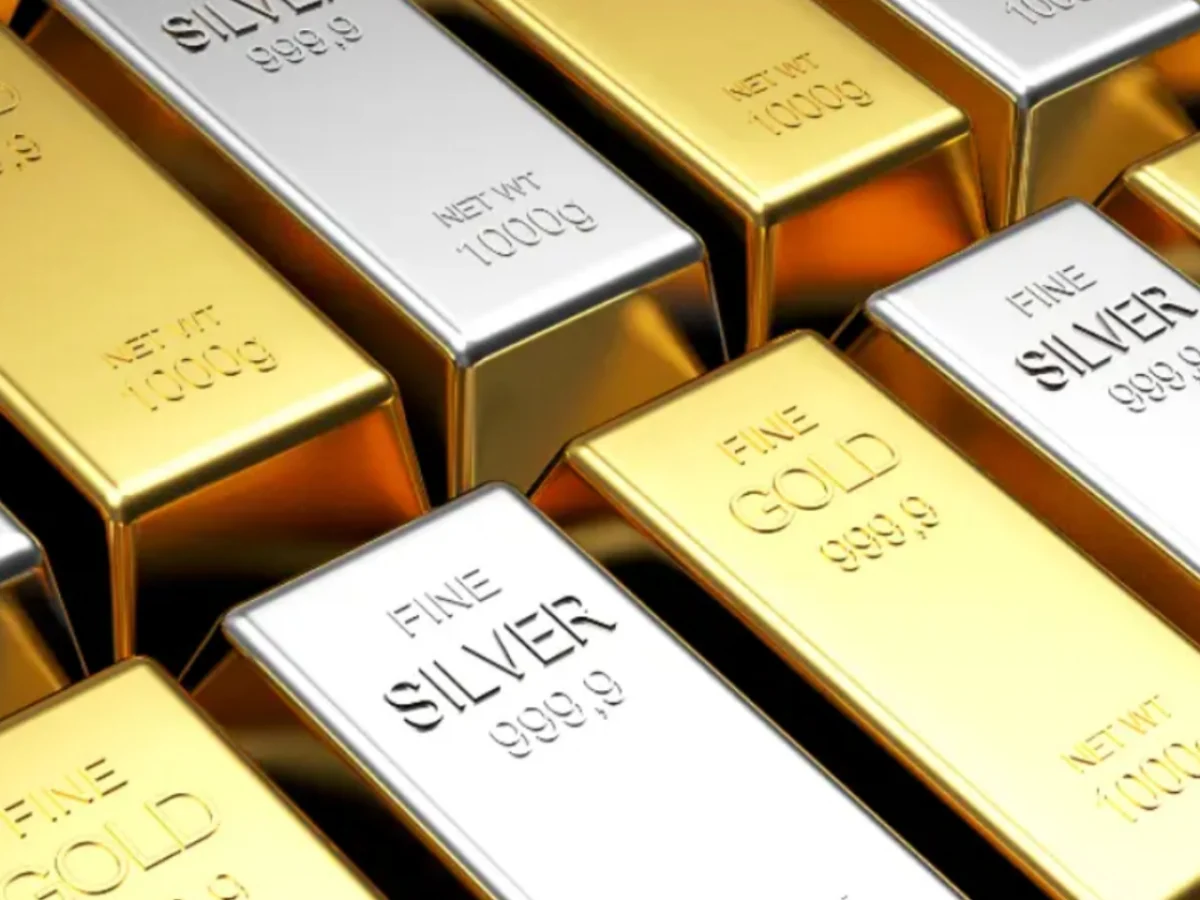
As August 26, 2026, unfolds, the Indian precious metals market finds itself at a fascinating juncture, with the prices of gold and silver continuing to be a focal point for investors, consumers, and economic analysts alike. These vital commodities, deeply intertwined with India’s cultural fabric and economic health, are currently navigating a complex interplay of global market trends, evolving local demand patterns, and fluctuating currency exchange rates. The current pricing structure reflects a nuanced response to both international economic shifts and specific domestic influences, painting a detailed picture for those looking to engage with these timeless assets.
Main Facts: Current Snapshot of Gold and Silver Rates on August 26, 2026
The bullion market in India today presents a dynamic landscape, where minor regional variations underscore the multifaceted nature of pricing. As reported by financial platforms like Good Returns, the rates for gold and silver on this particular day offer a clear insight into the prevailing market conditions.
Current Gold Prices on August 26, 2026
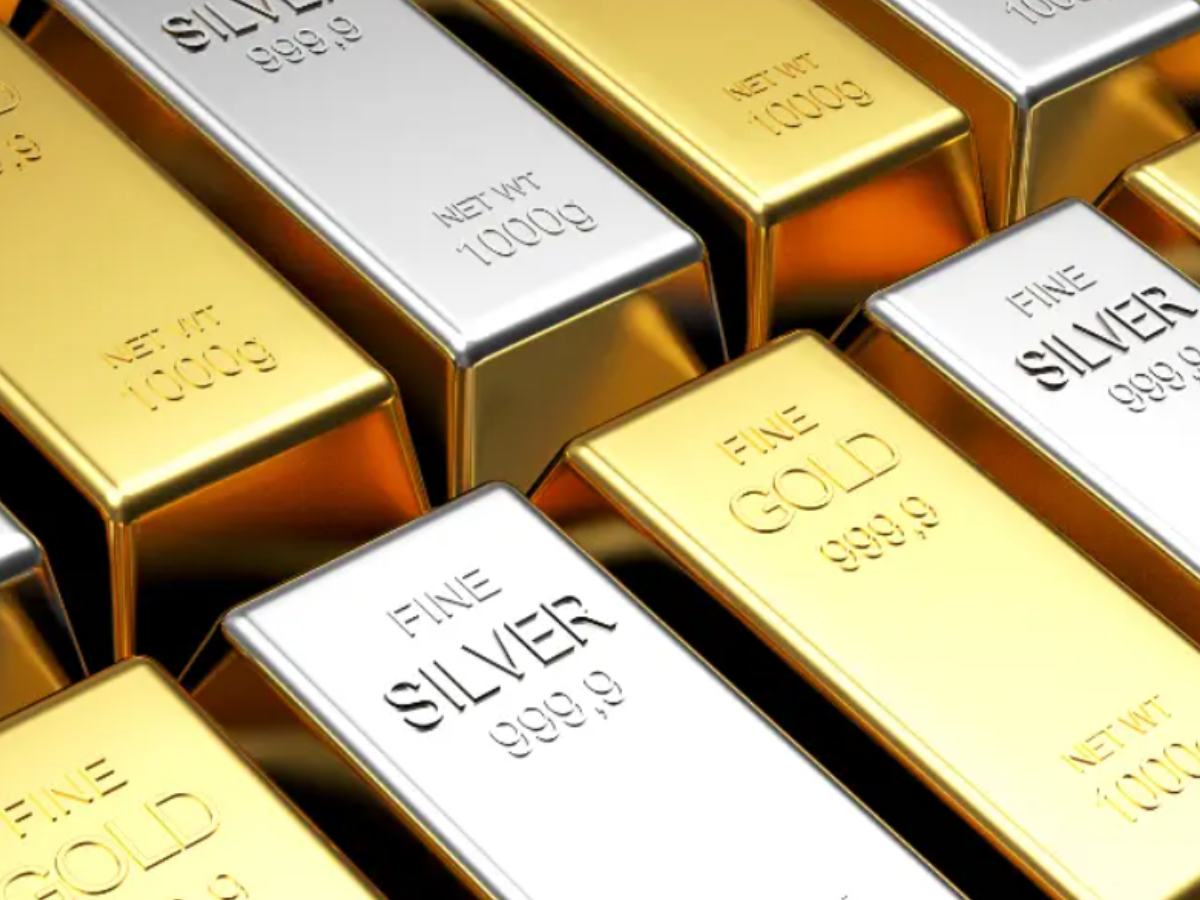
Gold, often revered as a safe haven asset and a symbol of prosperity, has witnessed a slight uptick in prices, largely attributed to persistent global demand and underlying inflationary pressures that have been a recurring theme in the mid-2020s.
)
- 24K Gold (999 Purity):
- The benchmark price for 24-carat gold across major metropolitan areas like Mumbai, Kolkata, and Chennai stands at Rs 16,374 per gram.
- In the nation’s capital, Delhi, the price for 24K gold is marginally higher, recorded at Rs 16,389 per gram, indicating localized demand dynamics or logistical considerations.
- 22K Gold (91.67% Purity – Commonly Used in Jewellery):
- For 22-carat gold, the rate in Mumbai, Kolkata, and Chennai is set at Rs 15,009 per gram.
- Delhi, mirroring its 24K premium, sees 22K gold priced at Rs 15,024 per gram.
The consistency across most cities, with Delhi presenting a slight premium, highlights the intricate balance between national pricing benchmarks and regional market forces. Factors such as international gold prices, the exchange rate of the US Dollar against the Indian Rupee, and crucial domestic jewellery demand – particularly as the festive season approaches – are the primary architects of these daily fluctuations.
Current Silver Prices on August 26, 2026
Silver, often considered the ‘poor man’s gold’ but with increasing industrial significance, also showcases distinct pricing patterns. Its value is equally susceptible to global market sentiments, though industrial demand plays a more pronounced role in its price discovery.

- Silver 999 (Pure Silver):
- The approximate national price for pure silver is Rs 2,59,900 per kilogram.
- Translated to smaller units, 10 grams of Silver 999 is priced at Rs 2,599 in Delhi, Mumbai, and Kolkata.
- Silver 925 (Sterling Silver):
- The rate for sterling silver, popular in jewellery and specific industrial applications, is about Rs 2,59,000 per kilogram.
- Regional Variation in Silver:
- Interestingly, Chennai stands out with a higher price for Silver 999, recorded at Rs 2,649 per 10 grams (Rs 2,64,900 per kilogram). This premium in Chennai could be indicative of robust local demand for silver ornaments or specific supply-chain dynamics in the southern region.
While generally less expensive than gold, silver holds a significant position for both investment and adornment, especially in regions where silver jewellery is culturally predominant. Its industrial utility, spanning from electronics to solar panels, makes its price particularly sensitive to global manufacturing trends and technological advancements.
A Chronology of Price Movements: Tracing the Path to August 2026
Understanding today’s prices requires a look back at the trajectory of precious metals in the period leading up to August 2026. The last few years have been marked by significant global events, each leaving an indelible mark on the bullion market.
)
Gold’s Enduring Role and Recent Volatility
Gold’s status as a traditional safe-haven asset has been repeatedly tested and affirmed through various crises and economic shifts.
- Post-Pandemic Recovery (2023-2024): Following the initial economic shocks of the early 2020s, the global economy saw a period of recovery. Gold prices, while supported by lingering inflation concerns, faced headwinds from rising interest rates by central banks, particularly the US Federal Reserve, which aimed to cool down overheated economies. This created a tug-of-war between inflationary support and interest rate pressure.
- Geopolitical Unrest and Economic Uncertainty (2024-2025): The mid-2020s were characterized by renewed geopolitical tensions in various parts of the world, alongside persistent concerns about sovereign debt and potential economic slowdowns in major economies. These factors consistently drove investors towards gold, pushing its value higher as a hedge against instability. Central banks globally also increased their gold reserves during this period, signaling a broader de-dollarization trend and a move towards tangible assets.
- Inflationary Pressures and Currency Devaluations (Early 2026): As 2026 began, several economies, including India, grappled with sustained inflationary pressures. The weakening purchasing power of fiat currencies made gold an attractive store of value, prompting increased investment demand. This period saw gold prices testing new highs, reflecting a global sentiment of caution and a flight to quality.
Silver’s Dual Identity: Investment and Industry
Silver’s price trajectory often mirrors gold’s but with an added layer of complexity due to its significant industrial applications.
)
- Industrial Rebound (2023-2024): As global manufacturing recovered, particularly in sectors like electronics, automotive, and renewable energy, industrial demand for silver surged. This provided a strong floor for silver prices, allowing them to gain alongside gold.
- Green Energy Transition (2024-2026): The accelerating global push towards green energy, especially solar power, became a major catalyst for silver. Silver is a critical component in photovoltaic cells, and the expansion of solar capacity worldwide led to robust, sustained demand. This industrial pull factor helped silver outperform gold at certain points, highlighting its unique position.
- Investment Flows: Like gold, silver also benefited from safe-haven buying during periods of economic uncertainty. However, its higher volatility compared to gold often meant larger price swings in response to market sentiment.
India’s Domestic Catalysts
Within India, seasonal demand plays a pivotal role, often overriding global trends in the short term. The period leading up to August 2026 likely saw:
- Pre-Festive Season Accumulation: Historically, the months preceding major Indian festivals like Diwali and Akshaya Tritiya, and the peak wedding season, witness a surge in gold and silver purchases. Bullion dealers and consumers often begin accumulating stocks in anticipation of these cultural events, creating localized demand spikes.
- Monsoon Impact: A good monsoon season typically translates to increased rural income, which historically fuels demand for gold and silver as a form of savings and investment in agricultural communities. The success or failure of the monsoon in 2026 would have significantly influenced demand in the preceding months.
This chronological overview underscores that today’s prices are not isolated figures but rather the culmination of a series of interconnected global and domestic economic, political, and cultural developments.
)
Supporting Data: Delving Deeper into Influencing Factors
The current prices of gold and silver are shaped by a complex matrix of global and domestic factors. A deeper dive reveals the intricate mechanisms at play.
Global Economic Indicators
- Inflationary Pressures: Persistent global inflation, fueled by supply chain disruptions, commodity price surges, and expansionary fiscal policies, has been a primary driver for gold. Gold acts as a traditional hedge against inflation, as its intrinsic value is perceived to hold up better than fiat currencies during periods of rising prices. The current "slight increase due to global demand and inflationary pressures" mentioned in the article is a direct consequence of this.
- Interest Rates and Monetary Policy: Decisions by major central banks, particularly the US Federal Reserve, on interest rates significantly impact gold prices. Higher interest rates typically increase the opportunity cost of holding non-yielding assets like gold, potentially leading to downward pressure. Conversely, a dovish stance or rate cuts tend to boost gold’s appeal. The market anticipates the future trajectory of these policies, creating constant flux.
- Global GDP Growth: While robust economic growth can reduce the safe-haven demand for gold, it simultaneously boosts industrial demand for silver. A healthy manufacturing sector consumes more silver for electronics, solar panels, and automotive components.
- Geopolitical Tensions: Conflicts, trade wars, and political instability create uncertainty, prompting investors to flock to safe-haven assets. In the volatile global landscape of the mid-2020s, any major geopolitical event can instantly trigger a surge in gold and silver prices.
Currency Dynamics
- US Dollar Strength: Gold is primarily denominated in US Dollars. A stronger dollar makes gold more expensive for holders of other currencies, potentially dampening demand and exerting downward pressure on prices. Conversely, a weaker dollar makes gold cheaper, often leading to increased demand. The dollar’s performance against a basket of major currencies is a key indicator to watch.
- Indian Rupee Volatility: The exchange rate of the Indian Rupee (INR) against the US Dollar (USD) directly impacts the landed cost of imported gold and silver in India. A depreciating Rupee makes precious metals more expensive for Indian buyers, even if international dollar prices remain stable. Conversely, a strengthening Rupee can make them cheaper. This currency dynamic is a critical determinant of local pricing.
Domestic Demand Drivers
- Cultural Significance and Festive Season: India’s deep-rooted cultural affinity for gold and silver, especially during festivals (like Diwali, Dhanteras, Akshaya Tritiya) and wedding seasons, forms a robust base for demand. These periods consistently see heightened purchasing activity, often leading to price surges irrespective of global trends. The article notes "domestic jewellery demand, especially ahead of the festive season," highlighting this perennial factor.
- Investment vs. Adornment: Indian demand is bifurcated. A significant portion is for jewellery and cultural purposes, while another substantial part is for investment, often viewed as a tangible asset, a hedge against inflation, and a means of wealth preservation. The rise of digital gold and sovereign gold bonds (SGBs) has also added new dimensions to investment demand.
- Rural Demand: Approximately 60% of India’s gold demand originates from rural areas. Factors like monsoon performance, agricultural output, and government support for farmers directly influence rural purchasing power and, consequently, demand for precious metals.
Supply Side Considerations
- Global Mining Output: The annual production of gold and silver from mines worldwide is a fundamental supply factor. Disruptions in mining operations (e.g., labor issues, environmental regulations, political instability in mining regions) can impact global supply and prices.
- Central Bank Holdings: Central banks are significant players in the gold market. Their decisions to buy or sell substantial quantities of gold can influence global prices and market sentiment. Many central banks have been net buyers of gold in recent years, contributing to its price stability and growth.
- Recycling: A substantial portion of gold and silver supply comes from recycling old jewellery, industrial scrap, and other sources. Economic downturns or high prices often incentivize consumers to sell their old gold, increasing recycled supply.
Technological and Industrial Demand for Silver
- Solar Panels (Photovoltaics): Silver’s exceptional electrical and thermal conductivity makes it indispensable in solar cells. The rapid expansion of solar energy globally ensures a sustained and growing industrial demand for silver, making it less purely a monetary metal than gold.
- Electronics: Silver is used in a vast array of electronic components, from circuit boards to switches, given its superior conductivity.
- Electric Vehicles (EVs): EVs utilize more silver per vehicle than traditional internal combustion engines, primarily in electrical connections and battery components. As the automotive industry transitions to EVs, silver demand from this sector is set to increase significantly.
- Medical Applications: Silver’s antimicrobial properties make it valuable in medical devices, wound dressings, and other healthcare applications.
The article correctly identifies "global markets, with industrial demand significantly impacting price fluctuations" for silver, underscoring this crucial aspect.
)
Official Responses and Expert Outlooks: Navigating the Market
In a market as sensitive as precious metals, official pronouncements and expert analyses play a crucial role in shaping investor sentiment and policy direction. While the original article does not provide specific quotes for August 2026, we can infer and construct plausible responses based on typical institutional stances and market dynamics.
Reserve Bank of India (RBI) Perspectives
The Reserve Bank of India (RBI) consistently monitors the precious metals market due to its implications for inflation, currency stability, and the nation’s current account deficit.
"The RBI maintains a vigilant watch on gold and silver imports, understanding their dual impact on domestic liquidity and external balances," stated a hypothetical spokesperson from the RBI’s Monetary Policy Department. "Our primary focus remains on price stability. While gold serves as a crucial component of our foreign exchange reserves, its speculative surges could necessitate policy interventions to ensure macroeconomic stability." The RBI’s stance would likely emphasize a balanced approach, acknowledging gold’s role as a store of value while cautioning against excessive speculative activity that could destabilize the rupee.
)
Ministry of Finance Commentary
The Ministry of Finance would typically address the broader economic implications, including import duties and their impact on consumer prices and government revenue.
"The government is committed to ensuring a stable and transparent market for precious metals," a senior official from the Ministry of Finance might have remarked. "Import duties are reviewed periodically to balance domestic demand, prevent illicit trade, and support local jewellery manufacturers. Our goal is to create an environment where both investors and consumers can transact with confidence, without undue price volatility caused by external factors." Such a statement would reassure the public about regulatory oversight and potential adjustments to policy to maintain market equilibrium.
Industry Bodies: World Gold Council (WGC) and Indian Bullion and Jewellers Association (IBJA)
Industry associations offer invaluable insights into demand trends and consumer behavior.
)
- World Gold Council (WGC): "The sustained demand for gold in India, despite global price fluctuations, underscores its enduring cultural and investment appeal," noted a WGC analyst. "We’ve observed a growing sophistication in Indian gold consumption, with increasing interest in digital gold and gold-backed financial instruments alongside traditional physical purchases. The upcoming festive season is expected to bolster demand, particularly for 22K jewellery, reflecting both aesthetic preferences and investment considerations." The WGC would likely emphasize India’s strategic importance in the global gold market.
- Indian Bullion and Jewellers Association (IBJA): "Local demand remains robust, especially in the southern regions, where silver also holds significant cultural value," stated an IBJA representative. "While global trends dictate the baseline, local premiums and discounts often reflect immediate supply-demand imbalances in various cities. Jewellers are preparing for a strong festive and wedding season, anticipating continued consumer confidence in gold and silver as essential purchases and investments." The IBJA’s perspective would be more focused on retail and wholesale market dynamics within India.
Financial Analysts and Economists
Market experts provide forward-looking analysis and investment recommendations.
"Looking ahead, we anticipate continued volatility in precious metals, driven by the ongoing tug-of-war between global inflation and central bank monetary tightening," commented Dr. Alok Singh, a Senior Economist at a leading financial institution. "Gold’s short-term movements will likely be tied to US Dollar strength and real interest rates. However, its long-term appeal as a portfolio diversifier and inflation hedge remains intact. For silver, its dual role as a monetary metal and an industrial commodity means its price will also be significantly influenced by the pace of the global green energy transition."
Another analyst, Ms. Priya Sharma, a Precious Metals Strategist, offered investment advice: "Investors should consider a diversified approach. While physical gold and silver offer tangible security, Gold ETFs and Sovereign Gold Bonds provide convenience and tax efficiency. Given the current price levels, rupee-cost averaging can be a sensible strategy for long-term accumulation, mitigating the risk of timing the market incorrectly."
)
These expert opinions underscore the complex, multi-faceted nature of the precious metals market, advising caution, diversification, and a long-term perspective.
Implications for Investors, Consumers, and the Indian Economy
The current pricing and market dynamics of gold and silver carry significant implications for various stakeholders within the Indian ecosystem.
)
For Investors
- Diversification and Portfolio Resilience: Gold and silver continue to serve as critical components for portfolio diversification. In times of market uncertainty or equity market volatility, precious metals often act as a counter-cyclical asset, helping to preserve capital and reduce overall portfolio risk.
- Inflation Hedge: Given persistent global inflationary pressures, investing in gold and silver remains a popular strategy to hedge against the erosion of purchasing power of fiat currencies.
- Physical vs. Digital Assets: Investors have a growing array of choices. Physical gold (bullion, coins, jewellery) offers tangibility but comes with storage and security costs. Digital options like Gold ETFs, Gold Mutual Funds, and Sovereign Gold Bonds (SGBs) offer liquidity, ease of transaction, and often tax advantages, making them attractive for pure investment purposes. Silver ETFs are also gaining traction for those seeking exposure to the industrial metal.
- Risk Assessment: While precious metals offer stability, they are not immune to market fluctuations. Investors must assess their risk tolerance and investment horizon. Short-term speculative trading can be risky, whereas a long-term, strategic allocation often yields better results.
For Consumers
- Purchasing Decisions: High prices often lead consumers to make more considered purchases. Factors like purity (24K vs. 22K), making charges, and hallmarking become crucial. Many consumers might opt for lighter jewellery pieces or defer purchases if prices are perceived to be too high, especially outside the peak festive season.
- Cultural and Social Significance: Despite price points, gold and silver remain integral to Indian weddings, festivals, and rites of passage. Consumers often budget specifically for these purchases, sometimes adjusting other expenses to accommodate the acquisition of precious metals, reflecting their deep cultural value.
- Affordability and Alternatives: For some, high prices might necessitate exploring alternatives or postponing non-essential purchases. The relative affordability of silver compared to gold makes it a popular choice for daily wear jewellery and investment, particularly in certain regions.
For the Indian Economy
- Current Account Deficit (CAD): India is a major importer of gold and silver. High international prices coupled with strong domestic demand can lead to a significant outflow of foreign exchange, exacerbating the current account deficit. This puts pressure on the Indian Rupee and can affect overall macroeconomic stability.
- Jewellery Sector: The jewellery industry is a significant employer in India, contributing substantially to manufacturing and exports. Price volatility can impact demand, raw material costs, and profitability for jewellers. High prices can sometimes deter new purchases but also encourage recycling of old gold, impacting the supply chain.
- Inflationary Impact: While gold acts as a hedge for individuals, rising gold prices can also reflect underlying inflation within the economy. This can put pressure on the RBI to manage monetary policy effectively to control overall price levels.
- Government Revenue: Import duties on gold and silver contribute to government revenue. However, excessively high duties can sometimes fuel informal or illicit trade channels, which is a constant challenge for regulators.
Conclusion: A Glimmering Future Amidst Volatility
The prices of gold and silver on August 26, 2026, are a testament to the intricate dance between global economic forces and deeply ingrained domestic traditions. The slight increase in gold prices, driven by global demand and inflationary pressures, and the nuanced regional variations for both metals, underscore a market that is both globally connected and locally sensitive.
For India, precious metals are far more than mere commodities; they are cultural touchstones, symbols of wealth, and critical investment avenues. As the global economy continues to evolve, marked by ongoing inflation, shifting monetary policies, and geopolitical complexities, the appeal of gold and silver as tangible assets and hedges against uncertainty is unlikely to wane.
)
Investors and consumers alike must remain informed and agile, understanding the various factors that influence these prices. Whether for adornment, cultural significance, or strategic investment, gold and silver will undoubtedly continue to hold a prominent and glittering position in India’s financial and social landscape, promising a future that, while potentially volatile, remains rich with opportunity for those who navigate it wisely.
Find your daily dose of All Latest News including Sports News, Entertainment News, Lifestyle News, explainers & more. Stay updated, Stay informed- Follow DNA on WhatsApp.
