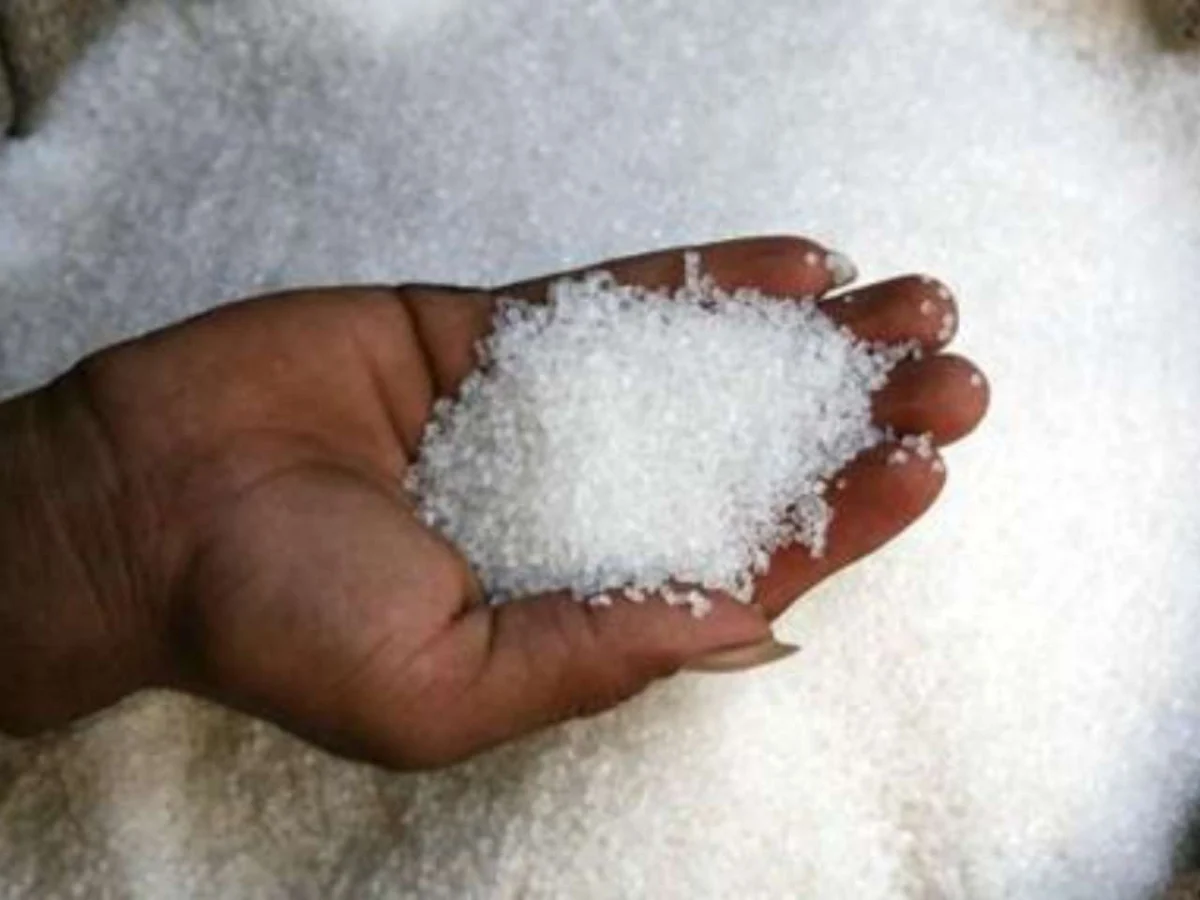
NEW DELHI, India – As India gears up for its vibrant festive season, households and businesses are facing an unexpected and unwelcome challenge: a significant surge in sugar prices coupled with unprecedented purchase limits imposed by both quick-commerce platforms and traditional retail stores. This dual pressure threatens to dampen the celebratory spirit, forcing consumers to contend with higher costs and restricted access to a staple ingredient integral to countless traditional sweets and delicacies. The government, acknowledging the gravity of the situation, is actively working to bolster supplies, but the effectiveness and timeliness of these interventions remain a critical question.
The Sweet Squeeze: Festive Season Looms Amidst Sugar Shortage and Price Hikes
The current market dynamics paint a challenging picture for Indian consumers. Sugar, a fundamental commodity, has seen its prices climb steadily, leading to a palpable sense of concern among ordinary citizens and commercial enterprises alike. This price escalation is not merely an inconvenience; it represents a tangible increase in the cost of living and doing business, particularly for sectors heavily reliant on sugar.
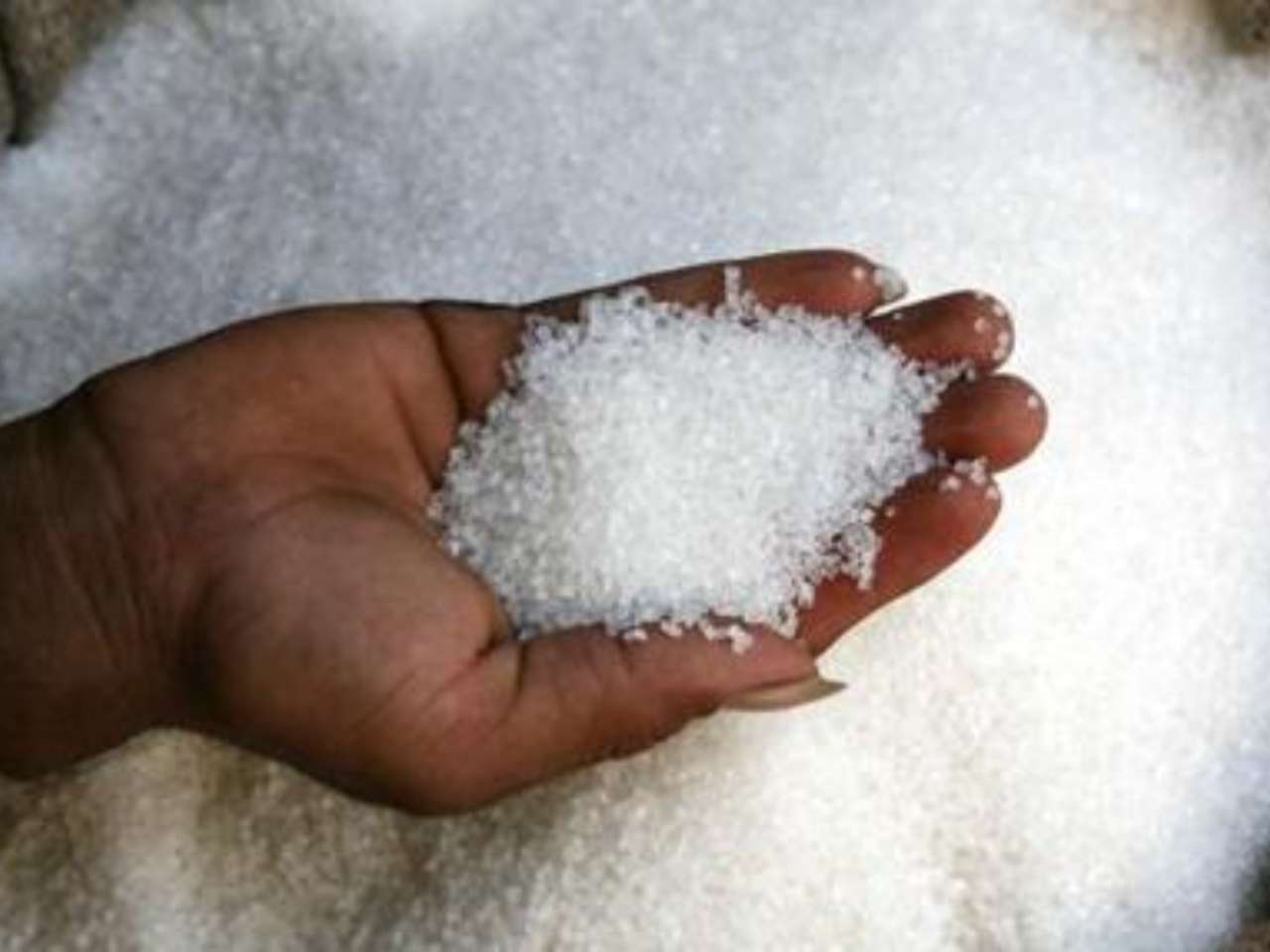
A Double Whammy for Indian Households
For the average Indian household, the situation is a double whammy. Not only are they confronted with higher per-kilogram costs for sugar, but the implementation of purchase limits means they cannot even buy the desired quantity. This creates a significant hurdle, especially for families planning extensive festive preparations that traditionally involve larger-than-usual sugar stocks. The prospect of visiting multiple stores or placing multiple online orders to acquire sufficient quantities adds layers of inconvenience and frustration.
Quick-Commerce Platforms Lead the Charge in Rationing
The digital front, often lauded for its convenience, has become an early indicator of the tightening sugar supply. Major quick-commerce platforms, which promise rapid delivery of groceries and essentials, have been among the first to introduce explicit quantity restrictions on sugar products. Investigations by India Today Digital revealed that prominent players like Zepto, Blinkit, and Swiggy Instamart have implemented caps on the number of sugar packs customers can purchase.
)
These restrictions manifest in various forms. On Zepto, for instance, product listings for sugar often display explicit limits on the number of units that can be added to a cart, while some products are simply marked with "limited availability," signalling potential stock issues. Blinkit, another dominant force in the quick-commerce space, has similarly placed caps on certain sugar packs, curtailing bulk buying. Swiggy Instamart, not to be outdone, has also joined the trend; a listing for Supreme Harvest Crystal Sugar, for example, reportedly allowed customers to purchase only two 1-kg packs per order. This digital rationing effectively prevents consumers from stocking up efficiently, pushing them to either accept reduced quantities or seek alternatives, which are often non-existent under the current circumstances.
Brick-and-Mortar Stores Follow Suit
The problem is not confined to the digital realm. Traditional brick-and-mortar retail chains, the backbone of India’s grocery sector, have also begun imposing similar restrictions. Reports indicate that large format stores, including popular supermarket chains like DMart and Reliance Retail outlets, have started limiting sugar purchases to around 2-3 kg per customer at specific locations. This mirroring of online restrictions in physical stores underscores the pervasive nature of the supply crunch.

For consumers, this means that regardless of their preferred shopping channel—be it online convenience or the tactile experience of a supermarket—they are likely to encounter barriers to purchasing sugar in bulk. While a 2-3 kg limit might suffice for routine weekly consumption for smaller families, it falls significantly short for those planning large-scale cooking for festivals, weddings, or other significant events that are intrinsically linked with the upcoming celebratory season.
The Looming Festive Demand
The timing of these developments could not be more critical. The festive season, spanning from Navratri and Dussehra to Diwali and beyond, is synonymous with a dramatic surge in demand for sugar. Households traditionally stock up for an array of sweets, desserts, and other traditional preparations that are central to these celebrations. Beyond individual consumers, sweet shops, bakeries, confectioneries, and other food businesses also ramp up their purchases exponentially to cater to the heightened consumer demand. Any disruption in sugar availability or sharp price increases during this period inevitably translates into higher costs for consumers or, in some cases, a potential scaling back of festive traditions. The current scenario thus presents a unique challenge, threatening to turn what should be a period of joy and abundance into one of careful budgeting and limited indulgence.
)
Unpacking the Price Surge: A Chronology of Factors
The current predicament is not an isolated event but rather the culmination of several interconnected factors affecting India’s sugar production, consumption, and global market dynamics. Understanding this chronology is crucial to grasping the depth of the issue.
Domestic Production Woes and Global Dynamics
India is the world’s largest producer and second-largest exporter of sugar. However, recent agricultural cycles have presented challenges. Unfavourable weather patterns, including erratic monsoons and unexpected dry spells in key sugarcane growing regions, have impacted crop yields. Forecasts for the current sugar season (October-September) have been adjusted downwards multiple times, signalling a tighter domestic supply than initially anticipated.
)
Simultaneously, global sugar prices have also been on an upward trajectory. Factors such as lower production in other major sugar-producing nations (like Brazil and Thailand due to adverse weather), increased demand from importing countries, and geopolitical uncertainties have contributed to a bullish global market. This global scarcity means that importing sugar to bridge domestic deficits becomes a more expensive proposition, transferring the higher international costs to Indian consumers.
Ethanol Diversion: A Sweet Dilemma
Another significant factor contributing to the perceived sugar shortage is the government’s aggressive push towards ethanol blending with petrol. India has set ambitious targets for ethanol blending to reduce its reliance on crude oil imports and promote greener fuels. Sugarcane is a primary feedstock for ethanol production in India. Millers are incentivized to divert sugarcane and its by-products (like B-heavy molasses) towards ethanol production, as it offers stable and often more lucrative returns compared to sugar production, especially when sugar prices are volatile.
)
While beneficial for energy security and environmental goals, this diversion inherently reduces the quantity of sugarcane available for sugar production. This "sweet dilemma" presents a policy tightrope walk for the government: balancing energy security with food security. The increasing ethanol blending targets have placed a structural pressure on sugar availability, and this impact becomes acutely felt during periods of lower-than-expected sugarcane harvests.
Supply Chain Bottlenecks and Hoarding Concerns
Even with adequate production, inefficiencies and speculative activities within the supply chain can exacerbate shortages and price hikes. Logistical challenges, including transportation issues and warehousing constraints, can lead to delays in moving sugar from mills to markets.
)
Furthermore, periods of anticipated scarcity often trigger hoarding by unscrupulous traders. By stocking up large quantities and releasing them slowly, hoarders artificially inflate prices and create an illusion of greater scarcity than actually exists. While the government regularly monitors stock levels and implements anti-hoarding measures, the sheer size and complexity of India’s distribution network make it a continuous challenge to curb such practices effectively. The current environment of rising prices and impending festive demand creates fertile ground for such speculative activities, further tightening market supply and driving up costs for the end consumer.
Data-Driven Dilemmas: The Economic Impact
While the human element of frustration and inconvenience is paramount, the current sugar crisis also presents significant economic repercussions, impacting various segments of the economy and potentially contributing to broader inflationary trends.
)
Quantifying the Consumer Burden
Although specific percentage increases fluctuate by region and retailer, reports indicate that retail sugar prices have seen a jump of approximately 10-15% over the past few months in major urban centres. For a commodity as essential as sugar, such an increase, particularly when combined with purchase limits, significantly impacts household budgets. For a family consuming 3-5 kg of sugar monthly, this translates to an additional burden of ₹30-75 per month, which, when compounded with rising prices of other essential commodities, strains disposable incomes. The psychological impact of being unable to buy a desired quantity, irrespective of price, also adds to consumer discontent.
Small Businesses on Edge: Sweet Shops and Bakeries
The ripple effects extend far beyond individual households to the commercial sector, particularly small and medium-sized enterprises (SMEs) that rely heavily on sugar as a primary raw material. Sweet shops (Mithaiwalas), bakeries, confectioneries, and catering services are bracing for significant operational challenges. These businesses typically purchase sugar in bulk, and the current purchase limits directly impede their ability to maintain optimal stock levels.
)
Moreover, the rising input costs force these businesses to make difficult decisions. They must either absorb the increased costs, thereby eroding their profit margins, or pass them on to consumers, which could lead to a reduction in demand. For an industry that thrives on festive demand, this situation is precarious. Many smaller businesses operate on thin margins, and a substantial increase in raw material costs can threaten their viability, potentially leading to job losses or even closures if the situation persists.
The Digital Divide: Quick-Commerce vs. Traditional Retail
The implementation of purchase limits across both quick-commerce and traditional retail channels highlights a critical aspect of modern consumption. Quick-commerce platforms, designed for speed and convenience, are now struggling to fulfil their core promise due to supply constraints. This might lead to a temporary erosion of consumer trust and a shift back to more traditional purchasing methods, even if those too face similar restrictions.
)
For traditional retailers, managing stock and implementing limits requires careful operational oversight. It also tests customer loyalty, as consumers might try to circumvent limits by visiting multiple stores, adding to traffic and logistical strain. The uniform application of limits across diverse retail formats underscores the systemic nature of the supply issue, indicating that the challenge is not confined to one channel but is widespread across the entire market.
Consumer Sentiment: Frustration and Adaptation
The prevailing sentiment among consumers is a mix of frustration and resignation. Many express dismay at the idea of paying more for a basic commodity, especially during a period of celebration. Social media is abuzz with anecdotes of consumers encountering "out of stock" notifications or being denied larger quantities.
)
In response, some consumers are exploring alternatives, such as jaggery (gur) or artificial sweeteners, though these often cannot fully replace sugar in traditional recipes. Others are simply planning to reduce the quantity of sweets they make or purchase, a somber adaptation to the prevailing economic realities. This shift in consumer behaviour, if prolonged, could have long-term implications for the demand patterns of sugar and related products.
Government Steps In: A Bid to Sweeten the Deal
Recognizing the potential for widespread discontent and inflationary pressure, the Indian government has taken proactive measures to address the sugar supply deficit and stabilize prices. These interventions are aimed at boosting availability and curbing speculative practices.
)
The Million-Tonne Import Gambit
A key government initiative has been to allow the duty-free import of 1 million tonnes of raw sugar. This import was sanctioned under a tariff-rate quota, a mechanism that permits a specific quantity of goods to be imported at a reduced or zero tariff rate, while imports beyond that quota face higher tariffs. The initial deadline for these imports, and for the processed sugar to be sold in the domestic market, was set for October 31, 2026. This measure was designed to inject a substantial volume of sugar into the domestic market, thereby easing supply pressures and exerting downward pressure on prices.
Revised Import Rules: A Push for Flexibility
In a crucial refinement to the import policy, the government has recently revised the rules to provide importers with greater flexibility. Previously, importers were bound by a single deadline for both import and sale. Under the latest change, importers will now have up to two months from the date of filing the Bill of Entry to process the raw sugar into white or refined sugar and subsequently sell the refined product in the domestic market.
)
This revision is significant for several reasons. Firstly, it acknowledges the practical realities of international trade and domestic processing. Importing raw sugar, transporting it, processing it in refineries, and then distributing the refined product takes time. A rigid single deadline might have deterred some importers or led to logistical bottlenecks. Secondly, by providing a two-month window from the Bill of Entry date, the government aims to expedite the actual entry of processed sugar into the market. This flexibility is expected to encourage more importers to participate, ensuring a more consistent and timely flow of imported sugar, which is crucial for addressing immediate shortages. The goal is to ensure that the imported sugar reaches consumers faster, helping to cool down domestic prices and alleviate supply concerns.
Beyond Imports: Other Regulatory Measures
Beyond the import policy, the government is likely to employ other regulatory tools to manage the situation. These may include intensified monitoring of sugar stock levels with mills and traders to prevent hoarding, and potentially imposing stock limits on wholesalers and retailers if speculative activities are suspected. Such measures are vital to ensure that the increased supply from imports is not undermined by artificial scarcity created within the distribution chain. Furthermore, the government’s Food and Public Distribution Department continuously engages with sugar mills and industry associations to assess the ground situation and formulate responsive policies.
)
The Waiting Game: Supply Chain Realities
While the government’s measures are well-intentioned and necessary, their impact will not be instantaneous. Importing 1 million tonnes of raw sugar involves complex logistics, including securing international contracts, shipping, port clearances, transportation to refineries, processing, and then distribution across a vast country. This entire process can take several weeks, if not months.
Therefore, despite the revised rules, it will take some time for the imported sugar to fully move through the supply chain and reach consumers at the retail level. Until then, retailers and quick-commerce platforms will likely continue to manage their existing stock carefully, maintaining purchase limits to ensure equitable distribution among their customer base. The coming weeks, therefore, represent a critical period, determining whether the government’s proactive steps can effectively improve availability and stabilize prices before the festive season reaches its peak.
)
Broader Implications and the Path Ahead
The current sugar crisis is more than just a temporary inconvenience; it carries broader implications for India’s economy, consumer behaviour, and the future trajectory of its sugar industry.
Inflationary Pressures and Economic Ripple Effects
Rising sugar prices contribute directly to food inflation, which is a major concern for policymakers. Food inflation disproportionately affects lower and middle-income households, eroding their purchasing power and potentially leading to a broader slowdown in consumer spending. Moreover, sugar is an ingredient in a vast array of processed foods, beverages, and confectionery items. An increase in its price inevitably translates into higher production costs for these industries, which may then pass on these costs to consumers, creating a cascading inflationary effect across multiple sectors. This could complicate the Reserve Bank of India’s efforts to manage overall inflation and maintain economic stability.
)
Adapting to Scarcity: Changes in Consumer Behaviour
The experience of limited sugar availability and higher prices during the festive season could instigate lasting changes in consumer behaviour. Families might explore alternative sweeteners more regularly, reduce their overall consumption of sugar, or shift towards purchasing fewer traditional sweets. This adaptation, while potentially beneficial for public health in the long run, represents a disruption to cultural norms and business models in the short term. Sweet shops, for example, might need to innovate with recipes that use less sugar or explore different ingredients to maintain affordability and appeal.
The Future of India’s Sugar Industry
The current situation also brings into sharp focus the long-term challenges facing India’s sugar industry. The delicate balance between sugar production for consumption and diversion for ethanol, the impact of climate change on sugarcane cultivation, and the need for greater efficiency in processing and distribution are all critical issues. Policymakers will need to develop sustainable strategies that ensure both food security and energy security, without one coming at the expense of the other. This may involve promoting drought-resistant sugarcane varieties, encouraging drip irrigation, and investing in research and development for alternative ethanol feedstocks.
)
A Call for Sustained Policy and Monitoring
The immediate crisis underscores the need for robust and responsive agricultural and trade policies. Continuous monitoring of domestic and international market trends, proactive measures to manage supply and demand, and strict enforcement against hoarding will be crucial. Furthermore, transparent communication from the government to consumers and businesses about the supply situation and intervention strategies can help manage expectations and prevent panic buying.
Conclusion: A Bitter Pill to Swallow This Festive Season
For now, Indian consumers are facing a bitter pill: sugar is becoming significantly more expensive, and in many instances, they are unable to purchase it in quantities they desire or need. The festive season, typically a period of unbridled joy and culinary indulgence, is shadowed by concerns over basic provisions. While the government’s efforts to boost supplies through imports and revised regulations offer a glimmer of hope, the full impact of these measures will only be felt in the coming weeks. Until then, households and businesses across the country will be navigating a challenging market, highlighting the intricate dependencies between agricultural output, government policy, and the daily lives of millions. The hope remains that the sweetness of the festive season will ultimately prevail over the current market sourness.