


Hollywood, CA – May 23, 2026 – A24’s highly anticipated sci-fi horror film, "The Backrooms," is generating significant buzz, with early box office tracking suggesting it could be one of the breakout hits of the summer. The film, inspired by the viral internet phenomenon, boasts a lean production budget and a built-in, massive online fanbase, creating a potent cocktail for a potential box office success story. Projections indicate that the film may not only recoup its modest investment but achieve profitability within its opening weekend, a feat rarely seen in today’s blockbuster-driven market.
The Unprecedented Rise of a Digital Phenomenon to Cinematic Reality
The journey of "The Backrooms" from a niche internet creepypasta to a major studio release is a testament to the evolving landscape of popular culture and filmmaking. The concept, which envisions an endless maze of unsettlingly familiar yet disorienting liminal spaces, has captivated audiences for years, fostering a dedicated and expansive online community. This pre-existing awareness has translated into considerable anticipation for the film, offering a unique advantage in a crowded marketplace. Unlike traditional films that rely solely on extensive marketing campaigns to build recognition, "The Backrooms" benefits from an organic, grassroots enthusiasm that has been cultivated organically across numerous online platforms. This inherent fan base represents a significant portion of the potential audience, reducing the perceived risk for investors and studios alike.
The rapid transition from online lore to a theatrical production has also fueled curiosity. The speed at which this concept has been greenlit and brought to the big screen speaks volumes about the perceived commercial viability of internet-driven intellectual property. This swift development cycle underscores a growing trend in Hollywood, where studios are increasingly looking to digital creators and viral sensations for inspiration and potential franchise material. "The Backrooms" is at the forefront of this movement, offering a compelling case study for future adaptations of online narratives.
Decoding the Break-Even Equation: A Financially Savvy Proposition
The financial underpinnings of "The Backrooms" are as intriguing as its narrative. Reports from industry publication Deadline reveal a production budget of less than $10 million. This figure is remarkably modest, especially when compared to the exorbitant costs associated with many contemporary Hollywood productions. For a mainstream film release, a general rule of thumb dictates that it needs to gross approximately 2.5 times its production budget globally to achieve break-even, a figure that accounts for marketing, distribution, and other associated expenses.
Based on this benchmark, "The Backrooms" requires an estimated $25 million in worldwide box office revenue to comfortably cover its costs. The current domestic opening weekend projections are particularly encouraging, with the film expected to pull in around $20 million between May 29th and May 31st, coinciding with the lucrative Memorial Day weekend corridor. This projection suggests that the film could potentially recoup a substantial portion, if not all, of its production budget within its first few days of release. This rapid return on investment, if realized, would solidify "The Backrooms" as a critical financial success and a model for low-budget, high-reward filmmaking.
Early Tracking and the Power of Online Buzz
The early box office tracking for "The Backrooms" is not merely speculative; it is underpinned by tangible indicators of audience interest. The aforementioned domestic opening weekend projection of approximately $20 million is a significant figure for a film with such a constrained budget. This suggests a strong convergence of factors: an eager audience, effective pre-release marketing that has resonated with the target demographic, and the inherent advantage of its viral origins.
The fact that a horror film, often a genre that can be polarizing but also incredibly profitable, is slated to achieve such a strong opening is a testament to the film’s unique appeal. The unsettling and enigmatic nature of "The Backrooms" lore has clearly translated into a desire for a cinematic experience. This strong early buzz indicates that the film has successfully bridged the gap between its online existence and its theatrical potential. The anticipation is palpable, and the industry will be watching closely to see if these initial projections translate into box office reality.
The Narrative Unveiled: More Than Just a Digital Ghost Story
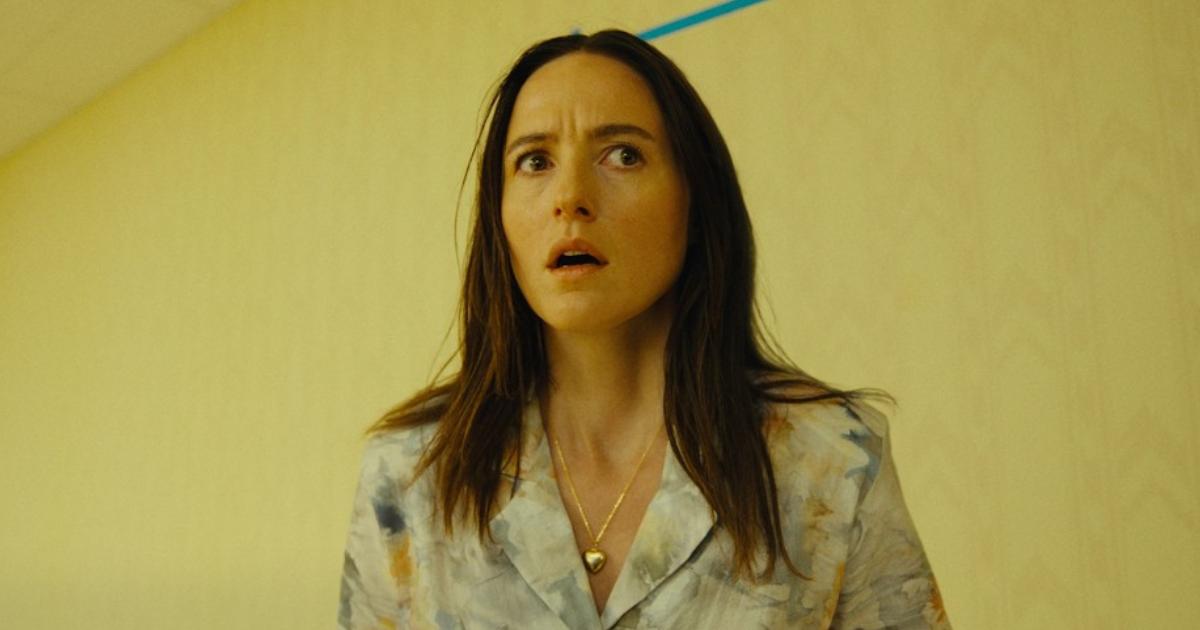
While the viral internet phenomenon provides a compelling hook, the film’s narrative substance is crucial for sustained audience engagement. "The Backrooms" is set to explore the unsettling dimension through the eyes of Dr. Mary Kline, portrayed by Renate Reinsve. Dr. Kline, a therapist, embarks on a perilous journey into this mysterious alternate reality in pursuit of her missing patient, Clark, a furniture store owner played by the acclaimed Chiwetel Ejiofor. This premise hints at a narrative that delves deeper than a mere visual spectacle, promising a story with character-driven stakes and psychological depth.

The casting of established actors like Reinsve and Ejiofor adds another layer of credibility and appeal to the project, suggesting that A24 is investing in a quality production that transcends its internet origins. The juxtaposition of a grounded therapeutic pursuit with the surreal horrors of "The Backrooms" offers a potentially rich ground for storytelling, blending elements of mystery, psychological thriller, and supernatural horror. The film’s release on May 29th positions it perfectly to capitalize on the extended Memorial Day weekend, allowing ample time for audiences to discover and embrace this unique cinematic offering.
Implications for the Future of Horror and Digital Adaptations
The potential success of "The Backrooms" carries significant implications for the film industry. Firstly, it reinforces the commercial viability of the horror genre, especially when coupled with innovative concepts and a lean budget. Horror films have a proven track record of delivering strong returns on investment, and "The Backrooms" appears poised to continue this trend.
Secondly, and perhaps more importantly, the film’s trajectory serves as a compelling blueprint for adapting internet phenomena into mainstream cinema. It demonstrates that a dedicated online following, coupled with a well-executed film, can bypass the traditional challenges of building brand awareness from scratch. This could lead to an increased focus from studios on mining online communities for future film projects, potentially ushering in a new era of digital-to-digital adaptation. The success of "The Backrooms" will undoubtedly be a closely watched case study, influencing development strategies and investment decisions for years to come. The film’s ability to translate an abstract online concept into a tangible, commercially successful cinematic experience is a narrative in itself, and its box office performance will be a key chapter in this evolving story.
