

BONN, Germany — The annual mid-year climate negotiations in Bonn concluded on June 18, leaving the international community with a complex map of the road to the upcoming Conferences of the Parties (COP). While the two-week session under the United Nations Framework Convention on Climate Change (UNFCCC) was intended to resolve technical and scientific hurdles, it instead exposed the widening chasm between the Global North and Global South regarding climate finance, trade equity, and the definition of a "just transition." However, amidst the familiar friction, a new strategic narrative began to take shape: a global push toward aggressive electrification as a primary vehicle for the energy transition.
I. Main Facts: A Shift in Strategy and a Stalemate in Funding
The Bonn Climate Change Conference serves as the critical technical precursor to the annual COP summits. This year, the proceedings were dominated by three distinct pillars: the introduction of a high-ambition global electrification target, the persistent struggle over the "New Collective Quantified Goal" (NCQG) for finance, and the rising tension over unilateral trade measures like carbon border taxes.
The 35% Electrification Target
The most significant shift in the energy transition discourse came from the incoming COP31 Presidency (Türkiye). President-Designate Murat Kurum proposed raising the global electrification target to 35% by 2035. This represents a massive leap from the current global average of approximately 20-21%. The initiative, framed as a "flagship" of the COP31 Action Agenda, seeks to pivot the conversation away from the politically charged "phase-out" of fossil fuels toward the "deployment" of clean electricity across transport, industry, and buildings.
The Finance Deadlock
Despite the new energy narrative, the "means of implementation"—specifically climate finance—remained the primary point of failure. Developing nations, organized under the G77 and China, expressed profound dissatisfaction with the progress of the Climate Finance Work Programme (CFWP). The core of the dispute lies in the refusal of developed nations to formalize finance discussions within the Paris Agreement’s political decision-making tracks, leading to accusations that the process is being relegated to a "talk-shop" without legal teeth.
Trade as a Climate Barrier
For the first time in a dedicated formal setting, the intersection of trade and climate took center stage. The introduction of the European Union’s Carbon Border Adjustment Mechanism (CBAM) has sparked fears among developing economies—led by India, China, and the BASIC group—that climate policy is being used as a mask for protectionism.
II. Chronology: Two Weeks of Friction in Bonn
The conference unfolded through a series of tactical maneuvers and escalating rhetoric as parties attempted to set the agenda for COP30 (Brazil) and COP31 (Türkiye).
- June 4-6: The Opening Salvo: The conference opened with the COP31 Presidency’s announcement of the 35% electrification target. This was immediately seen as a strategic attempt to find "common ground" by focusing on industrial opportunity rather than the cessation of fossil fuel extraction.
- June 8-10: The Financial Warning: The G77 and China submitted a series of alarming reports. They highlighted a 27% decline in the ninth replenishment of the Global Environment Facility (GEF) and a projected 23% drop in Official Development Assistance (ODA) for 2025. These figures cast a shadow over the technical sessions, as developing nations argued that ambition is impossible without solvency.
- June 12: The Roadmap for Transition: The COP30 Presidency (Brazil) presented progress on its "Roadmap on Transitioning Away from Fossil Fuels" (TAFF). This roadmap is intended to bridge the gap between the electrification goals of Türkiye and the phase-out demands of the most climate-vulnerable nations.
- June 13-15: The Adaptation Crisis: Negotiations on the Global Goal on Adaptation (GGA) reached a standstill. The African Group refused to engage with draft texts that omitted specific references to tripling adaptation finance, a commitment they argue was implicitly made at previous summits but is now being sidelined.
- June 16-18: The Closing Standoff: The final days were marked by disputes over "outcome documents." Developing nations pushed for a synthesis report on trade dialogues to ensure political accountability, while developed nations successfully blocked the move, arguing that the Bonn mandate was purely deliberative.
III. Supporting Data: The Electrification Gap and the Finance Cliff
To understand the stakes of the Bonn negotiations, one must look at the underlying economic data provided by the International Energy Agency (IEA) and various UN bodies.
India’s Pivotal Role
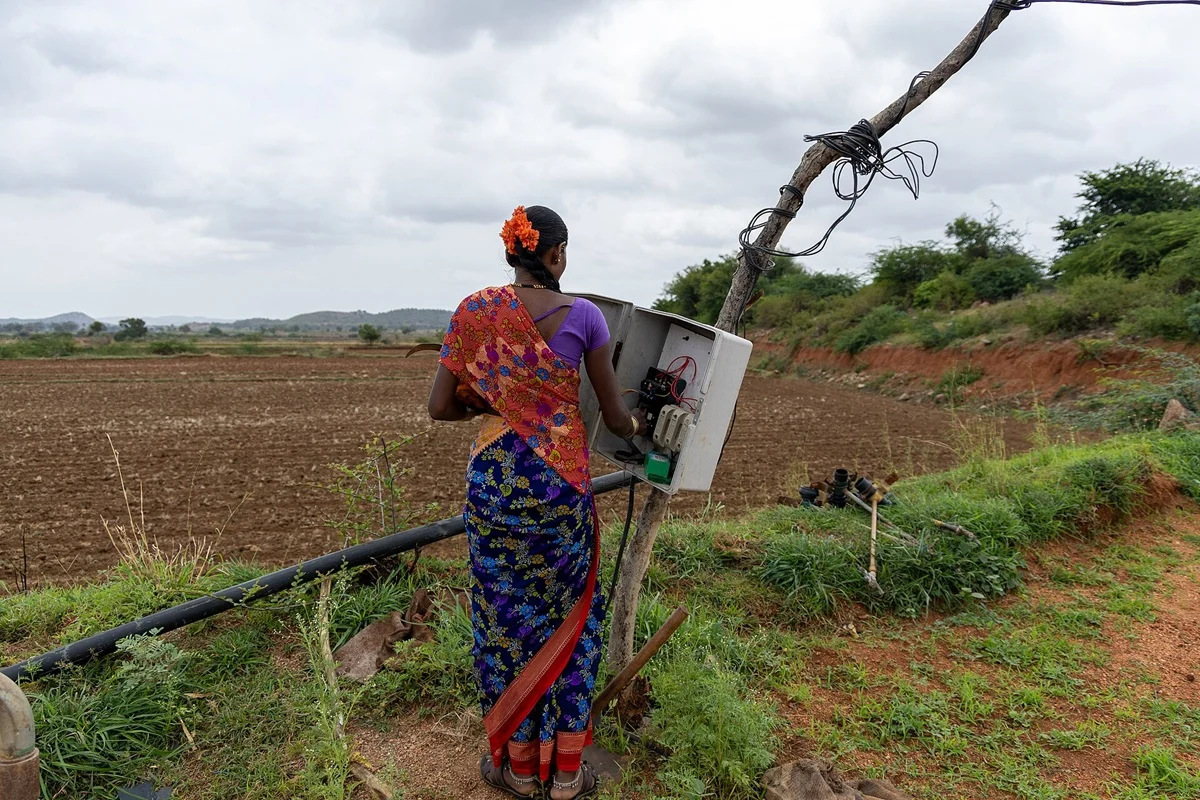
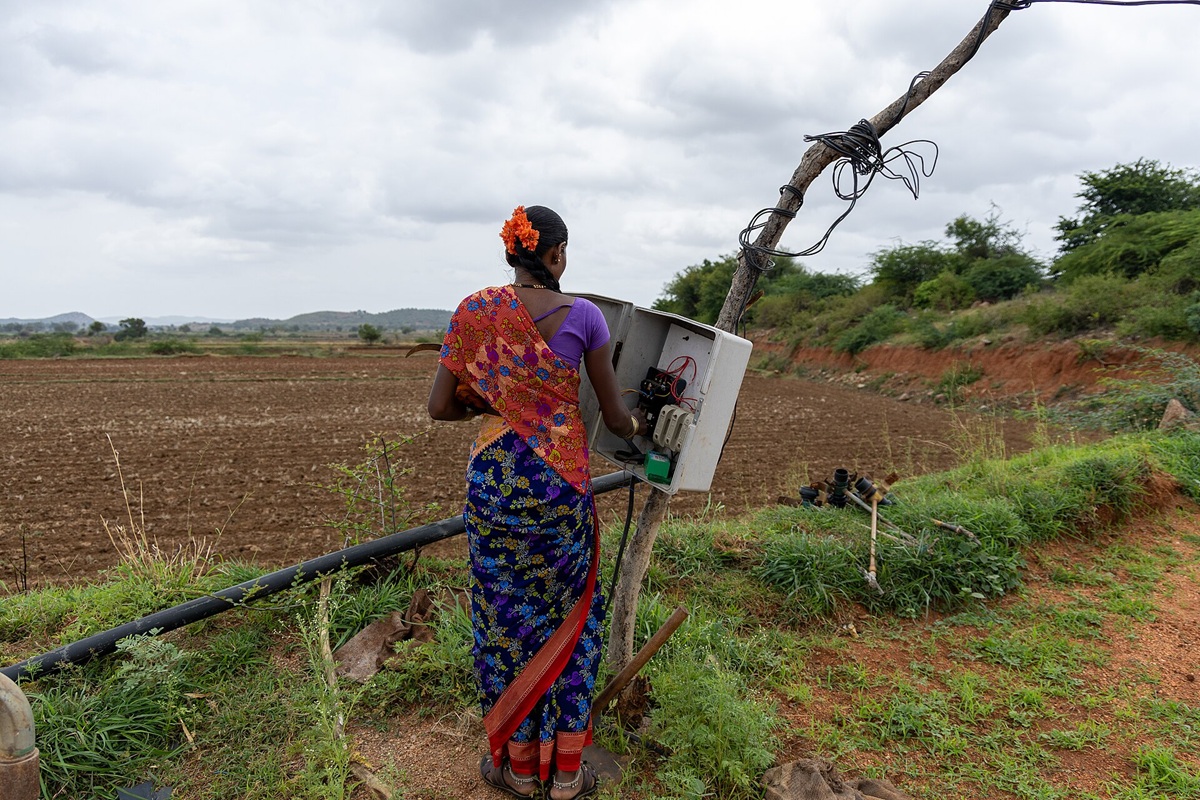
India emerged as a central figure in the electrification debate. According to the IEA’s Electricity 2024 report, India’s current electrification rate is approximately 19%, lagging slightly behind the global average of 21%. However, India’s electricity demand is projected to grow by 6.4% annually through 2030. This makes India the world’s most critical laboratory for the "35% by 2035" goal. If India cannot bridge its 16% gap while its demand skyrockets, the global target will likely remain out of reach.
The Scale of the "Finance Cliff"
The submissions by the G77 and China in Bonn provided a stark quantitative look at the shrinking pool of climate resources:
- GEF Replenishment: The latest cycle is at its lowest level in 16 years.
- UNDP Funding: Core funding for the UN’s primary development arm is facing a 24% decline.
- Adaptation Gap: Current adaptation finance is estimated to be 5-10 times below what is required for developing nations to withstand climate-induced disasters.
The Grid Decarbonization Dilemma
Data from the University of Oxford’s energy policy department highlights a hidden risk in the electrification narrative. For electrification to yield a net climate benefit, the carbon intensity of the grid must drop. Currently, in many rapidly electrifying economies, coal still accounts for over 70% of power generation. Without a simultaneous "decarbonization of the source," a 35% electrification rate could paradoxically lead to an increase in total emissions if the power is supplied by legacy fossil fuel plants.

IV. Official Responses: Divergent Perspectives
The rhetoric in Bonn reflected a world divided by economic priorities and historical responsibilities.
The COP31 Presidency (Türkiye):
President-Designate Murat Kurum emphasized the positive framing of the new targets. "We are calling for a major acceleration in the shift from direct fossil fuel use to clean electricity across buildings, transport, and industry," Kurum stated, positioning electrification as the "engine of the next industrial revolution."
The Academic Perspective:
Jan Rosenow, Professor of Energy and Climate Policy at the University of Oxford, offered a nuanced view. "Phase-out language is about what countries must give up, which maps onto existing economic and geopolitical fault lines. Electrification, by contrast, is about what countries stand to gain—cheaper energy, industrial competitiveness, and cleaner air." However, he warned that "the underlying distributional politics don’t disappear" just because the framing is more constructive.
The Developing World (G77 & BASIC):
Representatives from the Centre for Science and Environment (CSE) and the African Group were far more critical. Sehr Raheja (CSE) noted that discussions on aligning financial flows (Article 2.1c of the Paris Agreement) felt like "abstractions" when the core financial mechanisms of the UN are "struggling for survival."
Climate Activism:
Harjeet Singh, Director of the Satat Sampada Climate Foundation, criticized the resistance to scaling up adaptation funding. "These communities are already bearing the devastating costs of a crisis they did not create. Resistance to tripling adaptation finance is a betrayal of the most vulnerable," Singh remarked.

V. Implications: The Road to COP30 and COP31
The outcomes—or lack thereof—in Bonn have significant implications for the next two years of global climate diplomacy.
1. The "Carrot" vs. "Stick" Diplomacy
The shift toward electrification targets suggests that future COPs may move away from the high-friction debates over "banning" fossil fuels. By focusing on electrification, the UNFCCC is attempting to engage the private sector and industrial ministries more directly. This "carrot" approach (offering growth through green tech) is designed to bypass the "stick" approach (mandated cuts) that has led to previous diplomatic collapses.
2. The Rise of "Green Protectionism"
The friction over trade measures in Bonn suggests that the WTO and UNFCCC are on a collision course. If developed nations continue to implement unilateral taxes like CBAM without providing the promised technology transfer or finance to help developing nations upgrade their industries, "climate trade wars" could become a reality. This would likely fragment global supply chains for the very minerals (lithium, cobalt, copper) needed for the 35% electrification goal.
3. The Credibility of the Paris Agreement
The persistent refusal to formalize the Climate Finance Work Programme within the Paris Agreement’s core negotiating track (CMA) risks alienating the Global South. If developing nations perceive that the "New Collective Quantified Goal" is merely a series of non-binding workshops, their willingness to submit more ambitious Nationally Determined Contributions (NDCs) in 2025 will be severely diminished.
4. Technical Hurdles: The Grid and Minerals
The move to 35% electrification by 2035 implies a tripling of global grid investment. Bonn highlighted that the "new fault lines" are no longer just about oil and gas, but about who controls the manufacturing of batteries and solar panels (China) and who has access to the critical minerals required for an electrified world.

In conclusion, while Bonn provided a glimpse of a more optimistic, technology-driven future through the electrification lens, it failed to solve the fundamental question that has haunted climate talks for three decades: Who pays for the transition? As the delegation leaves Germany for the upcoming summits in Brazil and Türkiye, the pressure to turn "dialogues" into "dollars" has never been higher.
