

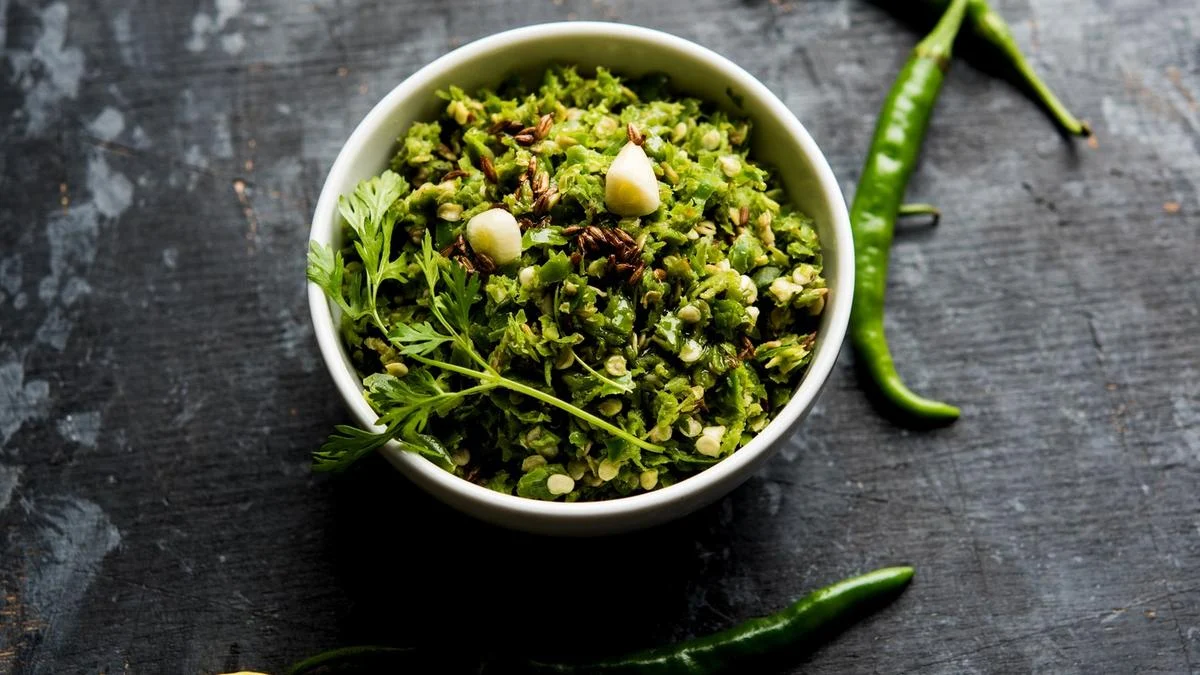
The humble Maharashtrian chutney, a vibrant blend of chilies and spices, is experiencing an unprecedented surge in popularity, transcending its regional roots to captivate palates and chefs worldwide. Once a staple on humble dining tables, thecha is now a celebrated condiment gracing menus in upscale restaurants, inspiring celebrity endorsements, and finding its way into innovative culinary creations.
The recent spotlight on thecha, a potent Maharashtrian condiment, has ignited a culinary phenomenon. From its prominent appearance on the reality cooking show MasterChef India, where a contestant daringly presented thecha chowmein, to celebrity Malaika Arora showcasing her culinary prowess with thecha paneer, this fiery chutney has undeniably captured the nation’s imagination. This surge in visibility is not merely a fleeting trend; it signifies the emergence of a beloved, traditional flavor profile into the mainstream, embraced by a new generation of food enthusiasts and celebrated chefs alike.
The Genesis of a Fiery Condiment
At its core, thecha is a testament to the power of simplicity and bold flavor. The name itself, derived from the Marathi word for "to grind" or "to crush," hints at its rustic preparation method. Celebrated Maharashtrian chef Vishnu Manohar, a prominent figure on YouTube for his accessible culinary tutorials, elaborates on its essence. "Thecha means ‘to grind’ or ‘to crush’," he explains. "We have two main types: one made with red chilies and another with green chilies. The fundamental ingredients usually include garlic, chilies, cumin seeds, and salt. Some variations also incorporate a touch of lemon juice or fresh coriander leaves for added zest."
Traditionally, thecha serves as a powerful condiment, a flavor enhancer that can transform a bland meal into a culinary delight. "If a curry is bland, we eat it with thecha," Chef Manohar states, highlighting its role as a palate awakener. "Nowadays, innovative dishes like thecha chicken and thecha paneer have gained significant traction. Its unique taste and strong, pungent flavor have made it a favorite among chefs looking to add a distinctive kick to their dishes." Chef Manohar’s online presence offers a gateway to exploring the diverse recipes and regional nuances of this versatile chutney, showcasing its adaptability across various culinary applications.

A Culinary Renaissance: Thecha Takes Center Stage
The trajectory of thecha’s popularity has been significantly propelled by its integration into modern culinary narratives. A pivotal moment arrived during a recent season of MasterChef India, where a contestant’s daring creation of thecha chowmein garnered significant attention. The judges, esteemed chefs Vikas Khanna, Ranveer Brar, and Kunal Kapur, lauded the condiment’s unexpected harmony with noodles, drawing parallels to its function as a potent hot sauce or a zesty pesto. This televised endorsement acted as a powerful catalyst, sparking a wave of creative exploration across social media platforms. Instagram creators and culinary influencers, including chef Kunal Kapur himself, began sharing their unique interpretations and recipes for thecha, further amplifying its reach and appeal.
The widespread adoption of thecha is evident in its increasingly frequent appearance on menus across the country. In Bengaluru, the restaurant Beige elevates edamame ricotta kebabs by topping them with a flavorful thecha oil, a sophisticated substitute for conventional chili oil. Hyderabad’s Naad offers a compelling twist with a Cubano sandwich infused with a vibrant beetroot thecha. In Mumbai, Malaika Arora’s Scarlett House features her personal favorite, thecha paneer, a dish that has garnered considerable buzz. The city’s culinary landscape further embraces the trend with Dough and Joe’s wood-fired pizzas, including one crowned with a fiery thecha and creamy stracciatella cheese. The newly opened House of Akina in Bandra is also making waves with its viral thecha Hakka noodles, a testament to the condiment’s enduring appeal.
Beyond the realm of savory dishes, thecha’s influence extends to the art of mixology. At Native Bombay, patrons can experience the "Thecha Picante," a spirited cocktail that artfully blends tequila with the zesty notes of chilies and raw mango, showcasing the chutney’s adaptability in liquid form.
Innovative Applications: Beyond the Traditional
The adaptability of thecha has not been limited to restaurant kitchens; it has also found a place in the innovative world of artisanal food products. Grindhaus, a brand dedicated to crafting clean-label savory spreads, has introduced "Thecha Blaze," a spicy green chili and garlic-infused peanut butter. Prashanth Chander, the founder of Grindhaus, shares the inspiration behind this unique creation. "We initially focused on South Indian flavors for our peanut butters, like gunpowder podi," he recounts. "A friend from North Goa suggested we explore a thecha peanut butter, believing the flavors would complement each other exceptionally well." The result is a potent spread boasting 90% peanuts, locally sourced green chilies from North Karnataka, fragrant curry leaves, and a subtle hint of garlic, delivering a robust and flavorful experience.

Another notable player in the Indian condiment market, The Nomad Food Project, offers a "bacon thecha," a product that promises a smoky and bold flavor profile, further demonstrating the diverse applications of this versatile chutney. These innovative products highlight the growing consumer interest in unique and regionally inspired flavor combinations, positioning thecha as a key ingredient in the modern pantry.
The inherent appeal of thecha lies in its ability to deliver a powerful punch of spice, a characteristic deeply appreciated by the Indian palate. The dynamic interplay between the raw heat of the chilies and the rich, savory undertones of the peanuts is proving to be a compelling combination, sparking the creativity of chefs and food manufacturers alike. This widespread embrace underscores a growing appreciation for traditional flavors, reimagined for contemporary tastes.
A Glimpse into the Future: Thecha’s Enduring Legacy
The journey of thecha from a regional staple to a national culinary sensation is a compelling narrative of flavor, versatility, and cultural resonance. Its ability to adapt to diverse culinary landscapes, from traditional accompaniments to avant-garde dishes and innovative products, speaks volumes about its inherent appeal. As chefs continue to explore its potential and home cooks embrace its fiery charm, thecha is poised to remain a significant player in the gastronomic scene for years to come. The question now is not whether thecha will continue to trend, but rather, what new and exciting forms will emerge from this vibrant Maharashtrian treasure.
Recipe: Maharashtrian Green Chilli Thecha (Hirvi Mirchi cha Thecha)
This recipe offers a traditional approach to creating the vibrant green chili thecha, perfect for enhancing any meal.

Yields: Approximately 1 cup
Prep time: 10 minutes
Ingredients:
- 10-15 fresh green chilies (adjust to your spice preference; use a mix of mild and hot for complexity)
- 8-10 cloves of garlic, peeled
- 1 teaspoon cumin seeds (jeera)
- 1/2 teaspoon salt, or to taste
- 1 tablespoon roasted unsalted peanuts (optional, for texture and a milder flavor)
- 1/2 teaspoon lemon juice (optional, for brightness)
- 2 tablespoons fresh coriander leaves, chopped (optional, for freshness)
Method:
- Prepare the Chilies: Wash the green chilies thoroughly. For a milder thecha, you can deseed them and remove the pith. For a spicier version, leave them whole or chop them roughly.
- Grind the Ingredients: In a mortar and pestle (preferred for authentic texture) or a small food processor, combine the green chilies, peeled garlic cloves, cumin seeds, and salt.
- Crush to a Paste: Begin grinding or pulsing the ingredients until a coarse paste is formed. Avoid over-processing into a fine puree; a slightly chunky texture is desirable.
- Add Optional Ingredients: If using, add the roasted peanuts to the mortar and pestle or food processor and grind them into the paste. This will add a subtle nuttiness and a slightly thicker consistency.
- Incorporate Freshness: Stir in the optional lemon juice and chopped coriander leaves, if using. Mix well to combine.
- Taste and Adjust: Taste the thecha and adjust salt as needed. If it’s too spicy, you can add a tiny pinch of sugar or a bit more lemon juice to balance the flavors.
- Serve: Transfer the thecha to a small serving bowl. It can be served immediately or stored in an airtight container in the refrigerator for up to a week.
Serving Suggestions:
- Serve as a fiery accompaniment to rotis, jowar rotis, parathas, or any Indian bread.
- Use it as a flavorful spread on toast or sandwiches.
- Incorporate a small amount into stir-fries, curries, or marinades for an added kick.
- Mix a spoonful into yogurt or sour cream for a spicy dip.
