

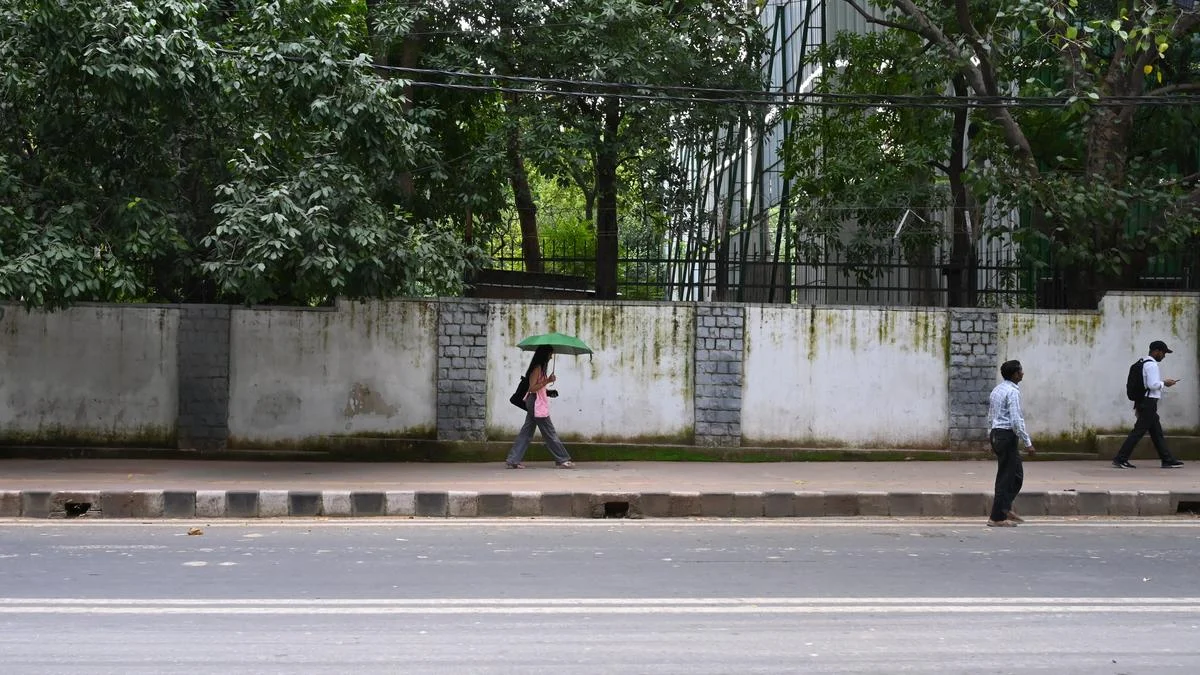
The dream of owning a car, a symbol of aspiration for many Indians, has morphed into a daily nightmare on our teeming city streets. The relentless crawl of traffic, the lost hours, and the erosion of family time are forcing a fundamental rethink of urban mobility. As India’s cities organically evolve into self-sufficient "mini pocket cities," an overlooked solution to our pervasive congestion crisis emerges: the humble footpath. This article delves into the burgeoning potential of pedestrian infrastructure, drawing lessons from global metropolises and highlighting its profound economic and environmental implications for India.
The Pervasive Frustration: A Nation Stuck in Traffic
For generations, the allure of a personal vehicle has been deeply ingrained in the Indian psyche. It represented progress, status, and freedom. Yet, the harsh reality of daily commutes paints a starkly different picture. The once-cherished dream has become a source of widespread dread. The mere thought of navigating city roads, whether for work, errands, or leisure, evokes images of gridlock, blaring horns, and the soul-crushing monotony of stop-and-go traffic. These lost hours, spent idling in cars, represent a significant drain on individual productivity and invaluable time that could be dedicated to family, personal growth, or simply enjoying life. This collective frustration, born from the constant battle with congested thoroughfares, is not just a personal inconvenience; it is actively reshaping the very fabric of our urban landscapes.
The Supreme Court’s recent landmark declaration, recognizing the right to walk on footpaths as a fundamental right, underscores the gravity of this issue. This judicial recognition signals a growing awareness that the current state of our urban infrastructure is failing to meet basic human needs for safe and unfettered movement. The court’s call for legislative action further emphasizes the urgent need for a systemic shift in how we design and prioritize our cities.
The Rise of "Mini Pocket Cities" and the Unseen Opportunity
India’s urban centers are undergoing a significant, albeit organic, transformation. Driven by the desire to escape the crippling commute, a new model of urban living is emerging: the "mini pocket city." These are areas where essential amenities – offices, shopping malls, high streets, and residential zones – are increasingly clustering within a relatively compact radius, often within 5 kilometers of each other. This decentralization, while a direct response to the long and arduous journeys, inadvertently highlights a critical, yet often overlooked, opportunity in urban mobility.
The World Bank’s comprehensive report, "Investing for momentum in active mobility," provides compelling data that illuminates this opportunity. The report reveals that a substantial proportion of urban travel in India is short-distance. Specifically, 35% of all trips are under 3 kilometers, and a staggering 50% are under 10 kilometers. This data is a revelation: it suggests that at least 35% of these short journeys could potentially be diverted from our congested roads if our cities were to prioritize and adequately develop pedestrian infrastructure.
The Astonishing Economics of Footpaths
The financial argument for investing in pedestrian infrastructure is, frankly, astounding. The cost of constructing a well-designed footpath, complete with appropriate width, protective barricades, and a smooth, level surface, is approximately ₹10 lakh per kilometer. This figure pales in comparison to the average cost of building a modern road, which can range from ₹10 crore per kilometer and upwards. This stark contrast reveals that footpaths are, on average, a hundred times more cost-effective than roads. In an era where urban development budgets are perpetually stretched, this economic efficiency cannot be overstated.
While it is crucial to acknowledge that footpaths alone cannot entirely resolve India’s complex traffic challenges or unlock all potential economic benefits, they represent a foundational and indispensable requirement. They are the bedrock upon which more comprehensive decongestion strategies can be built. Their impact is magnified exponentially when integrated with robust public transport systems. Imagine the synergy: well-maintained footpaths leading to efficient metro stations and bus feeder networks. This integrated approach can significantly reduce our collective reliance on private vehicles, making urban travel not only more manageable but also more predictable and enjoyable.
Global Lessons for Indian "Mini Pocket Cities"
To truly harness the potential of walkable cities and strategically leverage India’s unique urban evolution, it is beneficial to examine how international metropolises encourage and utilize walking. Understanding these diverse contexts can provide invaluable, practical lessons for our burgeoning "mini pocket cities."
Across the globe, the proportion of trips made on foot varies significantly, influenced by a multitude of factors including urban density, city design, and prevailing climate conditions.
-
Hong Kong: This exceptionally dense city, characterized by its integrated skywalk systems and a rail-first planning model, sees a remarkable 30% to 40% of all trips made on foot. The sheer proximity of destinations and the extensive network of elevated walkways make walking a primary mode of transport.
-
Tokyo: Following closely, Tokyo boasts a walking share of approximately 20% to 30%. Its dominance of the rail network, coupled with consistently safe and well-maintained sidewalks, encourages pedestrian movement, particularly for short distances to and from transit hubs.
-
London: The British capital, with its walkable city core and the implementation of congestion charges, records roughly 20% to 25% of trips made on foot. The historic urban layout and policies aimed at discouraging private vehicle use in central areas contribute to this figure.
-
Copenhagen: Renowned for its compact urban form and a deeply ingrained culture of walking and cycling, Copenhagen sees about 15% to 20% of its trips made on foot. The city’s commitment to pedestrian-friendly infrastructure is evident in its design.
-
Singapore: In contrast, Singapore’s walking share remains considerably lower, at around 5% to 8%. This is largely attributed to its tropical climate, which can make extended periods of walking less appealing, alongside other urban planning considerations.
The key takeaway for Indian cities from these global examples is profound. While density is a significant driver of walking in many international metros, in India, the strategy can be different. Here, the focus should be on creating strategic walking paths integrated with public transport within localized pockets. This approach can drastically reduce reliance on private cars within these self-sufficient "mini pocket cities," even in areas that may not possess the extreme density of Hong Kong.
Beyond Decongestion: Economic Revitalization Through Walkability
The benefits of prioritizing pedestrian infrastructure extend far beyond simply alleviating traffic congestion. This paradigm shift holds immense potential for the economic revitalization of our urban centers. Imagine business districts such as bustling tech parks, prime office properties, vibrant shopping malls, and dynamic high streets becoming far more accessible to the local population.
Increased accessibility directly translates into significantly higher commercial output and a palpable increase in vibrancy across all urban pockets. When people can easily walk to their workplaces, shops, and entertainment venues, they are more likely to engage with local businesses, spend money, and contribute to the economic dynamism of their neighborhoods. This creates a virtuous cycle, fostering local employment and strengthening the economic base of these "mini pocket cities."
Furthermore, well-designed pedestrian zones can become attractive destinations in themselves. They can encourage the development of street-side cafes, vibrant markets, and cultural spaces, further enhancing the appeal and economic activity of these areas. The ripple effect of investing in walkability is therefore multifaceted, touching upon consumer spending, local business growth, and the overall economic health of our cities.
The Imperative of Holistic Sustainability
The case for walkability is further bolstered by its profound contribution to holistic sustainability. As a zero-carbon mode of transport, walking directly addresses the critical issue of air pollution that plagues our cities. By reducing our reliance on internal combustion engine vehicles, we can significantly lower our collective carbon footprint, contributing to a healthier environment for all.
Beyond the environmental benefits, a walkable urban environment has a deep and positive impact on the health and well-being of citizens. Encouraging physical activity becomes an intrinsic part of daily life. Regular walking is proven to reduce the risk of chronic diseases, improve cardiovascular health, and enhance mental well-being. This shift towards a more active lifestyle can lead to a healthier population, reducing healthcare burdens and improving overall quality of life.
Moreover, walkable cities foster a more engaged and connected public realm. When people are out walking, they are more likely to interact with their neighbors, engage with their community, and develop a stronger sense of belonging. This fosters a more vibrant and socially cohesive urban environment. The public spaces become not just transit corridors but places for social interaction and community building.
The Foundational Power of Footpaths
In conclusion, footpaths unequivocally represent a crucial, cost-effective, and powerfully impactful step towards tackling what currently appears to be an intractable challenge of urban congestion in India. By strategically prioritizing and investing in walkable infrastructure within our town and country planning, we are not merely addressing a logistical problem; we are laying a fundamental, yet incredibly potent, foundation for more efficient, sustainable, and economically vibrant Indian cities.
The vision of a car-centric future, once a beacon of progress, is proving to be unsustainable and detrimental to our urban well-being. The future of Indian urban mobility lies in embracing the simplicity and power of walking, integrating it seamlessly with efficient public transport, and creating "mini pocket cities" that are not just convenient but also healthy, sustainable, and economically prosperous. The great Indian stride towards reclaiming our cities has already begun, and it starts with the simple, yet revolutionary, act of walking.
The writer is the founder of Hanto Workspace.
