

The Indian motorcycling landscape has undergone a seismic shift over the last decade. What was once a market dominated by utilitarian commuters and high-capacity cruisers has evolved into a sophisticated arena where the Adventure (ADV) segment reigns supreme. Indian riders are increasingly seeking "do-it-all" machines—motorcycles capable of navigating the chaotic urban sprawl of Mumbai or Delhi during the week, while possessing the mechanical fortitude to conquer the Himalayan passes or the coastal trails of Goa on the weekend.
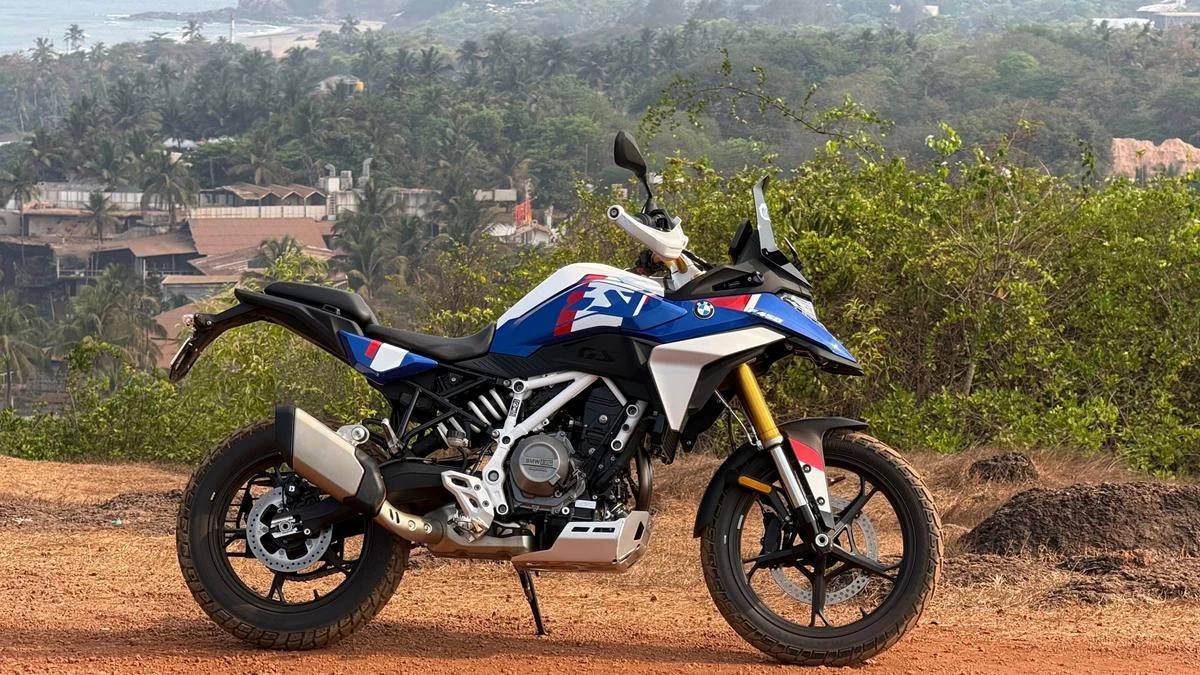
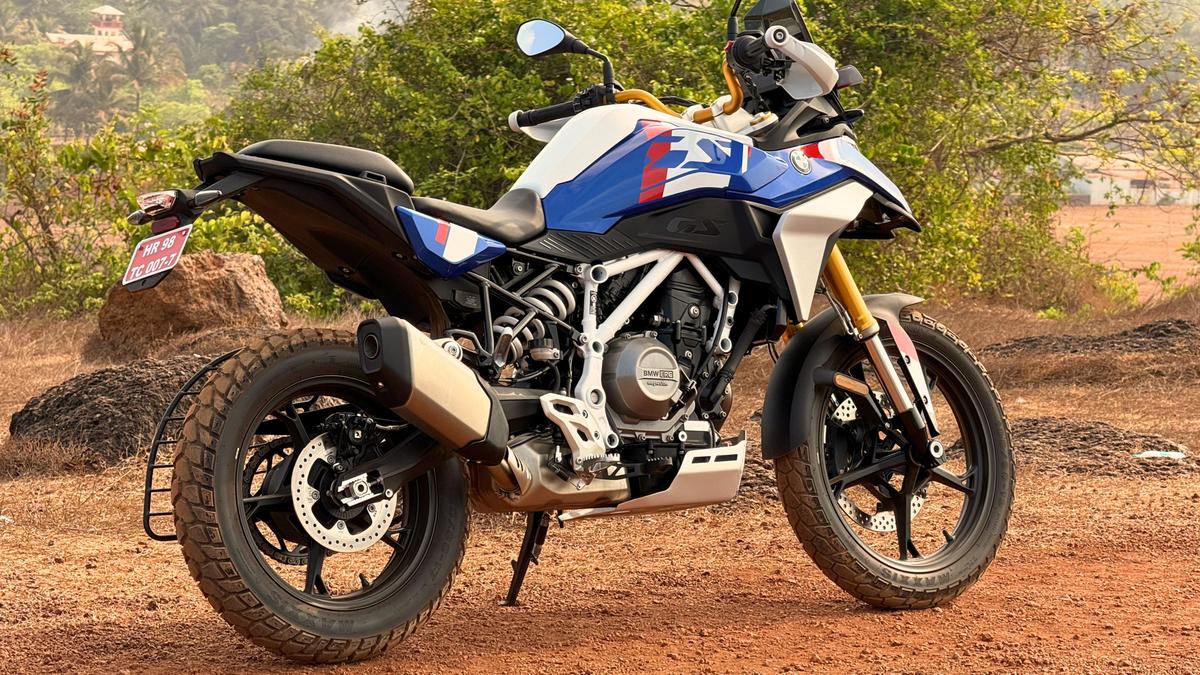
Into this highly competitive environment, BMW Motorrad has introduced the F 450 GS. Tested extensively across the varied terrain of Goa, from the high-speed asphalt connectors to the grueling, rocky inclines of the Vagator hilltop, the F 450 GS reveals itself not merely as a scaled-down version of its larger siblings, but as a precision-engineered entry designed to redefine the mid-capacity premium segment.
Main Facts: The Entry of a New GS Standard
The BMW F 450 GS arrives as a strategic bridge within the BMW Motorrad lineup. Historically, riders were faced with a significant leap between the entry-level G 310 GS and the heavyweight F 850 or R 1300 GS models. The F 450 GS fills this vacuum, offering a sophisticated parallel-twin architecture that delivers 48 hp and 43 Nm of torque.
The motorcycle is priced competitively within the premium bracket, starting at ₹4,70,000 for the base variant, scaling to ₹4,90,000 for the Exclusive variant, and topping out at ₹5,30,000 for the GS Trophy edition. These figures position the bike as a premium alternative to the likes of the KTM 390 Adventure and the Royal Enfield Himalayan 450, justifying its price point through superior refinement, advanced electronics, and the prestige of the "GS" badge.
Chronology and Context: The Evolution of the Mid-Size ADV
The journey of the GS (Gelände/Straße) brand spans over four decades, but its evolution in the Indian market is more recent. The introduction of the G 310 GS (manufactured in partnership with TVS) allowed BMW to tap into the volume segment. However, as the Indian rider matured, a demand emerged for more "soul" and "substance"—specifically, the smoothness of a multi-cylinder engine and higher-spec electronic aids.
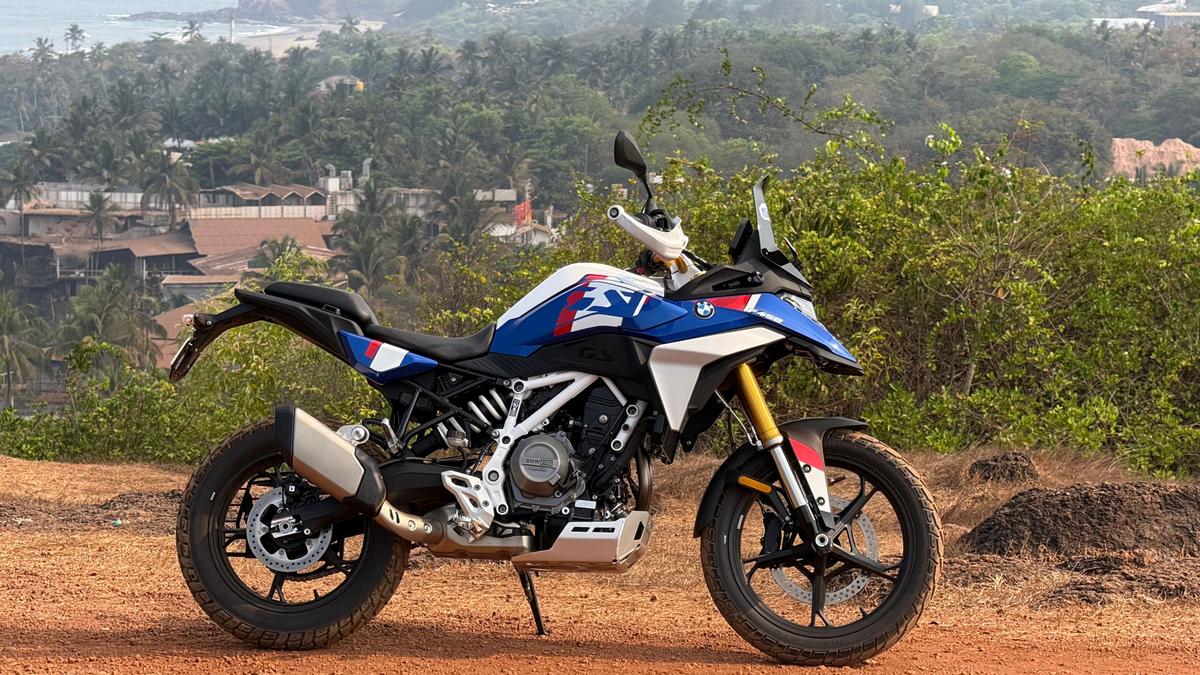
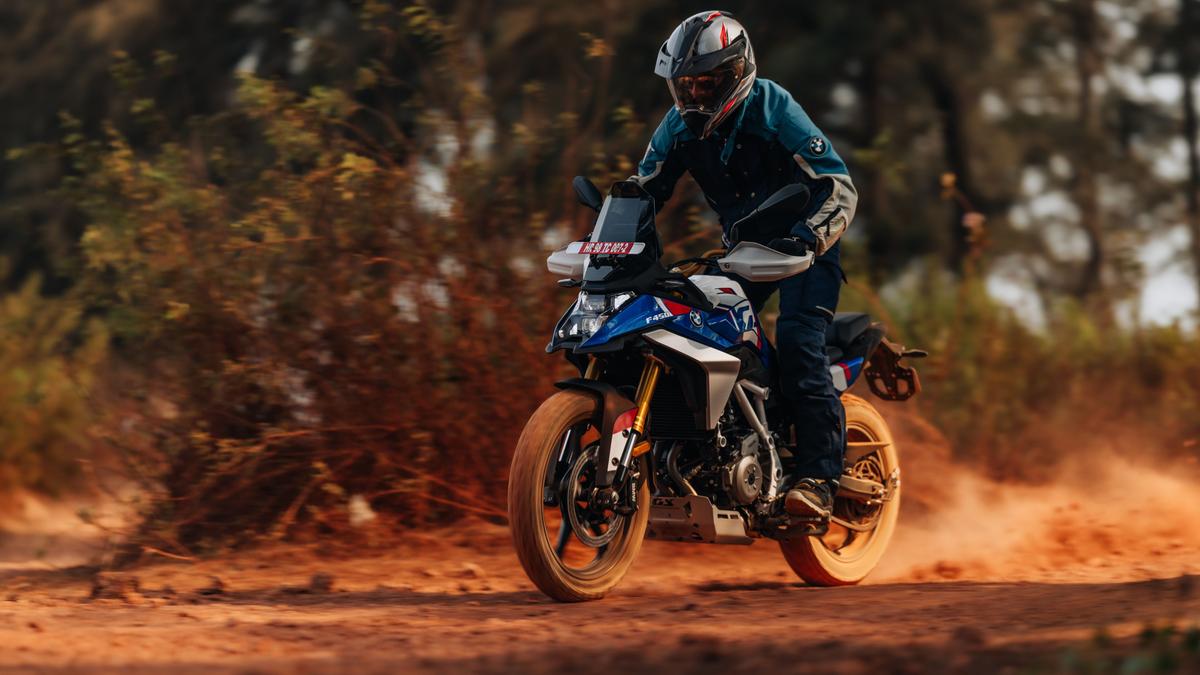
The development of the F 450 GS represents BMW’s response to this maturing market. The testing phase in Goa served as a litmus test for the bike’s suitability for Indian conditions. The choice of Vagator hilltop for off-road testing is significant; the terrain is unforgiving, characterized by loose shale, steep gradients, and high ambient temperatures. This environment allowed the F 450 GS to demonstrate that its "Adventure" credentials are not merely aesthetic, but deeply rooted in its mechanical DNA.
Supporting Data: Engineering, Performance, and Ergonomics
The Heart of the Machine: The 420cc Parallel-Twin
At the core of the F 450 GS is a newly developed 420cc parallel-twin engine. While the displacement might seem modest to those used to liter-class ADVs, the engineering nuances tell a different story. The engine utilizes a unique 135° crankshaft. This specific configuration is a masterstroke in NVH (Noise, Vibration, and Harshness) management. Unlike traditional 180° or 360° twins, the 135° crank provides a firing order that mimics the character of a larger V-twin while remaining inherently balanced.
On the road, this translates to a vibration-free experience even at the higher end of the rev range. The power delivery is linear, with 43 Nm of torque available low in the powerband. This ensures that the rider is not constantly hunting through the six-speed gearbox—a vital trait when navigating stop-and-go Indian traffic or technical off-road sections where momentum is key.
The "Easy Ride" Paradigm: ERC and Shift Assistant Pro
Perhaps the most significant technological leap in this segment is the introduction of the Easy Ride Clutch (ERC). This system aims to bridge the gap between manual engagement and automatic convenience. In practice, the ERC allows for starts and stops without traditional clutch modulation. When paired with the Shift Assistant Pro (BMW’s terminology for a bi-directional quickshifter), the rider can navigate the entire gearbox without touching the clutch lever.
While there is a brief learning curve—specifically regarding throttle-off transitions—the system significantly reduces rider fatigue. In the context of long-distance touring, where a rider might perform thousands of gear changes in a single day, the ERC is a transformative feature.
Chassis and Suspension Dynamics
The F 450 GS employs a robust chassis paired with 43mm upside-down (USD) front forks and a rear monoshock featuring progressive damping. With 845 mm of seat height, the bike offers a commanding view of the road, though it may require a "tip-toe" stance for shorter riders.
The suspension is tuned for versatility. On the smooth tarmac of Goa’s highways, the bike feels "planted"—a term used by testers to describe its high-speed stability and resistance to crosswinds. Conversely, when the pavement ends, the progressive damping ensures the bike doesn’t bottom out over harsh ruts, maintaining a level of composure that inspires confidence in novice off-roaders.
Connectivity and Electronics
BMW has equipped the F 450 GS with a 6.5-inch full-color TFT display. This interface acts as the nerve center for the bike’s various electronic suites, including:
- Rain Mode: Softens throttle response and maximizes traction control intervention.
- Road Mode: The standard setting for balanced performance.
- Enduro Pro Mode: Tailored for off-road use, this mode sharpens throttle response and allows for rear-wheel slip and ABS deactivation at the rear, enabling the "slides" often necessary for off-road maneuvering.
Official Responses and Expert Synthesis
Automotive experts who participated in the Goa launch noted that the F 450 GS addresses the primary criticism of smaller ADVs: the lack of "big bike" feel. By maintaining the visual proportions of the R 1300 GS—including the iconic front beak and muscular tank shrouds—BMW has created a machine that commands respect on the road without being physically overwhelming.
BMW Motorrad India’s positioning suggests a focus on "accessible premium." By offering three distinct variants, they are catering to different rider profiles. The Base variant targets the purist; the Exclusive variant focuses on the aesthetic-conscious urban rider; and the GS Trophy is aimed squarely at the hardcore enthusiast who intends to spend 70% of their time off-road.
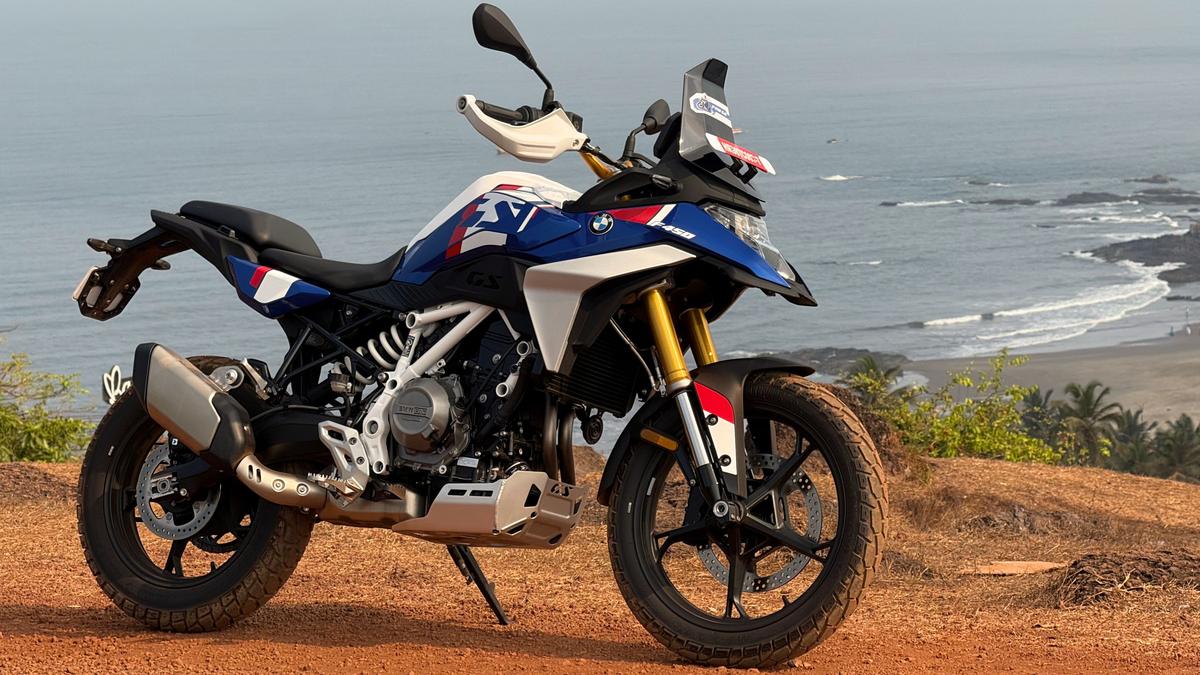
Furthermore, the bike’s thermal management received high marks. In the tropical heat of Goa, many mid-capacity twins tend to vent hot air directly onto the rider’s legs. The F 450 GS, however, utilizes an efficient radiator and fairing design that directs heat away from the cockpit, a crucial factor for the Indian climate.
Implications: Impact on the Indian Premium Market
The arrival of the BMW F 450 GS has several far-reaching implications for the Indian motorcycle market:
1. The Death of the "Bigger is Better" Myth
For years, the Indian market believed that a "real" adventure bike needed to be 1000cc or more. The F 450 GS proves that 48 hp is more than enough to handle Indian national highways while being significantly more manageable in the dirt. This "right-sizing" is likely to encourage a new demographic of riders to enter the ADV space.
2. Upgrading the Technology Benchmark
By including features like the 135° crank, ERC, and a sophisticated TFT interface, BMW has forced its competitors to rethink their offerings. Standard features on the F 450 GS are often "optional extras" or entirely unavailable on other bikes in this displacement class.
3. Fuel Efficiency as a Practical Metric
With a tested fuel efficiency of 26–27 km/l, the F 450 GS offers a range that makes it a viable daily commuter. This dual-purpose nature is essential in India, where many riders own only one motorcycle and need it to perform multiple roles.
4. Strengthening the BMW Ecosystem
The F 450 GS serves as a powerful retention tool. It provides a logical "next step" for G 310 GS owners, keeping them within the BMW family rather than losing them to competitors when they seek more power and refinement.
Conclusion
The BMW F 450 GS is a calculated, high-quality entry into one of the world’s most demanding motorcycle markets. It successfully distills the essence of the "GS" heritage into a package that is manageable, technologically advanced, and suited for the unique challenges of Indian terrain. While the price point remains in the premium territory, the level of refinement and the suite of rider aids suggest that for many, the investment will be well-justified. As the mid-size ADV segment continues to heat up, the F 450 GS stands as a benchmark for what a modern, versatile, and unintimidating adventure motorcycle should be.
