

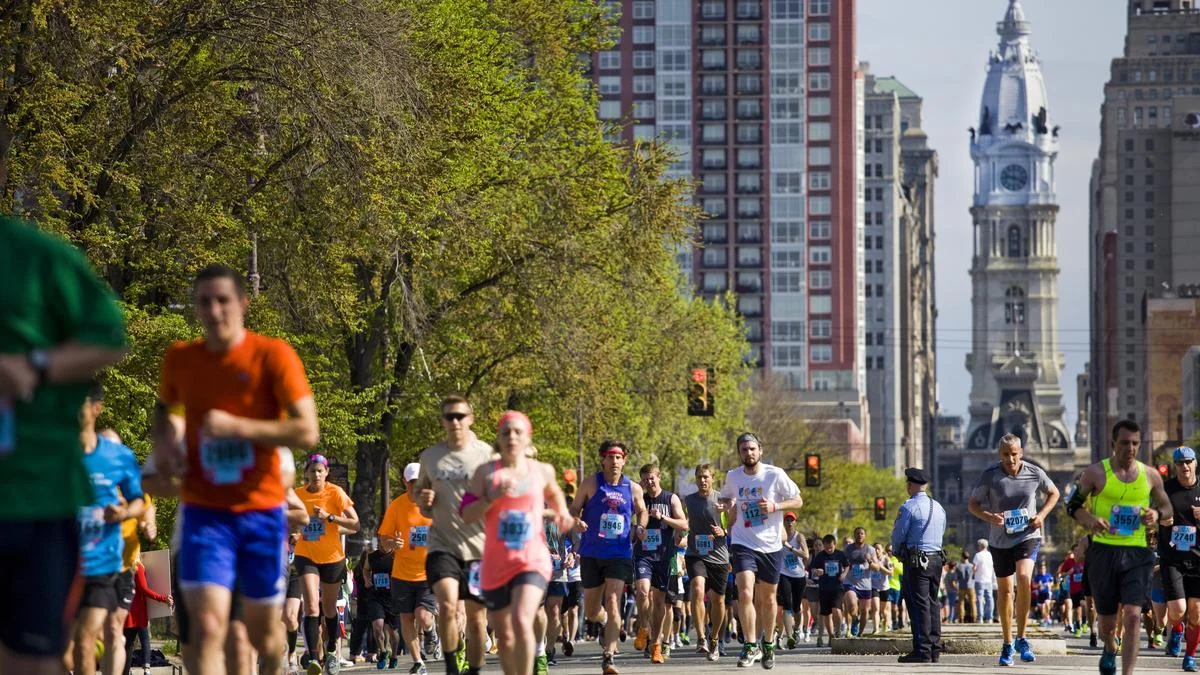
Bengaluru, India – As the pre-dawn chill still blankets Bengaluru, long before the city’s notorious traffic begins its daily assault and the aroma of freshly brewed coffee wafts from cafes, Sunil Lade is already miles into his run. For Lade, an ad-film producer accustomed to the rhythm of frames, shots, and looming deadlines, this early morning ritual is now a crucial component of a far grander plan. He’s not just training for his demanding profession; he’s meticulously preparing for a global challenge: the London Marathon on April 26th, followed by the Chicago Marathon on October 11th. These aren’t mere athletic pursuits; they are the cornerstones of a burgeoning trend transforming how Indians explore the world – the "race-cation."
The Evolving Landscape of Travel: From Sightseeing to Sweat Equity
The concept is simple yet profound: instead of ticking off tourist attractions from a conventional itinerary, a growing cohort of Indian runners is weaving their travel plans around international marathons and other endurance events. This approach offers a unique lens through which to experience a new country, moving beyond superficial sightseeing to a deeper, more immersive engagement with local life.
Sunil Lade articulates this shift eloquently. "I’ve been to cities for work and for travel," he shares. "But what you see when you’re running is totally different. You notice details you’d never catch in a car or train." This sentiment resonates with a generation seeking more than just passive observation. Running through local neighborhoods, feeling the pulse of a city at its most authentic, and being buoyed by the cheers of strangers creates a connection that traditional tourism often misses.
This phenomenon isn’t confined to individual endeavors. Tanya Gupta, a Delhi-based entrepreneur and founder of The Reckless Collective, is at the forefront of curating these experiences. Her platform, launched in 2025, specializes in sports-led retreats globally. Her upcoming guided running retreat, from June 19th to 24th, will take participants deep into the rainforests of Borneo, focusing on adapting to unpredictable terrain. "Participants receive a curated pre-retreat training plan, along with focused skill work, endurance sessions, and detailed technique breakdowns, before being guided by an expert athlete on the day of the run," Gupta explains. The Reckless Collective’s offerings extend beyond running, encompassing activities like trail-running, kitesurfing, snowboarding, and free diving, with past retreats held in Sri Lanka and Kazakhstan and future expeditions planned for Malaysia, Portugal, Egypt, and Japan.
The Runner-Tourist: A New Breed of Traveler
Social media influencer and long-distance runner Sahirah Oshidar from Bengaluru echoes this sentiment, firmly believing that fitness-centric travel is the next major frontier. "Why simply travel, when you can work on your fitness and achieve new milestones on the same vacation?" she poses. Oshidar, a relative newcomer to the international running circuit, having completed the Bangkok Marathon last year, describes the electrifying energy of these events. This year, her sights are set on Portugal (October 2-3, 2026) and Abu Dhabi (December 12, 2026).
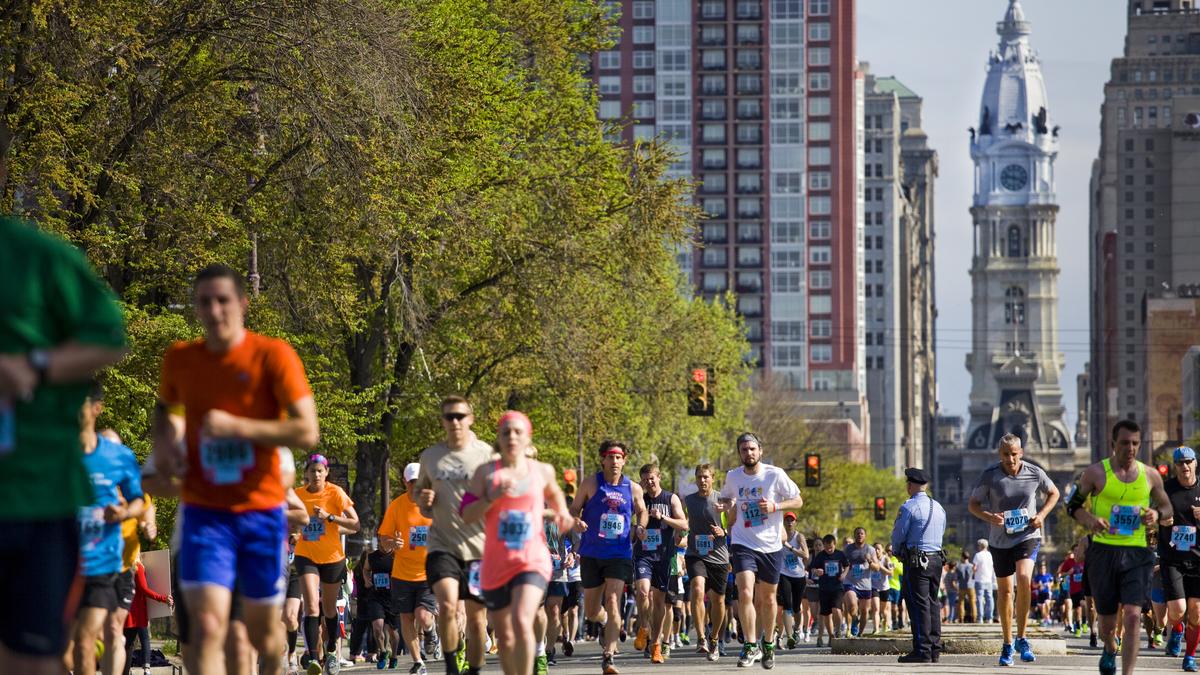
The travel industry is keenly observing and responding to this evolving traveler preference. A comprehensive study published in January 2026 by Accor, a global hospitality giant, in partnership with travel trend forecasting agency Globetrender, highlighted the burgeoning "endorphin economy." The report, based on a survey of 4,300 travelers across India, the UK, and the US, revealed that a remarkable 89% of respondents consider live events like marathons a compelling reason to travel.
This insight has translated into tangible shifts. Hotels are now strategically advertising their proximity to popular running routes, while travel agencies are meticulously crafting itineraries that revolve around race weekends. Even airports are getting in on the action. Hyderabad’s Rajiv Gandhi International Airport hosts an annual "Airport Run" every January, featuring 5K and 10K races that unite both novice runners and seasoned athletes. Similarly, Philadelphia International Airport offers a unique "Run the Runway" 5K event, providing participants the extraordinary experience of racing on an active tarmac, with aircraft taking off and landing nearby.
Within India, a diverse range of running experiences caters to this growing community. February sees the understated yet community-driven marathon in Auroville and the Jaisalmer half marathon, set against the backdrop of sand dunes, ancient forts, and the vibrant desert festival. June beckons runners to Coorg for the Bison Ultra, a challenging race through steep coffee estates. For those seeking an ultimate test of endurance, the Ladakh high-altitude marathon in Leh offers an unparalleled experience.
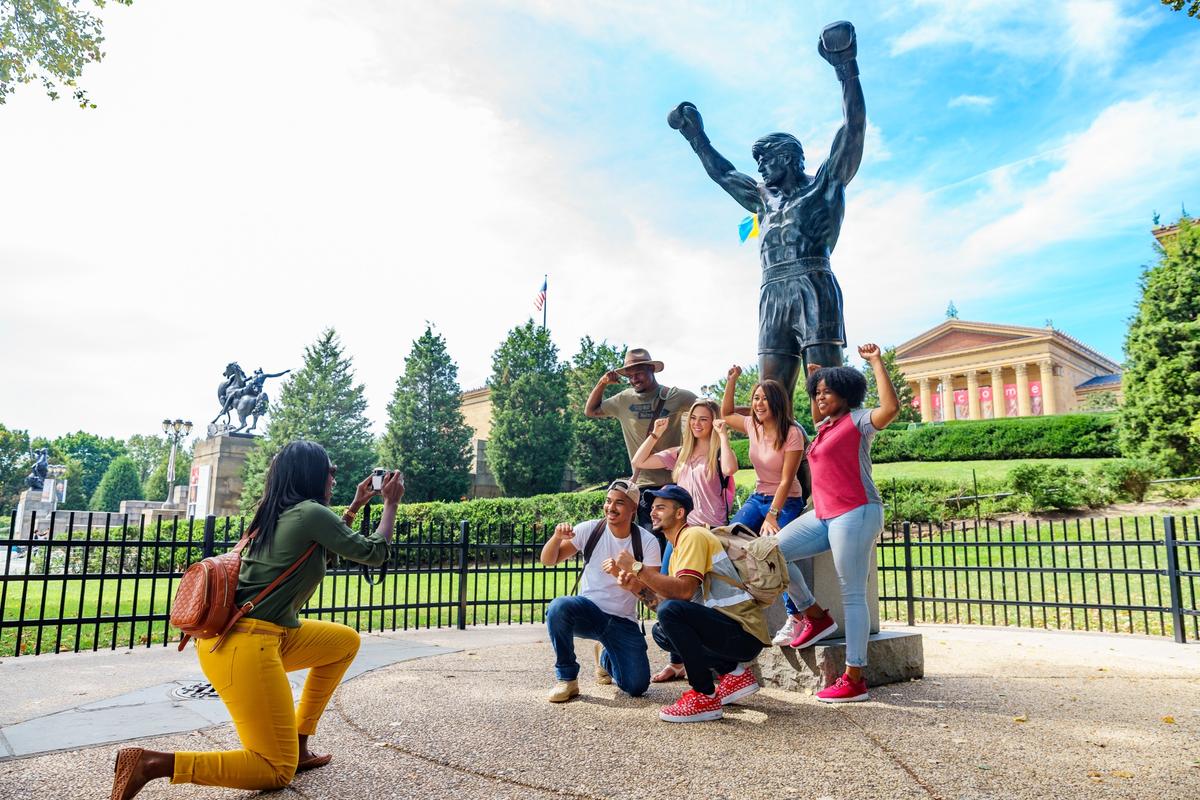
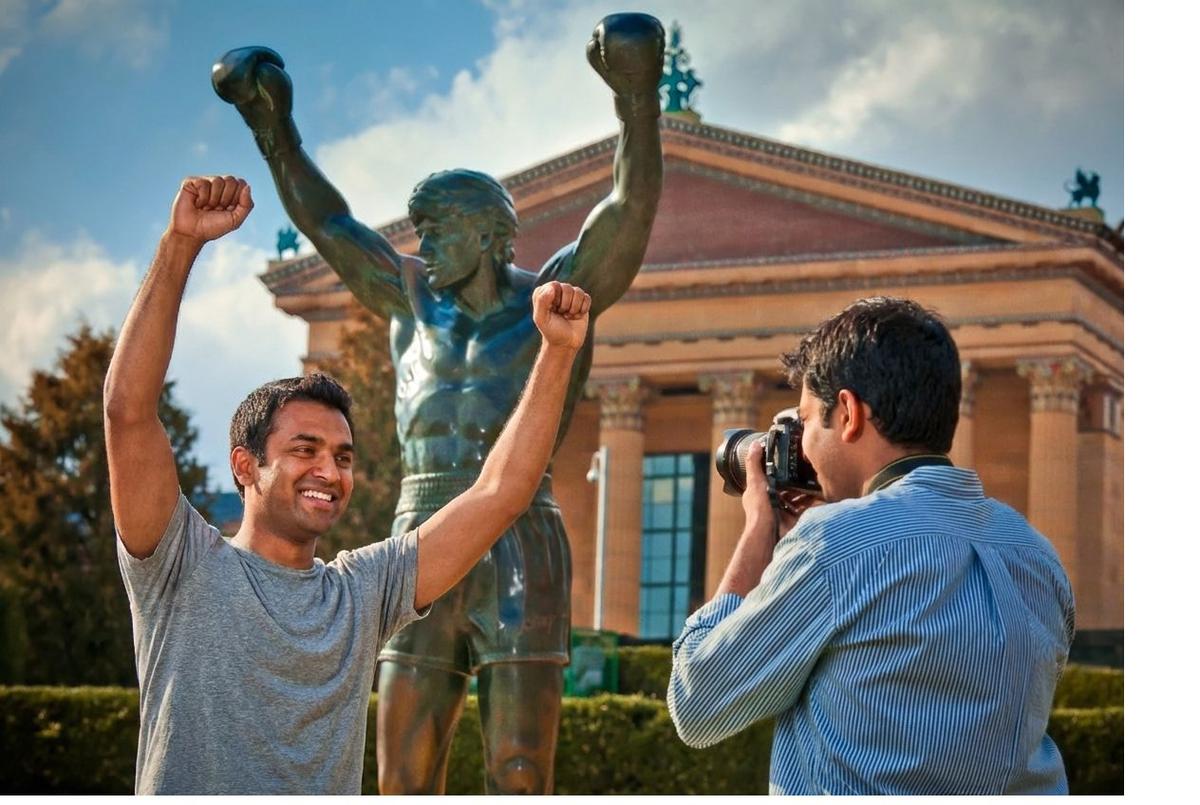
Daivik Rai, captain of the Indian indoor cricket team, exemplifies the experiential aspect of race-cations. Last year, he participated in the Philadelphia Marathon specifically to run in the iconic "Rocky Steps" leading to the Philadelphia Museum of Art, immortalized in cinematic history. With America celebrating its 250th Independence Day and the 50th anniversary of Rocky coinciding this year, Philadelphia is poised for an even more significant marathon event. Post-race, many athletes seamlessly transition to the green spaces of Benjamin Franklin Parkway for cool-downs and recovery stretches. Sports physiotherapy clinics report a surge in bookings during marathon weeks, offering specialized packages including ice baths, compression therapy, and gait analysis, perfectly timed to coincide with race events.
The Race to Train: Commitment and Dedication
Unlike spontaneous getaways, race-cations demand a significant level of commitment and meticulous planning. Months of dedicated training, careful budgeting, and the delicate balancing of work schedules are integral to this travel paradigm. Preparation often begins one to three months prior to the race.

Mohammed Suhail, founder of Bengaluru’s Fit District, trains a diverse clientele, from amateur enthusiasts to professional endurance athletes, including notable actors like Varun Dhawan and Yash. He emphasizes the discipline required: "I ask runners to skip bar hopping and the much-coveted buffet spreads while on a running vacation," he advises. "They are advised to pack their suitcases with electrolytes and protein shakes. And still, they don’t find it restrictive." This disciplined approach underscores that a race-cation is as much about performance as it is about exploration.
Pushing the Boundaries: Extreme Environments and Mental Fortitude
While major city marathons are a significant draw, a subset of Indian runners is venturing into more extreme territories, where the lines between travel, endurance, and survival blur. Ultramarathon runner Kieren D’Souza, based in Manali and renowned for his sub-zero condition racing, embodies this cutting edge. Competing in temperatures as low as -10°C to -15°C necessitates local acclimatization, often involving training in regions like Jammu or Kashmir.
D’Souza is currently in Ladakh, preparing for the upcoming marathon season. "In races that stretch to 100 kilometers or run over 48 hours, it’s as much a mental challenge as a physical one," he explains. For him, racing in unfamiliar territories is a profound way to test his limits. His most challenging and rewarding experience to date was the Yading Skyrace in China, held at an altitude of 4000 meters.
Nutrition is another critical, often underestimated, aspect of extreme endurance. "It’s hard to get your macros in – so I end up eating a good steak on most days, full of fresh veggies and meat. I also make sure I have a lot of fruits tucked into my bags or training kits – it’s refreshing and gives me a good boost of energy," D’Souza shares.
Sahirah Oshidar underscores the paramount importance of mental strength, complementing physical prowess. She incorporates daily meditation into her routine before tackling new running challenges in foreign lands. "I believe that running outside one’s comfort zone keeps one mentally agile," she asserts.
Kieren D’Souza concurs, recalling his first race-cation in 2015 at the CCC Marathon in the French Alps, a 100-kilometer trail race as part of the UTMB Mont Blanc festival. This experience was pivotal in fostering comfort with solitude, away from the familiar support of family and friends.
He believes that running fosters a unique sense of belonging, even in fleeting moments. "You’re keeping pace with people from all over the world," he observes. "Everyone’s struggling together. There’s a shared language, even if you don’t speak to each other." This shared struggle and camaraderie transcend cultural and linguistic barriers, forging a powerful connection among participants.
Upcoming Races and Training Insights
The global race calendar offers a plethora of opportunities for aspiring race-cationers. Here are some notable upcoming events:
- London Marathon, April 26th, 2026: Renowned as one of the world’s most popular races, it attracted 1.1 million applicants this year.
- Cape Town Marathon, May 24th, 2026: This circuit offers the dramatic backdrop of Table Mountain.
- Sydney Marathon, August 30th, 2026: A part of the Majors circuit, it features iconic landmarks like the Harbour Bridge and Opera House.
- Philadelphia Marathon, November 22, 2026: This race aligns with the 250th anniversary of America’s independence, promising extensive city-wide events.
For those embarking on their own race-cation journey, Mohammed Suhail offers valuable training tips:
Do’s:
- Gradual Mileage Increase: Increase training mileage by up to 10% every week.
- Simulate Conditions: Train in similar environmental conditions locally before attempting international circuits.
- Taper Effectively: Reduce training load 2-3 weeks before competition to facilitate recovery.
- Hydrate and Fuel: For runs exceeding 60-90 minutes, consume carbohydrate-electrolyte combinations.
Don’ts:
- Avoid Race Day Novelties: Do not try anything new on race day, including unfamiliar gear or nutrition.
- Prioritize Sun Protection: Don’t forget sun protection during long runs to minimize UV damage.
- Respect Rest: Never skip rest days; they are crucial for recovery and performance.
The "race-cation" trend is more than just a fleeting travel fad; it represents a fundamental shift in how individuals perceive and engage with the world. By merging the pursuit of fitness with the joy of exploration, Indian runners are forging new paths, creating indelible memories, and discovering their own extraordinary potential, one mile at a time.
