

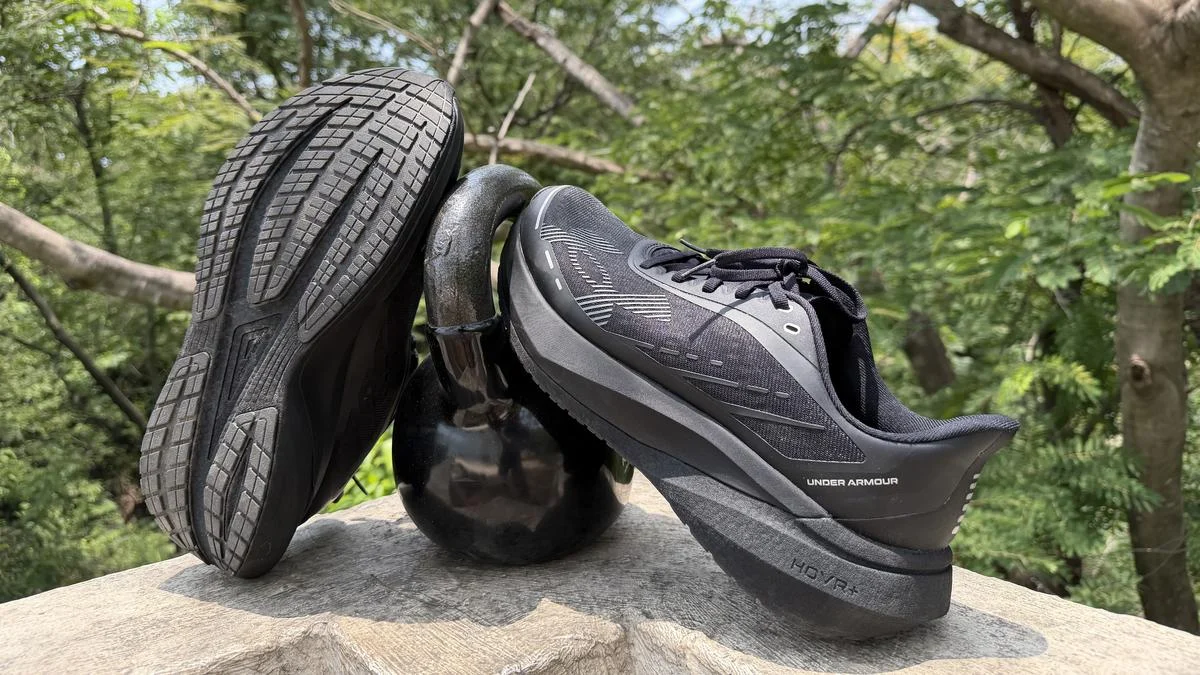
Under Armour’s latest offering in the premium long-run shoe segment, the Velociti Distance, presents a compelling blend of advanced cushioning and robust durability. However, its ambitious stability features create a distinct divide, making it a shoe that demands careful consideration for the discerning runner.
By [Your Name/Publication Name]
In the fiercely competitive landscape of running footwear, Under Armour has consistently strived to carve out a significant niche. While often recognized for its technical prowess and occasional flashes of brilliance, the brand has historically found it challenging to be the immediate go-to choice for seasoned, performance-oriented runners. Their latest entrant into the high-mileage, long-run shoe category, the Velociti Distance, aims to change that perception. This shoe demonstrably excels in several key areas, yet it also incorporates design choices that are likely to elicit strong and divergent opinions, ultimately defining the overall running experience it offers.
The Pursuit of Distance: First Impressions and Design Philosophy
The immediate sensation upon picking up the Under Armour Velociti Distance is its substantial feel. Weighing in at 298 grams, it deviates from the ultra-lightweight trend prevalent in some modern running shoes, signaling a deliberate choice to prioritize comfort and support for extended efforts. This weight is underpinned by a generous 38mm stack height of UA’s HOVR+ foam, a supercritical TPU material also found in their elite racing shoes. This substantial cushioning is the shoe’s foundational promise: to absorb the relentless impact of high mileage and protect the runner’s legs over countless miles.
The upper construction is a notable highlight, demonstrating a refined execution. A breathable woven mesh is strategically employed across the forefoot, ensuring excellent airflow and keeping feet cool, a crucial factor during prolonged runs, especially in warmer conditions. The gusseted tongue remains steadfastly in place, preventing unwanted movement and potential irritation. The heel counter is well-padded and offers a structured, secure fit, contributing to a confident lockdown that never feels overly restrictive. This secure embrace is precisely what runners often seek on demanding long runs, where a stable and reliable feel can significantly mitigate fatigue.
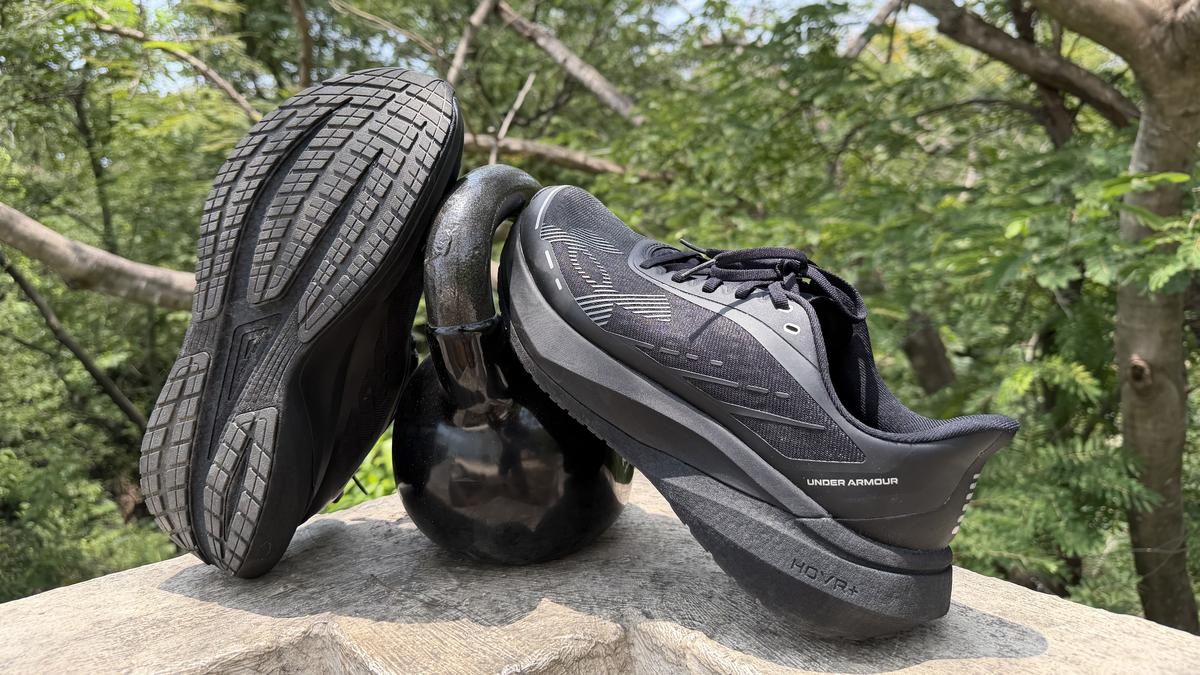
While the overall fit is secure and confidence-inspiring, one minor detail that stands out as incongruous with the shoe’s premium feel is the quality of the laces. Compared to the sophisticated materials and construction elsewhere, the laces feel noticeably lower in quality, a small but perceptible detraction from an otherwise well-crafted upper. This is a point where Under Armour could further refine the Velociti Distance to align with its ambitious positioning in the market.
On the Road: Performance and Versatility
The moment one steps outside, the HOVR+ foam in the Velociti Distance begins to deliver on its promise. The ride is characterized by a harmonious balance of softness and responsiveness. It effectively absorbs impact, cushioning each stride, while simultaneously providing a lively energy return that prevents the sensation of sluggishness. This blend ensures that the turnover remains feeling energetic rather than bogged down, even as the miles accumulate.
What elevates the Velociti Distance beyond a typical max-cushion shoe is its surprising versatility across different running intensities. While explicitly marketed as a long-run trainer, the shoe demonstrates an impressive ability to adapt to varied paces. It performs admirably during tempo efforts and steady-state runs, indicating that it can serve as a workhorse trainer for a broader range of weekly mileage rather than being relegated solely to Sunday long runs. This adaptability makes it a compelling option for runners who prefer to use a single shoe for a significant portion of their training, simplifying their gear rotation.
The outsole is another area where Under Armour has made a robust choice. The generous application of rubber coverage provides exceptional durability and confidence across varied terrains. Whether navigating the uneven surfaces of gravel paths or the consistent impact of pavement, the Velociti Distance offers assured traction and stability. This extensive rubber coverage, while contributing to the shoe’s overall weight, is a significant advantage for runners who have experienced the frustration of outsoles wearing out prematurely, long before the midsole’s cushioning capacity diminishes. The anticipated longevity of this outsole is a genuine selling point, promising a considerable return on investment in terms of mileage.
The Stability Conundrum: A Divisive Engineering Choice
The most defining and potentially divisive aspect of the Under Armour Velociti Distance lies within its stability architecture. The brand has integrated firm TPU inserts along both the lateral and medial sides of the midsole. The stated intention is to guide the foot through its natural gait cycle, mitigating excessive motion within the plush HOVR+ foam. In theory, this is an intelligent engineering solution aimed at enhancing stability and efficiency for runners who may overpronate or require additional guidance.

However, the practical application of these stability rails proves to be more assertive than the term "guide" might suggest. For runners whose natural foot mechanics align seamlessly with the intended path of these inserts, the experience will undoubtedly feel supportive and controlled. The shoe will effectively cradle the foot, promoting a stable and efficient stride.
Conversely, for individuals whose natural gait deviates from the rails’ prescribed path, the inserts can impose an unnatural correction. This can lead to a supinated landing, which may feel jarring and uncomfortable. The system is not subtle; it possesses a strong directive on how it expects the foot to move. When this expectation clashes with a runner’s intrinsic biomechanics, runs that should feel effortless can transform into a source of discomfort rather than a release from physical exertion. This inherent polarization means that the Velociti Distance is a shoe that will either resonate deeply with a runner or be a complete non-starter, with very little middle ground.
This pronounced stability feature positions the Velociti Distance in direct competition with a host of daily trainers from brands with longer, more established pedigrees in the running shoe market. Many of these competitors offer a more neutral and forgiving ride, often without the polarizing influence of such a pronounced stability system, presenting a significant challenge for Under Armour to win over runners who prioritize a less prescriptive feel.
The Verdict: Who Should Lace Up the Velociti Distance?
The Under Armour Velociti Distance is engineered for a specific type of runner: one who desires substantial cushioning that is both soft and firm, enabling them to push beyond an easy pace without the need to switch to a lighter, more aggressive shoe.
Ideal candidates include:

- Runners with neutral biomechanics: If your gait is naturally neutral and you have historically found traditional neutral shoes to be comfortable, the Velociti Distance may offer a stable and supportive platform without introducing unwanted corrections.
- Mild pronators who benefit from guidance: Runners who experience mild pronation and find that their foot mechanics align with the stabilizing intent of the TPU rails may discover the Velociti Distance to be a genuinely rewarding and capable training companion. The shoe’s structure could effectively manage their pronation, leading to a more efficient and comfortable run.
However, caution is advised for:
- Runners accustomed to a completely natural foot motion: If you have always preferred the uninhibited movement of truly neutral shoes and have found them to be consistently comfortable, the assertive nature of the Velociti Distance’s stability system might prove problematic. The shoe’s strong opinions on foot movement could lead to discomfort if they do not align with your own natural biomechanics.
Ultimately, Under Armour has succeeded in creating a technically impressive shoe with the Velociti Distance. It boasts premium cushioning, excellent durability, and a secure upper. The critical question for potential buyers is whether the shoe’s deeply ingrained philosophy about how a foot should move aligns with their own personal biomechanics. A thorough trial run is highly recommended to ascertain this compatibility before committing to this technically sophisticated, yet potentially polarizing, high-mileage trainer. The success of the Velociti Distance hinges not just on its engineering, but on its ability to find runners whose stride harmonizes with its distinctive design.
