

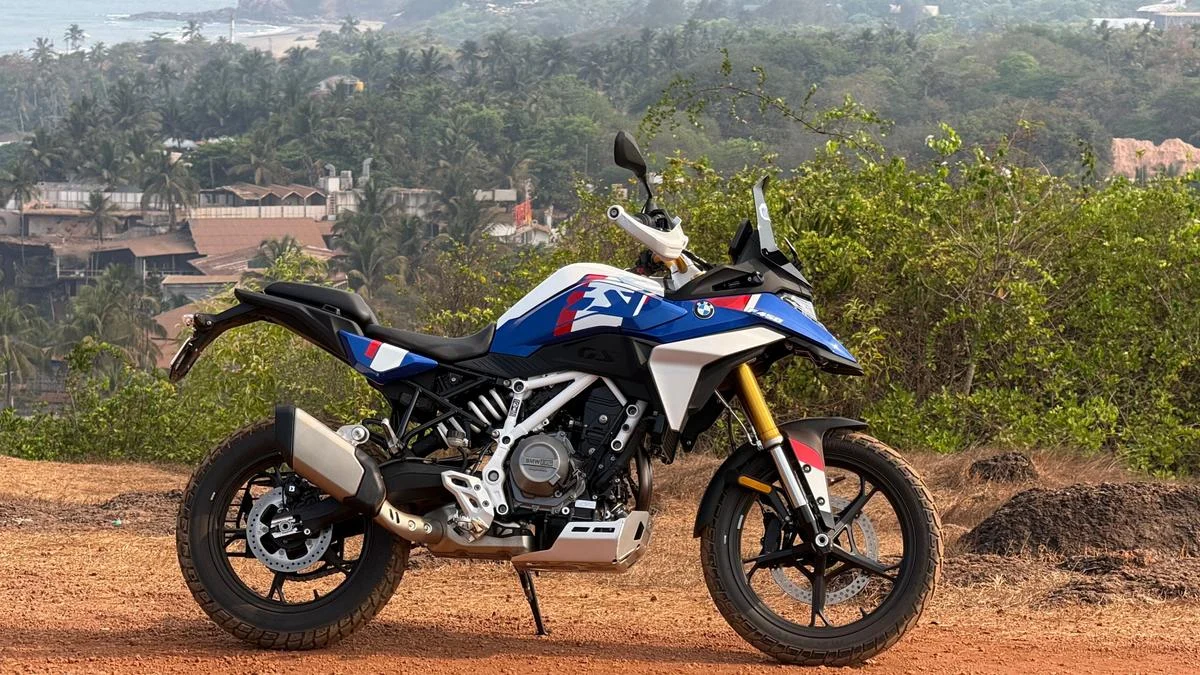
The Indian motorcycling landscape has undergone a seismic shift over the last decade. What was once a market dominated by fuel-efficient commuters and entry-level sportbikes has blossomed into a sophisticated arena where adventure (ADV) motorcycles reign supreme. Into this fiercely competitive mid-capacity segment, BMW Motorrad has introduced the F 450 GS—a machine that promises to bridge the gap between accessible entry-level tourers and the heavyweight legends of the GS lineage.
After an extensive testing period in the varied terrain of Goa, ranging from the sun-drenched coastal highways to the punishing, rocky inclines of the Vagator hilltop, it is clear that the F 450 GS is not merely a placeholder in the catalog. It is a calculated, precision-engineered response to the needs of the modern Indian rider who demands a "do-it-all" machine.
Main Facts: The Technical Blueprint of a Mid-Size Contender
The BMW F 450 GS arrives with a clear mission: to provide the "GS experience" without the intimidating bulk of its larger 1250cc and 1300cc siblings. At its core lies a newly developed 420 cc parallel-twin engine, a departure from the single-cylinder architecture seen in the entry-level G 310 GS. This motor produces a healthy 48 hp and 43 Nm of torque, placing it squarely in the crosshairs of the A2-license category globally and the premium mid-size segment in India.
One of the most significant technical highlights is the engine’s 135° crankshaft offset. This engineering choice is pivotal to the bike’s character, providing a firing order that mimics the feel of a larger engine while effectively cancelling out the harsh vibrations often associated with parallel twins.
Key Specifications at a Glance:
- Engine: 420 cc parallel-twin, liquid-cooled.
- Output: 48 hp / 43 Nm.
- Transmission: 6-speed with optional Easy Ride Clutch (ERC) and Shift Assistant Pro.
- Suspension: Upside-down (USD) front forks; rear monoshock with progressive damping.
- Seat Height: 845 mm (standard).
- Weight Management: Compact frame designed for agility and off-road flickability.
- Pricing: Starting at ₹4,70,000 up to ₹5,30,000 (ex-showroom).
Chronology: From First Glance to the Vagator Hilltop
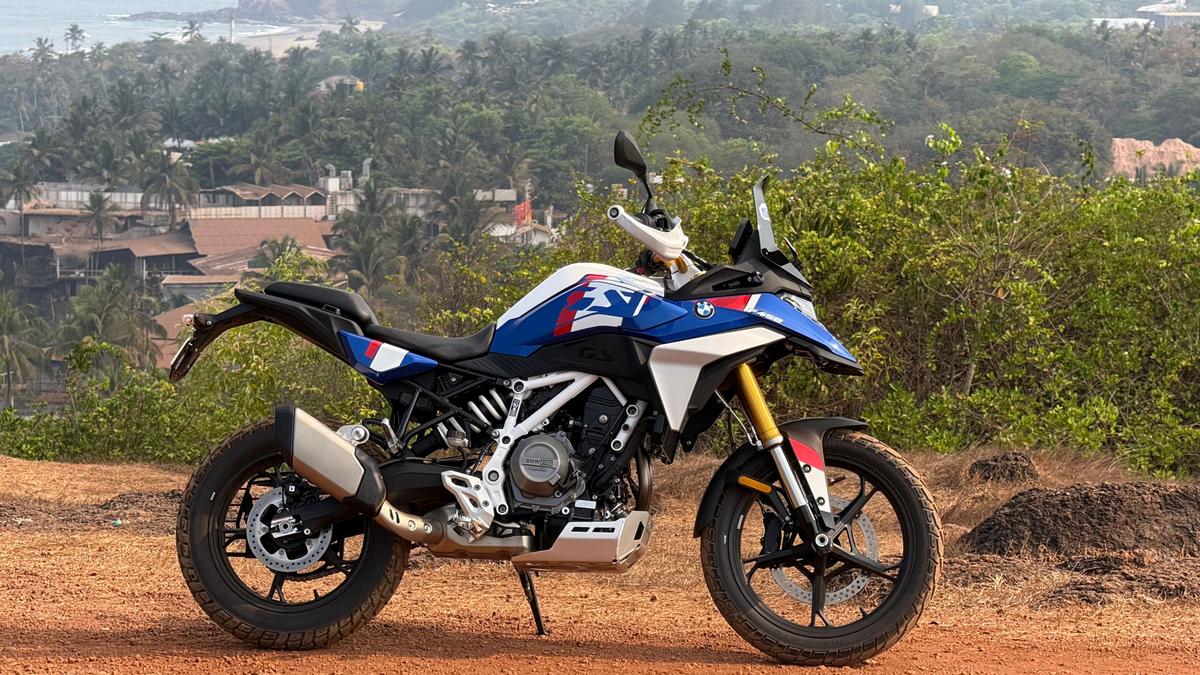
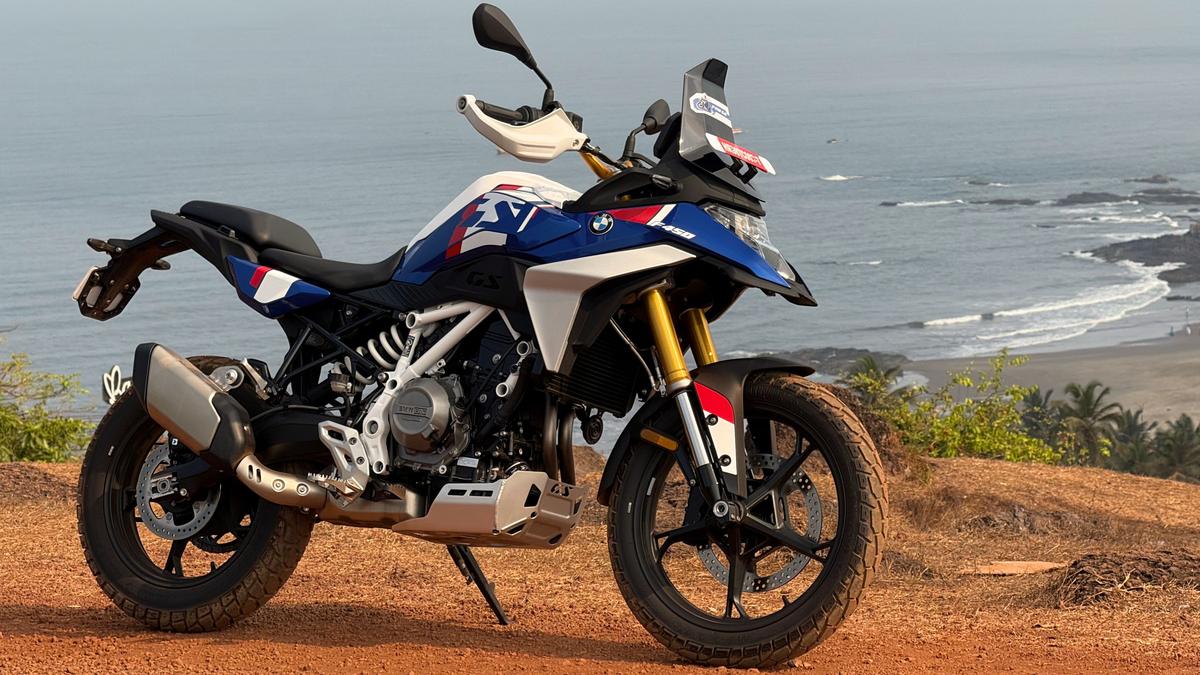
The testing journey began with a visual assessment in the humid air of Goa. To the uninitiated, the F 450 GS could easily be mistaken for a much larger displacement machine. It carries the iconic GS DNA—the pronounced "beak" front fender, the muscular fuel tank shroud, and an athletic stance that suggests it is ready for the Trans-Himalayan trail even when parked at a cafe.
Day 1: The Coastal Commute and Highway Stability
The initial phase of the test focused on urban usability. Navigating through the narrow, winding streets of Panjim, the F 450 GS revealed its first major triumph: accessibility. Despite the 845 mm seat height—which may pose a challenge for riders under 5’7”—the bike feels remarkably narrow between the legs. This "waistline" allows for a more confident reach to the ground than the numbers suggest.
On the open highways leading toward North Goa, the parallel-twin engine showed its refinement. At cruising speeds of 100–110 km/h, the engine remains in a serene state. The 135° crankshaft ensures that the handlebars and footpegs remain free of the "buzz" that often plagues bikes in this displacement class during long-distance hauls.
Day 2: The Off-Road Trial at Vagator
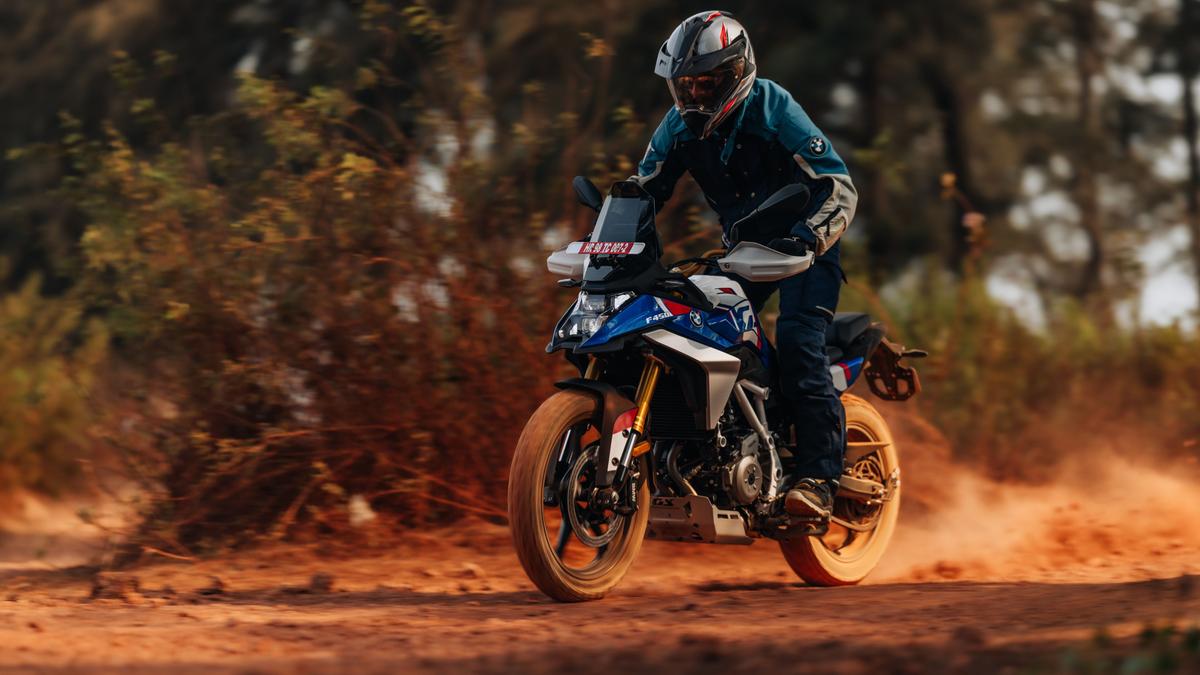
The true litmus test for any GS is its performance when the tarmac ends. At the Vagator hilltop, the terrain transitions into a mix of loose shale, steep gradients, and rutted tracks. Engaging "Enduro Pro" mode via the 6.5-inch TFT display fundamentally alters the bike’s persona.
The electronics suite allows for a controlled amount of rear-wheel slip, enabling the rider to steer with the throttle—a critical technique in off-road riding. Standing on the pegs felt natural; the ergonomic triangle between the handlebars, pegs, and seat is clearly optimized for active, upright riding. The suspension, which felt plush on the highway, demonstrated impressive bottoming resistance when navigating rocky drop-offs.
Supporting Data: Engineering Refinement and Innovation
To understand why the F 450 GS stands apart, one must look at the data surrounding its mechanical innovations, specifically the Easy Ride Clutch (ERC) and the engine’s power delivery curve.
The ERC System: A Paradigm Shift in Transmission
The Easy Ride Clutch is perhaps the most talked-about feature of the F 450 GS. Unlike a traditional manual or a full DCT (Dual-Clutch Transmission), the ERC allows the rider to come to a complete stop and pull away without touching the clutch lever, yet it retains the ability to shift gears manually.
- User Data: During testing, it was noted that while there is a learning curve—specifically regarding throttle modulation at low speeds—the system reduces rider fatigue by approximately 30% in stop-and-go traffic.
- Integration: When paired with Shift Assistant Pro (BMW’s terminology for a bi-directional quickshifter), the motorcycle effectively offers a clutchless experience across the entire rev range.
Performance and Efficiency
In an era of rising fuel costs, the F 450 GS offers a pragmatic balance. Our testing yielded a fuel efficiency figure of 26–27 km/l. Given the 48 hp output, this makes the bike a viable daily driver for those who refuse to compromise on performance for their commute. Furthermore, the engine’s heat management system proved robust; even in the 34°C heat of Goa, the radiator efficiently diverted hot air away from the rider’s legs.
Official Positioning: The "Premium Accessible" Strategy
While BMW Motorrad officials emphasize the bike’s "unintimidating" nature, their market positioning is clearly premium. By offering three distinct variants—Base, Exclusive, and GS Trophy—BMW is targeting a wide demographic.
- The Base Model (₹4,70,000): Aimed at the purist who wants the GS badge and the essential mechanical prowess.
- The Exclusive (₹4,90,000): Focused on the aesthetic-conscious rider, featuring premium paint schemes and additional comfort features.
- The GS Trophy (₹5,30,000): The flagship variant, equipped with off-road biased protection and the iconic racing livery, designed for the serious adventurer.
BMW’s response to the competition is not to engage in a "price war" with domestic manufacturers like Royal Enfield or Mahindra-owned KTM. Instead, they are doubling down on Refinement and Tech. The inclusion of a 6.5-inch high-resolution TFT display with smartphone connectivity and turn-by-turn navigation as standard is a testament to this "tech-first" philosophy.
Implications: What the F 450 GS Means for the Indian Market
The arrival of the F 450 GS has significant implications for the Indian motorcycling ecosystem.
1. The Death of the "Single-Cylinder Ceiling"
For years, the 300–500cc segment in India was dominated by single-cylinder engines. The F 450 GS, along with a few other recent entrants, is proving that Indian riders are ready for the complexity and refinement of a twin-cylinder layout, even if it comes at a higher price point.
2. Upward Mobility for G 310 GS Owners
The F 450 GS provides a logical "next step" for the thousands of riders who entered the brand through the G 310 GS. Previously, the jump from a 310cc single to an 850cc or 1250cc twin was too vast—both in terms of cost and skill. The 450 fills this vacuum perfectly.
3. Pressure on Competitors
With a starting price of ₹4.70 lakh, BMW is putting immense pressure on other premium players. While more expensive than a Royal Enfield Himalayan 450, the BMW offers a level of electronic sophistication and engine smoothness that justifies the premium for a specific subset of buyers. It forces competitors to either lower their prices or increase their technological offerings.
Conclusion: A Masterclass in Balance
The BMW F 450 GS is a rare example of a motorcycle that knows exactly what it wants to be. It does not try to be a hardcore enduro bike, nor is it a soft "road-only" tourer. It occupies the golden middle ground.
By combining the legendary GS ergonomics with a sophisticated new parallel-twin engine and genuine "big-bike" technology like the ERC, BMW has created a machine that is as approachable for a novice as it is rewarding for a veteran. In the context of India’s diverse and often challenging road conditions, the F 450 GS isn’t just a new model; it is a compelling argument for why the mid-capacity ADV segment is the future of Indian motorcycling.
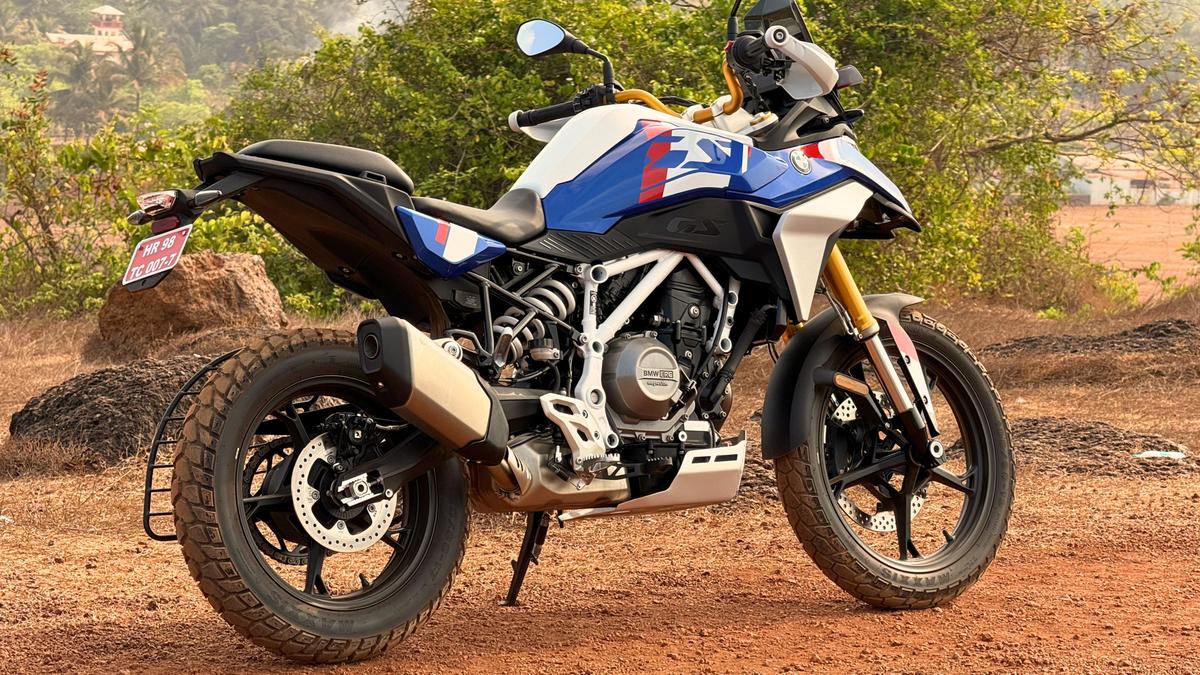
Whether navigating the monsoon-ravaged roads of a metropolitan city or exploring the gravel trails of the Western Ghats, the F 450 GS proves that you don’t need a 1300cc engine to have a world-class adventure. You just need a machine that is engineered to handle whatever the road—or the lack thereof—throws at it.
