

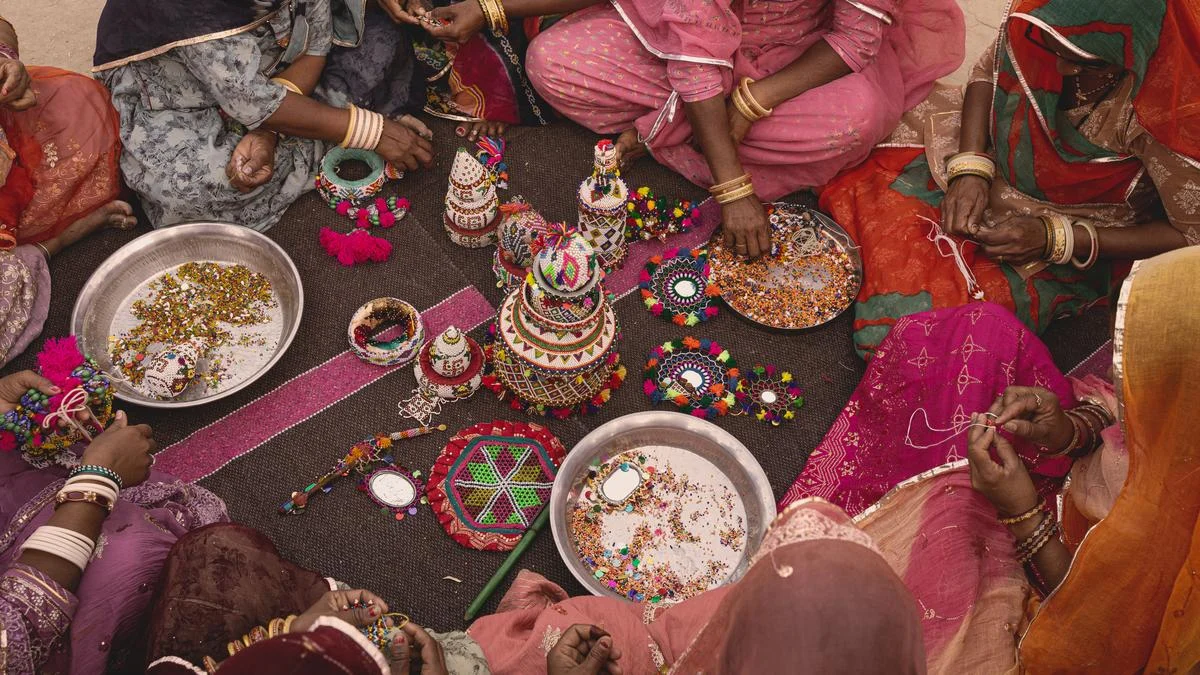
London, UK – Long before the rhythmic clinking of Venetian glass beads found its way to the bustling bazaars of East Africa through Gujarati traders, the Indian subcontinent was already a vibrant hub of intricate beadwork. The ancient Indus Valley Civilisation, flourishing millennia ago, laid the foundation for a rich terracotta bead-making tradition that echoed through the regions of Kutch and Kathiawar. This profound cultural lineage, a testament to the enduring artistry of its people, is precisely what husband-and-wife duo Puja and Kunal Shah, founders of the fine jewellery brand Moi, sought to illuminate with their latest capsule collection, "Serai."
Their journey into this artisanal world began two years ago, driven by a desire to create jewellery that transcended mere adornment, aiming instead for pieces that qualified as "rare collectables" and were initially intended for exclusive offline engagement. "We were looking to curate a jewellery collection that qualified as rare collectables and was only available offline," explains Puja Shah, a seasoned jewellery designer with a distinguished background from The Fashion Institute of Technology in New York, and prior experience at esteemed institutions like the Brooklyn Museum and The Metropolitan Museum of Art. "Searching for inspiration, we toured Kutch looking for motifs and textiles that came with a solid backstory."
This immersive exploration into the heart of Kutch yielded Moi’s acclaimed "Kutch Collection," launched the previous year. This collection not only highlighted the region’s distinctive jewellery-making traditions but also garnered significant international attention. Notably, a striking bird brooch from the "Kutch Collectibles" line was famously worn by Isha Ambani at the prestigious Met Gala, catapulting the ancestral craft onto a global stage.
A Legacy Woven in Beads: From Ancient Roots to Pastoral Communities
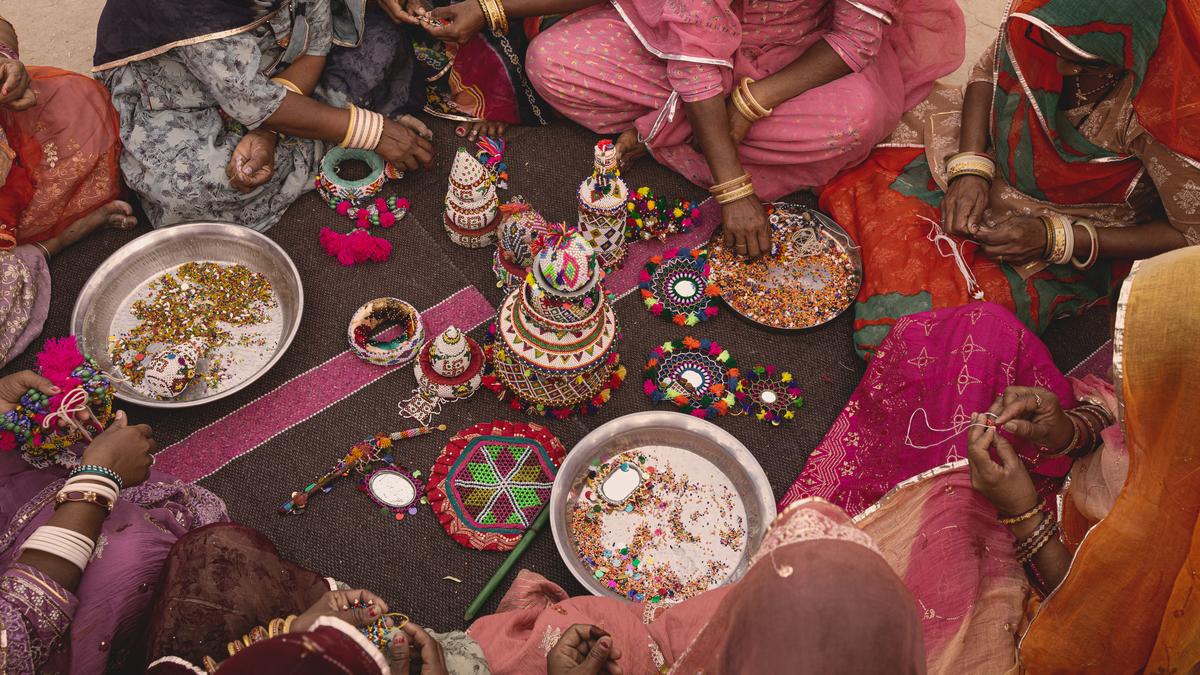
Kunal Shah elaborates on the historical tapestry that underpins this craft, tracing its evolution through centuries of cultural exchange and adaptation. "It was during the 15th and 17th centuries that communities like Rabaris, Sindh Jats, and Ahirs started working with Venetian glass beads," he notes. This period marked a significant intersection of indigenous artistry with imported materials, leading to the creation of exquisite beaded jewellery. The motifs often drew inspiration from the region’s renowned textile crafts, such as Patola and Bandhani, yet each community retained its unique beading techniques and stylistic signatures. "A lot of motifs were inspired by the region’s traditional textile crafts Patola and Bandhani, but each community had its distinct beading techniques and motifs. Most of this beaded jewellery was made by women and was an integral part of the bride’s trousseau." This intimate connection between beadwork and personal adornment, particularly for brides, underscores its deep cultural significance.

The remarkable reception of the "Kutch Collection" among the urban elite and on the international fashion circuit spurred the duo to broaden their research. Their focus shifted to the pastoral communities spread across western India, a move that led them to an invaluable ally: Princess Gauravi Kumari of the erstwhile royal family of Jaipur. Princess Gauravi, a champion of Indian heritage crafts, became Moi’s cultural collaborator, generously providing access to the intricate beadwork of the Meghwal community in Rajasthan.
"Serai": A Nomadic Narrative in Jewels
This expanded research and collaboration have culminated in Moi’s latest collection, "Serai," set to make its debut at the prestigious London Crafts Week (May 13-16). The collection will be presented alongside the exhibition, Unbound by Beads: Migration, Memory & Memory, a poignant exploration of beadwork as a narrative medium. This exhibition is a collaborative effort with the Princess Diya Kumari Foundation (PDKF) Artisan Collective, an initiative founded by Princess Gauravi herself to empower rural Indian women artisans.
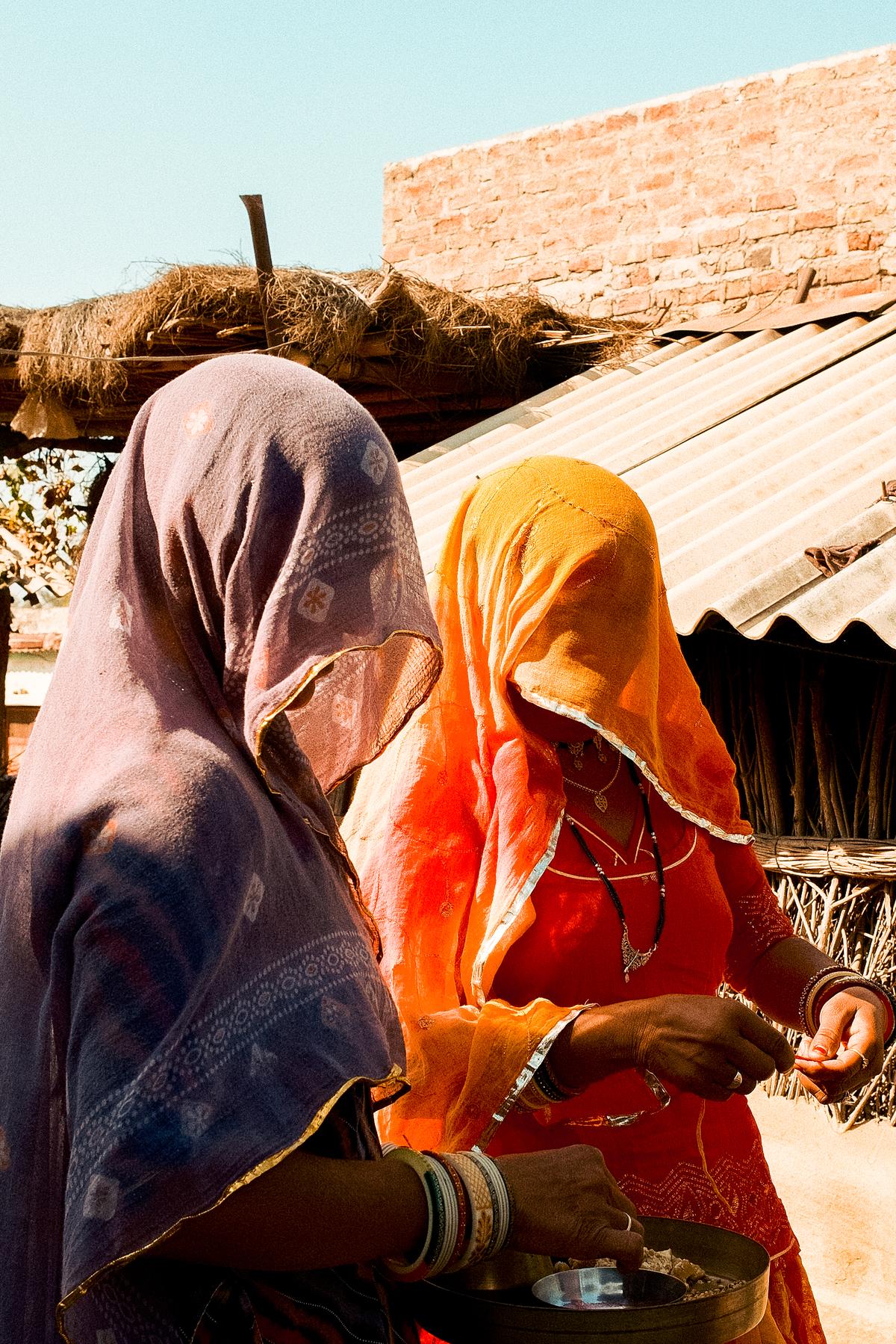
The serendipitous connection with Princess Gauravi proved instrumental in accessing the remote communities of Rajasthan. "We were serendipitously acquainted with Gauravi through a common friend and had it not been for her, it would have been hard to find these pastoral communities of Rajasthan," Kunal shares. "They stay in small hamlets near Barmer and migrate in search of water and work." This nomadic lifestyle, intrinsically linked to their survival and cultural identity, became the very inspiration behind the title of both the exhibition and the collection.
"The word ‘unbound’ comes from beadwork becoming the artistic expression of women in these communities, while ‘migration’ refers to their nomadic lifestyle," explains Puja. "We refer to ‘memory’ because beadwork techniques are passed down from a mother to her daughter, and the material too differs from one community to another. The Rabaris, for instance, use many different shapes of beads." This layered meaning encapsulates the essence of the project, highlighting beadwork not just as an art form but as a living repository of cultural knowledge and experience. The word "Serai" itself, meaning "a resting place for the caravan of nomads/tribes," further resonates with this theme of journey and sanctuary.
An Exhibition of Depth and Diversity
The Unbound by Beads exhibition promises a comprehensive showcase of India’s rich beadwork heritage, featuring a total of 35 beaded objects, including 12 exquisite jewellery pieces from Moi’s "Serai" collection. The artefacts have been thoughtfully categorized into three distinct sections: Self-Consumption, Ceremonial, and Self-Expression, offering a nuanced understanding of how beadwork is integrated into the lives of these communities.
Section 1: Self-Consumption – Adorning the Everyday
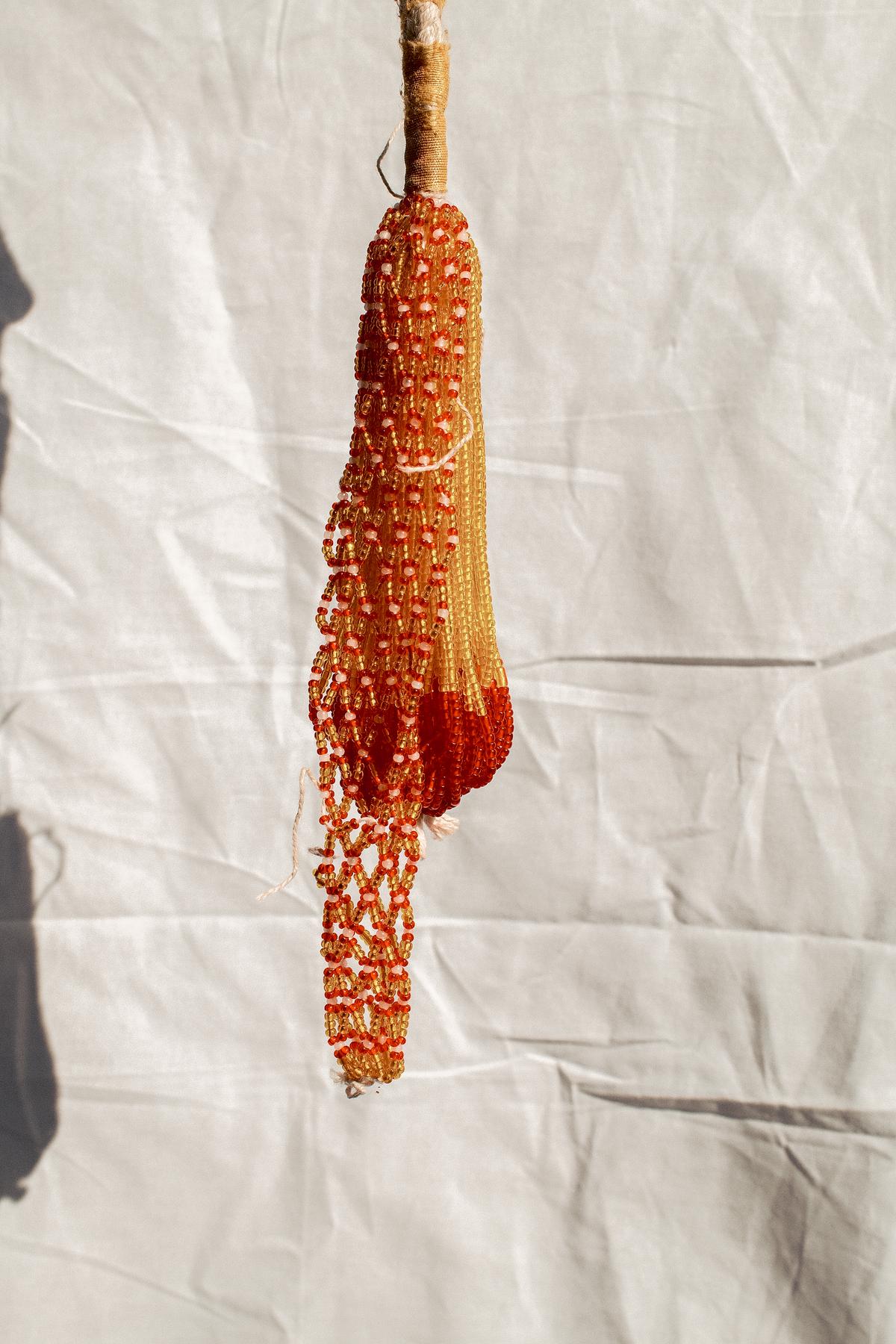
The "Self-Consumption" segment will present a curated selection of beaded adornments for personal use. This includes intricate neckpieces, bangles, bhajubands (armlets), and ear accessories. These pieces, crafted for personal wear, reflect the daily aesthetic sensibilities and artisanal skills of the communities. The exhibition aims to highlight how these handcrafted items are not merely functional but also deeply personal expressions of identity and beauty.
Section 2: Ceremonial – Adornments for Life’s Milestones
The "Ceremonial" section delves into the significant role beadwork plays in cultural rituals and life-cycle events. This part of the exhibition will showcase beadwork tied to marriage customs, dowry trousseaus, and public celebrations. Visitors can expect to see an array of items integral to these ceremonies, such as a pair of beaded anklets, a bhajuband, a waistchain, a sehra (a traditional headdress worn by grooms, with some pieces dating back 60-65 years), and a protective covering for a sword – all part of the groom’s wedding attire. The collection also extends to beaded dandiya sticks and even rolling pins adorned with bead embellishments, illustrating the pervasive presence of this art form across various aspects of communal life.
Section 3: Self-Expression – Everyday Objects Transformed
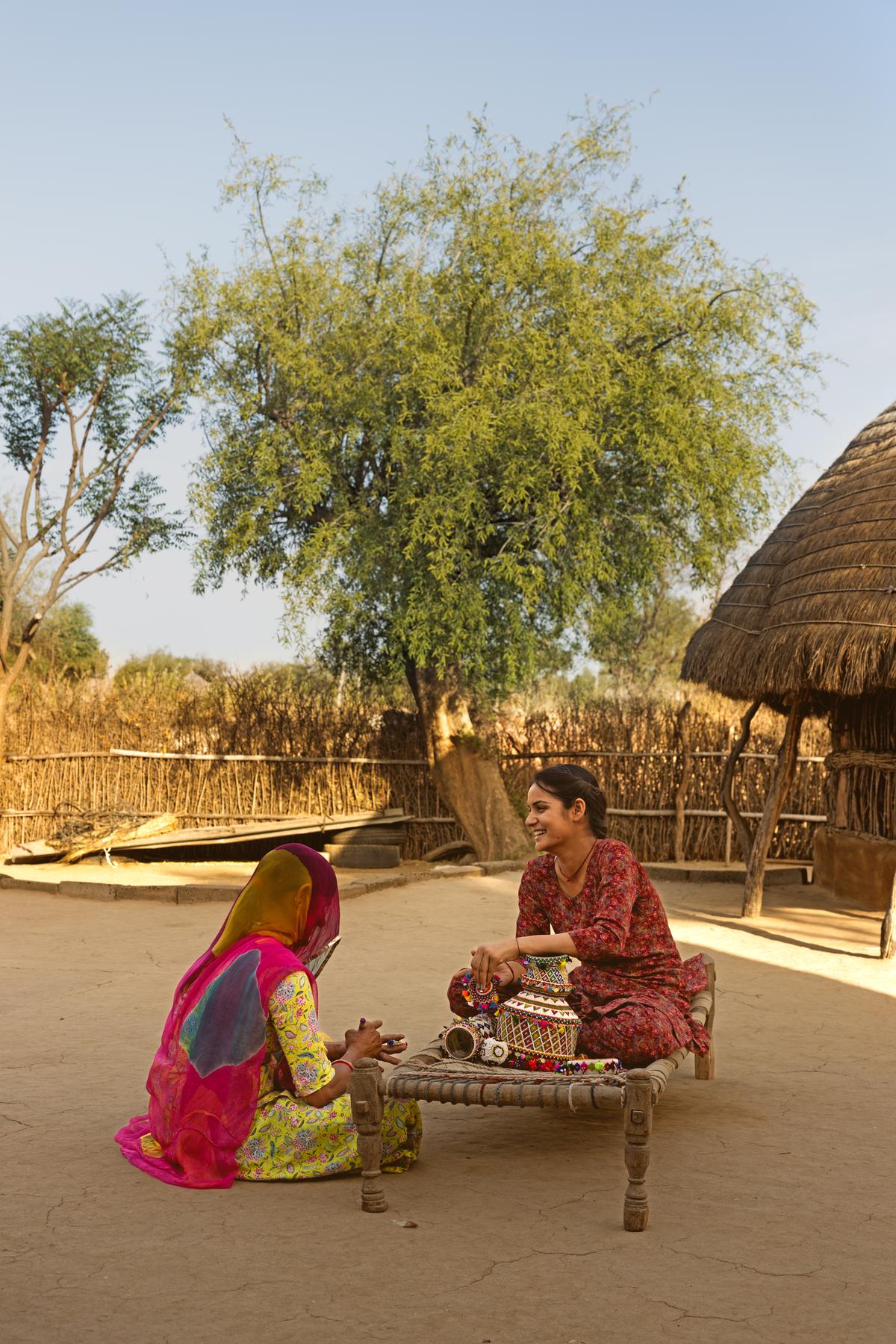
The "Self-Expression" segment focuses on everyday objects that have been transformed into works of art through beadwork. This section features items that speak to the resourcefulness and creativity of the artisans. Among the displayed pieces are a beaded pankha (fan, some dating back 90-95 years), makhiyaro (a decorative ornamentation used for embellishing cattle, also 90-95 years old), beaded coconuts (samaiyo), and beaded pots (indhoni; around 45 years old). Also featured is the Shindga, an item resembling a horn, used as a decorative piece or a cradle toy and considered an icon of good omen. Adding a touch of historical grandeur, the collection includes a set of three glass-framed chaklas (decorative hangings) sourced from a Christie’s auction, demonstrating the enduring appeal and collectibility of these beaded artefacts.
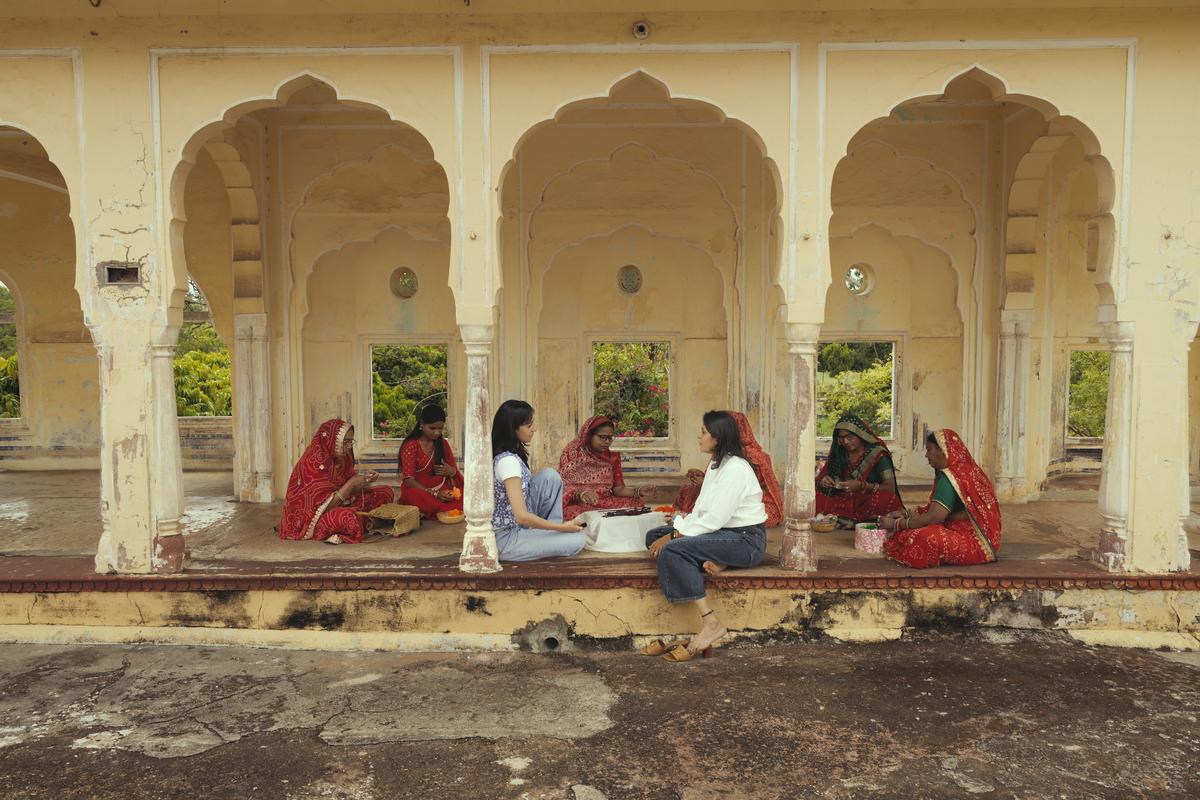
Puja Shah clarifies the provenance of the exhibited items: "All the exhibited objects, except the ones from ‘Serai,’ are the property of Moi. Some were purchased directly from these communities, while others were bought from antique dealers or auction houses." This meticulous acquisition process ensures the authenticity and historical significance of each piece.
"Serai": A Contemporary Interpretation of Heritage
While the exhibition provides a historical and cultural context, Moi’s "Serai" collection offers a contemporary interpretation of these ancestral techniques. The collection champions beadwork alongside other intricate jewellery-making traditions such as enamelling and filigree. These limited-edition earrings, brooches, and necklaces are crafted with a discerning eye, featuring natural gemstones, diamonds, and pearls meticulously set in 14 and 18-carat gold.
"Though I am partial to all 12 pieces in the capsule, a must-see are two ear pendants and a brooch that have been inspired by Rohida (Tecomella undulata), the official state flower of Rajasthan," Puja reveals, highlighting specific pieces that embody the collection’s spirit. She further elaborates on the cultural resonance of the "Madaliya Necklace" from the "Serai" collection: "Across Gujarat and Rajasthan, the tawiz ka kantha has been worn close to the body as a cord-strung amulet necklace that carries within it the weight of protection, faith and belonging. The Madaliya Necklace from Serai draws from this archival silver necklace and is studded with sapphires, pearls, tourmaline barrels banded in diamond pave, fluted purple amethyst cabochon, citrine amulets – all held together by a silk cord tassel closure tipped in beads." This exquisite piece exemplifies the fusion of ancient symbolism with contemporary luxury, transforming a traditional amulet into a statement of modern elegance.
Beyond Ornamentation: Beadwork as a Living Archive
As "Serai" journeys from the vast salt deserts of Kutch and the nomadic settlements of Barmer to the sophisticated galleries of South Kensington, Moi’s exhibition makes a powerful statement. It argues that beadwork is far more than mere ornamentation; it is a "living archive of movement, memory, and survival." The intricate patterns, the choice of materials, and the very techniques employed are a testament to the resilience, adaptability, and rich cultural tapestry of the communities that create them.
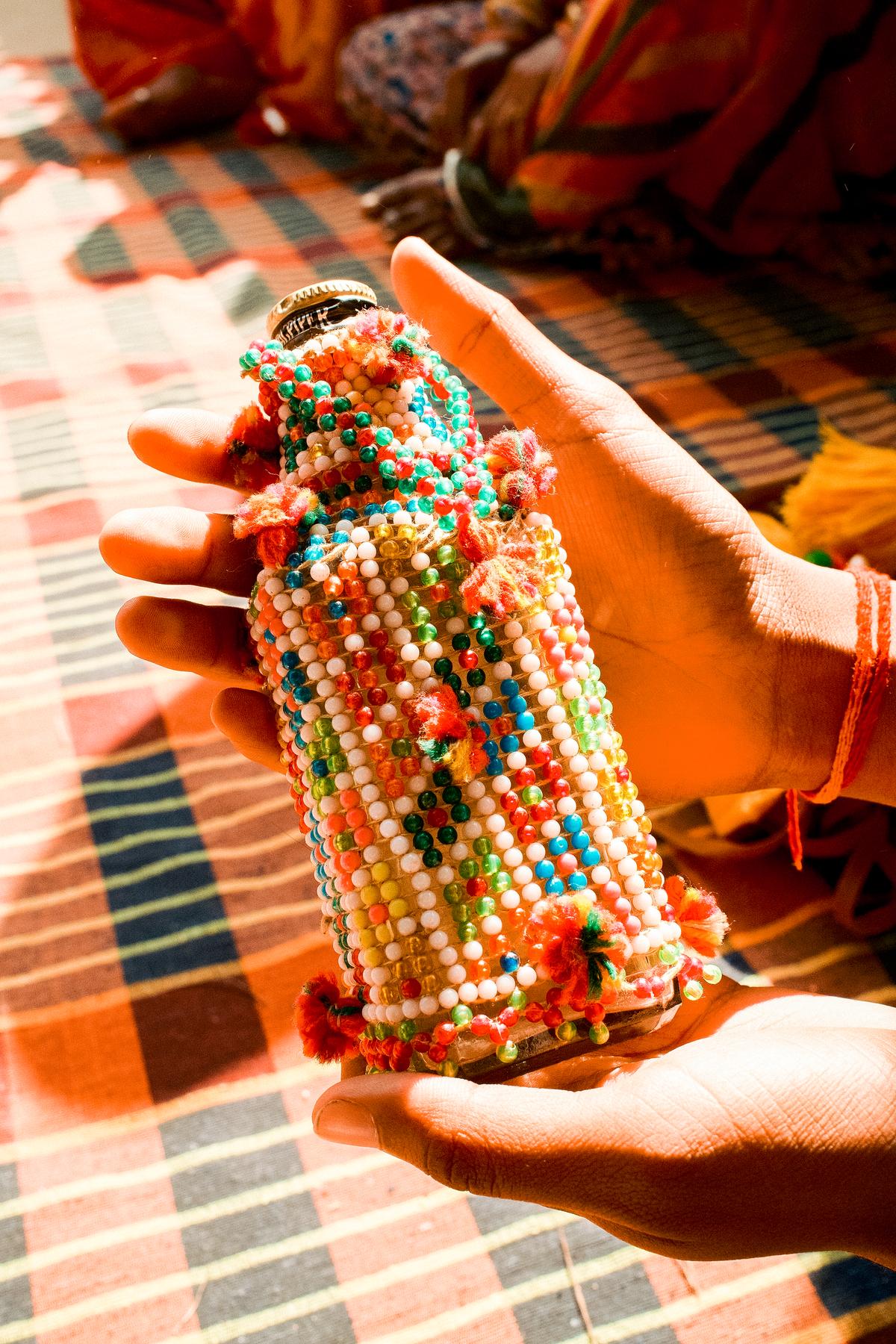
Moi’s collectible jewellery, therefore, serves a dual purpose: to celebrate and preserve these fragile cultural languages before they potentially fade into the annals of history, and to offer discerning collectors pieces that are not only beautiful but also imbued with profound stories and heritage.
Stringing Narratives: The Techniques Behind the Art
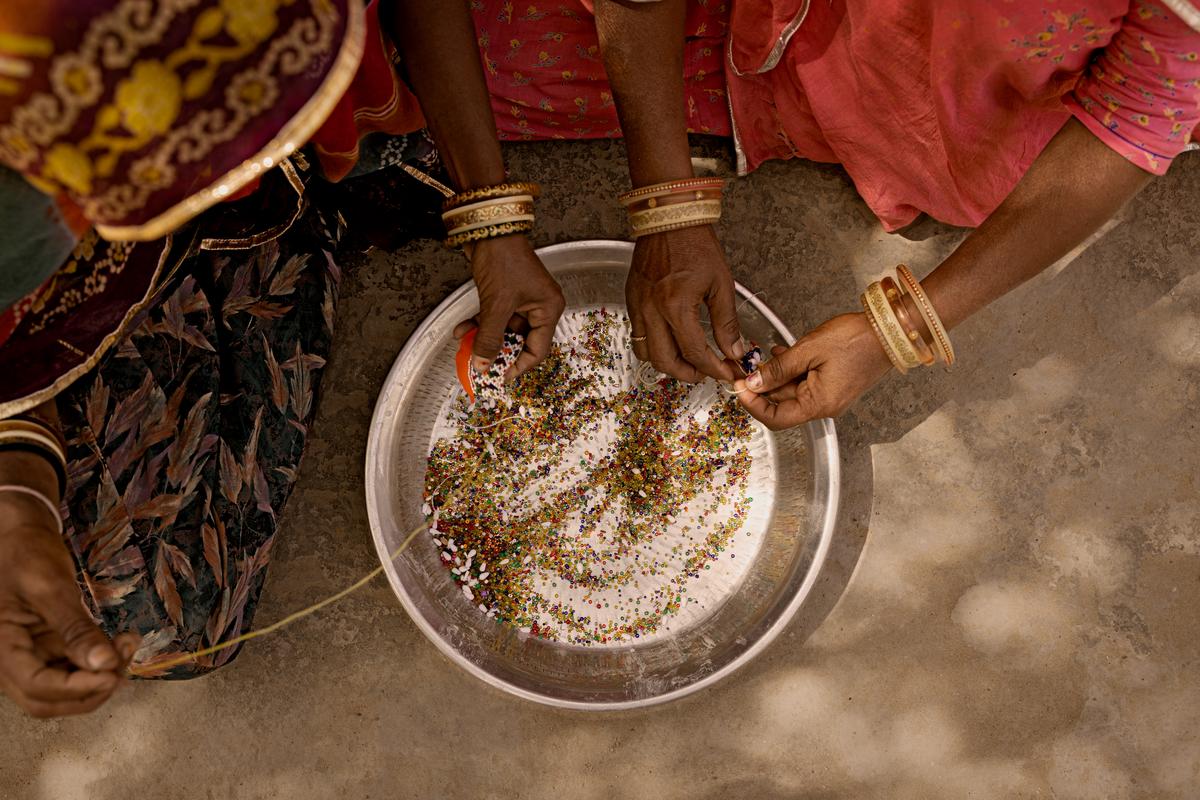
Moi’s extensive research has also shed light on the fundamental techniques that underpin the intricate beadwork craft. Understanding these methods offers a deeper appreciation for the skill and artistry involved:
-
Mono-Bead Method (ekamoti-nu): In this technique, a single bead is threaded at a time. This allows for exceptional control, enabling artisans to create tighter, denser, and more intricate patterns, ideal for creating solid surfaces and detailed designs.
-
Tri-Bead Method (tran-moti-no kaam): Here, three beads are worked together in a single thread. This method is particularly suited for creating flexible, net-like constructions, making it ideal for hanging elements, borders, and garments that require a degree of drape and movement.

-
Five-Bead Method (paanch moti no kaam) and Seven-Bead Method (saath moti no kaam): Building upon the principles of the tri-bead method, these techniques involve working with five or seven beads simultaneously. This allows for the creation of more complex lattice-like structures and geometric patterns, adding depth and dimension to the beadwork.
These distinct techniques, passed down through generations, form the backbone of the beadwork traditions explored in the exhibition and showcased in the "Serai" collection. They represent a sophisticated understanding of material, form, and aesthetic that has evolved over millennia.
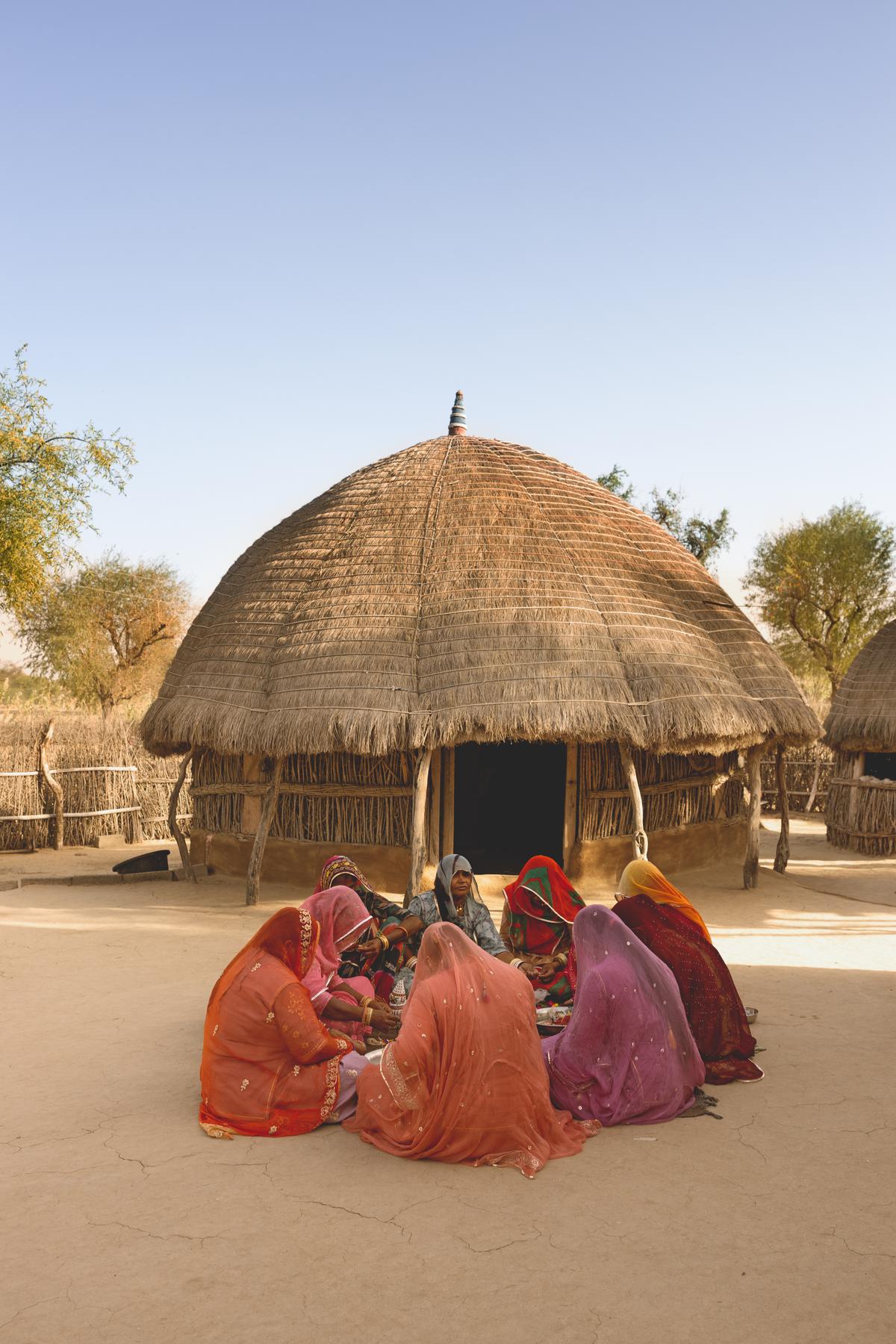
The exhibition and collection serve as a poignant reminder of the cultural richness embedded within these seemingly simple beads, transforming them into a powerful medium for storytelling, identity, and survival. Moi’s endeavor to bring these narratives to a global audience ensures that this vibrant heritage continues to inspire and endure.
Moi’s "Serai" collection and the exhibition "Unbound by Beads: Migration, Memory & Material" will be on view at The Lavery in South Kensington, London, from May 13 to 16 (10 am–7 pm). The limited edition "Serai" collection starts at $10,000.
