

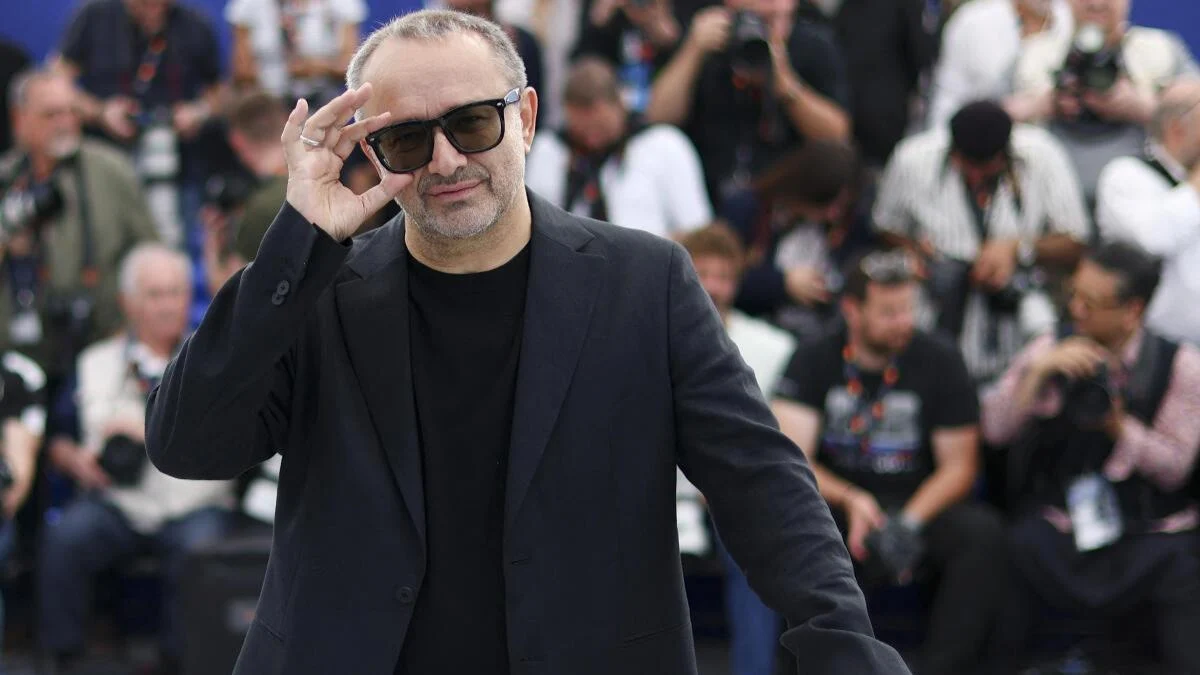
Cannes, France – May 22, 2026 – Russian auteur Andrey Zvyagintsev has once again captivated and disturbed the global cinematic community, this time with the premiere of his latest film, "Minotaur," at the prestigious 79th Cannes Film Festival. The film, which bowed to a thunderous reception on Tuesday evening, is a stark and unflinching exploration of murder, corruption, and the pervasive shadow of Russia’s ongoing conflict in Ukraine. Set against the backdrop of mandatory conscription and the unsettling mobilization of young men, "Minotaur" has immediately positioned Zvyagintsev as a formidable contender for the coveted Palme d’Or, cementing his reputation as one of contemporary cinema’s most vital and courageous voices.
A Masterclass in Subtext: Unpacking "Minotaur’s" Political Resonance
While ostensibly a domestic drama centered on a married couple, "Minotaur" pulsates with potent political undertones that resonate deeply with the current geopolitical climate. The film masterfully weaves a narrative where personal turmoil becomes an inescapable mirror to national anxieties and moral compromises.
The narrative’s focal point is Dmitriy Mazurov, portraying the chief executive of a formidable shipping company. As Russia’s full-scale invasion of Ukraine commenced in February 2022, Mazurov finds himself under immense pressure, tasked with supplying a quota of 150 workers to the escalating war effort. This external demand intrudes upon his increasingly fractured personal life, as he simultaneously embarks on an investigation into his wife’s suspected infidelity. Iris Lebedeva delivers a nuanced performance as the wife, whose personal struggles become inextricably linked to the larger national crisis. As "Minotaur" unfolds, the couple’s fractured family dynamic transforms into a chilling allegory for the deceptions, savagery, and moral decay that have become synonymous with the ongoing conflict.
Director Zvyagintsev articulated the urgency behind his creative endeavor, stating to reporters on Wednesday, "It was important for me to make this film given the current Russian context. It was a perfect pretext to say some important things." His words underscore a career-long commitment to using the intimate canvas of filmmaking to address profound societal and political issues, often with a subtlety that belies their profound impact.
A Resilient Return: Zvyagintsev’s Triumphant Journey Back to Cannes
The premiere of "Minotaur" marks a significant and deeply personal triumph for Andrey Zvyagintsev. His previous works, "Leviathan" (2014) and "Loveless" (2017), both garnered critical acclaim and achieved Oscar nominations, establishing him as a leading figure in international cinema. However, Zvyagintsev’s artistic journey has been punctuated by immense personal challenges.
During the global pandemic, a severe illness necessitated an induced coma for 40 days, followed by a grueling period of recovery in a German clinic where he had to relearn basic motor functions, including walking and holding utensils. This harrowing experience, coupled with the subsequent relocation of his family to Paris in 2022, where he still resides, adds a layer of profound resilience to his return to the festival circuit.
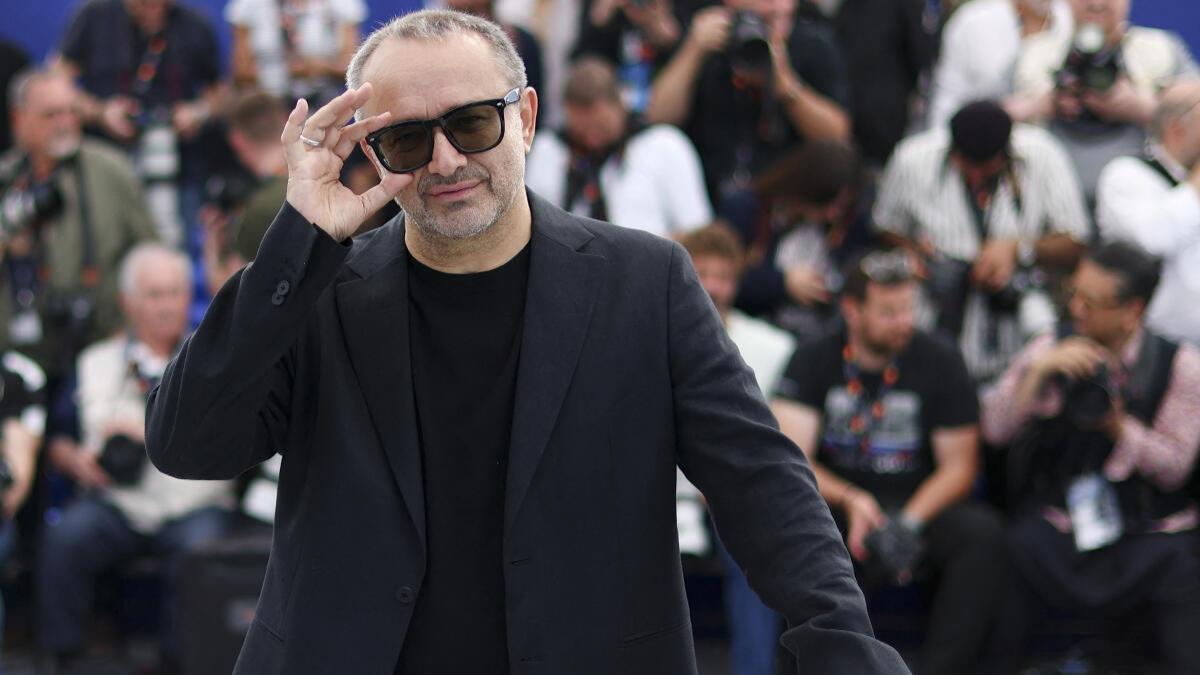
"It’s one of the greatest things that’s happened to me over these last nine years," Zvyagintsev remarked about his return to Cannes, a festival that has served as a crucial platform for his previous critically lauded films. "Coming back after such a lengthy absence to the Cannes Film Festival is an absolutely incomparable event." His words reflect not only his professional satisfaction but also a deep personal connection to the festival that has recognized and championed his artistic vision.
A History of Provocation: Zvyagintsev’s Evolving Relationship with Russian Authority
Zvyagintsev’s career has been characterized by films that, while not overtly political in their overt messaging, have consistently offered sharp critiques of the Russian government and its societal impact. His earlier works, produced within Russia, often faced significant backlash from official channels. The Russian Ministry of Culture, which had partially funded "Leviathan," issued a scathing condemnation of the film, accusing it of "openly spitting on" the government.

"Minotaur" represents a significant shift in his filmmaking practice, being the first film he has directed outside of Russia, with principal photography taking place in Latvia. This geographical separation, however, has not diminished his connection to his homeland or his ability to dissect its complexities.
"I perhaps lost a link when I left Russia six years ago, but I know what I’m talking about," Zvyagintsev asserted. "I know how the people think, how they react, how they go about things. I know a lot about corruption, too, which has developed in the country." This statement highlights his deep understanding of the Russian psyche and the pervasive nature of corruption, themes that are intrinsically woven into the fabric of "Minotaur."
The Art of Restraint: Zvyagintsev’s Approach to Political Filmmaking
While Zvyagintsev’s personal stance on the current political landscape is clear, he deliberately abstains from making overt political pronouncements in his directorial work. This conscious choice, he explained, is a strategic one aimed at preserving the integrity and impact of his artistic message.
"I didn’t want to make the most of the politics because that would discredit what you hear," the director explained. "It was better to indulge in silence and rely on gestures." This approach emphasizes his belief in the power of visual storytelling and nuanced character development to convey profound truths. By allowing the audience to draw their own conclusions from the actions and interactions of his characters, Zvyagintsev imbues "Minotaur" with a chilling resonance that transcends explicit commentary.

Echoes of Chabrol: The Genesis of "Minotaur"
The thematic and structural underpinnings of "Minotaur" find inspiration in the work of French New Wave master Claude Chabrol, specifically his 1969 film "The Unfaithful Wife." This homage suggests a shared interest in exploring the darker aspects of human relationships and the hidden tensions within seemingly ordinary lives.
Zvyagintsev’s initial work on "Minotaur" predates the full-scale invasion of Ukraine. However, the seismic geopolitical events that transpired during his recovery period profoundly reshaped the film’s trajectory. As in his previous cinematic endeavors, the personal and the political became inextricably intertwined, with the escalating conflict seeping into the intimate narrative of a family drama.
"There’s nothing more interesting than studying a couple," Zvyagintsev mused. "Each member of a couple have to make choice, choices which call the relationship in the family into question. A family is like a battlefield." This statement encapsulates his directorial philosophy, where the microcosm of a family serves as a potent metaphor for larger societal conflicts and the difficult choices individuals are forced to make under duress.
Supporting Data and Critical Acclaim
The initial critical response to "Minotaur" has been overwhelmingly positive, with many hailing it as Zvyagintsev’s most powerful and timely work to date. Critics have lauded the film’s masterful cinematography, its taut screenplay, and the compelling performances of its cast. The film’s nuanced portrayal of the psychological toll of war and corruption has resonated deeply, drawing parallels to the existential anxieties faced by individuals within oppressive political systems.

The film’s inclusion in the main competition at Cannes signals its significant artistic merit and its potential to spark crucial dialogues on the global stage. Industry insiders and festival-goers alike are keenly anticipating the jury’s decision, with many predicting "Minotaur" to be a strong contender for major awards.
Official Responses and Wider Implications
While there have been no direct official responses from the Russian government to the premiere of "Minotaur" at Cannes, the film’s themes and Zvyagintsev’s past experiences suggest a potential for continued tension. The critical stance of the Russian Ministry of Culture towards "Leviathan" serves as a precedent for how such films are perceived by officialdom.
The broader implications of "Minotaur" extend beyond the realm of cinematic awards. In a world grappling with escalating geopolitical conflicts and the erosion of democratic values in some regions, Zvyagintsev’s film offers a vital, albeit somber, reflection on the human cost of war and the insidious nature of corruption. It serves as a powerful reminder of the importance of artistic freedom and the role of cinema in challenging dominant narratives and fostering critical engagement with pressing global issues. The film’s success at Cannes underscores the enduring power of independent cinema to provoke thought, ignite debate, and hold a mirror to the complexities of our time.
