

BUSINESS DESK, DNA INDIA
NEW DELHI, June 13, 2026 – India’s precious metals market today reflects a complex interplay of global economic forces and deeply entrenched domestic demand, as gold and silver prices continue their upward trajectory. On June 13, 2026, both commodities saw notable valuations, driven by persistent inflationary pressures worldwide, a volatile geopolitical landscape, and the consistent cultural and investment appetite within India. This detailed analysis breaks down the current market scenario, explores the underlying factors, and delves into the implications for consumers, investors, and the broader Indian economy.
Executive Summary: Current Market Snapshot
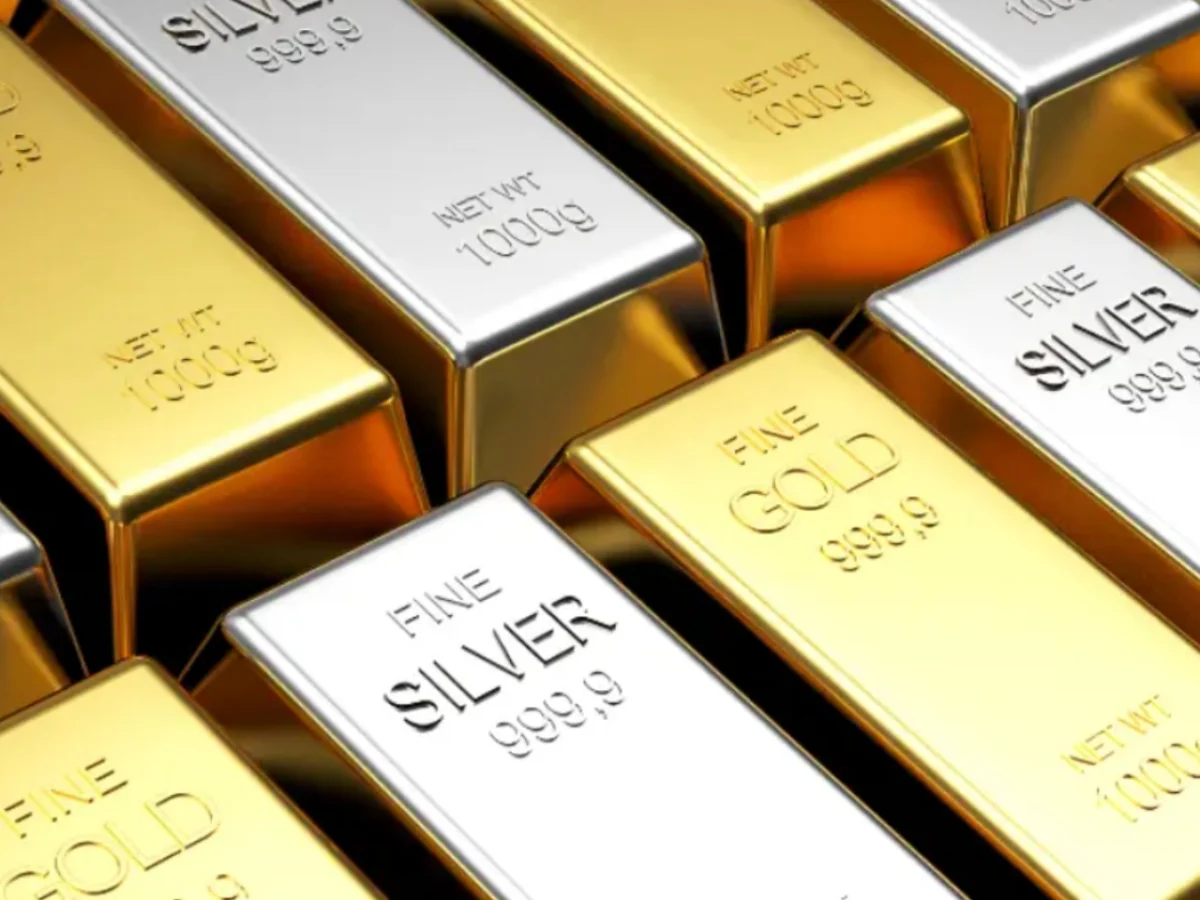
As of June 13, 2026, the Indian market for gold and silver remains buoyant. The price of 24K gold (999 purity) has reached approximately Rs 14,859 per gram nationally, while 22K gold (91.67% purity), commonly used in jewellery, stands at around Rs 13,621 per gram. Silver, a crucial industrial metal and a popular investment alternative, is trading at approximately Rs 2,60,100 per kilogram for 999 purity. These figures underscore a market influenced by global demand, the strength of the US Dollar, and crucial domestic factors such as festival and wedding seasons, which cumulatively dictate daily price movements across major Indian cities.
Gold Prices Today: A Detailed Breakdown (June 13, 2026)
The allure of gold, deeply embedded in India’s cultural fabric and economic psyche, continues to manifest in its consistent demand and valuation. Today’s prices reflect a slight but significant increase, largely attributable to its enduring status as a safe-haven asset amidst global economic uncertainties and a hedge against inflation.
)
National Averages and Purity Variations
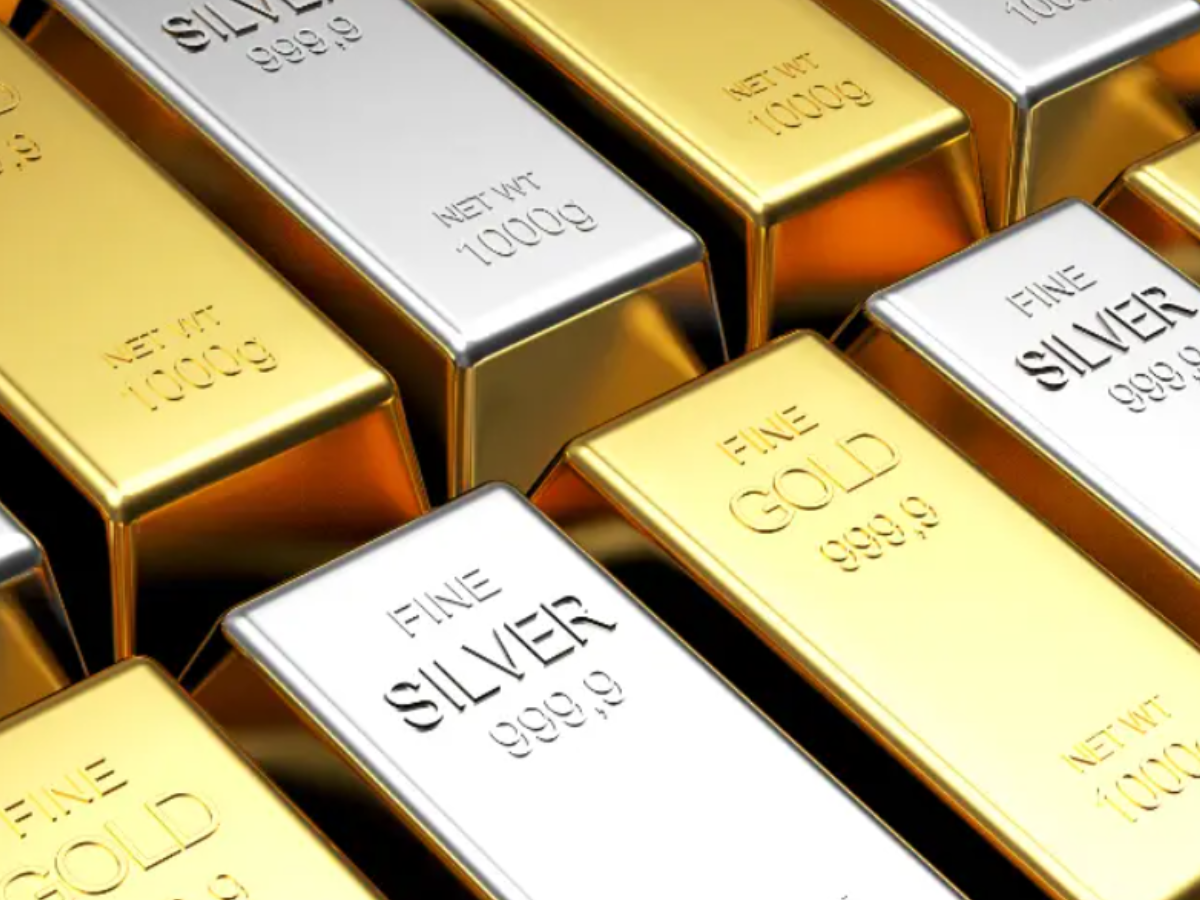
For investors seeking the purest form of the yellow metal, 24K gold (999 pure gold) is currently priced at Rs 14,859 per gram. This purity is often preferred for investments such as gold bars, coins, and digital gold. For those primarily interested in ornamental purchases, 22K gold, which constitutes 91.67% pure gold blended with other metals for durability, is trading at Rs 13,621 per gram. The difference in price between the two purities reflects the actual gold content, with 22K gold being more robust for crafting intricate jewellery.
City-Wise Gold Rates
Precious metal prices in India exhibit regional variations due to factors such as local taxes, transportation costs, and specific market demand dynamics. Here’s a city-wise breakdown for June 13, 2026:

- Gold prices in Delhi:
- 24K gold: Rs 14,583 per gram
- 22K gold: Rs 13,636 per gram
- Delhi’s rates often reflect its status as a major trading hub, with prices sometimes influenced by a robust local jewellery market and a strong investment base.
- Gold prices in Mumbai:
- 24K gold: Rs 14,859 per gram
- 22K gold: Rs 13,621 per gram
- Mumbai, as India’s financial capital, typically sets the benchmark for gold prices, with its market closely tied to international movements and commodity exchanges.
- Gold prices in Kolkata:
- 24K gold: Rs 14,859 per gram
- 22K gold: Rs 13,621 per gram
- Kolkata’s traditional gold market remains vibrant, with prices often aligning with national averages, reflecting steady demand from both retail and wholesale sectors.
- Gold prices in Chennai:
- 24K gold: Rs 15,056 per gram
- 22K gold: Rs 13,801 per gram
- Chennai often sees slightly higher prices, a phenomenon attributed to strong cultural demand for gold in South India, where it plays a central role in weddings and religious ceremonies.
Silver Prices Today: Market Overview (June 13, 2026)
While gold often captures the headlines, silver holds significant economic importance in India, both as an investment vehicle and an industrial commodity. Its dual utility contributes to its price volatility and distinct market drivers.
National Silver Rates and Purity
As of today, the price of 999 pure silver in India stands at approximately Rs 2,60,100 per kilogram. This translates to Rs 2,601 per 10 grams, a common unit for smaller purchases. For those interested in sterling silver, primarily used for jewellery and silverware due to its durability, Silver 925 is currently priced at Rs 2,50,100 per kilogram. Silver’s relatively lower price point compared to gold makes it an accessible option for a broader range of investors and consumers.
)
City-Wise Silver Rates
Similar to gold, silver prices also exhibit regional variations:
- Silver price in Delhi today:
- Silver 999: Rs 2,601 per 10 grams (Rs 2,60,100 per kilogram)
- Silver price in Mumbai today:
- Silver 999: Rs 2,601 per 10 grams (Rs 2,60,100 per kilogram)
- Silver price in Kolkata today:
- Silver 999: Rs 2,601 per 10 grams (Rs 2,60,100 per kilogram)
- Silver price in Chennai today:
- Silver 999: Rs 2,651 per 10 grams (Rs 2,65,100 per kilogram)
- Chennai, reflecting its strong demand for precious metals, also shows a slightly higher rate for silver, often driven by both ornamental and industrial uses in the region.
The Driving Forces Behind Precious Metal Valuations
The daily fluctuations and long-term trends in gold and silver prices are never arbitrary. They are the cumulative result of a complex interplay of global macroeconomic indicators, geopolitical events, and specific domestic market dynamics.
)
Global Market Trends and Geopolitical Landscape
The global economic environment is perhaps the most dominant factor influencing precious metal prices.
- Inflationary Pressures: Persistent inflation in major economies, particularly the US and Europe, fuels demand for gold as a traditional hedge against the erosion of purchasing power. Investors often flock to gold when real returns on traditional assets decline.
- Interest Rate Policies: The monetary policies of central banks, especially the US Federal Reserve, are critical. Higher interest rates typically strengthen the US Dollar and make non-yielding assets like gold less attractive, as the opportunity cost of holding gold increases. Conversely, expectations of rate cuts or a dovish stance can boost gold’s appeal.
- Geopolitical Tensions: Global instability, including ongoing conflicts, trade wars, or significant political shifts (e.g., upcoming elections in major economies), invariably drives investors towards safe-haven assets. Gold’s role as a store of value in times of crisis makes it a prime beneficiary.
- Strength of the US Dollar: Gold is typically priced in US Dollars. A stronger dollar makes gold more expensive for holders of other currencies, potentially dampening demand. Conversely, a weakening dollar makes gold more affordable and can lead to price increases.
- Crude Oil Prices: Fluctuations in crude oil prices have a cascading effect on global inflation and, by extension, on gold. Higher oil prices often signal broader inflationary trends, pushing gold prices upward.
- Global Investment Flows: Institutional investments, central bank gold purchases (which have been robust in recent years), and activity in gold ETFs (Exchange Traded Funds) significantly impact global demand and price discovery.
Domestic Demand Dynamics in India
India’s unique relationship with gold and silver means that local factors exert a powerful influence, sometimes overriding global trends.
)
- Cultural Significance and Wedding Season: Gold plays an indispensable role in Indian weddings, symbolizing prosperity and security for the bride. The multi-month wedding season (typically extending from October to May, with peaks in specific months) is a period of heightened demand.
- Festive Calendar: Major festivals like Akshaya Tritiya, Diwali, and Dhanteras are considered auspicious for purchasing gold and silver, driving significant spikes in demand annually. These periods are often anticipated by jewellers and investors alike.
- Investment Demand: Beyond cultural reasons, gold and silver are seen as crucial investment assets in India, particularly in rural areas where access to formal financial instruments may be limited. They act as a hedge against inflation and a store of family wealth.
- Rural vs. Urban Demand: Rural India, which often relies on agriculture, shows demand patterns influenced by monsoon performance and agricultural income. Urban demand is more aligned with disposable incomes and investment trends.
- Economic Growth and Disposable Income: A growing economy and rising disposable incomes generally translate into increased purchasing power for gold and silver, both for consumption and investment.
The Crucial Role of Currency Fluctuations
The exchange rate between the Indian Rupee (INR) and the US Dollar (USD) is a critical determinant of domestic precious metal prices.
- USD-INR Exchange Rate: Since gold is primarily imported into India and priced in US Dollars globally, a weaker Rupee (meaning more Rupees are needed to buy one US Dollar) makes imported gold more expensive in local currency terms, even if the international dollar price of gold remains constant.
- Impact on Domestic Pricing: This direct correlation means that even minor fluctuations in the USD-INR rate can have an immediate and tangible impact on the price Indian consumers pay for gold and silver. Investors closely monitor the Rupee’s performance against the dollar for timing their purchases.
Recent Trends and Historical Context
Understanding today’s prices requires a glance at recent market movements and historical patterns.
)
A Look Back: Price Trajectories
Over the past year, precious metals, especially gold, have demonstrated remarkable resilience and, in many periods, sustained upward momentum. This has been primarily fueled by the persistent global inflationary environment that began in the post-pandemic recovery phase and was exacerbated by geopolitical conflicts. While there have been periods of consolidation and minor corrections, the overarching trend has been one of appreciation, with gold consistently breaching new psychological and technical resistance levels. Silver, benefiting from its dual role as a precious metal and an industrial commodity, has also mirrored gold’s upward trend, albeit with potentially higher volatility due to its industrial demand sensitivity.
Comparison with Previous Periods
To put today’s prices into perspective, a brief comparison helps illustrate the magnitude of change. For instance, in June 2025, 24K gold was trading around Rs 13,500 per gram, and silver was approximately Rs 2,30,000 per kilogram. This indicates a substantial increase of roughly 10-12% for gold and 13-15% for silver over the past year. This sustained growth underscores the robust underlying demand and the prevailing global economic narrative that favors safe-haven assets.
)
Expert Insights and Official Responses
To provide a comprehensive view, it is essential to incorporate expert opinions and consider the broader industry and regulatory landscape.
Market Analysts Weigh In
"The current rally in gold is not merely speculative; it’s fundamentally driven by a combination of global macroeconomic factors," stated Dr. Anjali Sharma, Chief Economist at Zenith Financial Services. "Persistent inflation, coupled with the ongoing uncertainty from geopolitical hotspots and the possibility of major central banks adopting a more dovish stance later this year, makes gold an extremely attractive asset. We anticipate gold to maintain its strong support levels, with potential to test new highs if global economic stability remains elusive."
)
Mr. Rajeev Kapoor, a veteran commodity analyst, added, "Silver’s performance is particularly interesting. While it benefits from the safe-haven appeal of gold, its industrial demand component, especially from green technologies like solar panels and electric vehicles, provides an additional layer of support. Any significant uptick in global manufacturing or infrastructure spending will likely push silver prices even higher."
Jewellers’ Perspectives and Consumer Behaviour
Jewellers across India report a mixed but generally resilient market. "Despite the elevated prices, demand for gold, especially for wedding jewellery, remains strong," noted Mr. Vijay Soni, President of the All India Jewellers’ Association. "Consumers are increasingly savvy, timing their purchases around minor dips or investing in smaller quantities. There’s also a noticeable shift towards 22K gold, given its balance of purity and affordability for ornamental purposes."
)
Some jewellers also highlight the growing interest in silver ornaments and articles, particularly in regions where silver has a strong traditional foothold. "Silver is becoming a more popular gifting option and an accessible investment," commented Ms. Priya Singh, proprietor of a boutique jewellery store in Chennai. "We’re seeing strong demand for both traditional silver jewellery and modern silver accessories."
Government Policies and Regulatory Framework
The Indian government plays a significant role in the precious metals market through various policies. Import duties on gold and silver are key levers that impact domestic prices. Any increase in these duties directly translates to higher prices for consumers. Similarly, the Goods and Services Tax (GST) applied to gold and silver, both on the commodity and the making charges, adds to the final cost. While no immediate policy changes were announced today, market participants are always watchful for any potential adjustments in duties or taxes, which can significantly alter market dynamics. The government’s push for digital gold and Sovereign Gold Bonds (SGBs) also aims to reduce physical imports and provide alternative investment avenues.
)
Implications for Consumers, Investors, and the Economy
The current high prices of gold and silver have far-reaching implications for various stakeholders.
For Indian Consumers
- Timing Purchases: For families planning weddings or festive purchases, the current price levels necessitate careful financial planning. Many consumers opt to purchase gold in installments or buy during minor market corrections.
- Consideration of Alternatives: The elevated prices might lead some consumers to consider silver, platinum, or even artificial jewellery as more affordable alternatives for certain occasions.
- Importance of Checking Daily Rates: With daily fluctuations, it becomes crucial for consumers to check the updated rates before making any significant purchase. Transparency in pricing and hallmark certification for purity are paramount.
For Investors
- Portfolio Diversification: Gold and silver continue to serve as excellent portfolio diversifiers, especially during periods of market volatility in equity or debt markets. Their low correlation with other asset classes helps mitigate overall portfolio risk.
- Inflation Hedge: In an inflationary environment, both metals act as a reliable hedge, preserving wealth against the erosion of currency value.
- Long-Term vs. Short-Term Strategy: While short-term trading can be volatile, the long-term trend for precious metals, especially gold, has historically been upward, making them attractive for patient investors.
- Alternative Investment Avenues: Beyond physical gold and silver, investors can explore options like Gold ETFs, Sovereign Gold Bonds (SGBs) issued by the government, and digital gold, which offer convenience, security, and often tax benefits.
Broader Economic Impact
- India’s Gold Import Bill: India is one of the world’s largest importers of gold. High international prices, coupled with strong domestic demand, can significantly increase India’s import bill, putting pressure on the current account deficit (CAD) and potentially impacting the Rupee’s stability.
- Contribution of the Jewellery Sector: The jewellery manufacturing and retail sector is a significant employer and contributor to India’s GDP. High gold prices can impact sales volumes for jewellers, though the industry often adapts by promoting lighter designs or alternative materials.
- Impact on Inflation Metrics: As gold is a significant household asset and consumption item, its price movements can subtly influence overall inflation perceptions and expectations within the economy.
The Road Ahead: Outlook for Precious Metals
The future trajectory of gold and silver prices will depend on a continuation of the same complex interplay of factors that influence them today.
)
Factors to Watch
- Global Economic Growth Forecasts: A slowdown in global growth could trigger further safe-haven buying, while a robust recovery might shift investment towards riskier assets.
- Inflation Trajectory: Whether inflation proves transitory or structural will be key. Persistent high inflation will continue to support gold prices.
- Central Bank Monetary Policy Decisions: Future interest rate hikes or cuts by major central banks, particularly the Fed, will significantly influence the dollar’s strength and, consequently, gold prices.
- Geopolitical Developments: Any escalation or de-escalation of conflicts and political tensions will have an immediate impact on investor sentiment towards safe havens.
- Monsoon Impact on Rural Demand: For India, the performance of the monsoon season remains crucial, as it directly affects agricultural income and, by extension, rural demand for gold and silver.
Long-Term Projections
Many analysts project a continued bullish trend for gold and silver in the medium to long term, albeit with intermittent corrections. The increasing global debt, continued geopolitical fragmentation, and the ongoing debasement of fiat currencies are structural factors that are likely to support precious metals as a core component of a diversified investment portfolio. Silver, with its growing industrial applications in the green energy sector, also holds substantial long-term potential.
Conclusion
As of June 13, 2026, the Indian gold and silver markets are dynamic and responsive to a confluence of global and local forces. While global uncertainties and inflationary pressures continue to drive up prices, India’s deep-rooted cultural affinity and robust domestic demand provide a strong floor for these precious commodities. For both consumers and investors, staying informed about these intricate market dynamics is paramount to making judicious purchasing and investment decisions in an ever-evolving economic landscape. The enduring appeal of gold and silver as stores of value and symbols of prosperity ensures their continued relevance in India’s economic narrative.
