

PERSONAL FINANCE
Mumbai, India – August 3, 2026 – India’s enduring fascination with gold and silver continues to drive a dynamic market, with prices on August 3, 2026, reflecting a complex interplay of international economic forces, robust domestic demand, and fluctuating currency exchange rates. As the nation steps further into the mid-2020s, the precious metals sector remains a critical barometer of both global stability and local sentiment, influencing investment decisions, cultural practices, and household budgets across the subcontinent.
Main Facts: A Snapshot of Today’s Precious Metal Rates
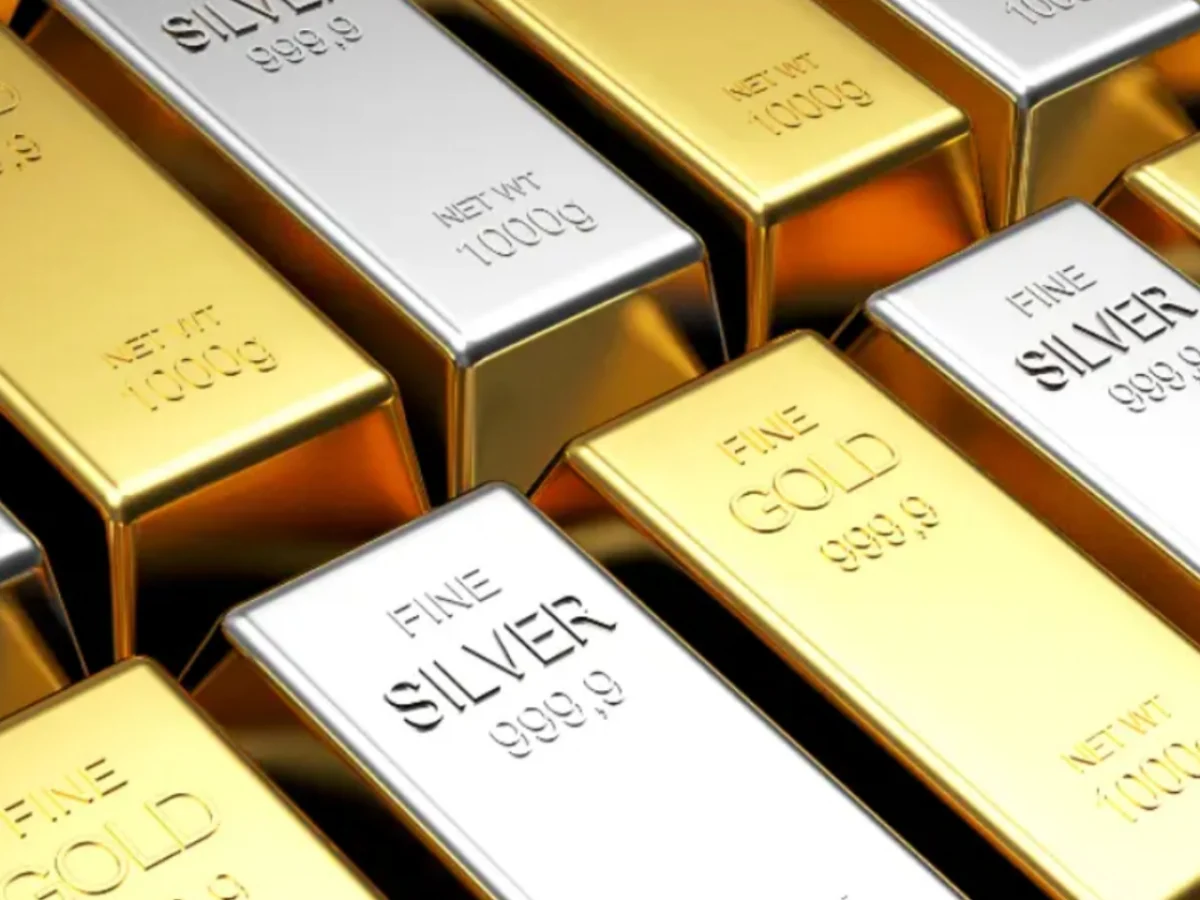
As of Monday, August 3, 2026, the Indian precious metals market opened with gold prices experiencing a marginal uptick, primarily propelled by persistent global inflationary pressures and a renewed appetite for safe-haven assets. The benchmark 24K gold (999 purity) is pegged at Rs 14,421 per gram, while 22K gold, the standard for much of India’s intricate jewellery craftsmanship, stands at Rs 13,219 per gram.
Silver, often referred to as the "poor man’s gold" but increasingly valued for its industrial applications, also maintained a firm stance. The price of 999 pure silver is recorded at approximately Rs 2,34,900 per kilogram, with Silver 925 (sterling silver) priced at Rs 2,34,000 per kilogram. These figures underscore a market sensitive to both traditional investment principles and the evolving demands of modern industry.
)
The daily fluctuations are meticulously tracked across major Indian cities, revealing subtle regional variations influenced by local taxes, logistical costs, and specific market dynamics. These daily rates are not merely numbers; they represent the pulse of a market deeply intertwined with India’s economic fabric and cultural heritage.
Chronology: Tracing the Path to August 2026
The trajectory of gold and silver prices leading up to August 2026 has been marked by a series of significant global and domestic developments. The past year, particularly since late 2025, witnessed a gradual but steady appreciation in precious metal values, driven by a confluence of factors.

Early 2025 – Mid-2025: The global economy was grappling with the aftershocks of prolonged inflationary cycles, prompting major central banks, including the US Federal Reserve and the European Central Bank, to maintain a hawkish stance on interest rates. This period saw gold consolidate its position as an inflation hedge, albeit with occasional corrections as stronger economic data or aggressive rate hike signals emerged. Silver, benefiting from its dual role as a precious metal and an industrial commodity, also saw steady demand, particularly from the burgeoning renewable energy sector.
Late 2025 – Early 2026: Geopolitical tensions in various regions intensified, leading to increased risk aversion among global investors. This invariably channeled capital towards traditional safe-havens like gold. Simultaneously, concerns about a potential global economic slowdown in 2026, despite efforts to curb inflation, further bolstered gold’s appeal. India’s domestic market saw robust demand during the festive season of Diwali 2025 and the subsequent wedding season, which provided a strong foundational support for prices. The weakening of the Indian Rupee against the US Dollar during certain periods also made imported gold more expensive in local currency terms, contributing to higher domestic prices.
)
Mid-2026 (June-July): The months immediately preceding August 2026 observed a continuation of these trends. Global equity markets experienced periods of volatility, prompting fund managers to diversify portfolios with precious metals. Central banks worldwide, including the Reserve Bank of India, continued to add gold to their reserves, signaling a strategic shift towards asset diversification and stability. This institutional buying provided a significant underpinning to gold prices. For silver, renewed optimism about industrial growth in key sectors like electric vehicles and 5G technology ensured consistent demand, preventing any substantial price corrections. The slight increase seen on August 3, 2026, can be viewed as a continuation of this upward momentum, reflecting the market’s ongoing response to persistent global uncertainties and sustained investor interest.
Supporting Data: Unpacking the Influencers
The current prices of gold and silver in India are not isolated figures but are intricately woven into a fabric of global economic indicators, domestic socio-cultural patterns, and intricate financial mechanisms.
)
Global Market Trends: The Macroeconomic Landscape
- Inflationary Pressures: A primary driver for gold’s upward movement in early August 2026 is the persistent global inflation. While central banks have made strides in taming runaway prices, underlying cost pressures, supply chain disruptions, and robust consumer spending in certain economies continue to fuel inflationary expectations. Gold historically serves as a hedge against inflation, as its intrinsic value tends to preserve purchasing power when fiat currencies depreciate.
- Interest Rate Policies: The monetary policies of major central banks, particularly the US Federal Reserve, wield significant influence. While aggressive rate hikes in previous years aimed to cool inflation, any indications of a potential pause or pivot towards rate cuts, even in the distant future, tend to make non-yielding assets like gold more attractive relative to interest-bearing instruments. The market is constantly parsing central bank statements for clues on future policy direction.
- Geopolitical Stability: Global geopolitical tensions, whether regional conflicts, trade disputes, or political uncertainties in key economic blocs, invariably trigger safe-haven buying. In times of instability, investors flock to assets perceived as secure stores of value, with gold being a prime beneficiary. This flight to safety often overrides other market dynamics.
- US Dollar Strength: Gold prices typically share an inverse relationship with the US Dollar. A stronger dollar makes dollar-denominated gold more expensive for international buyers holding other currencies, potentially dampening demand. Conversely, a weaker dollar can make gold more appealing. The current USD-INR exchange rate plays a crucial role in determining the local price of imported gold.
Local Demand: India’s Unique Consumption Patterns
India’s affinity for gold and silver is deeply rooted in its culture, traditions, and economic realities.
- Festive and Wedding Seasons: While August is not the peak of India’s festive season, the anticipation of upcoming festivals like Diwali and the subsequent wedding season significantly influences market sentiment. Many households strategically purchase gold ahead of these periods, either for personal use, gifting, or as part of bridal trousseaus. This inherent demand provides a continuous floor for prices.
- Cultural Significance: Gold is not just an investment; it’s a symbol of prosperity, status, and security. It is passed down through generations, forming an integral part of family wealth. Silver, too, holds cultural importance, particularly in specific regions and for religious ceremonies.
- Investment vs. Consumption: A significant portion of gold purchases in India is considered a form of savings and investment, particularly in rural areas where access to formal financial instruments might be limited. This intrinsic demand for wealth preservation fuels consistent buying, regardless of minor price fluctuations.
Changing Currency Rates: The Rupee’s Role
The exchange rate between the Indian Rupee (INR) and the US Dollar (USD) is a critical determinant of domestic precious metal prices. Since gold is primarily imported and priced in dollars globally, a depreciation of the Rupee against the Dollar makes gold more expensive in INR terms. Conversely, a stronger Rupee can soften the impact of international price hikes. Factors influencing the USD-INR rate include:
)
- Foreign Institutional Investment (FII) Flows: Inflows or outflows of foreign capital into Indian equities and debt markets.
- Trade Deficit: The balance between India’s imports and exports.
- Reserve Bank of India (RBI) Intervention: The central bank’s actions to manage currency volatility.
Industrial Demand for Silver: A Modern Catalyst
Unlike gold, a substantial portion of global silver demand comes from industrial applications, making its price highly sensitive to manufacturing and technological advancements.
- Renewable Energy: Silver is a crucial component in photovoltaic cells used in solar panels. The global push towards renewable energy, particularly solar power, ensures a robust and growing demand for silver.
- Electronics and Technology: Silver’s excellent conductivity makes it indispensable in electronics, including smartphones, computers, automotive components, and 5G technology infrastructure.
- Medical Applications: Its antibacterial properties make silver valuable in medical devices and wound care.
- Photography (Declining but Present): While digital photography has reduced silver’s role, it still finds use in specialized photographic applications.
The sustained growth in these sectors provides a strong fundamental support for silver prices, often cushioning it against downturns that might affect other commodities.
)
Detailed Price Breakdown: City-Wise Variations
The slight variations in prices across Indian cities reflect local taxes (like GST), transportation costs, and specific regional demand-supply dynamics.
Gold Prices on August 3, 2026:
)
- Mumbai:
- 24K Gold (999 pure): Rs 14,421 per gram
- 22K Gold (91.67% pure): Rs 13,219 per gram
- Kolkata:
- 24K Gold (999 pure): Rs 14,421 per gram
- 22K Gold (91.67% pure): Rs 13,219 per gram
- Delhi:
- 24K Gold (999 pure): Rs 14,436 per gram
- 22K Gold (91.67% pure): Rs 13,224 per gram
- Chennai:
- 24K Gold (999 pure): Rs 14,460 per gram
- 22K Gold (91.67% pure): Rs 13,255 per gram
Chennai consistently shows slightly higher rates, which can be attributed to its position as a major hub for gold trade in South India, coupled with specific local demand patterns and operational overheads. The uniformity in Mumbai and Kolkata suggests similar market conditions and taxation structures.
Silver Prices on August 3, 2026 (999 purity per 10 grams):
)
- Delhi: Rs 2,349
- Mumbai: Rs 2,349
- Kolkata: Rs 2,349
- Chennai: Rs 2,349
The uniform silver prices across these major cities indicate a more harmonized national market for silver, likely due to a relatively lower overall value per unit compared to gold, and perhaps a more standardized supply chain and taxation across regions for bulk silver.
Official Responses and Expert Analysis
The current precious metals market dynamics are closely monitored by central bankers, government officials, and commodity analysts, who offer diverse perspectives on the implications and future trajectory.
)
Reserve Bank of India (RBI) Perspective:
The RBI maintains a cautious stance on gold imports, as substantial imports can widen India’s current account deficit. While acknowledging gold’s role in household savings, the central bank also encourages diversification into financial assets. A recent statement from an unnamed RBI official highlighted, "While gold remains a preferred asset, we continuously monitor its impact on our external balance. Our policies aim to foster financial stability while allowing market forces to operate." The RBI’s own strategic accumulation of gold reserves underscores its belief in the metal’s long-term value as a hedge against global uncertainties.
Government Policies:
The Indian government has historically used import duties to manage gold inflows and protect the domestic jewellery industry. While no immediate changes to duties were announced for August 2026, the possibility of adjustments based on global prices and current account health always looms. "Our policy framework aims for a balanced approach – supporting the domestic industry while ensuring macroeconomic stability," stated a spokesperson from the Ministry of Finance. The government also promotes alternative investment avenues like Sovereign Gold Bonds (SGBs) to reduce physical gold demand and channel savings into productive investments.
)
Industry Experts and Analysts:
Commodity market analysts largely concur on the bullish sentiment surrounding precious metals in the short to medium term.
- Mr. Rajesh Sharma, Head of Commodity Research at Zenith Financial Services, remarked, "Gold’s performance in 2026 has been resilient, driven by persistent inflation fears and geopolitical undercurrents. We expect this trend to continue, especially as central banks globally may eventually pivot from aggressive rate hikes. For Indian consumers, gold remains an unparalleled store of value, particularly ahead of the upcoming festive season where demand traditionally surges."
- Regarding silver, Ms. Priya Singh, a Senior Analyst at Global Market Insights, commented, "Silver’s dual appeal as a precious metal and an industrial commodity makes its outlook robust. The sustained growth in solar energy, electric vehicles, and 5G technology ensures strong industrial demand, providing a floor to its prices. Investors should consider silver for its diversification benefits and potential for significant gains driven by technological advancements."
- Mr. Anil Gupta, President of the All India Jewellers Association, noted, "Despite higher prices, consumer sentiment remains positive. Gold and silver are integral to Indian weddings and festivals, and families continue to prioritize these purchases. We anticipate healthy demand leading up to Diwali, which could further support prices."
These expert opinions underscore a market poised for continued strength, albeit with an inherent volatility dictated by global headlines.
)
Implications: Navigating the Future of Precious Metals
The current pricing structure and market dynamics for gold and silver carry significant implications for various stakeholders, from individual consumers and investors to the broader Indian economy.
For Consumers:
- Strategic Purchases: With prices at these levels, consumers planning purchases for weddings or festivals might consider staggered buying or exploring options like digital gold or SGBs to lock in prices or benefit from government-backed schemes.
- Purity and Making Charges: Understanding the difference between 24K and 22K gold, and the impact of making charges, becomes crucial for maximizing value. Consumers are advised to purchase from reputable jewellers who offer transparent pricing and certified purity.
- Household Budgets: The sustained high prices of gold and silver can significantly impact household budgets, particularly for middle-income families for whom these metals represent substantial investments or necessary cultural expenditures.
For Investors:
- Safe-Haven Appeal: Gold and silver continue to serve as vital components of a diversified investment portfolio, offering a hedge against inflation, currency depreciation, and economic uncertainty.
- Diversification: Investors are encouraged to diversify beyond physical gold into gold ETFs, gold mutual funds, or Sovereign Gold Bonds, which offer liquidity, security, and often tax benefits without the hassle of physical storage.
- Risk Assessment: While the outlook appears positive, investors must remain cognizant of potential risks, including sudden shifts in global monetary policy, a significant de-escalation of geopolitical tensions, or a stronger-than-expected recovery in equity markets, which could divert capital away from precious metals.
For the Indian Economy:
- Current Account Deficit: High gold imports, driven by strong domestic demand, can exacerbate India’s current account deficit, putting pressure on the Rupee. The government and RBI remain vigilant in managing this balance.
- Financialization of Savings: The government’s push for the financialization of savings aims to divert household savings from physical gold into financial instruments, thereby mobilizing capital for productive investments and reducing the reliance on imports.
- Jewellery Sector Growth: Despite higher raw material costs, the robust domestic demand continues to support India’s vibrant jewellery manufacturing sector, which is a significant employer and exporter. Innovation in design and marketing will be key to sustaining growth.
Long-Term Outlook:
Looking beyond August 2026, the long-term outlook for precious metals appears generally favourable. Gold is expected to maintain its role as a fundamental store of value, particularly in an era characterized by ongoing global economic recalibrations and geopolitical flux. Silver’s future is further bolstered by its irreplaceable role in green technologies and the broader industrial revolution, suggesting a growing demand trajectory independent of its monetary function. While short-term volatility is inevitable, the intrinsic value, cultural significance, and strategic utility of gold and silver ensure their enduring importance in India’s economic and social landscape. As global markets evolve, these precious metals will continue to reflect both the anxieties and aspirations of a nation deeply connected to their gleam.
