

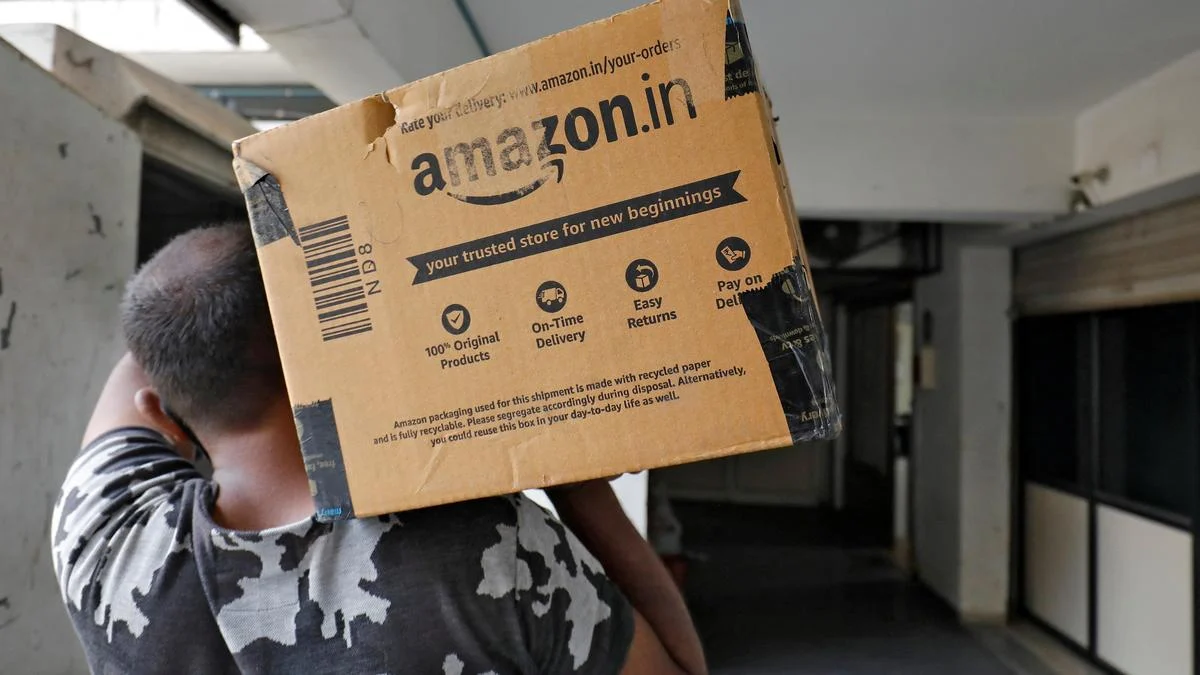
NEW DELHI, India – August 3, 2026 – E-commerce behemoth Amazon India has officially announced its much-anticipated "Great Freedom Sale," slated to commence on August 7, 2026, at the stroke of midnight. The annual shopping extravaganza, strategically timed to coincide with India’s Independence Day celebrations, promises a cascade of discounts, exclusive offers, and banking incentives across an exhaustive range of product categories, accessible to both Prime and non-Prime members nationwide. This announcement sets the stage for a significant surge in online retail activity, as consumers prepare to leverage the short-term deals and financial benefits in a market increasingly sensitive to price fluctuations and technological advancements.
The Great Freedom Sale is more than just a promotional event; it’s a strategic move by Amazon to capture a larger share of India’s burgeoning e-commerce market, stimulate consumer spending, and reinforce its position as a leading online retailer. Coming at a time when global economic factors, such as the rising prices of memory chips, are exerting pressure on the gadget industry and consumer budgets, the sale is poised to offer a crucial window of opportunity for shoppers seeking value and innovation.
Main Facts: Unpacking the Great Freedom Sale
Amazon India’s Great Freedom Sale will officially kick off on August 7, 2026, at 12 AM IST, making its vast array of products available on amazon.in. The sale is designed to cater to a broad spectrum of customers, including both its premium Prime subscribers and general shoppers. While specific details regarding the duration of the sale are typically revealed closer to the launch, these events usually span several days, allowing ample time for consumers to explore and make their purchases.
A cornerstone of Amazon’s sales strategy often involves lucrative bank offers, and the Great Freedom Sale is no exception. The company has explicitly highlighted the availability of significant banking discounts for eligible credit card users and customers opting for Equated Monthly Installment (EMI) payment plans. These financial incentives are critical in driving high-value purchases, making premium products more accessible by reducing the immediate financial burden on consumers.
Prime members, Amazon’s loyal subscriber base, are set to receive "special treatment," with promises of "extra savings" yet to be fully disclosed. Historically, this has translated into early access to deals, exclusive discounts, or higher percentage savings compared to non-Prime members, further sweetening the value proposition of a Prime subscription. This tiered approach allows Amazon to reward its most committed customers while still drawing in a wider audience.
The sale will feature a diverse catalogue spanning numerous categories, including but not limited to smartphones, laptops, televisions, large appliances, fashion, beauty products, home and kitchen essentials, groceries, and other everyday necessities. Amazon has also indicated that the sale will include specially curated sections such as "Top 100 Deals," "Blockbuster Deals," "Trending Deals," and "8 PM Deals," designed to create urgency and highlight popular products. Crucially, the company has assured that these deals will be accessible to customers across 100% of India’s serviceable pin codes, underscoring its commitment to widespread reach and inclusive e-commerce growth.
Chronology: A Calendar of Commerce and Celebration
The timing of Amazon’s Great Freedom Sale is far from arbitrary; it is a meticulously planned event that aligns with the broader Indian retail calendar, particularly the lead-up to Independence Day on August 15. The first week of August has, over the years, become a crucial period for e-commerce platforms and traditional retailers alike, all vying for consumer attention and spending. This strategic scheduling leverages the festive mood and increased purchasing sentiment associated with national holidays.
Historically, the period leading up to Independence Day has been marked by a flurry of promotional activities from various Indian brands and e-commerce platforms. This tradition has cemented August as a significant sales month, providing consumers with multiple opportunities to purchase items that might have been on their wish lists. Amazon’s announcement follows a well-established pattern of major online retailers launching patriotic-themed sales, often branded with terms like "Freedom Sale" or "Independence Day Sale," to tap into the spirit of the nation.
While the primary sale dates are confirmed for August 7 onwards, it is common for Amazon to engage in pre-sale activities, such as "deal reveals" or "sneak peeks," in the days leading up to the official launch. These pre-emptive marketing campaigns serve to build anticipation, allow customers to add items to their carts in advance, and gauge interest in specific product categories. For Prime members, the "extra savings" often manifest as early access windows, sometimes a day or half-day prior to the general public, providing them with a head start on popular deals that may quickly sell out. This phased rollout ensures maximum engagement and excitement throughout the sale period.
The sale also serves as an important precursor to the much larger festive sales season in India, typically commencing around Dussehra and Diwali. By hosting a major event in August, Amazon can test its logistical capabilities, gauge consumer sentiment, and fine-tune its strategies in preparation for the even more intense shopping periods later in the year. It allows for optimization of supply chains, customer service operations, and marketing campaigns based on real-time data from the Great Freedom Sale.
Supporting Data: E-commerce Growth, Economic Pressures, and Consumer Trends
India’s e-commerce market continues its robust growth trajectory, driven by increasing internet penetration, smartphone adoption, and a burgeoning digital-first consumer base. Reports from various industry analysts consistently project significant expansion, with forecasts often placing India among the fastest-growing e-commerce markets globally. Sales events like Amazon’s Great Freedom Sale are instrumental in fueling this growth, making online shopping a routine activity for millions. The ability to reach 100% of serviceable pin codes highlights the extensive infrastructure Amazon and other logistics providers have built, bridging the urban-rural divide in digital commerce.
However, this period of growth is not without its challenges. The global economy has witnessed several pressures, including supply chain disruptions and inflationary trends. A notable factor impacting the technology sector, in particular, is the "rising price of memory worldwide." This increase in the cost of crucial components like RAM and storage chips directly affects the manufacturing costs of smartphones, laptops, and other electronic gadgets. Consequently, both gadget-makers and consumers find themselves under pressure. Manufacturers face higher input costs, which they may pass on to consumers, leading to increased retail prices.
In response to this, companies are employing various strategies. Gadget-makers, especially in the smartphone and laptop segments, are attempting to entice buyers with innovative features, most notably the integration of advanced Artificial Intelligence (AI) capabilities. These AI-powered functionalities promise enhanced user experience, improved performance, and new applications, aiming to justify potential price increases or encourage upgrades. However, consumers, wary of "sudden price jumps," are becoming more discerning and are actively seeking value, making sales events like the Great Freedom Sale all the more crucial. Such sales provide a temporary respite from these rising costs, offering discounts that can effectively absorb some of the price hikes or make high-value purchases more palatable.
Consumer spending patterns in India often show a strong correlation with festive seasons and promotional events. Independence Day sales, much like those around Republic Day or Diwali, act as powerful catalysts for discretionary spending. Categories like consumer electronics, home appliances, and fashion typically see significant uplift during these periods. The "Top 100 Deals, Blockbuster Deals, Trending Deals and 8 PM Deals" curated by Amazon are designed to tap into this consumer psychology, creating excitement and a sense of urgency to capitalize on limited-time offers. Data from previous sales events consistently shows spikes in traffic and conversion rates during these specific deal windows.

Furthermore, the emphasis on bank offers, particularly for EMI customers, addresses a key aspect of consumer behavior in India. Many high-value purchases are facilitated through credit and installment plans, making these banking partnerships indispensable for e-commerce platforms. The immediate discounts or cashback offered by partner banks can be the deciding factor for a customer contemplating a major purchase, effectively reducing the net cost and increasing affordability. This financial engineering is a critical component of maximizing sales volume during large-scale events.
Official Responses: Amazon’s Stance and Industry Commentary
Amazon’s official statements, as articulated in its blog post regarding the upcoming sale, underscore its commitment to delivering value and convenience to its vast customer base across India. The emphasis on "exciting savings through special curations" like "Top 100 Deals" and "Blockbuster Deals" reflects a strategy to simplify the shopping experience amidst a deluge of products, guiding consumers towards the most attractive offers.
The promise of access to deals across "100% of serviceable pin codes of India" is a recurring theme in Amazon’s public communications, highlighting its extensive logistical network and inclusive growth agenda. This commitment is not merely a service pledge but a reflection of significant investment in warehousing, last-mile delivery, and technological infrastructure that enables seamless operations even in remote areas. For a country as geographically diverse as India, such widespread reach is a competitive advantage and a testament to Amazon’s operational scale.
While specific comments from Amazon executives regarding market conditions or competitive strategies were not detailed in the initial announcement, the strategic timing and comprehensive nature of the sale implicitly address current economic realities. By offering substantial discounts and bank offers, Amazon is proactively working to mitigate the impact of rising component costs and consumer wariness, ensuring that affordability remains a key driver for its customers.
Industry analysts, while not directly quoted in the provided context, would likely view Amazon’s Great Freedom Sale as a crucial benchmark for consumer sentiment and spending health in the Indian market. The performance of such sales often serves as an indicator of broader economic trends, particularly in the discretionary spending categories. Successful sales could signal resilience in consumer demand despite inflationary pressures, especially if aided by attractive financing options. Conversely, subdued performance might prompt further analysis into the depth of economic challenges faced by average Indian households.
Consumer advocacy groups, while generally supportive of initiatives that offer savings to shoppers, often use these periods to reiterate the importance of informed purchasing. They typically advise consumers to compare prices, verify seller credentials, and understand return policies, especially during high-volume sales where the risk of scams or misrepresentations can sometimes increase.
Implications: Impact on Consumers, Businesses, and the Broader Economy
The Amazon Great Freedom Sale carries significant implications for various stakeholders, from individual consumers to small businesses and the broader Indian economy.
For Consumers: The most immediate benefit for consumers is the opportunity to purchase desired products at reduced prices. This is particularly valuable in the current economic climate where inflation and rising gadget prices are concerns. The bank offers, especially EMI options, make high-value items like electronics and large appliances more accessible, potentially enabling purchases that might otherwise be delayed. However, consumers must also exercise caution and informed decision-making to truly benefit from these sales. The "Tips for making the most of an e-commerce sale" provided in the original context are critical guidelines that shoppers should adhere to. These include:
- Price Comparison: Checking local retailers and brick-and-mortar stores for price matching ensures the best deal. This also supports local businesses.
- After-Sales Services: For high-value items, understanding installation, warranty, and post-purchase support is paramount to avoid future complications.
- Vetting Third-Party Resellers: The marketplace model means many sellers operate on Amazon. Verifying their credibility before purchasing technology products is crucial to avoid counterfeit or substandard goods.
- Handling Damaged/Counterfeit Products: Knowing the steps to escalate issues with sellers, Amazon, and parent brands is vital for consumer protection.
- Unboxing Videos: Recording an unboxing video serves as irrefutable evidence in case of receiving a damaged or incorrect product, streamlining the return or refund process.
- Awareness of Scams (Cash-on-Delivery): The warning against paying for unsolicited packages, even if Amazon-branded, highlights a common scam that preys on unsuspecting customers.
- OTP Security: Never sharing delivery OTPs over the phone or handing back products after OTP confirmation is a critical security measure against delivery fraud.
- Price History Tracking Tools: Utilizing third-party tools to monitor price fluctuations helps consumers ascertain if they are truly getting the lowest possible price, combating deceptive pricing tactics where prices might be inflated before a sale to show a larger discount.
For Small and Medium Businesses (SMBs): The Great Freedom Sale offers a massive platform for SMBs, artisans, and local brands to reach a nationwide customer base. Many such businesses leverage Amazon’s marketplace to sell their products, and high-visibility events like this can lead to significant boosts in sales, brand recognition, and inventory turnover. This aligns with governmental initiatives like "Make in India" and "Vocal for Local," empowering local manufacturers and entrepreneurs by providing them with digital access to markets far beyond their physical reach. Amazon typically runs specific programs during these sales to highlight products from SMBs and local sellers.
For the E-commerce Market and Economy: The sale will undoubtedly inject a significant amount of liquidity into the Indian economy through increased consumer spending. It stimulates demand across various sectors, from manufacturing and logistics to payment gateways and advertising. The intense competition among e-commerce players, with rivals like Flipkart, Myntra, and others also launching their own Independence Day sales, ensures that consumers benefit from competitive pricing and diverse offerings. This competitive environment fosters innovation in logistics, customer service, and technological infrastructure across the entire e-commerce ecosystem.
The successful execution of a sale across "100% of serviceable pin codes" also has broader developmental implications. It signifies the ongoing digital inclusion of rural and semi-urban areas, bringing modern retail conveniences and economic opportunities to previously underserved populations. This expansion of e-commerce access contributes to a more equitable distribution of goods and services, potentially narrowing the economic gap between urban and rural India.
However, the sale also presents operational challenges for Amazon, requiring robust supply chain management, efficient delivery networks, and responsive customer service to handle the surge in orders and inquiries. The sheer volume of transactions necessitates sophisticated fraud detection and prevention mechanisms, further emphasizing the importance of the consumer tips provided.
In conclusion, Amazon’s Great Freedom Sale is poised to be a pivotal event in India’s retail calendar for August 2026. While offering substantial benefits to consumers and opportunities for businesses, it also reflects the complex interplay of market dynamics, economic pressures, and technological advancements shaping the future of commerce in one of the world’s most dynamic digital economies. Its success will not only be measured in sales figures but also in its ability to navigate economic headwinds and contribute to inclusive growth across the diverse landscape of India.
