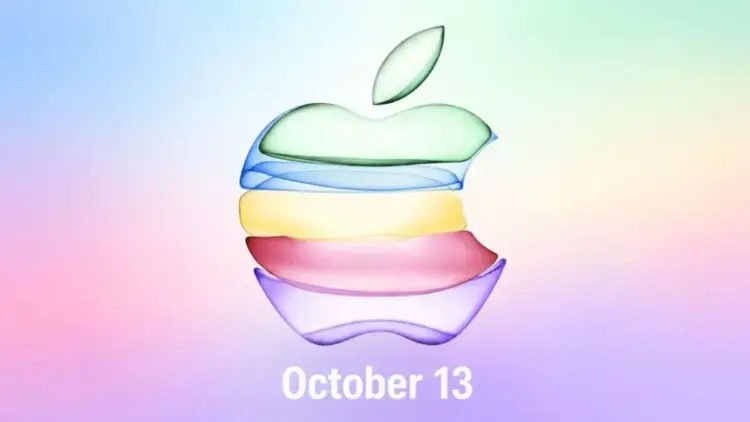
CUPERTINO, CA – October 6, 2026 – Following a high-profile September event that unveiled the groundbreaking iPhone 17 series, the sophisticated Apple Watch Series 11, and the advanced AirPods Pro 3, tech enthusiasts and industry analysts are now keenly awaiting Apple’s next move. Unconfirmed reports and a flurry of speculation suggest that the Cupertino giant is poised to host another significant product launch event on October 13, 2026, shifting its focus squarely onto the smart home ecosystem. This highly anticipated event is expected to introduce a suite of innovative devices, including a revolutionary new HomePod smart hub, the second-generation HomePod mini, and an upgraded Apple TV 4K, all powered by a significantly enhanced, AI-driven Siri.
The potential October keynote underscores Apple’s strategic intent to deepen its roots within the connected home environment, moving beyond personal devices to integrate its technology seamlessly into daily living spaces. With a strong emphasis on artificial intelligence and interconnectedness, these new products are not merely incremental updates but represent a concerted effort to redefine user interaction with smart home technology, prioritizing intelligence, privacy, and the quintessential Apple user experience.
Main Facts: Apple’s Smart Home Offensive Expected on October 13
The core of the upcoming October 13 event, though yet to be officially confirmed by Apple, revolves around a robust expansion of the company’s smart home offerings. At the forefront of these expected announcements is a redesigned HomePod, envisioned as a versatile smart hub with a prominent 6-inch square display, suitable for both tabletop placement and wall mounting. This device is rumored to integrate speakers, microphones, and a camera, offering a comprehensive solution for smart home control, communication, and entertainment.
Alongside this flagship product, Apple is also expected to launch the HomePod mini 2, an evolution of its popular compact smart speaker. This second-generation model is anticipated to retain its diminutive form factor while packing a punch with a faster chip, superior sound quality, and new AI-powered Siri capabilities, potentially arriving in a refreshed palette of colors.
Completing the smart home triumvirate, a new Apple TV 4K is on the horizon. This updated media streamer is projected to feature a more powerful processor, additional memory to support advanced Apple Intelligence capabilities, and the inclusion of Wi-Fi 7 technology, promising enhanced performance and connectivity for home entertainment and smart home integration. Crucially, all these devices are expected to leverage an advanced, AI-powered Siri, designed to be more personal, contextually aware, and capable of managing complex tasks, thereby elevating the smart assistant experience to new heights.
These anticipated launches signal Apple’s renewed commitment to capturing a larger share of the burgeoning smart home market, competing directly with established players like Amazon and Google. The integration of advanced AI into Siri across these devices is particularly noteworthy, suggesting a significant leap forward in how users will interact with their connected homes, moving towards a more intuitive and proactive experience.

A Chronology of Apple’s Autumn Product Launches
Apple’s autumn product cycle has historically been a period of intense innovation and major announcements. The rumored October event follows closely on the heels of another significant launch, painting a picture of a company strategically rolling out its latest technological advancements across its diverse product portfolio.
September’s "Wonderlust" Event: A Glimpse into the Future
Just weeks prior to the rumored smart home unveiling, Apple captivated audiences with its September keynote, which, according to reports, introduced a range of personal computing and communication devices that set new benchmarks in their respective categories.
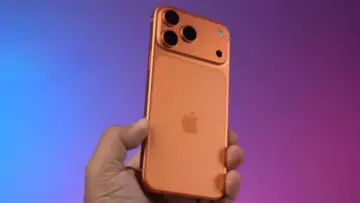
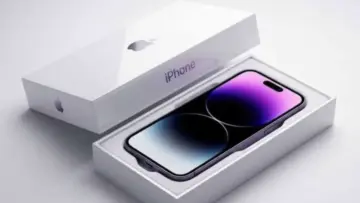
The iPhone 17 series was reportedly the star of the show, pushing the boundaries of smartphone technology. Speculation suggests these models featured a revolutionary A19 Bionic chip, offering unprecedented processing power and energy efficiency, critical for advanced AI applications and demanding computational photography. The camera systems likely saw significant enhancements, including next-generation computational photography algorithms, improved low-light performance, and perhaps even advanced spatial video capabilities optimized for Apple’s nascent mixed-reality platforms. Design refinements, potentially including a more durable titanium frame and an even more dynamic Dynamic Island, would have further cemented its premium status. The integration of satellite communication for emergency services and advanced biometric security features would also have been key highlights, ensuring unparalleled safety and convenience for users.

Accompanying the iPhones was the Apple Watch Series 11, which likely introduced a host of sophisticated health monitoring features. Building upon its legacy as a leading health and fitness device, the Series 11 might have debuted advanced non-invasive blood glucose monitoring, enhanced blood pressure measurement capabilities, and more precise body temperature sensing. The integration of these new sensors, powered by an S11 SiP, would have offered users a more comprehensive understanding of their well-being, while extended battery life and improved display technology would have enhanced the overall user experience.
Finally, the AirPods Pro 3 continued Apple’s dominance in the wireless audio market. These third-generation earbuds likely featured next-gen H3 chips, delivering even more immersive spatial audio with personalized sound profiles, significantly improved active noise cancellation (ANC), and enhanced transparency mode. New health sensors, such as those for monitoring heart rate or body temperature from the ear, might have been integrated, further blurring the lines between audio accessory and health device. Improved battery life, enhanced call quality, and tighter integration with the Apple ecosystem, including seamless handoff between devices and adaptive audio features, would have completed the package.
The Anticipated October 13 Event: Deep Dive into Smart Home
The shift from personal devices to home-centric technology for the October event is a strategic pivot. While September’s announcements focused on enhancing individual productivity, communication, and well-being, the October event is expected to emphasize collective experiences, home automation, and ambient intelligence. This dual-pronged approach showcases Apple’s commitment to innovating across its entire product ecosystem, ensuring that its technological advancements permeate every aspect of a user’s life, from their pocket to their living room. The timing suggests a carefully orchestrated release schedule, designed to maximize impact and sustain consumer interest throughout the critical holiday shopping season.

Supporting Data: Unpacking the New Product Lineup
The rumored October 13 event promises to deliver significant upgrades and entirely new products within Apple’s smart home portfolio. Each device is poised to play a crucial role in Apple’s broader strategy, leveraging advanced hardware and software to create a more integrated and intelligent living environment.
The Reimagined HomePod: Apple’s Bid for Smart Home Dominance
The centerpiece of the smart home announcement is undoubtedly the new HomePod smart hub. Far from a mere speaker, this device is rumored to be a comprehensive command center for the modern smart home. Its distinctive 6-inch square display is expected to offer a visually rich interface for controlling smart home devices, much like Google’s Nest Hub Max or Amazon’s Echo Show. This display could showcase everything from security camera feeds and doorbell alerts to weather updates, calendar appointments, and even curated photo albums. The form factor, suitable for both tabletop and wall mounting, hints at versatility in placement, allowing it to seamlessly integrate into various home aesthetics.
Beyond its visual interface, the new HomePod is expected to feature a robust audio system, delivering rich, room-filling sound, potentially with adaptive audio technology that tunes the output based on room acoustics. The integrated speakers would not only be for music playback but also for crystal-clear two-way communication. Multiple far-field microphones would ensure Siri hears commands from across the room, even amidst background noise, while also potentially supporting advanced sound-sensing capabilities for home security.

The inclusion of a camera opens up a new realm of possibilities, primarily for FaceTime calls. This would transform the HomePod into a family communication hub, allowing for easy video calls with loved ones directly from the living room or kitchen. Furthermore, the camera could support presence detection for automated routines (e.g., turning lights on when someone enters a room) or even act as a basic home security monitor. Apple’s stringent privacy policies would likely be a key selling point here, with on-device processing for facial recognition and clear indicators for when the camera and microphones are active.
The most exciting aspect, however, is the interaction with an advanced, AI-powered Siri. This new iteration is designed to be "more personal and adept at managing complex tasks." This implies a significant leap beyond simple command-and-response. We can expect Siri to understand context from previous interactions, handle multi-step requests (e.g., "Dim the lights in the living room, play my evening playlist, and set the thermostat to 22 degrees"), and offer proactive suggestions based on learned routines and preferences. Its AI capabilities could extend to recognizing individual voices within the household, personalizing responses and content for each user, and even detecting emotional cues in speech to provide more empathetic interactions. This positions the HomePod as a truly intelligent assistant, rather than just a smart speaker.
Historically, Apple’s original HomePod, launched in 2018, struggled to gain significant market share due to its premium price and limited third-party smart home integration. The lessons learned from this journey, coupled with the success of the HomePod mini, have undoubtedly informed the design and strategy behind this new iteration. By integrating a display, camera, and vastly improved AI, Apple aims to offer a more compelling and feature-rich proposition that justifies its expected premium positioning.

HomePod mini 2: Evolution of a Compact Powerhouse
The HomePod mini 2 is poised to build upon the considerable success of its predecessor, which carved out a niche as an affordable, high-quality smart speaker deeply integrated into the Apple ecosystem. While maintaining its iconic compact, spherical design, the new version is expected to house substantial internal upgrades.
A faster chip, likely an enhanced variant of Apple’s A-series or a dedicated audio chip, would power the HomePod mini 2. This would enable quicker response times for Siri, more sophisticated computational audio processing for improved sound quality, and greater efficiency for running on-device AI models. Improved sound quality would likely come from refined acoustic engineering, potentially with advanced drivers and passive radiators, offering richer bass and clearer highs, pushing the boundaries of what’s possible in such a small form factor.
Crucially, the HomePod mini 2 will also benefit from the new Siri AI features introduced with the larger HomePod. This means users will experience a more intelligent and responsive assistant, capable of understanding complex commands and providing personalized interactions, even in a smaller package. The inclusion of Thread and Matter support is also critical, making the HomePod mini 2 an excellent hub for a wide range of smart home accessories, ensuring broad compatibility and a future-proof foundation for the connected home.

Finally, the possibility of new color options would allow users greater personalization, enabling the device to blend more seamlessly into various home décors. The HomePod mini 2 is expected to remain an entry point into Apple’s smart home ecosystem, offering an accessible way to experience multi-room audio, smart home control, and advanced Siri features.
Apple TV 4K: The Entertainment and Intelligence Hub
The updated Apple TV 4K is anticipated to solidify its role not just as a premium streaming device but also as a central pillar of Apple’s smart home strategy. The primary enhancements are expected to revolve around performance and connectivity.
A more powerful processor, likely a newer generation A-series chip, would significantly boost performance, allowing for smoother navigation, faster app loading, and more capable gaming through Apple Arcade. This increased horsepower is also essential for handling additional memory for Apple Intelligence capabilities. For Apple TV, "Apple Intelligence" could translate into more sophisticated content recommendations based on viewing habits across all connected services, dynamic user interface adjustments that learn user preferences, and deeper integration with other Apple devices for seamless continuity features (e.g., automatically pausing content when a FaceTime call comes in on an iPhone). It could also enable advanced video processing for upscaling lower-resolution content or enhancing visual fidelity in real-time.

The inclusion of Wi-Fi 7 is a significant upgrade. This next-generation wireless standard offers substantially higher speeds, lower latency, and improved network efficiency. For users, this means ultra-reliable 4K and potentially 8K streaming, lag-free cloud gaming experiences, and more stable connectivity for smart home devices that rely on the Apple TV as a hub.
While the design is expected to remain similar to the 2022 model, focusing on understated elegance, the internal enhancements will transform the Apple TV 4K into an even more formidable entertainment and control center. Its deep integration with HomeKit allows it to serve as a home hub, providing remote access and automation capabilities for smart accessories. The upgraded Siri will play a pivotal role here, enabling voice-controlled content discovery, app launching, and even smart home device management directly from the TV.
The Brain Behind the Brawn: Advanced, AI-Powered Siri
The common thread uniting all these anticipated smart home products is the significant upgrade to Siri. Apple’s long-standing virtual assistant has faced criticism for lagging behind competitors in terms of contextual understanding and advanced capabilities. The rumored October event aims to rectify this, positioning the new Siri as a truly "advanced, AI-powered" entity that is "more personal and adept at managing complex tasks."

This transformation likely involves a multi-faceted approach. On-device AI processing, powered by the advanced neural engines in Apple’s custom silicon, would enable faster, more private handling of common requests, reducing reliance on cloud servers. This local processing is crucial for speed and for maintaining Apple’s strict privacy standards. For more complex queries, a refined cloud-based AI infrastructure would come into play, leveraging large language models (LLMs) and advanced machine learning techniques.
The "more personal" aspect suggests Siri will become better at understanding individual preferences, recognizing nuances in speech, and adapting its responses over time. It could proactively offer suggestions based on learned routines, calendar events, or even real-time sensor data from other Apple devices. The ability to manage "complex tasks" implies a departure from rigid command structures. Users could engage in more natural, conversational interactions, asking follow-up questions, correcting previous statements, and chaining multiple requests together without needing to restart the interaction. This could involve deep integration with Apple Intelligence framework that connects information across various apps and services, allowing Siri to perform multi-domain tasks like booking appointments, planning routes while considering traffic, or summarizing complex documents.
For the smart home, this translates to unparalleled control. Imagine telling Siri, "It’s too cold in here, and I want to watch a movie," and it automatically adjusts the thermostat, dims the lights, closes the blinds, and suggests a film based on your viewing history. This level of ambient intelligence and proactive assistance would fundamentally change how users interact with their homes. Apple’s commitment to privacy would remain paramount, with clear explanations of how data is used and processed, and robust controls for users to manage their personal information.

Official Responses: The Silence Before the Storm
As is customary with Apple, there has been no official confirmation regarding the October 13 event or the specific products expected to launch. The company maintains a tight veil of secrecy around its future product pipeline, often only sending out media invitations a week or two before a scheduled event. This deliberate silence fuels speculation and anticipation, generating significant buzz ahead of any official announcement.
The reports circulating are based on insights from industry analysts, supply chain leaks, and credible technology journalists who have a track record of accurately predicting Apple’s moves. While "not officially confirmed," the consistency and detail of these reports lend them considerable weight. Historically, such widespread rumors often precede a genuine Apple announcement, transitioning from speculation to reality with the arrival of a sleek, minimalist invitation to a virtual or in-person keynote. The industry waits with bated breath for that definitive email, which will mark the official start of the countdown to Apple’s next big reveal.
Implications: Shaping the Future of the Connected Home
The rumored October 13 event, with its heavy emphasis on smart home technology and advanced AI, carries significant implications for Apple’s strategic direction, the broader smart home market, and the future of human-computer interaction.

Apple’s Strategic Shift: Beyond Personal Devices
For years, Apple’s narrative has been dominated by the iPhone, its most iconic and profitable product. While the September event reaffirmed its commitment to personal computing, the anticipated October keynote signals a profound strategic shift. Apple is increasingly positioning itself as a provider of an integrated ecosystem that extends far beyond individual gadgets, permeating every aspect of a user’s digital and physical life.
The new HomePod, HomePod mini 2, and Apple TV 4K represent Apple’s ambitious vision for the "ambient home" – a living space where technology is seamlessly integrated, intelligently responsive, and largely invisible until needed. This approach aligns perfectly with Apple’s long-standing design philosophy: intuitive user experience, robust security, and unparalleled privacy. By embedding advanced AI (Siri) into these home devices, Apple aims to create a cohesive, intelligent environment where devices anticipate needs and respond proactively, all while maintaining the integrity of its "walled garden" approach, which ensures tight integration and a consistent user experience across its hardware and software. This move solidifies Apple’s ambition to be the central orchestrator of the digital lifestyle, from personal productivity to collective home experiences.
Impact on the Smart Home Market
The smart home market is fiercely competitive, with Amazon (Echo, Ring), Google (Nest, Google Home), and Samsung (SmartThings) vying for dominance. Apple’s renewed offensive, particularly with a display-equipped HomePod and a more intelligent Siri, could significantly disrupt this landscape.

The introduction of compelling new hardware, backed by Apple’s brand appeal and ecosystem lock-in, has the potential to accelerate the adoption of new smart home standards like Matter and Thread. Apple has been a key proponent of these interoperability protocols, and new devices with native support could push other manufacturers to follow suit, leading to a more unified and less fragmented smart home experience for consumers.
Furthermore, Apple’s focus on privacy and security, often perceived as superior to its rivals, could attract a segment of the market wary of data collection practices by other tech giants. By offering a robust, private, and seamlessly integrated smart home solution, Apple could carve out a substantial niche, driving innovation across the industry and forcing competitors to elevate their own offerings in terms of features, performance, and user trust. The premium positioning of Apple’s products often sets benchmarks that trickle down to more affordable segments, influencing overall design and functionality trends in the smart home space.
The AI Revolution at Home
The most transformative implication of these announcements lies in the significant upgrade to Siri’s AI capabilities. If the rumors hold true, this represents a pivotal moment for Apple’s virtual assistant, moving it from a largely reactive tool to a truly proactive and intelligent companion. An "advanced, AI-powered Siri" that is "more personal and adept at managing complex tasks" could redefine what users expect from a smart assistant.

This evolution signifies a shift towards ambient intelligence, where the home environment itself becomes smarter, anticipating needs rather than merely responding to commands. Personalization, context awareness, and the ability to handle multi-step, natural language requests will make interactions feel more intuitive and less robotic. This could lead to a deeper integration of AI into daily routines, from intelligent climate control and personalized entertainment to proactive health monitoring and enhanced home security.
However, the proliferation of advanced AI in personal spaces also raises ethical considerations. Apple’s historical emphasis on privacy will be crucial here. How will user data be collected, processed, and secured to power these intelligent features? Clear, transparent communication and robust user controls will be essential to build and maintain trust as AI becomes more deeply embedded in the most intimate spaces of our lives. Apple’s approach could set a new standard for responsible AI deployment in the home.
What Lies Ahead: iPad and Mac Updates
While the October event is expected to be smart home-focused, the original report also briefly hinted at a "new OLED iPad mini and MacBook improvements" on the horizon for later this year. These mentions serve as a reminder that Apple’s innovation pipeline is continuous and multi-faceted.

A new OLED iPad mini would bring stunning visual fidelity, deeper blacks, and vibrant colors to Apple’s smallest tablet, significantly enhancing the viewing and reading experience. This upgrade, coupled with a more powerful chip (perhaps an A-series chip on par with current iPhones), would solidify the iPad mini’s position as a premium, portable powerhouse for content consumption and creation.
MacBook improvements could range from performance boosts with next-generation M-series chips to redesigned chassis, enhanced display technologies, and perhaps even new input methods or connectivity options. These updates would further cement the Mac’s appeal to professionals and creatives, showcasing Apple’s continued commitment to its personal computing platforms.
These anticipated future releases demonstrate Apple’s holistic strategy: to continually refresh and enhance its entire product ecosystem, ensuring that users have access to cutting-edge technology across all their devices, from the most personal to the most communal. The rumored October 13 event is not just about new products; it’s about a declaration of intent – Apple’s unwavering ambition to intelligently integrate technology into every facet of our lives.