

A growing consensus among wellness experts and neuroscientists underscores the profound impact of lifestyle choices made in one’s thirties on long-term cognitive vitality. Far from being a distant concern, building robust brain health habits during this pivotal decade can lay the foundation for a sharper, more resilient mind well into later life.
The notion that the brain is a fixed entity, susceptible to inevitable decline, is increasingly being challenged by scientific evidence. Instead, a proactive approach to lifestyle can significantly influence our cognitive trajectory. A recent highlight from a prominent wellness centre, disseminated via an engaging Instagram post, brought to the forefront a set of accessible, everyday practices designed to bolster brain health and overall well-being for individuals navigating their thirties. These recommendations, far from being esoteric, focus on integrating simple yet powerful habits into daily routines.
The centre’s advice, shared across a visually appealing reel, champions the art of single-tasking over the pervasive culture of multitasking. This deliberate focus, it suggests, can enhance concentration and reduce mental fatigue. Furthermore, embracing novel learning experiences is encouraged, as is the simple yet potent act of seeking out morning sunlight, a practice known to regulate circadian rhythms and boost mood. Mindful eating, specifically the deliberate act of chewing food slowly, is also highlighted as a way to improve digestion and potentially enhance cognitive processing. Crucially, the post advocates for a conscious effort to identify and prioritize activities that energize rather than deplete mental resources. The overarching promise of these practices is compelling: improved focus, enhanced memory, a more stable mood, and a significant contribution to long-term cognitive health.
The Thirty-Something Crossroads: A Decade of Lasting Impact
But how much tangible difference can these seemingly small, everyday habits truly make to the intricate workings of the human brain? The answer, according to leading medical professionals, is substantial and far-reaching. Dr. M. Narayana Swamy, Director of Neurosurgery at PSRI Hospital, emphasizes that the choices individuals make in their thirties can indeed have a lasting impact on cognitive health later in life. This period is not merely a transition; it is a critical juncture for establishing patterns that will serve as a protective buffer against age-related cognitive decline.
"Your thirties are a crucial decade for building habits that support long-term brain function," Dr. Swamy states emphatically. "While there is no single magic solution to prevent cognitive decline, several lifestyle practices have strong scientific evidence behind them and can help improve brain resilience over time." This sentiment is echoed by a growing body of research that points to neuroplasticity – the brain’s remarkable ability to reorganize itself by forming new neural connections – as a key factor in maintaining cognitive function throughout life. The habits cultivated in one’s thirties can actively promote and leverage this neuroplasticity.
Building a Resilient Brain: Evidence-Based Lifestyle Pillars
The wellness centre’s recommendations, while insightful, are deeply rooted in established scientific understanding. Dr. Swamy elaborates on several key pillars of brain-healthy living that are particularly relevant for individuals in their thirties.
Stay Physically Active: More Than Just Muscle
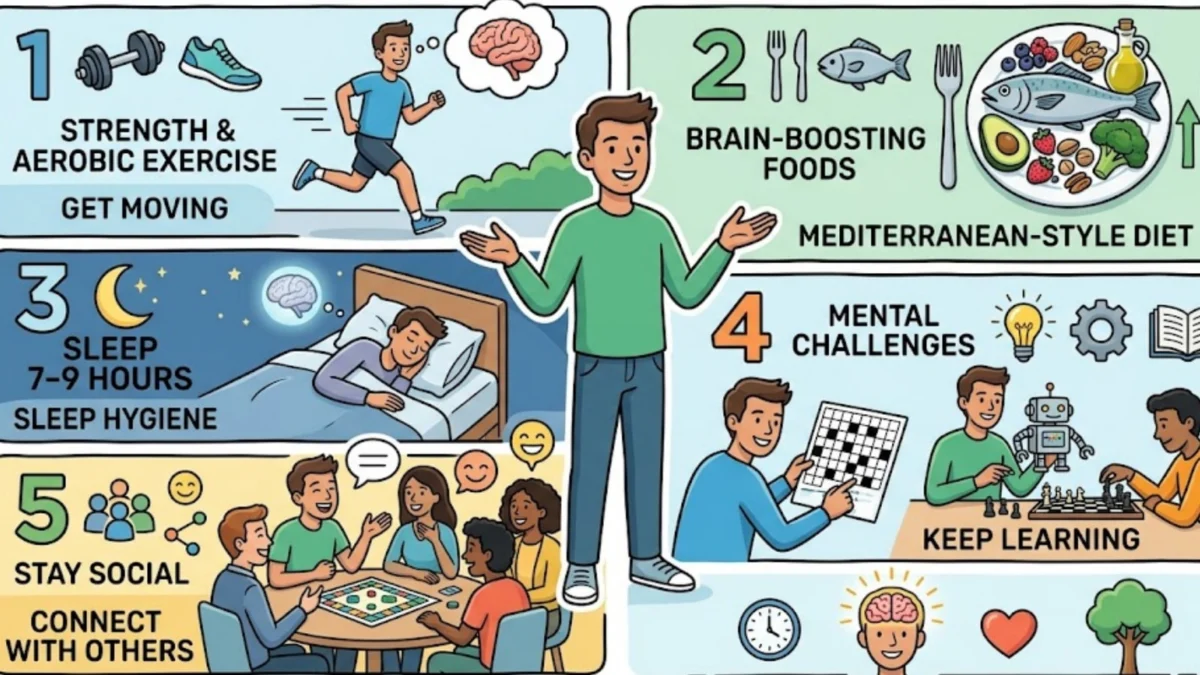
Exercise is universally recognized for its cardiovascular benefits and its role in weight management. However, its profound impact on brain health is often underestimated. "Regular physical activity improves blood flow to the brain and supports memory, focus, and overall cognitive function," explains Dr. Swamy. Enhanced blood flow ensures that the brain receives a consistent supply of oxygen and essential nutrients, crucial for optimal performance. Furthermore, exercise stimulates the production of neurotrophic factors, such as brain-derived neurotrophic factor (BDNF), which are vital for the growth, survival, and function of neurons.
"Even simple activities such as brisk walking for 30 minutes a day can provide long-term benefits for brain health," Dr. Swamy adds. This accessibility is key; it underscores that significant brain-boosting benefits do not necessarily require arduous or time-consuming regimens. Regular aerobic exercise, in particular, has been shown to increase the size of the hippocampus, a brain region critical for learning and memory. Resistance training also contributes by improving insulin sensitivity, which is linked to better brain health.
Prioritize Quality Sleep: The Brain’s Essential Maintenance Crew
The adage "sleep is for the weak" is a dangerous misconception, especially when it comes to brain health. Sleep is not a passive state of rest; it is an active period during which the brain undertakes vital restorative processes. "Sleep is when the brain performs some of its most important maintenance work," says Dr. Swamy. "It processes memories, repairs cells, and helps clear waste products that accumulate during the day."
During deep sleep, the glymphatic system, a waste-clearance pathway in the brain, becomes significantly more active, flushing out toxins like beta-amyloid, a protein implicated in Alzheimer’s disease. He recommends aiming for seven to nine hours of sleep every night. Consistently achieving this target can lead to significant improvements in concentration, learning ability, emotional regulation, and overall cognitive performance. Sleep deprivation, conversely, has been linked to impaired judgment, reduced problem-solving skills, and an increased risk of chronic diseases that can negatively impact brain health. Establishing a consistent sleep schedule, creating a relaxing bedtime routine, and ensuring a conducive sleep environment are crucial for reaping these benefits.
Eat a Brain-Friendly Diet: Fueling Cognitive Function
The adage "you are what you eat" holds particularly true for brain health. The food we consume directly influences the brain’s ability to function optimally, both in the short and long term. "A balanced diet rich in fruits, vegetables, whole grains, nuts, seeds, and healthy fats provides nutrients that protect brain cells from damage and inflammation," says Dr. Swamy. This dietary approach, often referred to as the Mediterranean diet or the MIND diet, emphasizes foods that are packed with antioxidants, vitamins, and minerals.
Nutrients such as omega-3 fatty acids, found abundantly in fatty fish, flaxseeds, and walnuts, are critical for building and repairing brain cell membranes and have anti-inflammatory properties. Antioxidants, prevalent in berries and leafy greens, combat oxidative stress, a process that can damage brain cells. Vitamins and minerals, including B vitamins, vitamin E, and magnesium, play vital roles in energy production, neurotransmitter synthesis, and protecting against neurodegeneration. According to Dr. Swamy, good nutrition supports not only cognitive function but also overall physical health, which indirectly benefits the brain. A healthy gut microbiome, fostered by a diet rich in fiber, also plays an increasingly recognized role in brain health through the gut-brain axis.
Nurture Social Connections: The Power of Human Interaction
In an era often characterized by digital connectivity, the importance of genuine, in-person social interaction for brain health cannot be overstated. "Maintaining social connections through family, friends, and community activities helps keep the brain engaged," says Dr. Swamy. Social interaction is a complex cognitive process that stimulates various brain regions involved in language, memory, emotional processing, and problem-solving.
"Social interaction stimulates memory, communication skills, and emotional well-being," he elaborates. Studies have consistently linked strong social networks with better cognitive performance and a lower risk of cognitive decline. Engaging in meaningful conversations, participating in group activities, and contributing to community life all act as powerful mental exercises. These interactions challenge our communication skills, require us to process social cues, and provide emotional support, all of which contribute to a robust and resilient brain. Loneliness and social isolation, conversely, have been identified as significant risk factors for cognitive impairment.
Keep Learning and Challenging Your Brain: The Cognitive Reserve Builders
The brain is remarkably adaptable, and its capacity to maintain function is significantly influenced by continuous engagement and learning. "Mental stimulation is essential for maintaining brain health," says Dr. Swamy. "Reading, learning new skills, solving puzzles, picking up a hobby, or even learning a new language can strengthen neural connections." This concept is closely tied to building "cognitive reserve."
Cognitive reserve refers to the brain’s ability to withstand and compensate for age-related changes or damage. It is built over a lifetime through engaging in mentally challenging activities. These activities promote the formation of new neural pathways and strengthen existing ones, making the brain more resilient to the effects of aging or neurological insults. "According to Dr. Swamy, people who regularly engage in mentally stimulating activities may be better equipped to cope with cognitive challenges later in life." This means that the effort invested in learning a new instrument, mastering a new language, or even diligently completing crosswords can directly translate into a more robust defense against cognitive decline.
The Cumulative Effect: Do These Habits Really Work?
The question of efficacy is paramount. Do these seemingly simple lifestyle adjustments truly hold the power to shape our cognitive future? The overwhelming scientific consensus and expert opinion suggest a resounding yes. "The good news is that brain health is not determined by genetics alone," Dr. Swamy reassures. "Together, these habits play a significant role in maintaining a healthy brain."
While it is true that genetics can predispose individuals to certain conditions, lifestyle factors play a modifiable and often dominant role in influencing outcomes. The synergistic effect of these habits is far greater than the sum of their individual parts. By consistently engaging in physical activity, prioritizing sleep, nourishing the body with a brain-healthy diet, fostering social connections, and actively challenging the mind, individuals in their thirties are not just making choices for today; they are investing in a future of sustained cognitive vitality.
"While no single habit can completely prevent cognitive decline, practising them consistently can greatly improve brain resilience and support cognitive health throughout life," Dr. Swamy concludes. This perspective offers a powerful message of empowerment: our cognitive destiny is not solely dictated by fate, but is, to a significant degree, within our control. The thirties represent an opportune moment to embrace this agency and cultivate a lifestyle that nurtures a healthy, vibrant brain for decades to come.
Disclaimer: This article is based on information from the public domain and expert interviews. It is intended for informational purposes only and does not constitute medical advice. Always consult with a qualified healthcare professional before making any changes to your diet, exercise routine, or any other aspect of your health regimen.
