

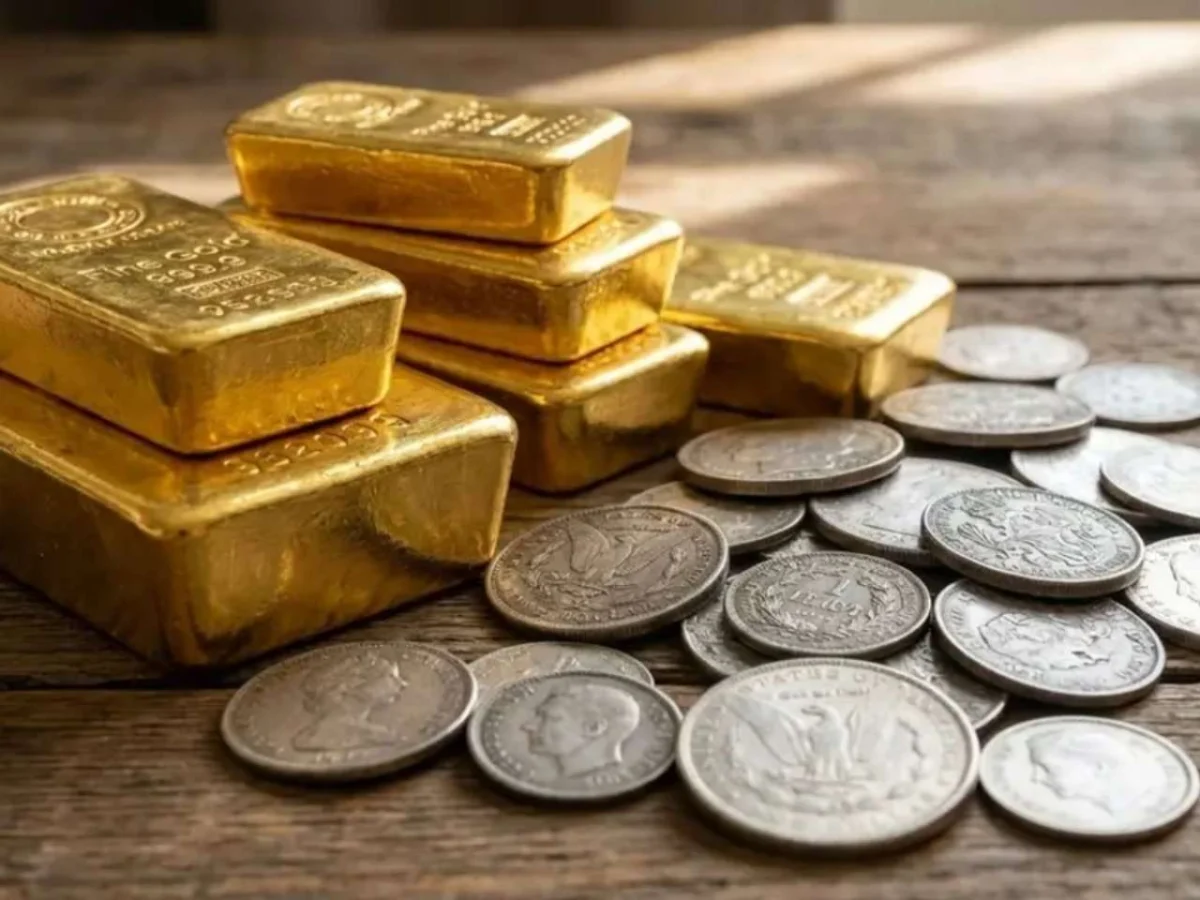
NEW DELHI, India – June 14, 2026 – India’s precious metals markets are witnessing a notable surge, with gold and silver prices demonstrating resilience and an upward trajectory on June 14, 2026. The consistent allure of these metals as safe-haven assets, coupled with escalating global market complexities and persistent domestic demand, continues to shape their valuation across major Indian cities. Today’s figures reflect a slight increase in gold prices, driven largely by sustained global demand and inflationary pressures, while silver maintains its robust appeal, buoyed by both investment interest and a flourishing industrial sector.
The confluence of international economic indicators, geopolitical uncertainties, and the intrinsic cultural significance of gold and silver in India dictates a dynamic pricing environment. As of today, 24K gold is hovering around ₹14,908 per gram nationally, with 22K gold, the preferred choice for jewellery, priced at approximately ₹13,665 per gram. Silver, often dubbed "poor man’s gold," is commanding around ₹2,60,000 per kilogram for 999 purity. This detailed breakdown explores the prevailing prices, the multifaceted factors influencing them, and the broader implications for investors and consumers alike.
The Enduring Appeal: Main Facts on June 14, 2026
The Indian subcontinent, one of the world’s largest consumers of precious metals, remains a pivotal market where global trends intersect with unique local dynamics. On June 14, 2026, the market registered the following key price points:
Gold Prices (per gram):
)
- 24K Gold (999 Purity):
- Mumbai/Kolkata: ₹14,908
- Delhi: ₹14,923
- Chennai: ₹15,056
- 22K Gold (91.67% Purity):
- Mumbai/Kolkata: ₹13,665
- Delhi: ₹13,680
- Chennai: ₹13,860
The slight variations across cities are attributable to local taxes, transportation costs, and specific regional demand patterns. Chennai, in particular, often commands a premium due to its strong cultural affinity for gold and established jewellery market.
Silver Prices (per 10 grams for 999 Purity):

- Mumbai/Delhi/Kolkata: ₹2,600
- Chennai: ₹2,700
The national average for 999 pure silver is approximately ₹2,60,000 per kilogram, while Silver 925 (sterling silver) is priced at ₹2,50,100 per kilogram. These figures underscore the continued upward momentum in the precious metals segment, reflecting a complex interplay of global economic forces and robust domestic demand.
A Trajectory of Value: Chronology of Precious Metals Market
The current pricing structure for gold and silver on June 14, 2026, is not an isolated event but rather the culmination of several years of evolving market dynamics. The period leading up to mid-2026 has been marked by significant volatility and sustained growth in precious metals, driven by a series of interconnected global and domestic events.
)
Post-Pandemic Resurgence and Geopolitical Tensions (2020-2024)
Following the initial economic shock of the COVID-19 pandemic, gold and silver experienced a pronounced safe-haven rally. Central banks globally adopted ultra-loose monetary policies, leading to unprecedented liquidity and concerns over currency debasement. This environment saw gold prices breaking new records, while silver, benefiting from both investment and recovering industrial demand, also posted substantial gains. The subsequent years, particularly 2022-2024, were characterized by persistent geopolitical tensions – including prolonged conflicts and trade disputes – which further solidified the appeal of precious metals as hedges against uncertainty. Inflationary pressures, initially dismissed as transitory, became entrenched, prompting central banks to begin aggressive interest rate hikes. While rising interest rates typically dampen gold’s appeal (as it yields no interest), the overriding concerns of inflation and instability provided counter-support.
Navigating Monetary Tightening and Economic Shifts (2024-Early 2026)
As global central banks, including the US Federal Reserve and the Reserve Bank of India (RBI), continued their fight against inflation through rate hikes in 2024 and 2025, the precious metals market displayed periods of consolidation and occasional pullbacks. However, persistent underlying factors prevented a significant downturn. The ongoing deceleration of global growth, coupled with the specter of recession in major economies, maintained a baseline demand for safe assets. Furthermore, significant buying activity from central banks worldwide, diversifying their reserves away from traditional fiat currencies, provided a strong floor for gold prices. Silver, with its dual nature, also found support from burgeoning industrial applications, particularly in green energy technologies like solar panels and electric vehicles, which saw accelerated adoption during this period. The Indian market, in particular, saw consistent demand, with consumers increasingly viewing gold as a long-term investment vehicle and a traditional store of wealth amidst domestic economic shifts and currency fluctuations.
)
The Current Environment: Inflationary Pressures and Sustained Demand (Mid-2026)
Entering 2026, while some inflationary pressures have begun to moderate in certain sectors, overall global inflation remains a concern, particularly in emerging markets. This has kept investor interest in gold as an inflation hedge robust. Furthermore, the Indian rupee has experienced periods of depreciation against the US dollar, making imported gold more expensive in local currency terms, thereby pushing up domestic prices. The anticipation of the upcoming festive season and wedding season, which typically commences later in the year, has already started to build underlying demand, preventing any significant price corrections. Today’s slight increase is therefore a continuation of this trend, reflecting both international market sentiment and strong local purchasing power. The market remains sensitive to any new economic data, central bank pronouncements, or geopolitical developments, ensuring continued volatility but also highlighting the enduring intrinsic value of these metals.
The Weight of Influence: Supporting Data and Market Dynamics
The prices observed today for gold and silver are a complex mosaic woven from numerous threads of economic data, market sentiment, and socio-cultural factors. Understanding these underlying influences is crucial for comprehending the current state and future trajectory of precious metals in India.
)
Gold: The Quintessential Safe Haven
Gold’s role as a primary store of value and an inflation hedge is globally recognized. The current price of ₹14,908 per gram for 24K gold on June 14, 2026, reflects a confluence of factors:
- Global Economic Uncertainty: Persistent geopolitical tensions, ranging from regional conflicts to trade disputes between major powers, continue to fuel demand for safe-haven assets. Investors flock to gold during periods of instability, seeking refuge from volatile equity markets and uncertain currency valuations.
- Inflationary Pressures: Despite central bank efforts, inflation remains a significant concern in many economies. Gold historically performs well in inflationary environments, as its intrinsic value tends to preserve purchasing power better than fiat currencies. The slight increase in gold prices today is directly attributed to these ongoing inflationary pressures.
- US Dollar Strength and Interest Rates: Gold typically shares an inverse relationship with the US Dollar. A stronger dollar makes gold more expensive for holders of other currencies, potentially dampening demand. Conversely, a weaker dollar can make gold more attractive. Similarly, higher interest rates increase the opportunity cost of holding non-yielding gold. However, in the current scenario, the safe-haven demand and inflation hedging appeal are outweighing the negative impact of moderately strong dollar or stable interest rates.
- Central Bank Accumulation: Central banks worldwide have been net buyers of gold for several years, diversifying their reserves away from traditional assets. This consistent institutional demand provides a strong underlying support for gold prices. The Reserve Bank of India (RBI) has also been strategically adding to its gold reserves, reflecting a broader global trend.
- Domestic Demand and Cultural Significance: India’s insatiable appetite for gold is deeply embedded in its cultural fabric. Gold is integral to weddings, festivals like Diwali and Akshaya Tritiya, and as a traditional gift and investment. This structural domestic demand provides a robust floor for prices, often intensifying during peak seasons. While June is not typically a peak festive month, underlying investment demand and purchases for upcoming weddings keep the market active.
- Import Duties and Taxes: Government policies, including import duties on gold, directly influence local prices. Any adjustments to these duties can have an immediate impact on the cost of gold for Indian consumers.
Silver: The Industrial Powerhouse with Investment Luster
Silver, while often overshadowed by gold, possesses a unique dual identity as both a precious metal and an industrial commodity. The current price of ₹2,600 per 10 grams for 999 pure silver highlights its growing significance:
)
- Industrial Demand: This is perhaps the most significant differentiator for silver. It is a critical component in various high-growth industries, including:
- Solar Energy: Silver paste is essential for photovoltaic cells in solar panels. The global push for renewable energy in 2026 means sustained high demand from this sector.
- Electronics: Silver is used in a multitude of electronic components due to its excellent conductivity. From smartphones to advanced computing, its usage is pervasive.
- Electric Vehicles (EVs): EVs require a significant amount of silver in their electrical systems and battery components. The accelerating transition to EVs is a major demand driver.
- Medical Applications: Silver’s antimicrobial properties make it valuable in medical devices and instruments.
- 5G Technology: The rollout of 5G infrastructure also contributes to increased silver consumption.
- Investment Demand: Silver is often referred to as "poor man’s gold" due to its lower price point, making it more accessible for smaller investors seeking to diversify their portfolios or hedge against inflation. It also benefits from the same safe-haven sentiment that drives gold demand, albeit with higher volatility.
- Gold-Silver Ratio: This ratio (how many ounces of silver it takes to buy one ounce of gold) is a key indicator. When the ratio is high, it suggests silver is undervalued relative to gold, potentially indicating a buying opportunity for silver. The ratio has seen fluctuations, but the current industrial demand for silver is helping to narrow the historical gap.
- Global Market Trends: Like gold, silver prices are sensitive to broader global economic health, US dollar movements, and interest rate expectations. However, its industrial component often gives it a unique sensitivity to manufacturing data and economic growth forecasts.
Purity Explained: 24K vs. 22K Gold, 999 vs. 925 Silver
- 24K Gold (999 Purity): This represents 99.9% pure gold, the highest form of gold available. It is typically used for investments (bullion, coins) due to its purity and is too soft for intricate jewellery.
- 22K Gold (91.67% Purity): This contains 91.67% pure gold, with the remaining 8.33% being alloys like copper, silver, or zinc. These alloys add strength and durability, making 22K gold ideal for crafting traditional Indian jewellery. The slight difference in price per gram reflects this purity variation.
- Silver 999 (Pure Silver): This refers to 99.9% pure silver, often used for investment bars, coins, and high-quality industrial applications. Its softness makes it less suitable for durable jewellery.
- Silver 925 (Sterling Silver): This is an alloy containing 92.5% silver and 7.5% other metals, usually copper. The addition of copper makes it significantly harder and more durable, making it the standard for most silver jewellery and tableware.
Voices from the Market: Official Responses and Expert Commentary
The current buoyancy in gold and silver markets has prompted a range of observations and forecasts from industry experts, market analysts, and leading jewellers across India. Their insights shed light on the prevailing sentiment and potential future directions.
Analyst Perspectives
"The current stability, coupled with a slight upward trend in gold prices, is largely a reflection of ongoing global economic uncertainties and sustained inflationary concerns," explains Dr. Anjali Sharma, Chief Economist at Zenith Capital Management. "Investors are increasingly seeking the safety and inflation-hedging properties of gold, especially as central banks signal a cautious approach to future rate cuts amidst sticky inflation. The geopolitical landscape, unfortunately, remains volatile, which further strengthens gold’s appeal as a safe haven."
)
Regarding silver, Mr. Rohan Mehta, a Senior Commodity Analyst at BullionEdge Research, notes, "Silver’s dual nature is its biggest advantage right now. While it benefits from the same safe-haven demand as gold, its industrial demand, particularly from the booming green energy and electronics sectors, is providing a robust floor and significant upside potential. We are seeing strong off-take from solar panel manufacturers and EV battery producers, which suggests that silver’s trajectory could be even more dynamic than gold’s in the short to medium term."
Jewellery Industry Feedback
From the retail front, jewellers are observing a steady flow of customers, albeit with a degree of price consciousness. Ms. Priya Singh, proprietor of ‘Shubh Lagan Jewels’ in Delhi, shares, "While prices are elevated, the cultural significance of gold, especially for weddings, means demand remains resilient. Customers are adapting by perhaps purchasing lighter pieces or opting for higher purity gold for investment while choosing 22K for wearable jewellery. The upcoming wedding season later in the year is already driving some advance bookings and inquiries."
)
In Chennai, where gold holds immense traditional value, Mr. Karthik Subramanian, President of the Chennai Jewellery Association, comments, "We’ve seen consistent demand, and Chennai often commands a slight premium. Consumers here view gold as an essential part of their heritage and a smart long-term investment. Even with these prices, the belief in gold’s enduring value remains unshaken."
For silver, the trend is equally positive. Mr. Sanjay Gupta, a major silver wholesaler in Mumbai, states, "Silver’s affordability compared to gold, combined with its aesthetic appeal and versatility, makes it a popular choice. We’re seeing strong demand for silver ornaments, especially in regions where it’s traditionally preferred, and also a growing interest in silver coins and bars for investment purposes."
)
Broader Economic Context from RBI
While the Reserve Bank of India (RBI) does not comment on daily price fluctuations, its broader monetary policy decisions and economic outlook indirectly influence the precious metals market. The RBI’s continuous efforts to manage inflation, maintain rupee stability, and diversify its foreign exchange reserves through strategic gold purchases send strong signals to the market. A stable rupee generally helps moderate import costs, but persistent global inflationary pressures and geopolitical risks continue to shape the domestic pricing environment. The RBI’s stance on interest rates and liquidity management remains a critical variable for the overall economic health, which in turn impacts investor sentiment towards gold and silver.
Navigating the Future: Implications and Outlook
The current pricing trends for gold and silver on June 14, 2026, carry significant implications for various stakeholders, from individual consumers planning life events to seasoned investors shaping their portfolios. The outlook suggests a continuation of volatility but also underscores the enduring strategic importance of these precious metals.
)
Implications for Consumers
For the average Indian consumer, the elevated prices of gold and silver present both challenges and opportunities.
- Wedding and Festive Buying: With gold prices remaining high, families planning weddings or festive purchases might need to adjust their budgets or consider alternative strategies. This could mean opting for lighter jewellery, exploring design innovations that use less metal, or even shifting a portion of their budget towards silver or other assets. However, the cultural imperative often ensures that gold remains a non-negotiable part of these events, leading to sustained demand even at higher price points.
- Investment Perspective: For those considering gold and silver as investments, the current environment reinforces their role as wealth preservers. Buying in smaller denominations, such as digital gold or silver, or through Gold ETFs and Silver ETFs, offers flexibility and accessibility without the need for physical storage.
Implications for Investors
The current market conditions present a compelling case for including precious metals in a diversified investment portfolio.
)
- Gold as a Hedge: In an era defined by geopolitical tensions, persistent inflation, and potential economic slowdowns, gold continues to serve as an effective hedge against uncertainty. Investors are likely to maintain or even increase their exposure to gold to protect their capital from market shocks and currency devaluation.
- Silver’s Dual Advantage: Silver’s unique position as both a precious metal and an industrial commodity offers a dual growth driver. Its strong demand from green technologies (solar, EVs) and electronics provides a fundamental underpinning that could lead to significant appreciation, especially if global economic growth remains robust enough to fuel industrial expansion.
- Diversification: The volatility in equity markets and the uncertainty surrounding bond yields make precious metals an attractive diversification tool. They often move independently of other asset classes, thereby reducing overall portfolio risk.
- Monitoring Key Indicators: Investors should closely monitor global interest rate policies (particularly from the US Federal Reserve), the strength of the US Dollar, geopolitical developments, and inflation data. Domestic factors like the INR-USD exchange rate and local demand trends, especially ahead of India’s festive season, will also play a crucial role in shaping prices.
Long-Term Projections and Factors to Watch
Looking ahead into the latter half of 2026 and beyond, several factors are poised to influence the trajectory of gold and silver prices:
- Global Economic Recovery vs. Recession Fears: A strong global economic recovery might dampen safe-haven demand for gold but could significantly boost industrial demand for silver. Conversely, a deeper recession could push both metals higher as investors seek safety.
- Inflationary Outlook: If inflation remains elevated or sees a resurgence, gold’s appeal as an inflation hedge will strengthen. If inflation is decisively brought under control, it could ease some of the upward pressure.
- Central Bank Policies: Future interest rate decisions by major central banks will be critical. Any shift towards monetary easing could be bullish for gold, as it reduces the opportunity cost of holding the non-yielding asset.
- Technological Advancements: Continued innovation in green energy and electronics will maintain a strong demand floor for silver, potentially driving its prices independently of gold.
- Geopolitical Stability: Any escalation or de-escalation of existing conflicts or the emergence of new geopolitical flashpoints will have an immediate impact on safe-haven demand.
In conclusion, as of June 14, 2026, India’s precious metals market stands at a fascinating juncture. Gold and silver, intrinsically linked to global economic currents and deeply embedded in India’s cultural and investment landscape, continue to demonstrate their enduring value. While price fluctuations are inevitable, their fundamental appeal as tangible assets, hedges against uncertainty, and critical industrial components ensures their sustained prominence in the financial landscape. Investors and consumers alike are advised to remain informed, considering both global macroeconomic trends and localized demand patterns, to make judicious decisions in this dynamic market.
