

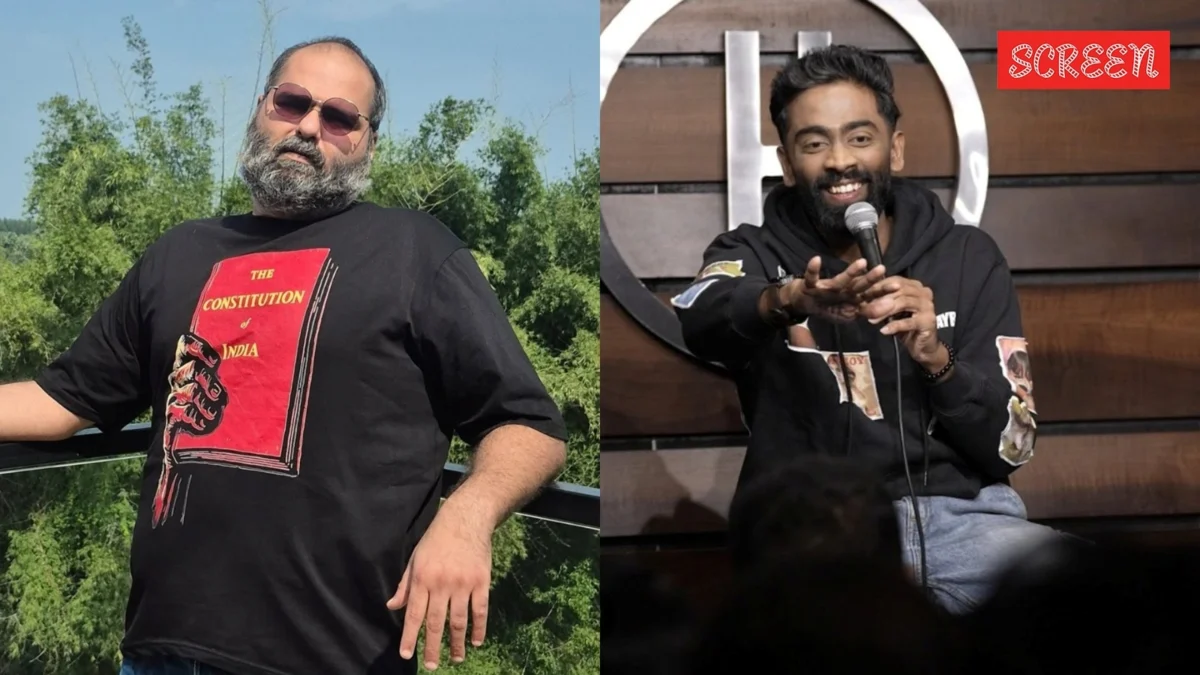
The Indian stand-up comedy circuit finds itself embroiled in a significant ethical quandary, sparked by a viral crowd-work clip featuring comedian Pranit More. The incident, which saw an audience member, Himanshu Jangra, articulate a disturbing sense of entitlement based on a Rs. 370 chicken biryani purchase during a date, has ignited a firestorm of criticism. More’s initial reaction – laughter, labeling it "Peak Gurgaon content," and awarding the audience member cash – has drawn sharp rebukes, with prominent comedians like Kunal Kamra wading into the fray with pointed commentary. The fallout has been swift and severe, extending beyond social media to job termination, a police case, and a summons from the National Commission for Women (NCW). This controversy delves deep into the responsibility of comedians, the interpretation of humor, and the boundaries of acceptable discourse in public performance.
The Unfolding Controversy: A Deep Dive into the Biryani Incident
The genesis of this widespread outrage lies in a seemingly innocuous crowd-work segment from one of Pranit More’s stand-up shows in Gurugram. During the interaction, a 23-year-old audience member, Himanshu Jangra, recounted a personal anecdote about a date. His narrative, however, took a sharp and disturbing turn when he stated that having spent Rs. 370 on a plate of chicken biryani, he felt entitled to physical intimacy in return. Jangra’s exact words, translated from Hindi, conveyed a sense of transactional expectation: "I said that if Rs. 370 were spent, I will definitely get my return."
Initially, the clip gained traction online, prompting criticism directed at Jangra for his regressive and objectifying statement. However, the situation escalated dramatically when a more extensive version of the interaction surfaced. This longer clip revealed that Jangra had continued to press for physical intimacy despite the woman’s initial refusal. More’s response in the original clip – his laughter and his pronouncement of the exchange as "Peak Gurgaon content" – amplified the problematic nature of the interaction, leading many to believe he condoned or even encouraged such an attitude. The subsequent decision by More to award Jangra a cash prize further fueled the online backlash, with accusations that the comedian was not only normalizing but actively rewarding entitlement and a lack of respect for consent.
A Chronology of Escalation and Apologies
The controversy unfolded in distinct phases, marked by public reaction, apologies, and official interventions.
- The Viral Clip and Initial Outrage: The initial crowd-work clip featuring Himanshu Jangra’s biryani anecdote began circulating on social media. This immediately sparked criticism for Jangra’s entitled perspective.
- The Extended Clip and Intensified Backlash: The emergence of a longer version of the interaction revealed the extent of Jangra’s persistence and More’s complicity through laughter and a cash prize. This led to a significant surge in outrage, with the focus broadening to include Pranit More’s role in facilitating and amplifying the problematic discourse. Accusations of normalizing entitlement and non-consensual behavior became widespread.
- Pranit More’s First Apology (Instagram Story): In response to the mounting criticism, Pranit More issued a brief apology via his Instagram Stories. He stated that the audience member’s comments did not reflect his views and acknowledged a "lapse in judgment" for laughing and moving on instead of challenging the remark. He emphasized his intention not to amplify or normalize such views.
- Pranit More’s Second Apology (Video Statement): Facing continued pressure and a potential suspension of his Instagram account, More released a more detailed video apology. He expressed his regret for the derogatory remarks made during the crowd interaction and admitted to getting carried away by the laughter. He acknowledged that he should have intervened or taken a stand instead of giving the "platform where it was celebrated." He apologized to those offended and pledged to cooperate with legal proceedings, requesting a second chance to work on himself and his content.
- Kunal Kamra’s Public Critique: Prominent comedian Kunal Kamra weighed in on the controversy with a sharp critique of More’s second apology. Via a post on X (formerly Twitter), Kamra listed several elements comedians should "stop hiding behind," including storytelling, crowd work, hard work, bank balance, and parents. In a separate, more direct jab, Kamra stated, "Pranit More makes Harsh Gujral look like Barrack Obama," a comment that drew significant attention and further polarized opinions within the comedy community.
Supporting Data and Broader Context
The Rs. 370 biryani controversy is not an isolated incident but reflects a broader conversation within the stand-up comedy landscape regarding the ethical responsibilities of performers. The line between edgy humor and offensive content is often debated, and this incident has amplified calls for greater accountability.
- The Nature of Crowd Work: Crowd work, by its very nature, involves spontaneous interaction with the audience. While it can lead to hilarious and memorable moments, it also carries inherent risks. Comedians who engage in crowd work must be adept at navigating sensitive topics and ensuring that their responses do not inadvertently endorse or amplify harmful sentiments. In this case, critics argue that More failed to exercise due diligence and instead exacerbated the problematic statement.
- The Perception of Entitlement: Jangra’s assertion of entitlement based on a monetary transaction – the Rs. 370 biryani – highlights a concerning societal issue of transactional relationships and the objectification of individuals, particularly women. The fact that this sentiment was articulated in a public forum and met with laughter by the comedian has led to widespread condemnation.
- The Power of Comedic Platforms: Stand-up comedy shows, especially when amplified through viral clips on social media, possess significant cultural influence. Comedians, through their performances, can shape perceptions and influence societal norms. The controversy underscores the responsibility that comes with wielding such influence, demanding that comedians be mindful of the messages they are conveying, even in jest.
Official Responses and Legal Ramifications
The gravity of the situation has transcended the realm of online discourse, prompting significant official interventions.
- Job Termination: Himanshu Jangra, the audience member at the center of the controversy, faced immediate repercussions. He was terminated from his employment at Starvik Design. The company’s founder, Vivek Vishwakarma, announced the decision publicly on Instagram, indicating that the company would not tolerate such behavior.
- Police Case Registration: The Maharashtra Police took a decisive step by registering a case against both Pranit More and Himanshu Jangra. The charges are reportedly related to allegedly promoting obscene content and non-consensual conduct, signaling a legal acknowledgment of the seriousness of the incident.
- National Commission for Women (NCW) Intervention: The National Commission for Women (NCW) took suo motu cognisance of the incident. Recognizing the potential implications for women’s safety and dignity, the NCW directed the Haryana Police to take action and issued summons to both More and Jangra, requiring them to appear for a hearing on June 22. This intervention signifies the national level concern over the issues raised by the controversy.
Implications for the Comedy Industry and Beyond
The Rs. 370 biryani controversy carries significant implications for the stand-up comedy industry in India and has broader societal relevance.
- Accountability for Comedians: The incident has reignited the debate surrounding the accountability of comedians for the content they present and the reactions they elicit. It raises questions about whether comedians should be held responsible for audience members’ statements, especially when they are amplified or seemingly endorsed by the performer. The emphasis on "crowd work" as a potential shield for problematic content is being challenged.
- Defining Humor and Offense: The controversy highlights the subjective nature of humor and the fine line between provocative comedy and offensive content. While comedians often push boundaries, there is a growing expectation that this should not come at the expense of perpetuating harmful stereotypes, objectification, or disrespect for consent. The incident has sparked discussions about where this line should be drawn and how it should be enforced.
- The Role of Social Media Amplification: Social media platforms have become powerful amplifiers of both talent and controversy within the comedy world. Viral clips can propel careers but also expose performers to intense scrutiny. The speed and reach of online platforms mean that incidents like this can have rapid and far-reaching consequences.
- Promoting Respectful Discourse: Beyond the comedy circuit, the controversy serves as a stark reminder of the need to foster respectful discourse in all public interactions. The entitlement and objectification displayed by Jangra, and arguably facilitated by More’s initial reaction, are issues that need to be addressed in society at large. The incident underscores the importance of consent, mutual respect, and the rejection of transactional attitudes in relationships.
In conclusion, the Pranit More-Himanshu Jangra biryani incident has transcended a mere online spat to become a watershed moment for Indian stand-up comedy. It has forced a critical examination of the ethical responsibilities of performers, the boundaries of humor, and the potential for comedy to inadvertently normalize harmful attitudes. The swift legal and institutional responses signal a growing intolerance for content that demeans individuals or promotes non-consensual behavior. As the dust settles, the comedy industry will undoubtedly grapple with these challenges, striving to find a balance between creative expression and social responsibility, ensuring that laughter does not come at the cost of dignity and respect.
