

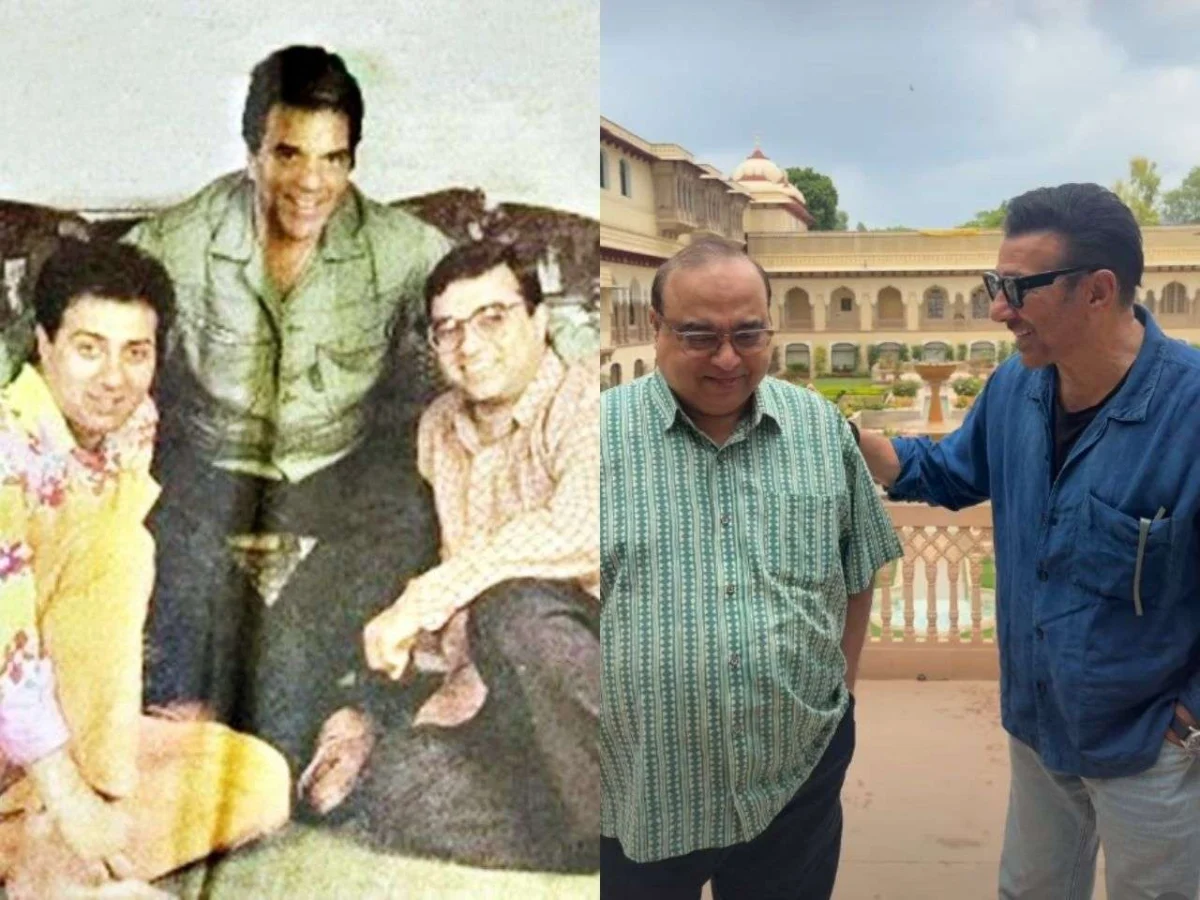
Jaipur, India – August 2, 2026 – The Pink City of Jaipur holds a special place in the hearts of Bollywood stalwarts Sunny Deol and acclaimed director Rajkumar Santoshi. Ahead of the much-anticipated release of their upcoming film, "Batwara 1947," the dynamic duo returned to the historic city for promotional activities. Their presence in Jaipur evoked poignant memories, particularly of the legendary Dharmendra, Sunny Deol’s father, who played an instrumental role in forging their iconic cinematic partnership. The reunion in Jaipur, where their journey began, has been described as a profound "circle of life" moment, underscoring a deep sense of gratitude for the patriarch’s foresight and unwavering support.
The Genesis of a Blockbuster Collaboration: A Jaipur Encounter
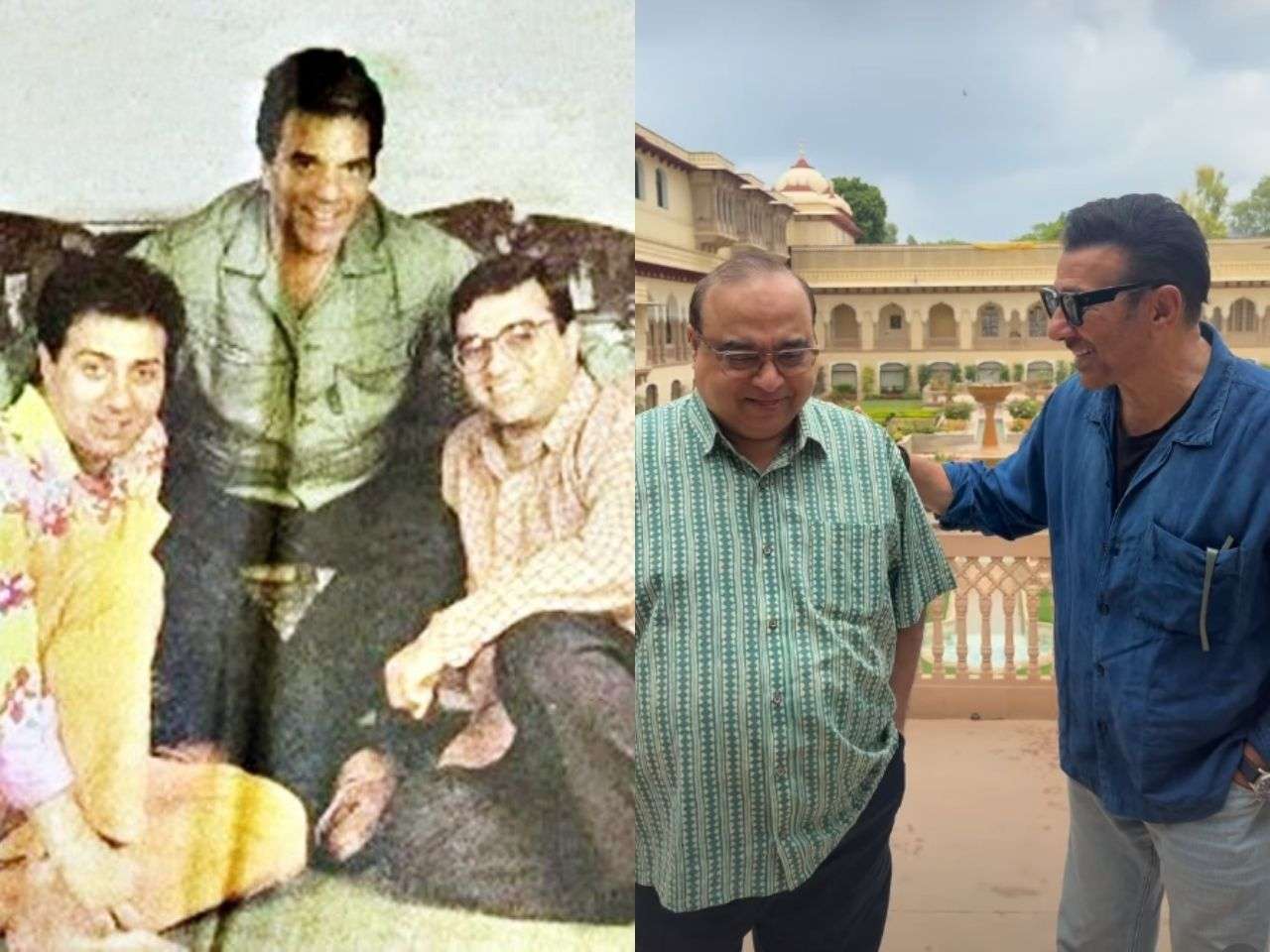
The narrative of Sunny Deol and Rajkumar Santoshi’s collaboration is inextricably linked to Jaipur. It was in this very city, nearly three decades ago, that the seeds of their groundbreaking film "Ghayal" were sown. Deol and Santoshi, who are reuniting on screen after a considerable hiatus with "Batwara 1947," shared a touching anecdote about their initial meeting with Dharmendra.
)
"Years ago," Sunny Deol recounted in a heartfelt social media post, "I believed deeply in a script written by a young Rajkumar Santoshi. We tried taking it to producers, but no one was ready to back the film. That was when I decided to take it to Papa." This decision, born out of perseverance and a belief in Santoshi’s vision, led them to Dharmendra, who was then shooting for his film "Batwara" in Jaipur.
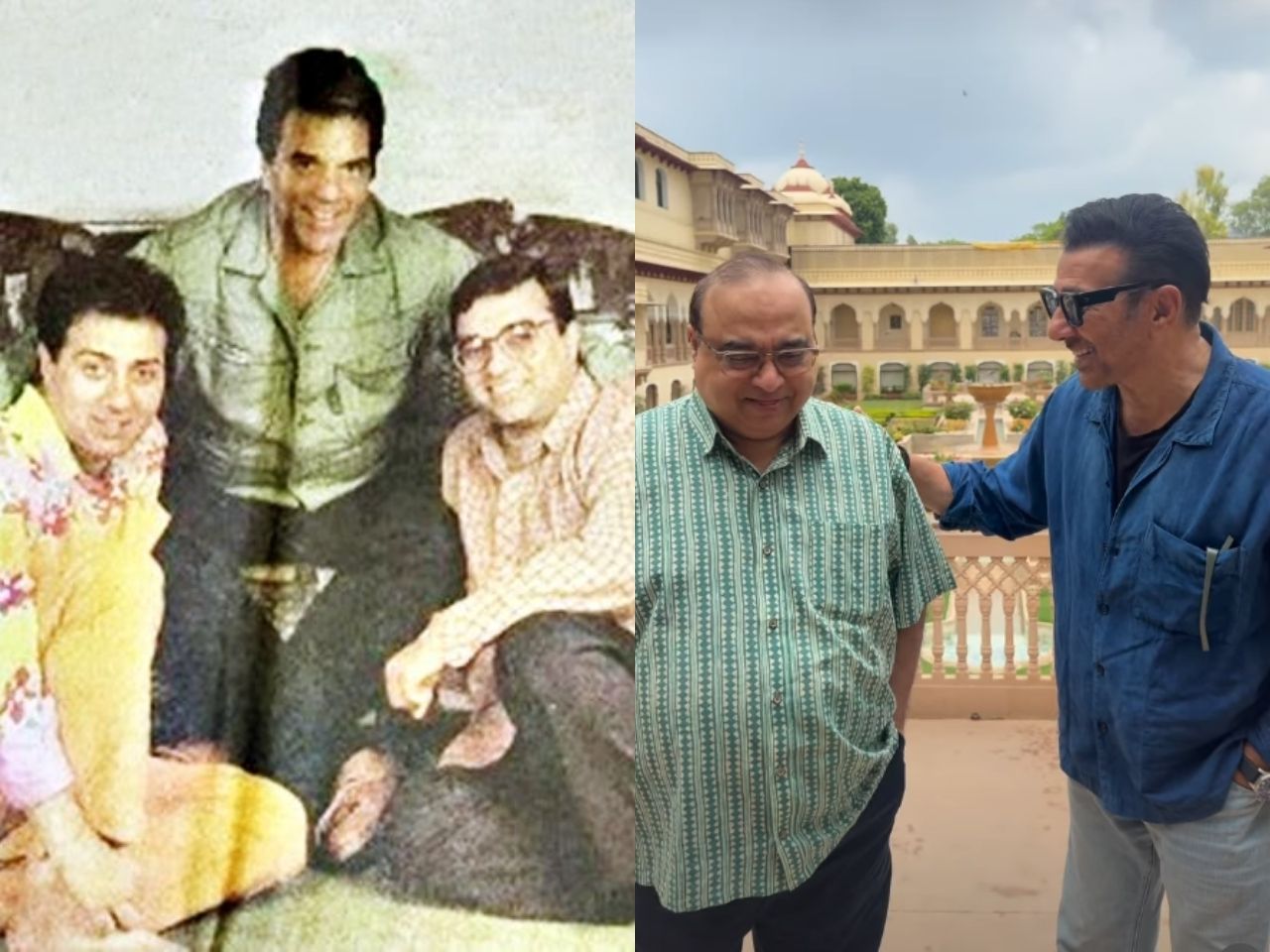)
The serendipitous encounter took place at the iconic Rambagh Palace in 1988. Rajkumar Santoshi, armed with his compelling narrative, delivered a full narration of "Ghayal" to Dharmendra. The impact was immediate and profound. "The moment it ended, Papa said yes," Deol reminisced, his voice tinged with emotion. This swift acceptance from Dharmendra was not merely about greenlighting a film; it was a testament to his faith in his son’s judgment and his belief in the power of Santoshi’s storytelling.

Dharmendra’s Enduring Legacy: A Guiding Light for a Cinematic Partnership
Dharmendra’s influence on the career trajectories of both Sunny Deol and Rajkumar Santoshi cannot be overstated. His willingness to listen, to believe, and to champion a new talent proved to be a pivotal turning point. For Sunny, it was the validation of his instinct to back a promising script and a director. For Santoshi, it was the crucial breakthrough that allowed his creative vision to materialize into a cinematic masterpiece.
)
"More than the film, what stayed with me was how proud he was that I had recognised and stood by such a powerful story," Sunny Deol shared, highlighting the personal significance of his father’s reaction. This paternal pride, coupled with Dharmendra’s decisive endorsement, transformed a nascent idea into a project that would redefine action cinema in India.
)
The success of "Ghayal" (1990) was not just a commercial triumph; it established a formidable creative alliance between Deol and Santoshi. This partnership went on to deliver other critically acclaimed and commercially successful films such as "Damini" (1993) and "Ghatak" (1996), solidifying their reputation as a potent force in Bollywood. The foundation of these subsequent collaborations was laid during that pivotal meeting in Jaipur, orchestrated by the elder Deol.
)
A "Circle of Life" Moment: Returning to the Roots of Success
The current return of Sunny Deol and Rajkumar Santoshi to Jaipur for the promotion of "Batwara 1947" carries a profound sense of full circle. They are promoting a film in the very city where their cinematic journey, which began with "Ghayal," was ignited by Dharmendra’s belief.
)
"I’m bringing ‘Batwara 1947’ with Santoshi, and we’re promoting the film where our collaboration began," Sunny Deol expressed, his voice resonating with emotion. This deliberate choice of location underscores their deep respect and enduring gratitude for Dharmendra’s foundational role.
)
Deol’s social media post, accompanied by a touching video reel, served as a public declaration of his appreciation. He concluded with a sentiment that encapsulates the essence of their return: "Forever grateful to Papa for believing in my instinct, and to Raj for giving me a story worth fighting for." This statement not only pays homage to his father but also acknowledges the artistic merit and collaborative spirit that defines his professional relationships.
)
"Batwara 1947": A New Chapter, Rooted in Legacy
The upcoming film, "Batwara 1947," marks a significant reunion for Deol and Santoshi after nearly three decades. While the specifics of the plot remain under wraps, the film’s title suggests a potential historical or socio-political theme, possibly delving into the Partition of India. The choice to release the film on August 14, 2026, aligns with India’s Independence Day, adding another layer of thematic significance.
)
The reunion of this celebrated actor-director duo is generating considerable buzz within the industry and among fans. Their previous collaborations have been characterized by strong narratives, powerful performances, and a gritty realism that resonated with audiences. The anticipation is high that "Batwara 1947" will continue this legacy, offering a compelling cinematic experience.
)
The promotional tour in Jaipur, therefore, is more than just a marketing strategy; it’s a pilgrimage to the place where their professional destiny was significantly shaped. It’s a deliberate act of remembrance and a tribute to the man who saw the potential in their combined vision.
)
Supporting Data and Industry Impact
The collaborative works of Sunny Deol and Rajkumar Santoshi have consistently delivered impactful cinema:
)
- Ghayal (1990): A critical and commercial blockbuster, winning the National Film Award for Best Popular Film Providing Wholesome Entertainment and the Filmfare Award for Best Actor (Sunny Deol). It redefined the action genre in Bollywood with its raw intensity and socially relevant storyline.
- Damini (1993): Celebrated for its powerful social commentary and stellar performances, particularly Meenakshi Seshadri’s titular role. The film won multiple National Film Awards, including Best Feature Film on Social Issues.
- Ghatak (1996): Another critically acclaimed film that explored themes of justice and revenge in a gritty urban setting. It was a commercial success and further cemented the duo’s reputation.
The reunion of Deol and Santoshi for "Batwara 1947" is seen as a significant event in the current Bollywood landscape. Their previous films have demonstrated a keen understanding of audience sentiment and a knack for crafting narratives that are both entertaining and thought-provoking. The industry is keenly observing how this seasoned partnership will translate into their latest venture, especially given the thematic potential hinted at by the film’s title.
)
Official Responses and Future Outlook
While official statements from the filmmakers regarding "Batwara 1947" have been primarily focused on the promotional tour and the sentimental aspect of their reunion, the anticipation for the film’s content is palpable. The narrative surrounding the film’s genesis, deeply intertwined with Dharmendra’s legacy, has already garnered significant positive attention.
)
The "circle of life" narrative, where the duo is promoting their new film in the same city where their iconic journey began, is a powerful marketing tool that resonates with nostalgia and a sense of enduring legacy. This emotional resonance is expected to translate into strong audience interest when the film releases.
)
The implications of this reunion extend beyond just a single film. It signifies the enduring power of certain creative partnerships in Bollywood and the importance of legacy and mentorship within the industry. The story of how Dharmendra played a crucial role in fostering the collaboration between Deol and Santoshi serves as an inspiring reminder of the supportive ecosystem that can nurture talent and lead to cinematic milestones.
)
As Sunny Deol and Rajkumar Santoshi continue their promotional journey, their return to Jaipur serves as a poignant reminder of their shared history and the indelible mark Dharmendra has left on their careers. "Batwara 1947" is poised to be more than just a film; it’s a testament to a bond forged in the spirit of creative ambition and familial love, a bond that continues to inspire.
