

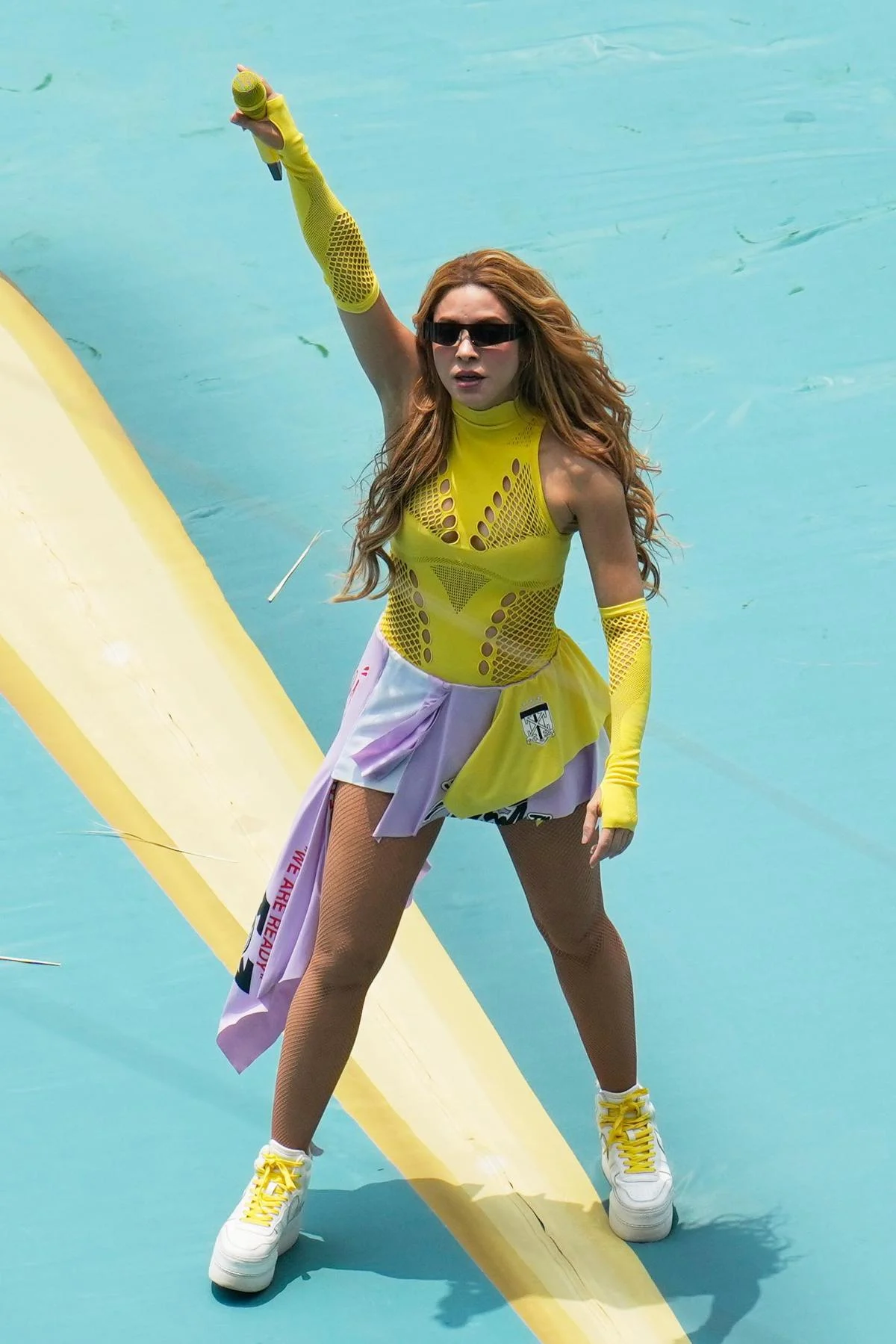
New Jersey, USA – June 14, 2026 – The iconic MetLife Stadium in New Jersey is set to host a moment of profound global unity and artistic synergy on July 19th, as global music superstar Shakira headlines the inaugural Super Bowl-style halftime show at the FIFA World Cup Final. In a move that underscores her deep connection to the spirit of the tournament and her commitment to uplifting emerging talent, Shakira has invited Uganda’s celebrated Ghetto Kids to share the colossal stage. This collaboration, already previewed in the official anthem video for the 2026 tournament, "Dai Dai," signifies a powerful full-circle moment for the artist who has long championed African artistry and given a voice to the marginalized.
A Legacy of World Cup Anthems and Empowering Stages
Shakira’s name is inextricably linked with the FIFA World Cup, a bond cemented by the enduring success of "Waka Waka (This Time for Africa)" in 2010. That infectious anthem, a vibrant fusion of African melodies and the energetic South African band Freshlyground, transcended linguistic barriers, becoming a global phenomenon that resonated from stadium roar to living room singalong. Its immense popularity, making it one of the best-selling World Cup songs of all time, was not just a testament to its catchy rhythm but also to Shakira’s deliberate gesture of cultural appreciation. By building the song on an African melody and collaborating with African artists, she offered the moment back to the continent that inspired it, establishing a precedent for authentic cultural exchange within the global spectacle of the World Cup.
The upcoming performance at MetLife Stadium promises to echo this spirit of inclusivity and shared celebration. The Ghetto Kids, a dynamic dance troupe hailing from the vibrant yet challenging streets of Katwe in Kampala, Uganda, embody resilience and the transformative power of art. Founded by Dauda Kavuma, the group transformed the limitations of their environment into a wellspring of joy, creativity, and global recognition. Their journey, from street performances to captivating audiences on international stages like Britain’s Got Talent and America’s Got Talent, and even featuring in a music video with French Montana, has earned them millions of followers and international acclaim. Now, Shakira is orchestrating their grandest stage yet, handing them a spotlight that shines as brightly as her own. This collaboration serves as a powerful symmetry to her 2010 anthem, bringing the circle of cultural recognition initiated with "Waka Waka" to a profound and personal conclusion. It highlights a consistent theme in Shakira’s career: her innate ability to enlarge the stage, creating space for others to shine alongside her.

Roots, Rhythms, and Global Reach: The Shakira Phenomenon
To fully appreciate Shakira’s instinct to share the spotlight, it is essential to understand her rich cultural tapestry and the journey that shaped her artistic identity. Born Shakira Isabel Mebarak Ripoll in Barranquilla, Colombia, in 1977, she is the daughter of a Colombian mother and a father of Lebanese descent. This dual heritage has profoundly influenced her music, imbuing it with a unique blend of Latin rhythms and Middle Eastern inflections. The iconic hip movements that have become her signature are rooted in Arabic dance forms she learned as a child, a testament to her ability to weave diverse cultural influences into a singular artistic expression.
Her crossover appeal is nothing short of extraordinary. Shakira stands as the best-selling Latin female artist of all time, a pioneering Colombian artist to win a Grammy, and a distinguished holder of four Grammy Awards and fifteen Latin Grammy Awards. Her 2001 album, "Laundry Service," catapulted her to global superstardom, a feat achieved without compromising the distinctive artistic quirks that defined her appeal. This ability to maintain authenticity while achieving widespread recognition was further underscored in 2020 when she shared the Super Bowl halftime stage with Jennifer Lopez, a powerful demonstration of Latina excellence commanding the most prominent platform in American entertainment. Through hits like "Hips Don’t Lie," "She Wolf," and her uniquely expressive vocal delivery, Shakira has consistently demonstrated an unshakeable confidence, a belief that the world would embrace her distinctive artistry without demanding she dilute it. She never asked the world to meet her halfway; she assumed it would follow her lead.
Beyond the Spotlight: Philanthropy as an Extension of Art
Beneath the dazzling performances and chart-topping hits lies a deeply ingrained philanthropic spirit that informs Shakira’s artistic endeavors. Long before the Ghetto Kids gained international recognition, Shakira established the Pies Descalzos Foundation (Barefoot Foundation), named after one of her own albums. This non-profit organization is dedicated to providing education and nutritional support to children in the most impoverished regions of Colombia. For Shakira, philanthropy is not a mere public relations exercise; it is an intrinsic part of her artistic ethos. It mirrors the impulse behind her music: a platform is only truly valuable if it can be leveraged to uplift and empower others. This commitment to social responsibility underscores the profound connection between her public persona and her private values, demonstrating that her desire to amplify voices extends far beyond the realm of music.

Resilience, Redemption, and Maternal Pride: The Latest Chapter
Shakira’s recent career trajectory has been marked by profound personal evolution and a remarkable artistic resurgence. Following a highly publicized separation and navigating a period of intense personal challenge, she emerged with her album Las Mujeres Ya No Lloran (Women No Longer Cry). This critically acclaimed work transformed personal heartbreak into a testament of resilience and resolve, culminating in its win for Best Latin Pop Album at the 2025 Grammys. The ensuing tour offered moments that resonated deeply with audiences, often transcending the spectacular stage productions. The most poignant memories from her performances are frequently those where her sons, Milan and Sasha, joined her on stage, delivering their own small solos in matching attire, with Shakira observing them with palpable, undisguised pride. This act of seamlessly integrating her children into her professional life reflects her characteristic openness and unapologetic embrace of all facets of her identity. She folds her children into her work with the same effortless grace she applies to all aspects of her life, demonstrating a profound maternal connection that enriches her public artistry.
The Enduring Trick: Making the Grand Stage Feel Intimate
The true narrative woven through Shakira’s career, and particularly evident in her upcoming World Cup performance, is this unwavering instinct to create inclusive spaces within grand spectacles. When she steps onto the MetLife Stadium stage this summer, the song will not solely belong to her. It will belong to the Ghetto Kids from Katwe, finding their footing on a global platform, and to every child watching, seeing their own dreams reflected in their journey. It will belong to everyone who understands the power of being seen and acknowledged. This, ultimately, is the enduring trick of Shakira’s music and her artistry: she possesses the extraordinary ability to make the largest possible stage feel intimately welcoming, creating room for "one more," and in doing so, amplifies the collective human experience. Her collaboration with the Ghetto Kids at the FIFA World Cup Final is not merely a performance; it is a powerful declaration of global solidarity, a celebration of diverse talent, and a poignant reminder that the most impactful stages are those that make space for everyone to shine.
