

New Delhi – June 14, 2026, 10:00 PM IST
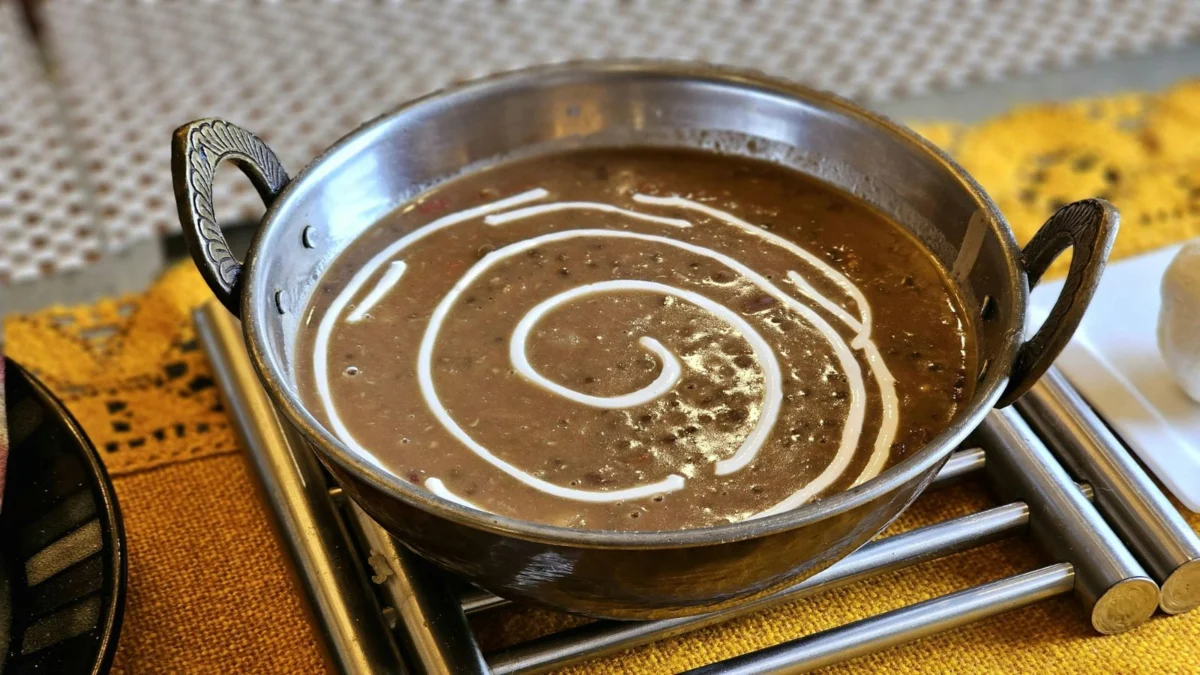
A culinary creation intended to be a flavorful twist on a beloved Indian classic has ignited a fiery debate across social media and among food enthusiasts. George Calombaris, the renowned former judge of MasterChef Australia, has found himself at the center of a storm after unveiling his "non-vegetarian" rendition of dal makhani, a dish traditionally celebrated for its rich, slow-cooked vegetarian purity. The chef’s decision to incorporate chicken stock cubes into the iconic lentil preparation has drawn sharp criticism, with many accusing him of disrespecting and "ruining" an authentic Indian staple.
The controversy erupted following Calombaris’s demonstration of his modified recipe in a widely circulated Instagram Reel. While the celebrity chef himself repeatedly prefaced his creation by emphasizing that it was "not authentic" and merely "his version," this disclaimer did little to quell the ensuing backlash. The video, which has since gone viral, showcased a departure from the time-honored methods associated with dal makhani, a dish deeply entrenched in the culinary identity of the Indian subcontinent, particularly in the Punjabi tradition.
The Genesis of the Controversy: A Departure from Tradition
Calombaris’s Instagram Reel presented a recipe that deviated significantly from the slow-cooked, deeply flavorful Punjabi classic. His approach involved finely diced onions, garlic, and ginger, sautéed with fennel seeds, cumin seeds, Kashmiri chili, and garam masala. A modest amount of tomato was added, followed by soaked lentils and, crucially, chicken stock cubes. This substitution of a fundamental vegetarian ingredient with a non-vegetarian enhancer sent shockwaves through the online community.
The cooking process, as demonstrated by Calombaris, involved partially cooking the lentils before simmering them with the aromatics and spices for a comparatively shorter period of 20 to 25 minutes, until a thickened consistency was achieved. This accelerated method, coupled with the introduction of chicken stock, stands in stark contrast to the hours-long simmering that characterizes the authentic dal makhani, allowing the lentils to break down and meld with the rich, buttery, and creamy base.
The immediate reaction on social media platforms was swift and overwhelmingly negative. Users expressed dismay and disbelief at the chef’s culinary choices. One prominent comment articulated the sentiment of many: "You have a lot of non-vegetarian food already, why make something authentic vegetarian dish into a non-vegetarian dish by using chicken stock???" Another user emphatically stated, "Chicken Stock!!!! It’s absolutely a hardcore non-vegetarian person’s recipe… And it’s not black whole lentils right?? You tweaked it far far too much, I guess you should name this daal something else, it’s not a version of dal makhani in any which way." These comments highlight a deep-seated respect for the traditional preparation and a perception that Calombaris’s innovation was not an enhancement but a fundamental alteration that stripped the dish of its identity.
Chronology of the Culinary Uproar
The timeline of this culinary controversy can be traced through the following key events:
- Early June 2026: George Calombaris shares an Instagram Reel demonstrating his "non-vegetarian" version of dal makhani, incorporating chicken stock cubes. The video is accompanied by his explicit acknowledgment that the recipe deviates from tradition.
- Mid-June 2026: The Instagram Reel gains significant traction, going viral across social media platforms.
- June 14, 2026 (Evening IST): News outlets report on Calombaris’s recipe and the ensuing backlash, framing it as a controversy within the culinary world. The articles highlight the specific ingredients and methods used, alongside critical user comments.
- Ongoing: The debate continues to unfold on social media, with discussions extending beyond the immediate reaction to encompass broader themes of culinary authenticity, cultural appropriation, and the role of celebrity chefs in reinterpreting traditional dishes. Food critics and culinary historians begin to weigh in on the significance of dal makhani and the implications of such modifications.
Supporting Data: The Cultural and Commercial Significance of Dal Makhani
The fervent reaction to Calombaris’s altered dal makhani is deeply rooted in the dish’s profound cultural and commercial significance within India and globally. As celebrity chef Gautam Kumar observed, dal makhani is not merely another dish on the menu; it is often considered a benchmark for judging the quality and authenticity of Indian restaurants.
Origin and Evolution: The origins of dal makhani are widely attributed to Kundan Lal Gujral, who, in 1947, established the Moti Mahal restaurant in Delhi. He is credited with developing the iconic "Dal Bukhara," a slow-cooked, buttery, and creamy preparation of black lentils (urad dal) and kidney beans (rajma). The dish’s rich flavor profile and luxurious texture quickly garnered widespread acclaim.
The ITC Maurya Influence: The popularity of dal makhani in fine dining establishments experienced a significant expansion after the ITC Maurya hotel in New Delhi introduced its own celebrated version, "Dal Bukhara." This inspired numerous other hotels and restaurants across India and internationally to develop their own interpretations of the dish. The success of these versions cemented dal makhani’s status as a signature dish in Indian haute cuisine.
A Restaurant’s Reputation: Chef Gautam Kumar’s insights underscore the critical role dal makhani plays in the perception of Indian eateries. He stated, "People often judge the quality of Indian food in a hotel or restaurant by the standard of its dal makhani. In many ways, dal makhni plays nearly a 50% role in building or damaging the reputation of an outlet." This statement highlights that for many diners, a well-executed dal makhani is a testament to a restaurant’s culinary prowess, its understanding of traditional flavors, and its commitment to quality ingredients and techniques. The dish has become a litmus test, capable of either elevating a restaurant’s standing or contributing to its downfall.
Nutritional Considerations: While celebrated for its taste, it’s also important to acknowledge the nutritional profile of traditional dal makhani. Chef Kumar also pointed out that, "Despite its popularity, Kumar acknowledged that dal makhani is not considered a particularly healthy dish due to the use of a large amount of butter and cream, which make it calorie-dense." This inherent richness, while contributing to its appeal, also means that any alteration, particularly one that adds complexity or deviates from the established flavor profile, is met with intense scrutiny.
Official Responses and Expert Opinions
While there has been no official statement from George Calombaris beyond his own disclaimers in the video, the culinary community has responded vocally. The primary "response" has come in the form of widespread criticism from social media users and food bloggers, who have voiced their concerns about the perceived disrespect to a traditional dish.
Culinary Authenticity vs. Innovation: The debate centers on the age-old tension between culinary authenticity and the drive for innovation. While many chefs champion the idea of pushing boundaries and reinterpreting classic dishes, the modification of a dish as culturally significant as dal makhani, particularly by a foreign chef, has been perceived by some as a step too far.
The Role of Celebrity Chefs: Celebrity chefs often wield considerable influence, and their interpretations can shape public perception and culinary trends. When a chef of Calombaris’s stature modifies a beloved dish, it brings a heightened level of attention, but also increased scrutiny. The argument from critics is that if the intention is not to honor the original, then a new name should be given to the creation to avoid confusion and misrepresentation.
Cultural Nuance: The use of chicken stock in a dish traditionally prepared with vegetarian ingredients raises questions about cultural understanding and appropriation. While culinary traditions evolve, critics argue that significant alterations to iconic dishes require a deep respect for their origins and a nuanced understanding of their cultural context. The backlash suggests that Calombaris’s attempt, despite his stated intentions, may have fallen short of this delicate balance for many.
Implications of the Culinary Controversy
The controversy surrounding George Calombaris’s non-vegetarian dal makhani has several significant implications for the culinary world and beyond:
- Heightened Awareness of Culinary Heritage: The strong reaction underscores the deep emotional and cultural connection people have with traditional dishes. It serves as a reminder that certain foods are not just ingredients but repositories of history, identity, and cultural pride. This incident has likely amplified discussions about the importance of preserving and respecting culinary heritage.
- The Power of Social Media in Food Discourse: The rapid spread of the video and the ensuing debate highlight the immense power of social media platforms in shaping public opinion and driving culinary conversations. Food criticism, once largely confined to professional reviewers, is now democratized, with everyday users having a significant voice.
- Navigating Authenticity in a Globalized Kitchen: In an increasingly globalized culinary landscape, chefs are constantly experimenting and blending traditions. This controversy raises pertinent questions about where to draw the line between respectful adaptation and the appropriation or dilution of cultural dishes. It prompts a consideration of how chefs should approach modifying iconic recipes, especially those with deep cultural roots.
- The Brand Reputation of Celebrity Chefs: For chefs like Calombaris, such controversies can impact their public image and brand. While innovation is often lauded, alienating a significant portion of a dish’s traditional fanbase can have repercussions. It emphasizes the need for chefs to be mindful of the cultural context and potential reception of their culinary experiments.
- Educational Opportunities for the Public: The debate also presents an educational opportunity. It has prompted many to delve deeper into the origins and traditional preparation of dal makhani, fostering a greater appreciation for the intricacies of Indian cuisine. Understanding why certain ingredients and methods are crucial to a dish’s identity can enrich the public’s culinary knowledge.
- The Future of Fusion Cuisine: While this particular instance has been met with criticism, it doesn’t necessarily signal an end to fusion cuisine. Instead, it may encourage a more thoughtful and informed approach to blending culinary traditions, one that prioritizes understanding, respect, and clear communication with the audience. The future of successful fusion may lie in chefs who can artfully combine elements while acknowledging and honoring the source of their inspiration.
In conclusion, George Calombaris’s non-vegetarian dal makhani has served as a potent catalyst for discussions on culinary authenticity, cultural respect, and the evolving nature of food in a globalized world. While the chef’s intent may have been to offer a novel and accessible recipe, the passionate outcry from many underscores the profound significance of dal makhani as more than just a dish – it is a cultural touchstone, a symbol of tradition, and a testament to the rich tapestry of Indian culinary heritage. The debate, while contentious, ultimately highlights the enduring power and importance of food in shaping cultural identity and fostering global culinary dialogue.
