

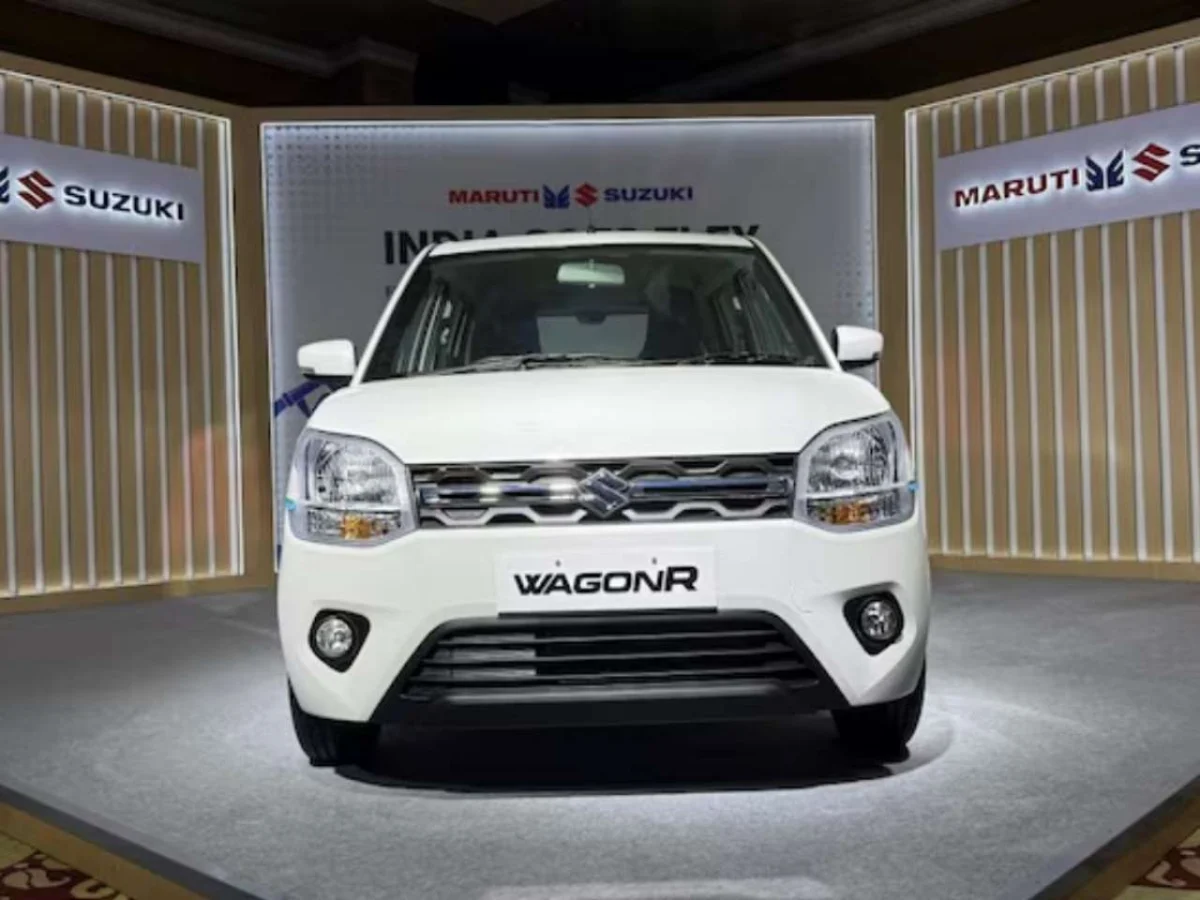
New Delhi, India – June 15, 2026 – Maruti Suzuki, India’s largest automaker, has officially launched its groundbreaking WagonR Flex Fuel, marking a pivotal moment in the nation’s journey towards sustainable mobility. Priced at an ex-showroom ₹7.24 lakh, this innovative vehicle is capable of running on 100% ethanol (E100), positioning it as India’s first passenger car to offer such advanced flex-fuel capability. The launch signifies a major leap in adopting alternative, cleaner fuels, aligning with the government’s ambitious goals to reduce fossil fuel dependency and curb vehicular emissions.
Main Facts: A Landmark in Sustainable Mobility
The introduction of the Maruti Suzuki WagonR Flex Fuel is not merely another product launch; it is a strategic declaration of intent from the automotive giant to actively participate in India’s green energy transition. By offering a mass-market vehicle capable of running entirely on ethanol, Maruti Suzuki is directly addressing the urgent need for eco-friendlier transportation solutions.
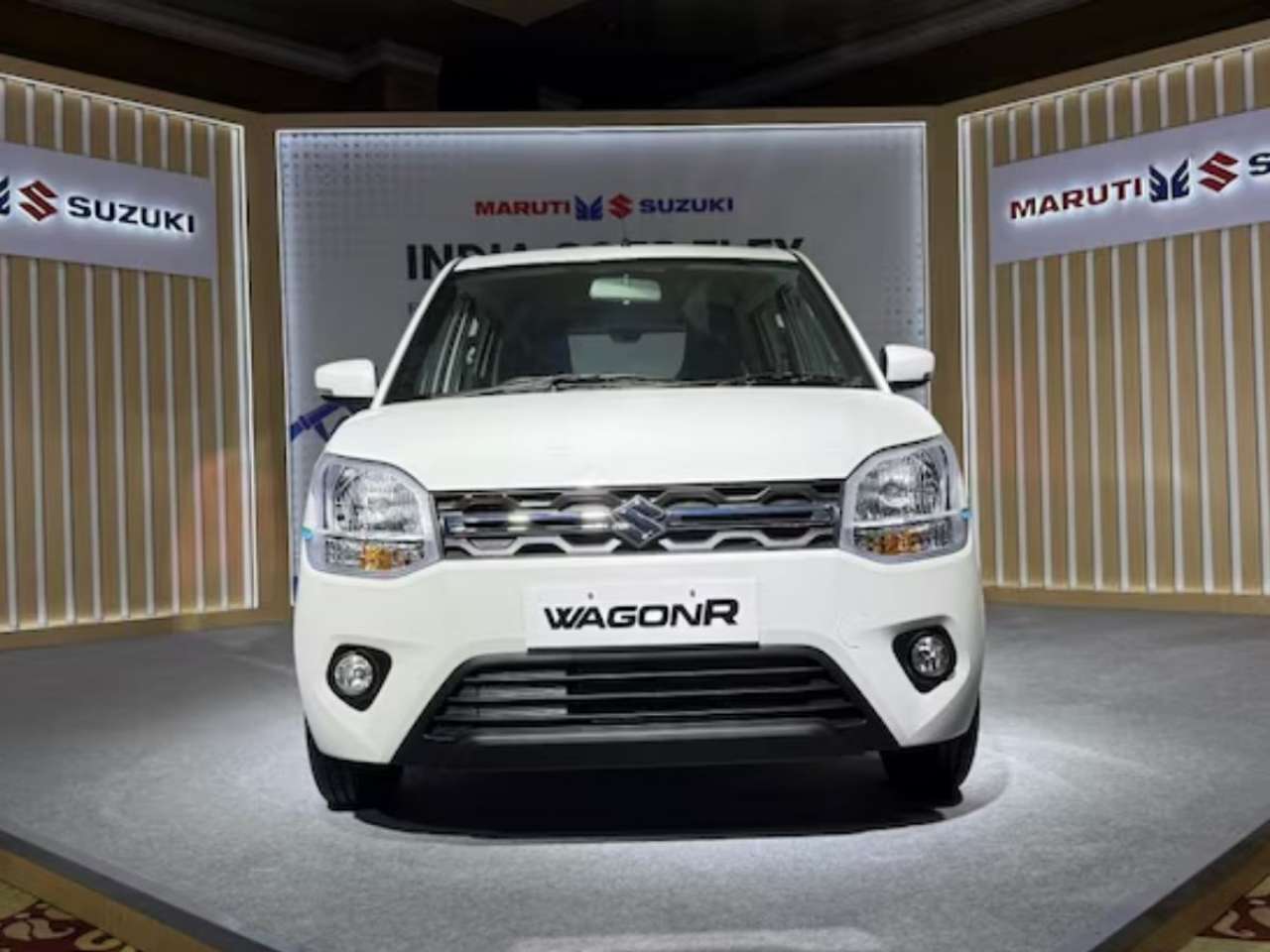
Key Features and Specifications:
- Pioneering E100 Compatibility: The most significant aspect of the new WagonR is its ability to operate seamlessly on pure ethanol (E100), in addition to various ethanol-petrol blends ranging from E20 to E85. This versatility offers consumers unprecedented flexibility at the fuel pump, depending on the availability and pricing of different ethanol blends.
- Pricing and Variant: The WagonR Flex Fuel enters the market at an attractive ex-showroom price of ₹7.24 lakh. It is based on the popular and well-equipped WagonR ZXi+ 1.2-litre petrol manual trim, ensuring that buyers do not compromise on features or comfort for environmental benefits.
- Engine Modifications for Flex-Fuel Capability: Adapting an engine to handle higher concentrations of ethanol, especially E100, requires significant engineering modifications. While Maruti Suzuki has not released specific technical details, these typically include:
- Enhanced Fuel Delivery System: Upgraded fuel pump, fuel lines, and injectors made from materials resistant to ethanol’s corrosive properties.
- Recalibrated Engine Control Module (ECM): A sophisticated ECM capable of detecting the ethanol content in the fuel and automatically adjusting ignition timing, fuel injection, and other engine parameters for optimal performance and efficiency, regardless of the blend.
- Advanced Sensors: Incorporating ethanol content sensors to accurately determine the proportion of ethanol in the fuel mixture, allowing the ECM to make real-time adjustments.
- Durability Enhancements: Reinforcements to critical engine components to withstand the potentially different combustion characteristics and wear patterns associated with high-ethanol fuels.
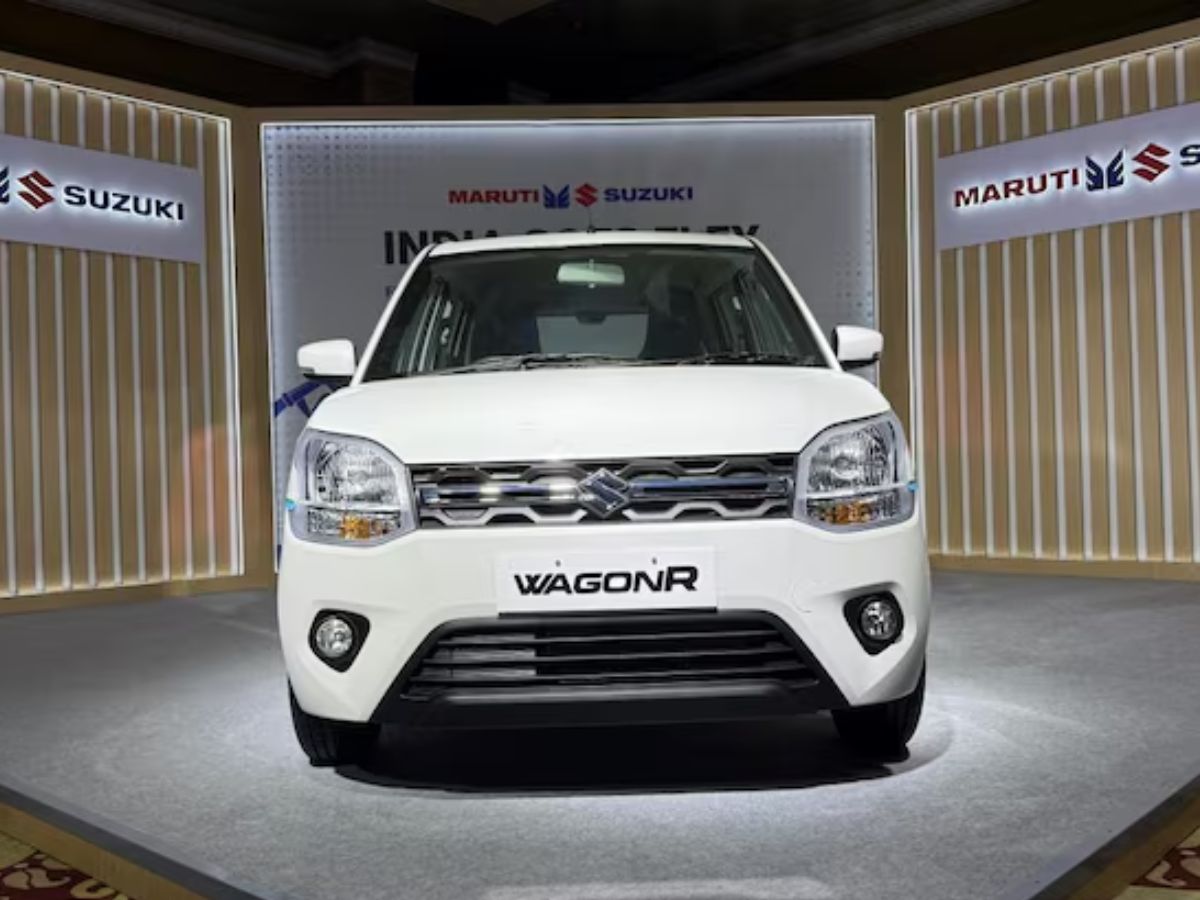
- Design and Practicality Retained: True to the WagonR’s philosophy, the Flex Fuel variant retains the iconic "tall-boy" design, which has been a hallmark of its success. The exterior features a distinctive "Flex Fuel" badge at the rear, subtly distinguishing it from its petrol-only counterparts. Internally, the cabin maintains its practical and spacious layout, featuring a dual-tone finish, a 7-inch touchscreen infotainment system, steering-mounted controls, and a generous 355-litre boot space, prioritizing utility and passenger comfort.
- Performance Focus on Cleanliness: Maruti Suzuki has emphasized that the primary focus of the WagonR Flex Fuel is on delivering cleaner mobility rather than raw performance metrics. While specific power, torque, or mileage figures for the E100 mode have not been disclosed, the expectation is that performance will be comparable to the petrol variant, with the added benefit of significantly reduced emissions. This strategic choice underscores the vehicle’s role in the broader environmental agenda.
Chronology of Development and Launch: A Vision Materializes
The journey towards the WagonR Flex Fuel has been a culmination of sustained efforts by both the automotive industry and the Indian government, driven by a shared vision for a greener future.
)
Early Initiatives and Maruti Suzuki’s Green Commitment:
Maruti Suzuki has long been a pioneer in introducing alternative fuel options in India. Its extensive range of factory-fitted CNG vehicles has been instrumental in offering cost-effective and cleaner mobility solutions for over a decade. This commitment was further extended with the introduction of mild-hybrid and strong-hybrid technologies in various models, demonstrating a continuous pursuit of diverse green powertrain options. The development of a flex-fuel vehicle was a natural progression, aligning with the company’s long-term sustainability goals and its deep understanding of the Indian market’s evolving needs.
Government’s Proactive Push for Ethanol Blending:
The Indian government, spearheaded by the Ministry of Road Transport and Highways and the Ministry of Petroleum and Natural Gas, has been aggressively promoting ethanol blending since the early 2000s. Initially aiming for E10 (10% ethanol blend), the targets were significantly accelerated. The ambitious target of achieving E20 (20% ethanol blend) nationwide by 2025, and a long-term vision for higher blends including E85 and E100, provided a clear policy framework for automakers to invest in flex-fuel technology. Union Minister Nitin Gadkari has been a particularly vocal proponent, consistently advocating for ethanol as a viable and sustainable alternative to petrol, emphasizing its role in reducing import bills and supporting the agricultural sector.

The Auto Expo 2023 Prototype Unveiling:
While the WagonR Flex Fuel made its "final form" debut in June 2026, the groundwork was laid much earlier. Maruti Suzuki showcased a prototype of its WagonR Flex Fuel at the Auto Expo 2023, offering a glimpse into its advanced engineering capabilities. This prototype demonstrated the company’s readiness and commitment to developing E85-compatible vehicles, laying the foundation for the E100 variant launched today. The Auto Expo unveiling served as a crucial step, generating industry buzz and signaling Maruti Suzuki’s leadership in this emerging segment.
The Grand Official Launch on June 4th, 2026:
The official launch event on June 4th, 2026, was a high-profile affair, underscoring the national importance of this development. Union Ministers Nitin Gadkari (Road Transport and Highways) and Hardeep Singh Puri (Petroleum and Natural Gas) graced the occasion, personally unveiling the WagonR Flex Fuel. Their presence highlighted the strong governmental backing for flex-fuel technology and its integration into the national energy strategy. The timing of the launch, coinciding with India’s accelerated ethanol blending program, beyond the E20 mandate, further amplified its significance. The event served as a powerful endorsement, projecting confidence in ethanol as a mainstream automotive fuel.
)
Supporting Data and Context: The Broader Ethanol Ecosystem
The launch of the WagonR Flex Fuel is best understood within the wider context of India’s robust ethanol blending program and its profound environmental and economic implications.
The Ethanol Blending Program (EBP) in India:
India’s EBP is one of the most aggressive and successful biofuel initiatives globally. Driven by twin objectives – reducing crude oil imports and mitigating pollution – the program has seen rapid acceleration.
)
- Goals and Progress: The initial target was to achieve E10 blending by 2022, which was largely met. The subsequent goal of E20 by 2025 was advanced from its original 2030 timeline, reflecting the government’s urgency. The long-term vision extends to E85 and ultimately E100, which the new WagonR directly supports. As of mid-2026, India is making significant strides towards universal E20 availability, with many states already having achieved this target.
- Sources of Ethanol: India primarily produces ethanol from sugarcane molasses, a byproduct of the sugar industry. However, the government is increasingly encouraging diversified feedstock, including surplus rice, maize, and damaged food grains, to ensure sustained supply and reduce reliance on a single agricultural commodity. This diversification also supports farmers by providing an additional revenue stream.
Environmental Impact: A Breath of Fresh Air:
The environmental benefits of ethanol are compelling, especially in a country grappling with severe air pollution in its urban centers.
- Reduced Carbon Emissions: Ethanol, being a bio-fuel, results in lower lifecycle greenhouse gas emissions compared to fossil petrol. While tailpipe emissions of E100 might vary slightly in composition, the "well-to-wheel" analysis often shows a significant reduction in overall carbon footprint, as the carbon dioxide released during combustion is largely offset by the CO2 absorbed by the plants (sugarcane, maize) during their growth.
- Improved Air Quality: Ethanol combustion generally produces fewer harmful pollutants like carbon monoxide (CO), unburnt hydrocarbons (HC), and particulate matter (PM) compared to pure petrol. This translates to better urban air quality, reducing respiratory illnesses and improving public health outcomes. The complete combustion of ethanol also produces fewer aromatics and olefins, which are precursors to ground-level ozone formation.
Economic Impact: Fueling Growth and Self-Reliance:
The economic rationale behind ethanol blending is equally powerful, addressing critical national priorities.
)
- Reduced Crude Oil Imports: India is one of the world’s largest crude oil importers, spending billions of dollars annually. Replacing a portion of petrol with domestically produced ethanol directly reduces this import bill, saving valuable foreign exchange and strengthening the rupee. This move contributes significantly to India’s energy security and reduces its vulnerability to global oil price fluctuations.
- Boost to Domestic Agriculture: The ethanol blending program provides a guaranteed market for agricultural produce, particularly sugarcane and grains. This stable demand encourages farmers to increase production and offers them better prices, contributing to rural prosperity and income stability. It also helps manage surplus agricultural produce, preventing wastage and supporting the farm economy.
- Potential for Stable Fuel Prices: As ethanol is domestically produced, its price is less susceptible to international geopolitical events and crude oil market volatility. This can potentially lead to more stable and predictable fuel prices for consumers over the long term, offering a hedge against global energy shocks.
Technological Aspects of Flex Fuel Vehicles:
The engineering behind flex-fuel technology is sophisticated, allowing a single vehicle to run on a wide range of fuel compositions.
- Material Compatibility: Ethanol is more corrosive than petrol and can degrade certain plastics, rubbers, and metals. Flex-fuel vehicles utilize specialized materials for fuel lines, tanks, pumps, and injectors to ensure durability and prevent leaks or damage.
- Engine Control Module (ECM) Adaptation: The brain of the flex-fuel system is the ECM. It uses input from the ethanol content sensor to precisely adjust fuel injection timing, spark advance, and air-fuel mixture. This adaptive capability ensures optimal engine performance, emissions control, and fuel efficiency across all ethanol-petrol blends. Without this sophisticated control, an engine would run poorly or suffer damage on high ethanol blends.
- Cold Start Capability: Ethanol has different cold-start properties than petrol. Flex-fuel vehicles often incorporate advanced fuel heating systems or additional small injectors to introduce a burst of petrol during cold starts, ensuring reliable ignition in low temperatures. This is particularly crucial in regions with colder climates.
Official Responses and Industry Outlook: A Collective Push
The launch has garnered enthusiastic responses from government officials and has prompted a closer look at the broader industry landscape.
)
Statements from Maruti Suzuki Leadership:
At the launch event, senior executives from Maruti Suzuki reiterated the company’s unwavering commitment to sustainable mobility. "The WagonR Flex Fuel is a testament to Maruti Suzuki’s dedication to leading India’s green automotive transition," stated a company spokesperson. "By offering India’s first E100-compatible passenger vehicle, we are not just launching a car; we are contributing to a national movement towards energy independence and a cleaner environment. The WagonR, with its mass-market appeal and proven reliability, is the ideal platform to democratize this cutting-edge technology and make sustainable choices accessible to millions of Indian families. We envision a future where flex-fuel technology plays a significant role alongside our diverse portfolio of CNG, hybrid, and electric vehicles." The company also hinted at plans to expand its flex-fuel offerings to other popular models in its lineup in the coming years.
Government Perspectives and Endorsements:
Union Minister Nitin Gadkari, a staunch advocate for alternative fuels, lauded Maruti Suzuki’s initiative. "This is a truly momentous occasion for India," Gadkari declared. "The WagonR Flex Fuel aligns perfectly with our vision of ‘Atmanirbhar Bharat’ (Self-Reliant India) and our commitment to reducing pollution. Ethanol, derived from our farmers’ produce, offers a sustainable, indigenous, and economically viable alternative to imported fossil fuels. I congratulate Maruti Suzuki for their pioneering spirit and for bringing this advanced technology to the masses. This vehicle will play a crucial role in achieving our E20 and future E100 blending targets, bolstering our agricultural sector and making our air cleaner."
)
Hardeep Singh Puri, Minister of Petroleum and Natural Gas, emphasized the importance of a robust fuel infrastructure. "The launch of the E100-compatible WagonR underscores the rapid progress India is making in its ethanol blending program," Puri commented. "Our ministry is working tirelessly to expand the availability of E20, E85, and eventually E100 at fuel stations across the country. The industry’s proactive adoption of flex-fuel technology complements our efforts, creating a synergistic ecosystem for green mobility. This vehicle will empower consumers with choice and contribute significantly to our energy security."
Industry Reactions and Challenges:
The automotive industry has largely welcomed Maruti Suzuki’s move, viewing it as a significant catalyst. While several manufacturers have showcased flex-fuel prototypes or made commitments, Maruti Suzuki is the first to bring an E100-compatible passenger vehicle to the market. Other OEMs are expected to follow suit, intensifying the development and launch of their own flex-fuel models.
However, challenges remain. The primary concern is the widespread availability of higher ethanol blends, especially E85 and E100, across the vast geographical expanse of India. While the government is investing heavily in expanding ethanol production and distribution infrastructure, a nationwide rollout will take time. Furthermore, consumer awareness and acceptance of ethanol as a primary fuel source will be crucial for the success of this technology.
)
Implications for the Indian Automotive Market and Consumers: A New Horizon
The Maruti Suzuki WagonR Flex Fuel is poised to reshape various facets of the Indian automotive landscape, from market dynamics to consumer choices.
Market Transformation and Competition:
The launch sets a new benchmark for the Indian automotive market. Maruti Suzuki, by being the first to offer an E100-compatible vehicle, gains a significant early-mover advantage. This will undoubtedly spur other manufacturers to accelerate their flex-fuel development programs. We can expect to see a surge in flex-fuel offerings across different segments, leading to healthy competition and a wider array of choices for consumers. This diversification also reduces the market’s dependence on any single fuel type, enhancing overall resilience. The move also signals a clear direction for R&D investment within the industry, shifting focus towards sustainable powertrain solutions alongside electric vehicles.
)
Consumer Benefits: Choice, Cost, and Conscience:
For the Indian consumer, the WagonR Flex Fuel offers a compelling proposition:
- Fuel Flexibility and Choice: Drivers will have the freedom to choose their fuel based on availability, price, and personal preference, whether it’s petrol, E20, E85, or E100. This flexibility is a significant advantage in a dynamic fuel market.
- Potential for Lower Running Costs: If ethanol is priced competitively or lower than petrol (which is often the case due to lower excise duties and domestic production), consumers could benefit from significantly reduced running costs, making daily commutes more affordable.
- Environmental Consciousness: Owning a flex-fuel vehicle allows consumers to actively contribute to a cleaner environment, aligning with growing public awareness and demand for sustainable products. This "green halo" can be a powerful motivator for many buyers.
Consumer Concerns and Challenges:
Despite the numerous benefits, consumers might face certain initial challenges:
)
- Infrastructure Availability: The immediate and widespread availability of E85 and E100 fuel stations across all regions will be critical. While E20 is becoming common, higher blends might take longer to penetrate remote areas. This "chicken and egg" situation (vehicles vs. infrastructure) needs careful management.
- Perceived Performance Differences: While manufacturers strive for comparable performance, some consumers might perceive a slight drop in power or mileage on higher ethanol blends. Transparent communication from automakers will be essential to manage these expectations.
- Maintenance and Resale Value: Initially, there might be questions regarding the long-term maintenance costs and resale value of flex-fuel vehicles, though these typically stabilize as the technology becomes more mainstream. Educating mechanics and service centers on flex-fuel specific requirements will be important.
Future Outlook: A Multi-Fuel Future:
The launch of the WagonR Flex Fuel firmly establishes flex-fuel technology as a crucial pillar in India’s multi-pronged strategy for future mobility. It complements the ongoing push for electric vehicles (EVs) and hybrid vehicles, recognizing that no single solution can address the diverse needs of the vast Indian market. The success of the WagonR Flex Fuel will likely pave the way for more widespread adoption of ethanol as an automotive fuel, driving further investment in agricultural feedstocks, ethanol production facilities, and a robust dispensing infrastructure. This move by Maruti Suzuki signifies not just the launch of a new car, but the beginning of a new chapter in India’s quest for energy independence and environmental stewardship. The road ahead for green mobility is complex, but with pioneering steps like the WagonR Flex Fuel, India is confidently driving towards a cleaner, more sustainable future.
