

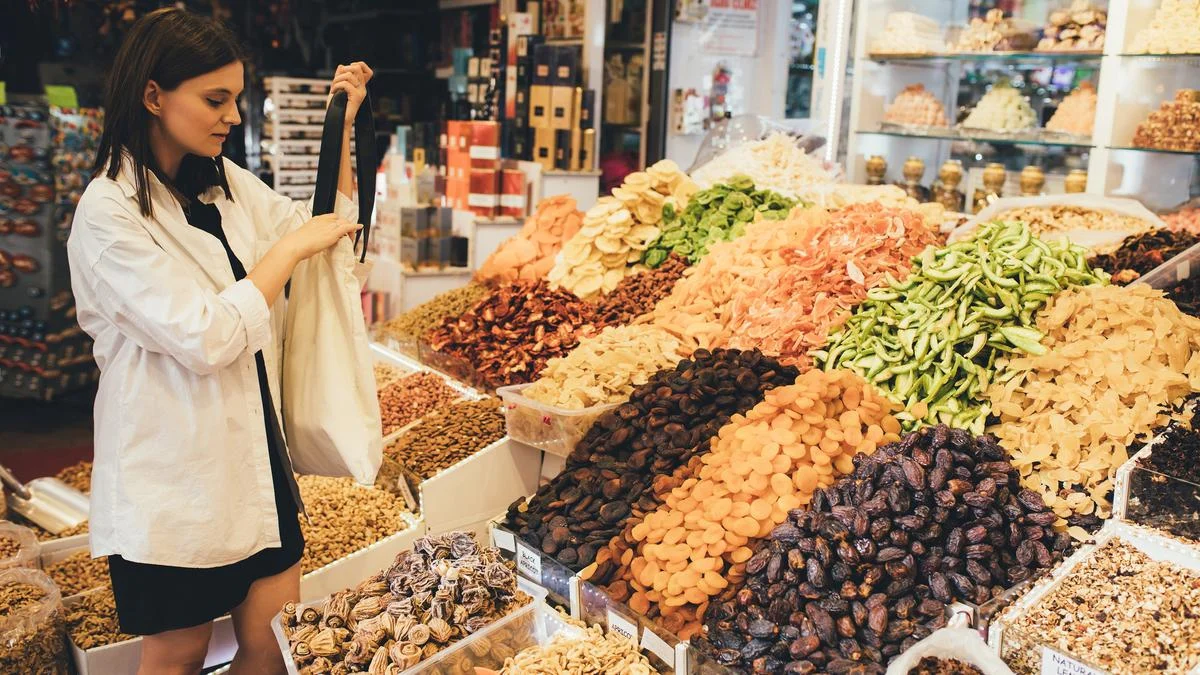
In the modern era of travel, the traditional souvenir—a refrigerator magnet, a mass-produced keychain, or a "I Love New York" t-shirt—is losing its luster. For the contemporary Indian globetrotter, the ultimate memento is no longer something that sits on a shelf; it is something that sizzles in a pan or seasons a curry.
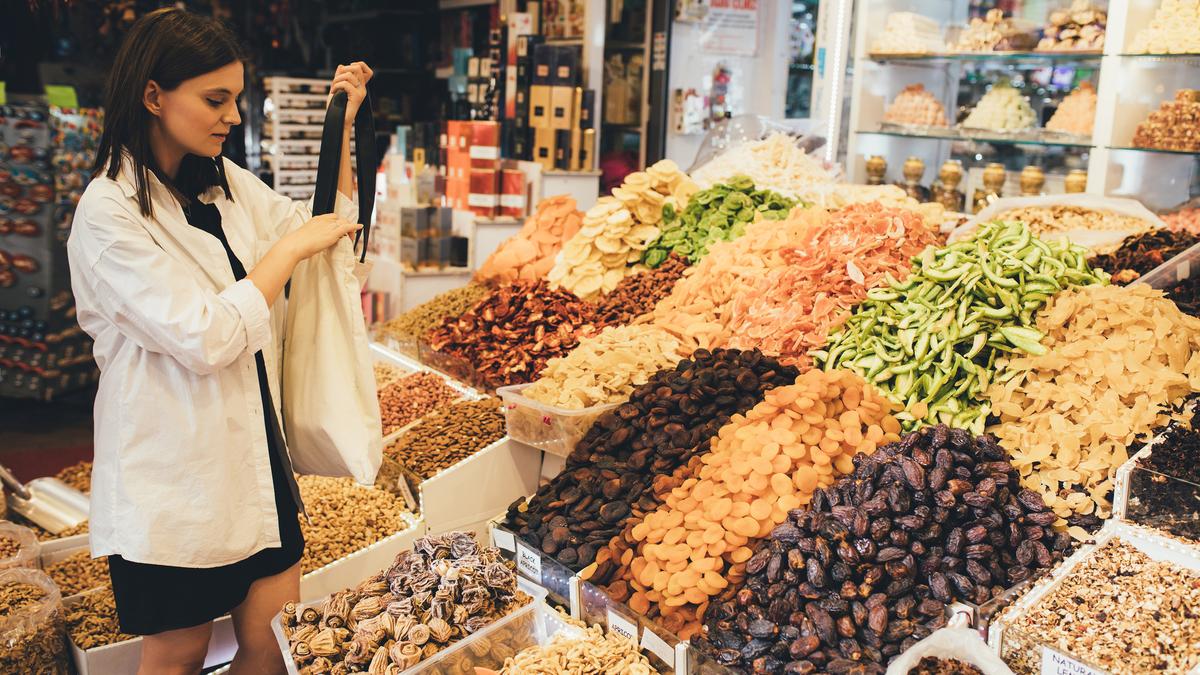
From the fluorescent-lit aisles of Tokyo’s Don Quijote to the aromatic spice stalls of Lucknow’s Chowk, a significant shift in consumer behavior is unfolding. This phenomenon, termed "Grocery Tourism," sees travellers prioritizing local supermarkets, artisanal food markets, and heritage cookware stores over traditional sightseeing landmarks. According to recent industry insights, a staggering 84% of Indian travellers now admit to being open to—or actively planning—the purchase of kitchen or pantry staples while on holiday.
Main Facts: The Shift from Sightseeing to Staple-Hunting
Grocery tourism is defined by the intentional exploration of a destination’s food retail landscape. It is not merely about grabbing a snack for the hotel room; it is about sourcing ingredients that are either unavailable, prohibitively expensive, or of inferior quality back home.
For Karthika Ganapathy, a Chennai-based finance professional, travel is synonymous with culinary curation. Armed with meticulously researched Google Lists, Ganapathy represents a growing tribe of Indians who view supermarkets as cultural museums. Her lists are comprehensive, spanning from rare Southeast Asian sauces and high-grade Wagyu fats to specialized cookware that promises to replicate the "authentic" taste of her travels in her home kitchen.
The trend is bifurcated into two distinct categories:
- The International Ingredient Hunt: Travellers visiting Japan for Santoku knives and matcha; Italy for cold-pressed olive oils and aged balsamic; or Bali for sambal pastes and organic coconut sugars.
- The Domestic Heritage Search: Urban Indians travelling to Goa for artisanal choriz and kokum, or to Lucknow for specific attars and spice blends that have been perfected over centuries.
This shift suggests that for the Indian middle and upper-class traveller, the "experience" of a destination is now inextricably linked to its flavor profile and the ability to "import" that experience back into their daily lives.
Chronology: The Evolution of the Culinary Souvenir
The journey from the "duty-free chocolate" era to the "specialty miso" era has been shaped by three decades of globalization.
The 1990s – Early 2000s: The Era of Scarcity
In the immediate post-liberalization years, Indian travellers primarily sought items that were unavailable in India. This usually meant mass-market brands: Hershey’s chocolate, Tang, or Kraft cheese. The focus was on "foreign" brands rather than "local" ingredients.
2010 – 2019: The MasterChef Effect
The explosion of food media and the arrival of global cooking shows in Indian households changed the narrative. Indian consumers became familiar with ingredients like quinoa, kale, truffle oil, and sourdough. As domestic supermarkets began stocking these items, the "wow factor" of mass-market foreign goods diminished. Travellers began seeking authenticity—the specific brand of pasta used in a Roman trattoria or the exact grade of saffron found in a Kashmiri market.
2020 – Present: The Post-Pandemic "Authenticity" Boom
The COVID-19 pandemic acted as a catalyst. Locked indoors, many Indians turned to gourmet cooking as a hobby. When borders reopened, the desire to connect with the source of these ingredients intensified. Social media platforms like Instagram and TikTok further fueled this by popularizing "supermarket hauls," where influencers showcase the aesthetic and exotic appeal of foreign grocery aisles. By 2024, the "grocery haul" had become a legitimate travel sub-genre.
Supporting Data: Mapping the Indian Grocery Traveller
Recent surveys conducted by travel conglomerates and retail analysts highlight the scale of this trend.
- Spending Power: On average, grocery tourists earmark between 15% and 25% of their total shopping budget specifically for food-related items.
- Top Destinations for Food Shopping:
- Japan: Leads for kitchenware (knives, ceramic graters) and pantry staples (miso, dried seaweed).
- Thailand/Vietnam: Popular for condiments, fish sauces, and specialized rice varieties.
- France/Italy: Dominate the luxury segment with cheeses, wines, and oils.
- Domestic (India): Kerala (spices), Himachal Pradesh (fruit preserves and honey), and Goa (vinegars and local spirits).
- Demographics: While Gen Z leads the "viral snack" trend (seeking out limited-edition Oreos or regional chips), Millennials and Gen X focus on "legacy ingredients" and heirloom cookware that offer longevity.
The data also reveals a logistical shift: a 12% increase in travellers purchasing "extra baggage" allowance specifically for the return leg of their journey, often citing the weight of glass jars and heavy cookware as the primary reason.
Official Responses: Industry Stakeholders Adapt
The travel and retail industries are not oblivious to this shift. Official responses from tourism boards and hospitality experts suggest a tactical pivot to accommodate the grocery tourist.
Tourism Boards:
"We are seeing a move away from the ‘monument-first’ itinerary," says a representative from a Southeast Asian tourism bureau. "Indian tourists are asking for guided tours of local markets and even ‘supermarket safaris’ where they can learn about local brands. We are now including local grocery chains as ‘must-visit’ spots in our official brochures."
Airlines and Logistics:
While airlines maintain strict weight limits, some premium carriers have begun offering "fragile" stickers specifically designed for culinary items like olive oil bottles or wine. Retailers in major airports have also shifted their inventory, moving away from generic perfumes toward high-end local food hampers.
Retail Analysts:
"The Indian consumer is becoming a ‘prosumer,’" notes a retail analyst based in Mumbai. "They aren’t just consuming; they are sourcing with the eye of a professional. This has led to the rise of ‘destination retail,’ where the store itself—like Eataly in Europe or the Tsukiji outer market in Tokyo—becomes the primary reason for the trip."

Implications: How Grocery Tourism is Changing the World
The rise of grocery tourism carries significant implications for the global economy, local cultures, and the environment.
1. The "Glocal" Kitchen
As more Indians bring back international staples, the Indian home kitchen is becoming a site of culinary fusion. This "pantry-loading" allows for a more authentic recreation of global dishes, reducing the reliance on "Indianized" versions of international cuisine. It democratizes gourmet cooking, moving it from high-end restaurants to the home dining table.
2. Economic Support for Micro-Producers
Grocery tourism often bypasses large multinational corporations in favor of local artisans. A traveller buying attar from a 100-year-old shop in Lucknow or hand-pressed oil from a Tuscan farm is directly contributing to the preservation of traditional crafts and local economies.
3. Sustainability and Food Miles
While the trend supports local artisans, it also raises questions about sustainability. The carbon footprint of flying heavy jars of honey or liters of oil across continents is significant. However, proponents argue that this is offset by the "slow food" philosophy—buying high-quality, long-lasting items rather than disposable plastic souvenirs.
4. Regulatory Challenges
As grocery tourism grows, so does the scrutiny from customs and border protection agencies. Different countries have stringent laws regarding the movement of biological matter (seeds, raw meats, unpasteurized dairy). The rise of this trend is leading to a greater need for traveller education regarding what can and cannot be legally transported across borders.
Conclusion: The New Definition of "Well-Traveled"
The modern Indian traveller no longer measures the success of a trip by the number of photos taken in front of landmarks, but by the depth of their pantry. Grocery tourism represents a deeper, more visceral connection to the world. It is an acknowledgment that to truly understand a culture, one must eat like the locals—not just in their restaurants, but from their cupboards.
As Karthika Ganapathy prepares for her next trip, her Google List continues to grow. It is no longer just a shopping list; it is a roadmap of cultural exploration. In the aisles of a distant supermarket, among the labels in languages she may not speak, she finds a universal language: the language of flavor, heritage, and the enduring quest for the perfect ingredient. For the 84% of Indian travellers following in her footsteps, the world is no longer just a place to see—it is a place to taste, bottle, and bring home.
