

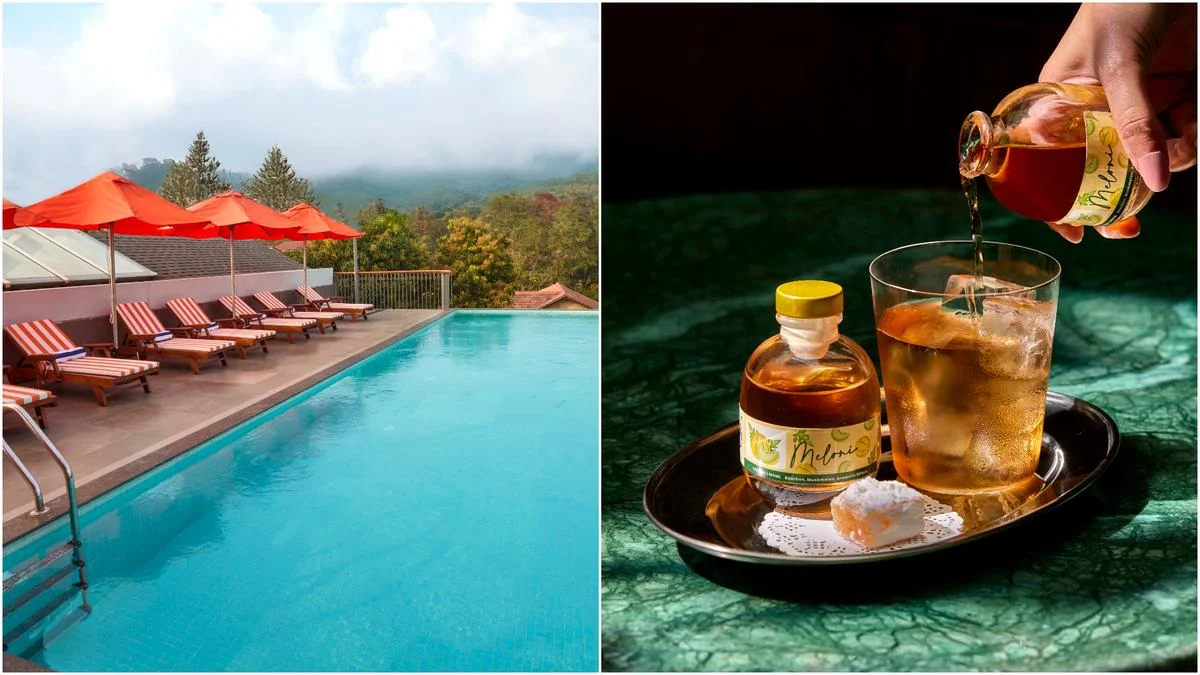
ASSAGAO, GOA – As the golden hour approaches 4:00 PM in the lush, leafy lanes of Assagao, a different kind of check-in ritual is unfolding. At The Passport Hotel, the traditional welcome juice has been replaced by the "Cherry Bomb"—a sophisticated blend of pink gin, sour cherry, vanilla, and sparkling wine. Here, the clinking of ice against crystal serves as the soundtrack to a new era of Goan tourism, one where the cocktail is not merely an amenity, but the very foundation of the guest experience.
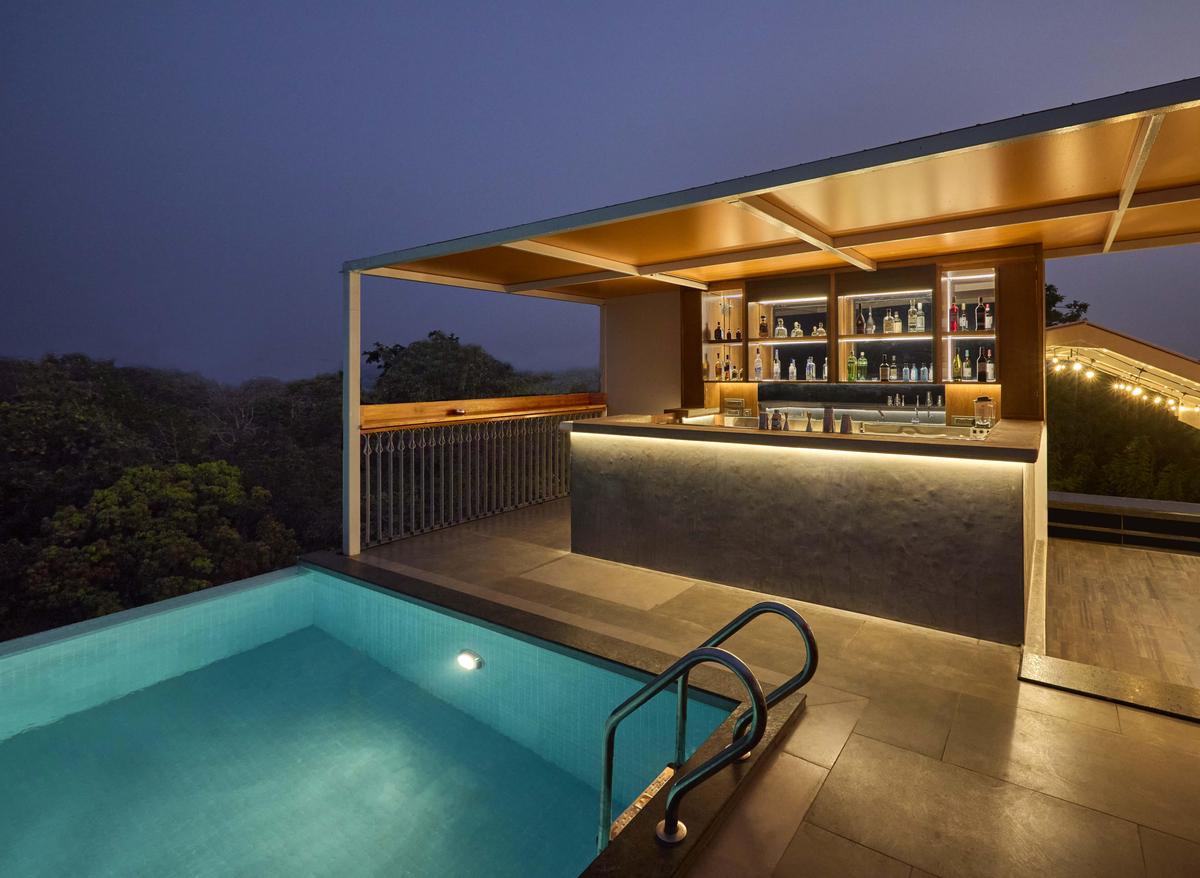
The Passport Hotel represents a growing shift in India’s leisure capital. Moving away from the sprawling, insular resorts of the south and the high-octane party hubs of the north, this boutique property focuses on "cocktail-forward" hospitality. It is a concept that treats the bar as the social and intellectual heart of the hotel, designed to push guests out into the local community rather than keeping them tethered to the property.
Main Facts: A Paradigm Shift in Boutique Lodging
Founded by hospitality veteran Ashesh L. Sajnani, The Passport Hotel is a response to the evolving global travel landscape. Drawing inspiration from the vibrant lobby cultures of New York, London, and Berlin, Sajnani sought to create a space where the boundaries between the hotel and the city blur.
The property’s "cocktail-forward" philosophy is manifested in three distinct pillars:
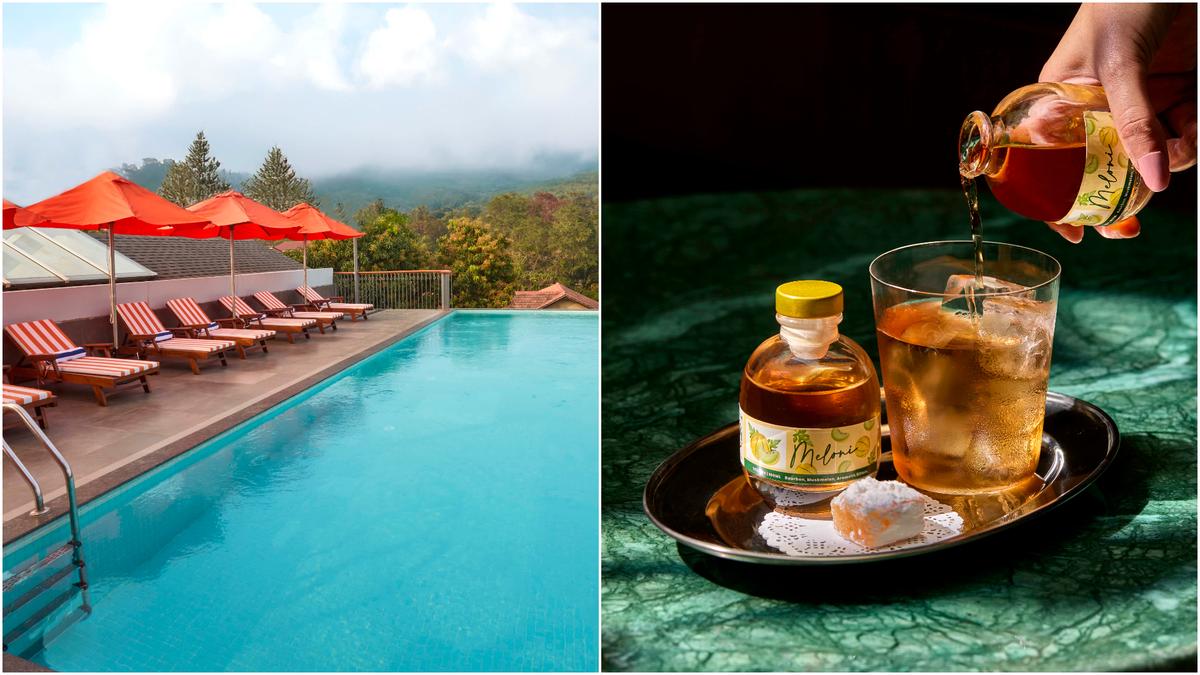
- The In-Room Experience: Every guest room is equipped with professional-grade DIY cocktail stations, complete with pre-batched signature blends and instructional modules.
- The Laboratory Ethos: The hotel’s "Mini Bar"—the lobby’s central hub—functions as a mixology lab where ingredients are fermented, macerated, and distilled in-house.
- The Stamp Collectors Program: A unique initiative that gamifies the exploration of Goa’s premier cocktail bars, incentivizing guests to discover the region’s burgeoning beverage scene.
With tariffs starting at ₹5,000, the hotel positions itself as an accessible yet high-concept destination for the modern traveler who prioritizes narrative and craft over traditional luxury tropes.
Chronology of the Experience: From Check-in to "The Morning After"
The Welcome and the Laboratory
The experience begins the moment a guest crosses the threshold. While most hotels process paperwork in a sterile lobby, The Passport Hotel integrates the guest into the "Mini Bar" environment immediately. On any given afternoon, bartenders can be found in "lab mode," experimenting with local botanicals. A common sight includes cauldrons of milk simmering with pandan leaves, the sweet, nutty aroma filling the air before the mixture is clarified and shaken into a contemporary cocktail.
The Masterclass in the Suite
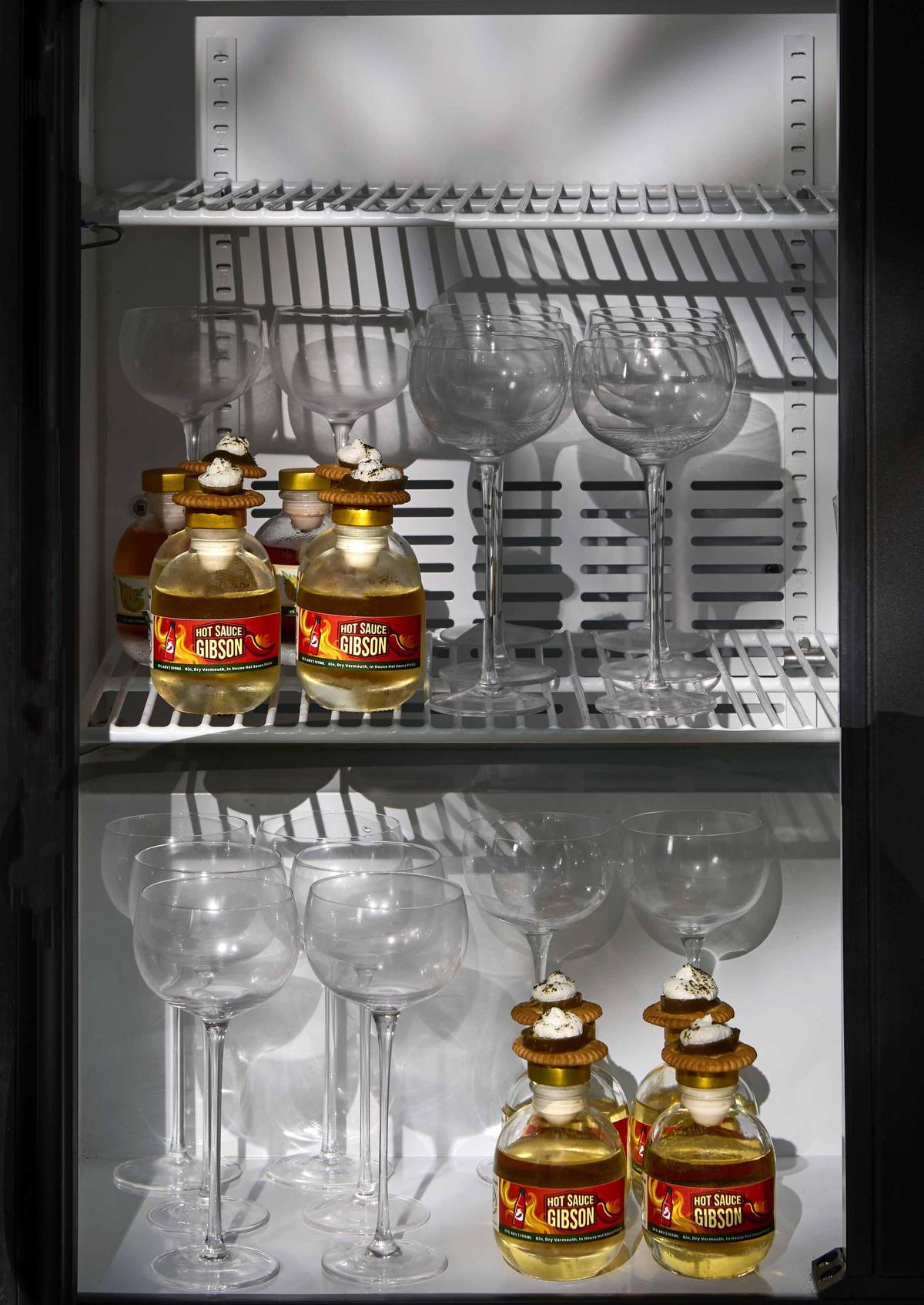
The immersion continues within the private quarters. Eschewing the standard mini-fridge stocked with overpriced sodas, the rooms feature a dedicated cocktail station. During a curated stay, guests are treated to a masterclass led by head bartenders like Gaurav, who demystify the art of pre-batching.
"Most of the ingredients are made in-house," Gaurav explains during a demonstration of the Meloni, a Bourbon-based drink. The process involves creating a melon "olio" (a sugary citrus or fruit oil) and utilizing every part of the fruit to adhere to zero-waste principles. This educational component transforms the guest from a passive consumer into an informed enthusiast.
The "Passport" Initiative
By evening, the hotel’s namesake program takes center stage. Guests are issued a physical "green passport" containing their photograph. The mission: visit eight of Goa’s most influential bars—including The Second House, Drop Dead Sexy, Juna, Hideaway, Boilermaker, Slow Tide, and Pablo’s—to receive a seal. A completed passport earns the guest a complimentary signature cocktail back at the hotel, creating a symbiotic relationship between the hotel and the local ecosystem.
Culinary Integration and Local Exploration
The hotel’s influence extends to the surrounding culinary landscape. The morning after a night of exploration, the focus shifts to recovery and regional flavors. The hotel’s Ros Omelette with poi (traditional Goan bread) serves as a bridge to the local culture, while nearby establishments like Cafe Saint Cloud in Sangolda and the modern South Indian restaurant Hosa in Siolim provide a gastronomic map for the guest to follow.
Official Responses: The Philosophy of "Active" Hospitality
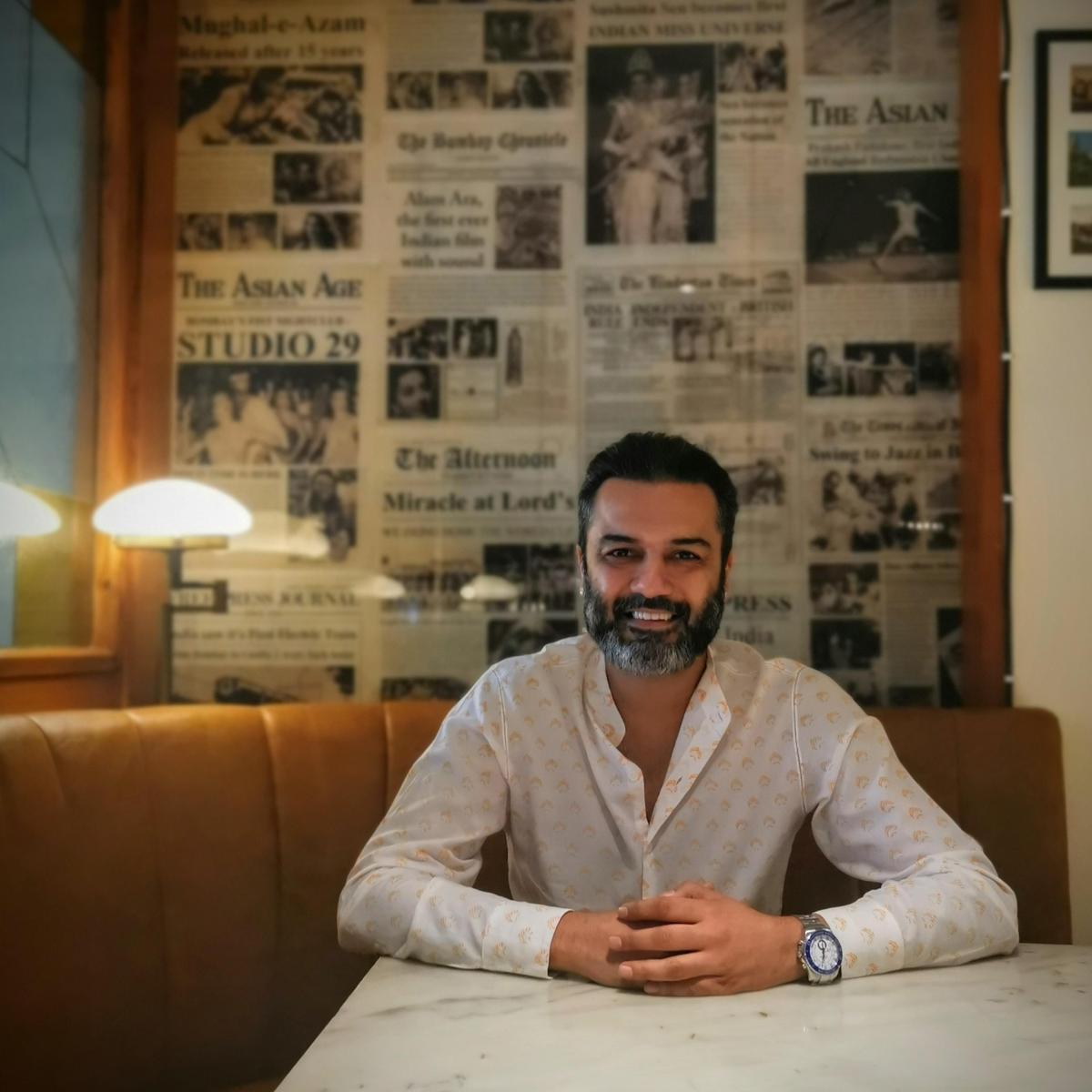
Ashesh L. Sajnani, the visionary behind the project, emphasizes that the hotel was never intended to be a "stay-in" resort.
"The idea for The Passport Hotel came from years of traveling across New York, London, and parts of Europe where the lobby feels alive; and the bar is the social heart of the hotel," Sajnani states. "Most hotels try to keep guests inside the property. We wanted to create a hotel that uses cocktail culture to send guests deeper into Goa."

Sajnani notes that the selection of bars for the Stamp Collectors Program was a rigorous process. "We selected bars that genuinely represent the evolving cocktail culture of Goa. It wasn’t about popularity alone; it was about identity, consistency, storytelling, and people who are pushing the industry forward in their own way."
This sentiment is echoed by the hotel’s staff, who act more as local concierges and curators than traditional service personnel. The General Manager’s willingness to personally facilitate transportation to off-beat spots like Pablo’s Bar in Assagao underscores a commitment to the guest’s journey over the hotel’s bottom line.
Supporting Data: Goa’s Evolving Beverage Landscape
The emergence of The Passport Hotel comes at a pivotal time for Goa’s economy. According to recent tourism data, Goa has seen a 25% increase in "experiential" travelers—those who seek local immersion over traditional sightseeing.
The Rise of Assagao
Assagao, often referred to as the "Village of Flowers," has transformed into Goa’s premier culinary and design district. The presence of heritage villas like Giulietta and Casa Ferrazzi provides a backdrop for high-end boutiques and avant-garde eateries. This concentration of creative energy makes it the ideal headquarters for a concept like The Passport Hotel.
The Mixology Boom
The "Stamp Collector" bars represent a significant investment in India’s beverage industry. Establishments like Hosa and Slow Tide are not just bars; they are culinary institutions. Hosa, led by Chef Harish Rao, exemplifies the "modern traditional" movement, serving innovative dishes like curry leaf pesto snapper and aubergine steak with ghee rice. This level of culinary sophistication supports a higher-tier beverage program, allowing for the use of fermented brines, house-made syrups, and complex macerations seen at The Passport Hotel.
| Feature | The Passport Hotel Approach | Traditional Hotel Approach |
|---|---|---|
| Welcome Drink | Craft Cocktail (e.g., Cherry Bomb) | Generic Fruit Juice |
| Room Amenity | DIY Cocktail Kit & Masterclass | Standard Mini-Bar |
| Guest Goal | Explore the City (Passport Program) | Remain on Property |
| Sustainability | Zero-waste syrups and olios | Pre-packaged garnishes |
| Vibe | "Lab" and "Social Heart" | Formal Lobby |
Implications: The Future of the Boutique Sector
The success of The Passport Hotel suggests a new blueprint for boutique hospitality in India. By focusing on a specific niche—cocktail culture—the hotel creates a "tribal" appeal that resonates with a specific demographic of well-traveled, culturally curious individuals.
1. Collaborative Competition
The Stamp Collectors Program is a masterclass in "co-opetition." By promoting other bars, The Passport Hotel strengthens the entire region’s reputation as a world-class drinking destination. This collective branding benefits all stakeholders and elevates Goa’s status on the global mixology map.
2. The Death of the Hangover?
Interestingly, the hotel’s focus on high-quality, house-made ingredients and "pre-batching" techniques—which allow for precise control over alcohol content and sugar levels—aligns with the global "wellness drinking" trend. Guests report a "fresh" wake-up experience, suggesting that the future of hospitality lies in quality of consumption rather than quantity.
3. Hyper-Local Integration
As travelers increasingly push back against "cookie-cutter" hotel experiences, properties that offer a gateway to the local neighborhood will thrive. The Passport Hotel’s integration with the villas of Assagao and the cafes of Sangolda demonstrates how a hotel can act as a pulse-point for an entire community.
In conclusion, The Passport Hotel is more than a place to sleep; it is a curated lens through which to view a changing Goa. It proves that in the modern era of travel, the best way to keep a guest coming back is to encourage them to leave—and explore.
Contact Information:
The Passport Hotel is located at 37/2, Church Road, near Courtyard 2, Badem, Bardez, Assagao, Mapusa, Goa. Tariffs start at ₹5,000.
