

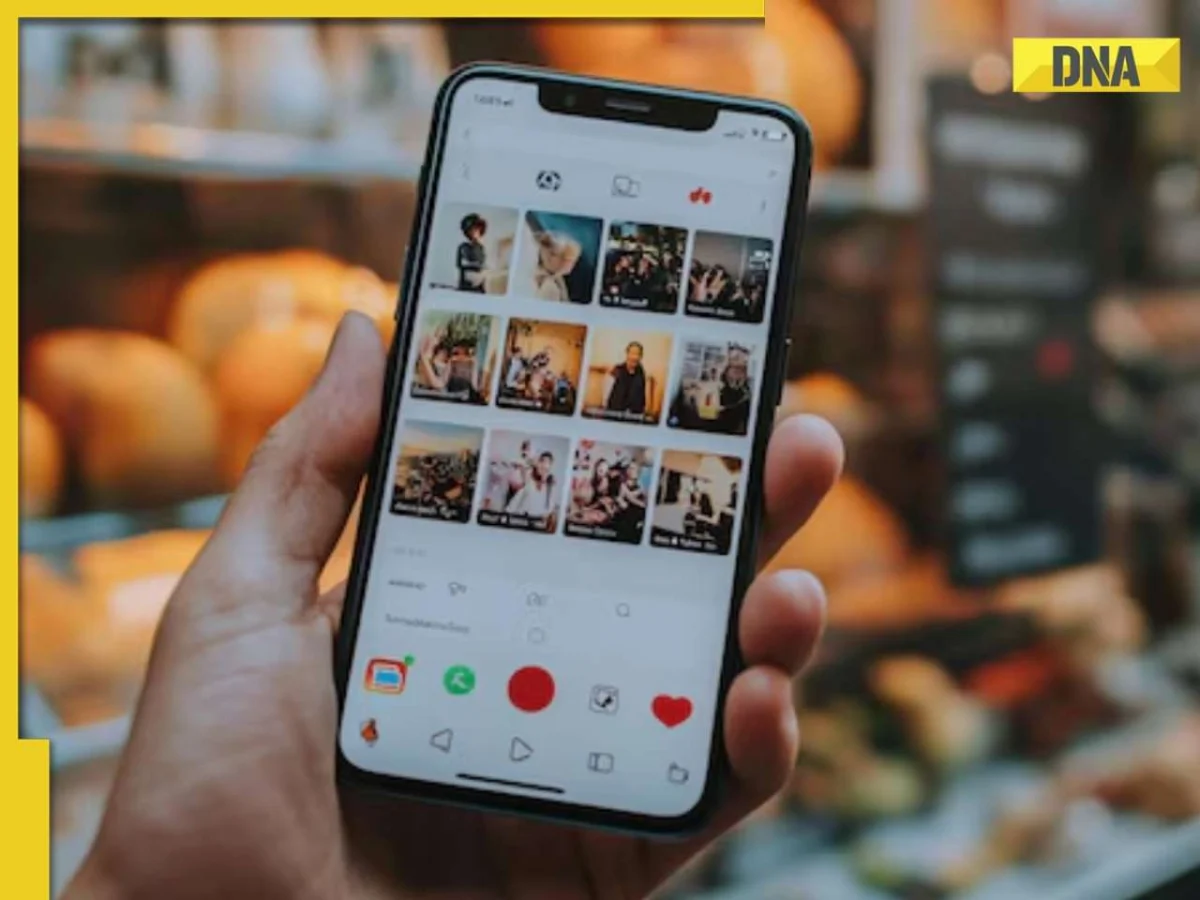
In an era defined by digital saturation and an ever-expanding marketplace, the very essence of consumer choice is undergoing a profound metamorphosis. Beyond the traditional calculus of price and quality, a potent new driver has emerged: aesthetics. Consumers are no longer merely purchasing products; they are investing in identities, seeking emotional resonance, and craving social validation, all of which are increasingly communicated and curated through visual appeal. This paradigm shift, from utilitarian value to aesthetic desirability, is fundamentally altering the landscape of marketing, branding, and consumer behaviour.
The once clear lines between functional necessity and subjective beauty have blurred, with visual presentation now serving as a primary gateway to consumer engagement. This evolution is not merely a fleeting trend but a strategic imperative for brands seeking to connect with a discerning and visually-oriented audience. As Oscar Wilde astutely observed, "The art that is frankly decorative is the art to live with." This sentiment, once confined to the realm of fine arts, has now permeated the commercial world, where the "decorative" is no longer an afterthought but a cornerstone of successful strategy.
The Digital Tsunami: Reshaping the Consumer Journey
The digital revolution has been the single most significant catalyst for this transformation. The transition from the tangible world of brick-and-mortar stores to the omnipresent digital marketplace has irrevocably altered consumer behaviour. The rise of artificial intelligence, the seamless integration of social media into commerce (social commerce), the ubiquity of mobile shopping, and the nascent but rapidly evolving metaverse have collectively sculpted a new retail ecosystem. Within this complex digital tapestry, algorithms, sophisticated metrics, and hyper-personalized recommendations reign supreme. Yet, amidst this technological prowess, a timeless element has resurfaced with remarkable vigour: beauty.
Aestheticism in marketing has transcended its status as a mere stylistic choice; it has ascended to a pivotal position in how consumers perceive, evaluate, and ultimately select brands. This is not simply about attractive packaging or visually pleasing advertisements; it encompasses the entire brand experience, from the user interface of a website to the ambiance of a physical store, and the very narrative a brand projects.
)
Beyond Utility: The Rise of Identity and Emotional Connection
The traditional marketing mantra, focused primarily on price and quality, has lost its singular dominance. Today’s consumers are driven by a more complex set of motivations. They seek to express their identities, to experience emotional gratification, and to gain social validation through their purchasing decisions. In a marketplace teeming with an overwhelming abundance of choices, products are increasingly viewed as extensions of personal lifestyles, aspirations, and values.
This shift is particularly pronounced among younger demographics, especially Generation Z. Platforms like Instagram and TikTok have profoundly reshaped consumer psychology, transforming everyday products into potent social symbols. The choice of a coffee shop is no longer solely about the beverage; it is about the curated ambiance, the "Instagrammability" of the décor, and the overall lifestyle it represents. Similarly, skincare products are evaluated not just for their efficacy but for their shelf appeal, while technology gadgets are chosen for their sleek design and seamless integration into a modern, aesthetically pleasing lifestyle.

The Genesis of Aesthetic Marketing: A Historical Perspective
The concept of aestheticism, the philosophical and artistic movement that emphasizes beauty and art for its own sake, has roots tracing back to the 19th century. Oscar Wilde was a prominent proponent of this philosophy, arguing that beauty possesses intrinsic value, independent of its practical utility. Today, this philosophy has been strategically adapted and amplified within the commercial sphere. It influences product design, packaging, retail environments, digital interfaces, and the overarching brand narrative.
Visual appeal is no longer an incidental feature; it is often the primary and most impactful communication tool a brand employs. Companies are increasingly investing in designing products and crafting experiences that are not just functional but also aesthetically pleasing, recognizing that a visually appealing presentation profoundly influences consumer perception and desirability. This deliberate cultivation of beauty is a strategic move to capture attention, evoke emotion, and foster a deeper connection with the consumer.
)
Global Brands as Aesthetic Architects
Numerous global and domestic brands have masterfully harnessed the power of aesthetics to forge strong consumer bonds. Apple, for instance, has built an empire on the foundation of minimalist design, transforming sleek lines and intuitive interfaces into a powerful and instantly recognizable brand identity. Glossier, a digital-native beauty brand, has cultivated a distinct pastel-hued ecosystem that resonates with its target audience, creating a visual language that is both aspirational and approachable. Airbnb, in its quest to offer unique travel experiences, actively promotes visually appealing, "Instagrammable" accommodations, turning users into organic brand ambassadors.
In India, brands like Forest Essentials have successfully blended traditional Indian aesthetics with aspirational luxury, creating an opulent and sensorial experience. Qua, a contemporary jewelry brand, emphasizes minimalist design and elegant craftsmanship, appealing to a sophisticated consumer. Re-Ceremonial, a wedding planning and decor service, leverages intricate detailing and thematic visual narratives to create unforgettable experiences. Direct-to-consumer (D2C) brands such as boAt, known for its audio accessories, and The Souled Store, offering pop culture-inspired apparel, employ vibrant and visually dynamic branding to captivate younger, digitally native consumers.
)
The influence of aesthetic marketing extends beyond product-centric industries. Cafés, boutique hotels, and lifestyle restaurants now heavily rely on their ambiance and "photo-worthiness" to attract and retain customers. The visual appeal of these establishments transforms patrons into active promoters, with their social media shares acting as powerful, organic endorsements.
Fashion, Identity, and the Currency of Cultural Capital
The fashion industry serves as a potent microcosm of the growing importance of aesthetics. Brands like Sabyasachi Mukherjee have elevated Indian couture by seamlessly integrating heritage craftsmanship with cinematic storytelling, effectively transforming aesthetics into a form of cultural capital. Weddings, once primarily personal celebrations, have evolved into meticulously curated events designed for digital visibility, where décor, visual coherence, and overall aesthetic contribute significantly to their social significance.
)
In today’s hyper-competitive attention economy, visibility itself has become a valuable form of currency. Products are expected to align with curated lifestyles and to communicate aspiration, social standing, and a sense of belonging. The visual presentation of a product or experience becomes a powerful signal, conveying not just its functional attributes but also the lifestyle and values it represents.
The Ethical Undercurrents of Aesthetic Dominance
While the ascendancy of aesthetic marketing offers compelling benefits for brands and consumers alike, it also raises significant ethical questions that warrant careful consideration.
)
Does Beauty Eclipse Substance? A primary concern is whether the overwhelming emphasis on visual appeal might lead to a situation where superficial attractiveness overshadows genuine quality and functional merit. Consumers might be swayed by visually pleasing presentations, potentially overlooking inherent flaws or a lack of true value in a product or service.
The Specter of Manipulation: There is a legitimate concern that sophisticated aesthetic strategies could be employed to manipulate consumer desires, blurring the lines between authentic value and manufactured desirability. Brands might create an illusion of worth through carefully crafted visuals, leading consumers to make purchasing decisions based on perception rather than objective assessment.
)
The Peril of Narrow Definitions of Beauty: A significant ethical challenge lies in the potential for narrow, often unattainable, definitions of beauty to marginalize and exclude vast segments of the population. If aesthetic standards are primarily dictated by a select group, it can lead to the alienation of individuals from diverse ethnic backgrounds, body types, socioeconomic statuses, and cultural origins. This can reinforce existing societal biases and create an exclusionary consumer landscape.
Inclusivity as a Strategic Imperative: Brands that embrace aesthetic marketing face the critical challenge of ensuring their visual strategies are inclusive and representative. True aesthetic appeal should not be synonymous with exclusivity. It requires a conscious effort to embrace diversity in all its forms, ensuring that the beauty celebrated in marketing resonates with and reflects the multifaceted nature of society. This means actively showcasing a wider range of individuals, celebrating diverse cultural expressions, and moving beyond a singular, often unrealistic, ideal.
)
The Enduring Power of Beauty in Commerce
Despite the ethical considerations, the rise of aestheticism in marketing is undeniably here to stay. It reflects a fundamental human desire for meaningful, emotionally rich, and aesthetically pleasing experiences. In a world saturated with information and choices, beauty offers a powerful heuristic, simplifying decision-making through emotional resonance and immediate impact.
Beauty in commerce has transcended its status as a mere luxury; it has become an expectation. It shapes how consumers interact with brands, influencing their perceptions, preferences, and loyalty. In the hyper-digital age, where attention is a scarce commodity, aesthetics provide a potent means of cutting through the noise, capturing imagination, and fostering memorable interactions.
)
Ultimately, beauty in marketing is no longer merely decorative. It is a deeply ingrained cultural force, a strategic imperative, a performative act, and a profoundly economic driver. Brands that fail to recognize and integrate the aesthetic imperative risk becoming invisible in an increasingly visually driven marketplace. The challenge and opportunity lie in harnessing this power responsibly, creating beauty that is not only desirable but also inclusive, authentic, and genuinely enriching for all consumers.
