

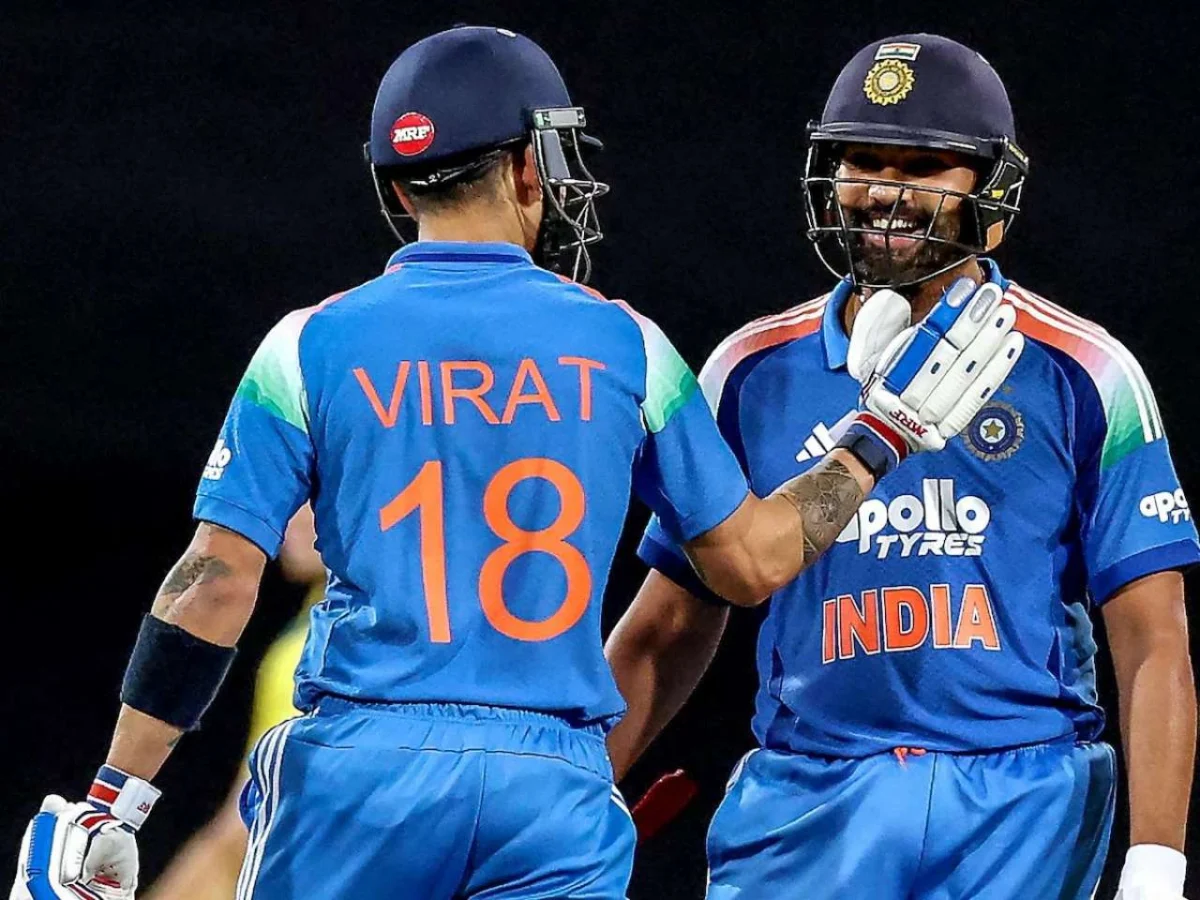
Mumbai, India – The Board of Control for Cricket in India (BCCI) has broken its silence, albeit with a calculated ambiguity, on the highly anticipated question of Rohit Sharma and Virat Kohli’s participation in the 2027 ICC Men’s ODI World Cup. In a move that has only intensified speculation rather than quelling it, BCCI secretary Devajit Saikia affirmed that strategic discussions are underway regarding the Indian team’s long-term plans, but firmly stated that such sensitive deliberations would remain strictly "within the boardroom."
This official stance offers a nuanced insight into the future trajectory of two of India’s most iconic cricketers, whose continued presence in the national squad for another global showpiece event remains a topic of fervent debate among fans, pundits, and former players alike. With the 2027 tournament still over three years away, the BCCI’s measured comments suggest a delicate balancing act between honouring the immense contributions of its veteran stars and strategically planning for the next generation of Indian cricketing talent.
Main Facts: BCCI’s Deliberate Secrecy
The core of the BCCI’s message, delivered by Secretary Devajit Saikia, revolves around a commitment to internal, comprehensive strategic planning for the 2027 ODI World Cup. Saikia emphasized that these discussions involve a broad spectrum of stakeholders, including the board’s leadership, the national selectors, the coaching staff, and the players themselves. However, he was unequivocally clear that the specifics of these conversations, particularly concerning the futures of senior players like Rohit Sharma and Virat Kohli, are not for public consumption.
"As the head of the board, we have a very well-knit team and a lot of experts. All stakeholders are taken on board. Whatever decisions are made involve the cricket committee, the selectors and all other stakeholders, including the support staff, the head coach and the players concerned. There are regular conversations taking place," Saikia informed news agency PTI. He further dismissed the notion of needing a "special session" for such matters, reiterating that these are "ongoing processes" and "strategic discussions" that are best kept confidential. "I am not authorised to speak about them before the media," he asserted, adding, "Secondly, these are matters that should remain within the boardroom."
This carefully worded statement, while confirming that the future of the star duo is indeed on the agenda, deliberately avoids any definitive pronouncements. It leaves open the possibility of their inclusion while simultaneously laying the groundwork for a potential transition, all under the veil of strategic secrecy. The implication is clear: no stone will be left unturned in preparing a formidable squad for 2027, but the path to that squad will be charted away from the glare of public scrutiny.
Chronology: The Journey to 2027 and Beyond
The discussion surrounding Rohit Sharma and Virat Kohli’s future is not new; it is a natural progression of their illustrious careers and the relentless march of time in professional sport. To understand the current climate, one must look back at their journey and the evolving landscape of Indian cricket.
The Illustrious Past: Pillars of Indian Cricket
Rohit Sharma and Virat Kohli have been indispensable figures in Indian cricket for well over a decade. Both have tasted the highs of World Cup glory in the T20 format (Kohli in 2011, though limited role, Rohit in 2007) and were central to India’s campaigns in multiple ODI World Cups. Their individual records speak volumes: Rohit, a prolific opener with three ODI double centuries, and Kohli, arguably the greatest ODI batsman of all time, holding records for most centuries in the format.
Their partnership, both as batsmen and eventually as captain and senior statesman, has been foundational to India’s white-ball success for years. The 2019 ODI World Cup saw both perform exceptionally, with Rohit being the leading run-scorer and Kohli not far behind.
The 2023 World Cup: A Heartbreaking Near Miss
The most recent and perhaps most poignant chapter in their World Cup journey was the 2023 edition on home soil. Rohit Sharma led the team with aggressive intent, providing electrifying starts, while Virat Kohli anchored the innings with unparalleled consistency, breaking Sachin Tendulkar’s record for most ODI centuries in the semi-final. The team’s dominant run to the final, winning ten consecutive matches, was largely built on their performances and leadership.
The crushing defeat in the final against Australia, however, left a deep scar. It was widely perceived as a golden opportunity missed, especially for a squad laden with experienced players like Rohit and Kohli, who were likely playing their last ODI World Cup on home turf. The emotional aftermath of that loss inevitably brought questions about succession planning and the future composition of the team to the forefront, albeit subtly at first.
Post-2023 World Cup Landscape: Shifting Sands
In the immediate aftermath of the 2023 World Cup, both players took a break from T20 Internationals, leading to significant debate about their T20I futures. While Kohli made a comeback for the 2024 T20 World Cup, this period of uncertainty highlighted the BCCI’s evolving approach to managing its senior players across formats. The focus shifted slightly towards younger talent in T20Is, indicating a potential blueprint for a staggered transition.
For ODIs, however, both have remained integral, participating in subsequent bilateral series. Their commitment to the 50-over format, coupled with their continued high-level performances, has kept them firmly in contention.
The Road to 2027: Milestones and Challenges
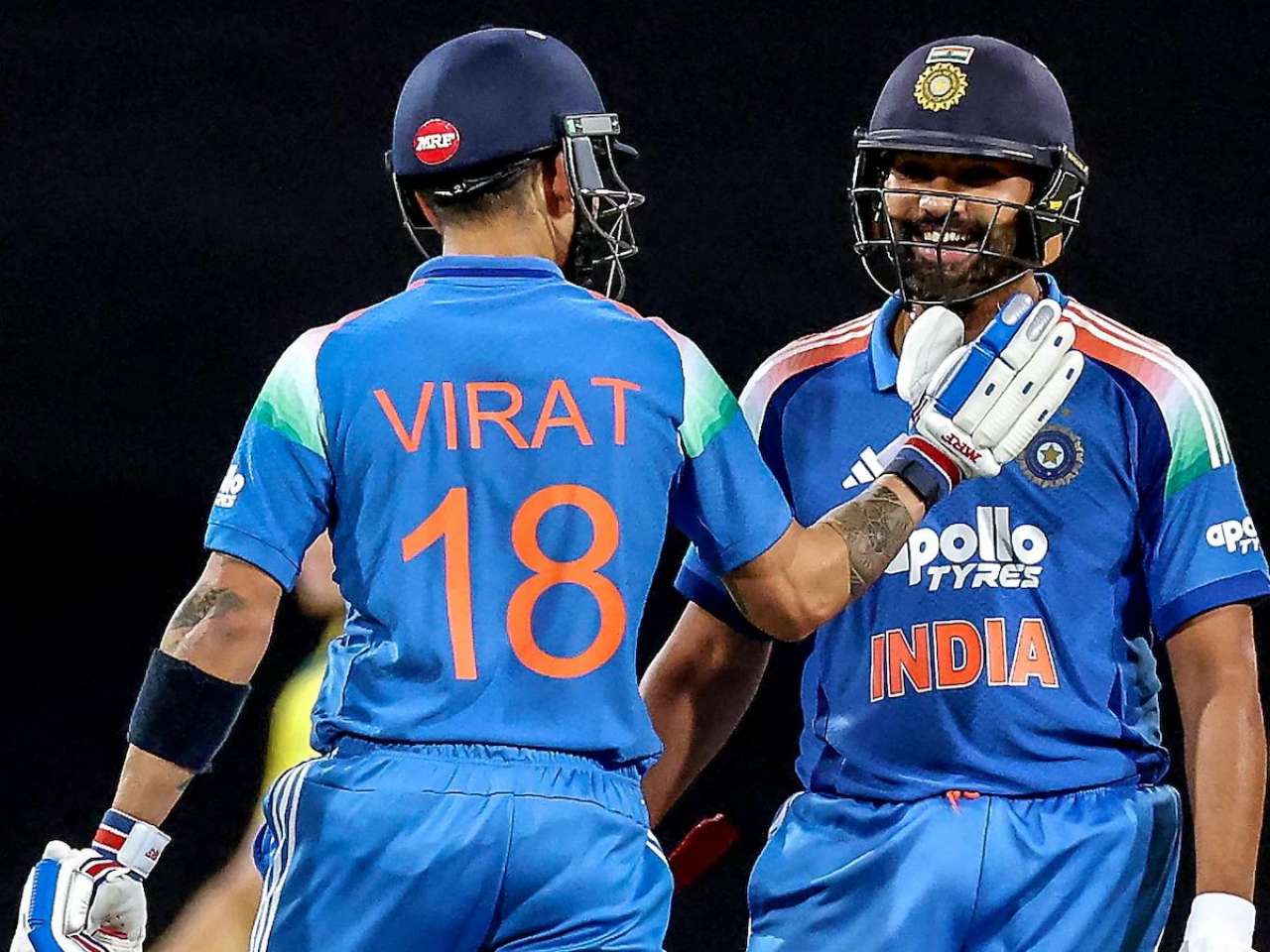
The next three years will be crucial. India is slated to participate in several bilateral ODI series, and more significantly, the 2025 ICC Champions Trophy, which will serve as a vital dress rehearsal and a testing ground for the 2027 World Cup squad. The Champions Trophy, a shorter tournament, will provide an early indication of the team’s readiness and the form of its key players.
The 2027 World Cup will be hosted by South Africa, Zimbabwe, and Namibia. The playing conditions, primarily in South Africa, will demand specific skill sets, particularly pace and bounce, which will factor into selection decisions. The journey from now until then is a long one, filled with opportunities for both established stars to solidify their claims and for emerging talents to stake theirs.
Supporting Data: Performance, Fitness, and Emerging Talent
The BCCI’s internal discussions will undoubtedly be heavily influenced by objective data concerning player performance, fitness, and the readiness of the next generation.
Rohit Sharma’s Recent ODI Form
As captain, Rohit Sharma has embraced a more aggressive, front-foot approach in ODIs, particularly evident in the 2023 World Cup. He scored 597 runs in 11 matches at an average of 54.27 and a blistering strike rate of 125.94. This aggressive template was crucial in setting the tone for India’s innings. While his overall ODI average might be slightly lower than his peak, his ability to provide explosive starts and lead from the front remains invaluable.
At 39 years old (come 2027), managing his workload and maintaining peak fitness will be paramount. Rohit has historically dealt with hamstring and other minor injuries, which necessitates careful monitoring and strategic breaks. His leadership experience, however, is a non-negotiable asset, having captained India across formats and led Mumbai Indians to multiple IPL titles.
Virat Kohli’s Recent ODI Form
Virat Kohli’s consistency in ODIs borders on the legendary. In the 2023 World Cup, he amassed an astounding 765 runs in 11 matches at an average of 95.62, including three centuries and six fifties. His ability to anchor the innings, rotate strike, and accelerate seamlessly remains unmatched. He continues to set new benchmarks for batting excellence in the format.
Kohli’s fitness standards are exemplary. Even at 37 years old (come 2027), he maintains a rigorous fitness regimen that allows him to perform at an elite level, both with the bat and in the field. His athleticism and dedication to physical conditioning are often cited as benchmarks for younger players. His presence in the middle order provides stability, experience, and an unmatched ability to chase down targets.
Ageing Gracefully vs. The Clock
The question of age is unavoidable. When the 2027 World Cup commences, Rohit Sharma will be turning 40, and Virat Kohli will be nearing 39. While both are recognized among the greatest batsmen in history, the physical and mental demands of modern international cricket are relentless.
History offers mixed examples. Sachin Tendulkar played until he was 40, but his final years saw a decline in his most prolific scoring. MS Dhoni continued playing limited-overs cricket until his late 30s, adapting his game significantly. Chris Gayle, through sheer power, extended his T20 career well into his 40s. However, these are exceptions rather than the norm.
The primary challenges for batsmen as they age include maintaining lightning-fast reflexes, hand-eye coordination, and the stamina required for long innings and demanding fielding. The constant travel, practice, and match intensity can take a toll. While both Rohit and Kohli have proven their dedication to fitness, the body’s recovery capabilities naturally diminish with age.
The Youth Brigade: Intensifying Competition
The emergence of a vibrant pool of young talent has undeniably intensified the competition for spots, especially in the batting department. The BCCI’s emphasis on nurturing younger players means that established stars can no longer take their places for granted.
- Openers: Shubman Gill is already an established opener, seen by many as a future captain. Yashasvi Jaiswal is rapidly rising in all formats, bringing a fearless left-handed option. Ruturaj Gaikwad and Ishan Kishan also provide depth.
- Middle Order: Shreyas Iyer, KL Rahul, and Sanju Samson are all experienced campaigners with proven ODI records. Rishabh Pant, upon his return, will also be a formidable contender. Rinku Singh’s finishing prowess in T20s could translate to ODIs.
- All-rounders: The search for genuine fast-bowling all-rounders and spinning all-rounders also impacts batting slots.
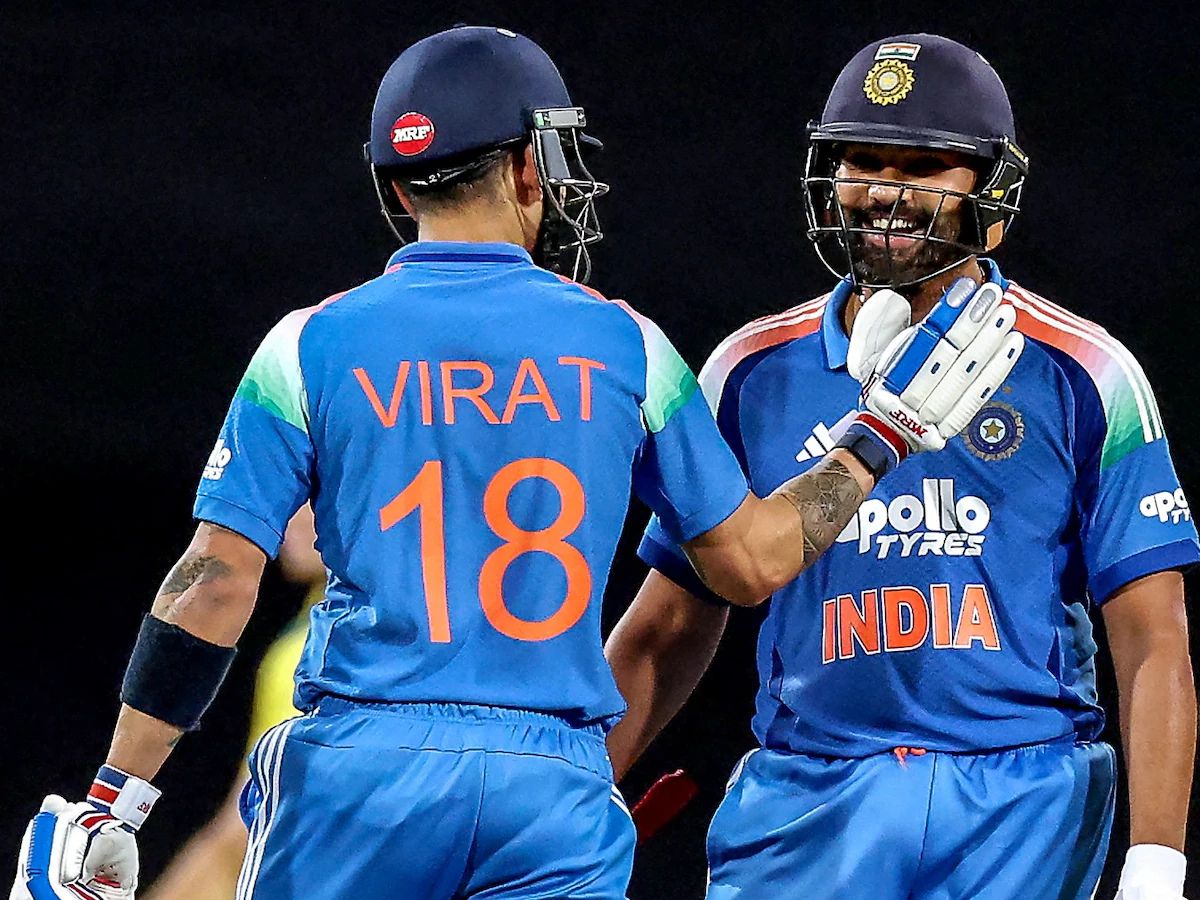
The selectors face a dilemma: to what extent do they prioritize immediate performance and invaluable experience (Rohit, Kohli) over future-proofing the squad with younger, hungrier talents who could be at their peak in 2027? A balanced squad requires a mix of both, but the available slots are finite.
)
Official Responses: The BCCI’s Stance and Nuances
Devajit Saikia’s comments represent the official BCCI line, and his choice of words is highly significant.
Detailed Breakdown of Saikia’s Comments
Saikia’s statement can be dissected to understand the underlying message:
- "Very well-knit team and a lot of experts. All stakeholders are taken on board.": This emphasizes a systematic and collaborative approach to team building. It suggests that decisions are not arbitrary but result from collective wisdom.
- "Regular conversations taking place… For that reason, we do not need any special session of interaction.": This implies that the discussions about player futures, including Rohit and Kohli, are not one-off events but an integral, ongoing part of strategic planning. The absence of a "special session" doesn’t mean a lack of discussion; it suggests these topics are embedded in routine strategic meetings.
- "I do not think I should disclose anything before the media or the public because these are strategic discussions. I am not authorised to speak about them before the media… these are matters that should remain within the boardroom.": This is the most crucial part. It highlights the BCCI’s desire to maintain complete control over the narrative and avoid public pressure. By categorizing these as "strategic discussions," they elevate them to a level of confidentiality typically reserved for sensitive operational matters. It also shifts responsibility, indicating that the final decisions will emerge from internal consensus rather than external influence.
Interpretation of Silence
The BCCI’s guarded approach is multi-faceted:
- Managing Expectations: By not making definitive statements, the BCCI avoids putting undue pressure on Rohit and Kohli to perform under a fixed timeline. It also manages fan expectations, preparing them for any eventuality.
- Maintaining Flexibility: The cricketing landscape can change rapidly. Player form, fitness, the emergence of new talent, and even coaching philosophies can evolve. Keeping discussions private allows the BCCI and selectors maximum flexibility to make decisions closer to the tournament based on the prevailing circumstances.
- Avoiding Media Sensationalism: Any public statement regarding the future of such high-profile players would instantly become a major headline, leading to intense debate and potentially divisive opinions. The BCCI aims to conduct its strategic planning away from this media frenzy.
- Allowing Natural Evolution: By not intervening publicly, the board allows for a more natural evolution of the team. If younger players consistently outperform the veterans, or if the veterans’ form declines, the transition can be managed more organically without a dramatic public declaration.
Historical Precedents
The BCCI has a history of managing transitions for its legendary players with varying degrees of public pronouncements. Sachin Tendulkar’s retirement was a grand, pre-announced affair. MS Dhoni’s retirement from Test cricket was abrupt, followed by a quiet exit from white-ball cricket years later. Rahul Dravid and VVS Laxman’s departures also involved private discussions and eventual public announcements. The common thread is that the BCCI prefers to control the timing and messaging. For players of Rohit and Kohli’s stature, the board understands the emotional weight of such decisions and aims to handle them with respect and strategic foresight.
Implications: What This Means for Indian Cricket
The BCCI’s current stance has significant implications, not just for Rohit Sharma and Virat Kohli, but for the entire ecosystem of Indian cricket.
Impact on Rohit and Kohli
For Rohit and Kohli, the BCCI’s comments, while not explicitly negative, place them under an unspoken but intense microscope.
- Constant Performance Pressure: They know that every innings, every fitness drill, every leadership decision will be scrutinized with the 2027 World Cup in mind. They cannot afford a prolonged dip in form or fitness.
- Maintaining Peak Fitness: The need to stay injury-free and maintain peak physical condition becomes even more critical. This might necessitate a more selective approach to their playing schedules, prioritizing international duties over other commitments.
- Individual Ambitions: Both players are fiercely competitive and undoubtedly harbor the desire to play another World Cup, especially after the heartbreak of 2023. This internal drive will fuel their efforts, but also adds to the mental burden.
- Mental Approach to Uncertainty: Dealing with the uncertainty of their long-term future, while maintaining focus on immediate tasks, will be a significant mental challenge. They will need to tune out external noise and focus on what they can control.
Team Composition and Strategy
The selectors face a monumental task in building the 2027 World Cup squad.
- Balancing Experience with Future-Proofing: The dilemma is profound. Dropping legends like Rohit and Kohli too soon risks losing invaluable experience and leadership. Holding onto them for too long risks hindering the development of younger talent and potentially having an aging squad that struggles with the physical demands of a long tournament.
- Staggered Transition vs. Abrupt Change: The BCCI’s private discussions suggest a preference for a managed transition. This could mean gradually integrating younger players alongside the veterans, giving them exposure and responsibility. An abrupt change, while sometimes necessary, can be jarring for team dynamics and fan sentiment.
- Leadership Beyond Rohit: If Rohit Sharma is not the captain for 2027, the grooming of the next leader (e.g., Shubman Gill, Hardik Pandya) becomes a critical strategic imperative. This involves giving them captaincy opportunities in various series and formats.
- Adapting to Conditions: The playing conditions in South Africa, Zimbabwe, and Namibia will require specific team strengths, particularly in the bowling department. The batting lineup will need players adept at handling pace and bounce.
Fan Expectations and Media Scrutiny
The Indian cricketing fanbase has an unparalleled emotional connection with its heroes.
- Emotional Attachment: Rohit and Kohli are not just players; they are icons. Any decision regarding their future will be met with intense emotional responses from millions of fans who have grown up watching them dominate.
- Inescapable Media Debate: Despite the BCCI’s desire for privacy, the media will continue to speculate and debate their futures. Every performance, every injury, every selection decision will be framed through the lens of 2027.
- Legacy Building: The manner in which their international careers conclude will significantly shape their legacies. A graceful transition, even if it means stepping aside, could be as impactful as another World Cup triumph.
The Path Forward
Ultimately, the path forward for Rohit Sharma and Virat Kohli, and for Indian cricket, hinges on a few critical factors:
- Consistent Performance: Their form in the next 18-24 months will be the most crucial determinant. Exceptional performances will make it difficult for selectors to look past them.
- Fitness Regimen: Their ability to remain fit and available for selection will be non-negotiable.
- Team Balance: The selectors will prioritize building the strongest possible squad, considering all facets of the game – batting, bowling, fielding, and team chemistry.
- Champions Trophy 2025: This tournament will be a litmus test for many players and for the team’s overall strategy.
The BCCI’s ‘silence’ is, in itself, a powerful statement. It signals that the board is engaged in a complex, high-stakes strategic exercise, where the ultimate goal is not just to accommodate legends but to build a World Cup-winning team for 2027. The future of Rohit Sharma and Virat Kohli, while currently shrouded in boardroom secrecy, will undoubtedly be shaped by their relentless pursuit of excellence and the evolving demands of Indian cricket. The cricketing world watches with bated breath as this intriguing narrative unfolds.
