

Music, in its purest form, possesses an almost alchemical ability to transcend the myriad divides that fragment humanity – be it nationality, creed, social strata, or language. It’s a universal balm, a shared language that can unite disparate souls through a single melody or a powerful lyric. Throughout history, this unifying force has been harnessed to ignite revolutions, challenge oppressive regimes, and spotlight the socio-cultural and economic injustices that plague societies. As Gil Scott-Heron famously proclaimed in his seminal 1971 piece, "The Revolution Will Not Be Televised," the truest transformations are not passively consumed but actively experienced, and music has often been the soundtrack to these live, unscripted movements.
This exploration delves into the profound impact of political and protest music, a dynamic intersection where artistic expression becomes a potent weapon for activism, transforming dissent into a melodious, resonant force. From the anthems of ancient movements to the digital calls to action of today, music has consistently served as a vital conduit for societal change.
The Enduring Power of Musical Artivism
Art, in its multifaceted forms, has always been a fertile ground for political expression. Music, in particular, offers a uniquely accessible and emotionally resonant medium to voice dissent, challenge authority, and articulate the grievances of the populace. It can pierce through the cacophony of official narratives, bypass logical defenses, and speak directly to the hearts and minds of listeners.
Historically, in times of significant oppression, music and art have often emerged as pivotal instruments of protest. While the repercussions for such acts of rebellion can be severe, particularly in contexts where freedom of expression is curtailed, countless artists continue to utilize their platforms to speak out against injustice. This phenomenon, often termed "artivism," blurs the lines between artistic creation and social advocacy, turning creative output into a powerful tool for societal transformation.
James Thakara, a musician who channels his observations into his work, articulates this connection: "I just try to react to the things happening around me. For example, ‘Paadilla’ was inspired by a space of fascism, while ‘Koran’s Anthem’ was against the corrupt politicians around us. You just need to be aware of the things happening around you in society and process it rather than forcing it into your art for namesake." His sentiment underscores the organic and authentic nature of protest music, where genuine experiences fuel the creative process.
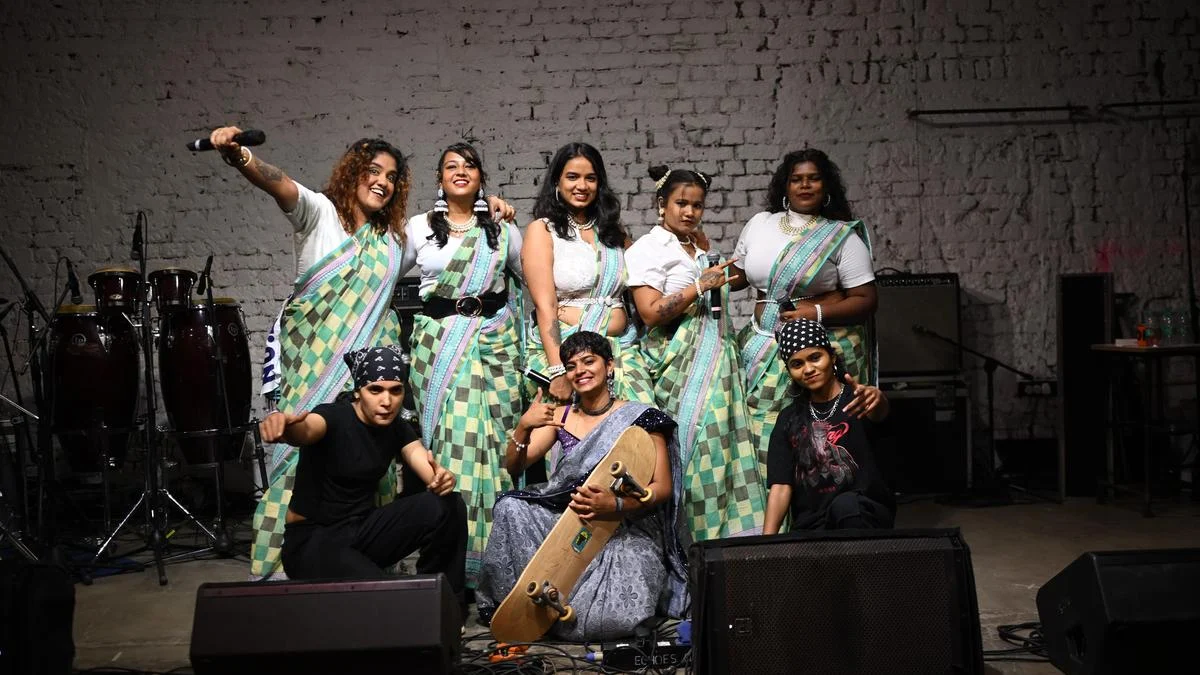
Similarly, the Indian all-female hip-hop collective, Wild Wild Women, highlights the pervasive nature of social issues in their artistic output: "For us, it happens quite naturally because we’re writing from our own lived experiences. As women in India, a lot of what we experience every day is connected to larger social issues, whether it’s gender bias, body shaming, safety, mental health, or simply the freedom to make our own choices." Their music, therefore, becomes a testament to the lived realities of marginalized communities, amplified through the potent medium of hip-hop.
The ability of music to transcend linguistic barriers and foster deep emotional connections makes it an indispensable tool in contemporary society. As Marvin Gaye poignantly captured in his iconic song "What’s Going On," the plea is not for violence but for dialogue:

"Picket lines and picket signs
Don’t punish me with brutality
Talk to me
So you can see
Oh, what’s going on"
This resonates with the core of protest music – a desire for understanding, for dialogue, and for a fundamental shift in societal consciousness.
A Symphony Through Time: The Historical Roots of Protest Music
The origins of political music are not a modern invention; they stretch back centuries, with remnants of songs expressing dissent towards authorities found as far back as the 17th century. Even ancient philosophers recognized music’s potent influence. Plato, in his Republic, emphasized music’s deeply political nature, suggesting it could bypass logic and reason to effect social change, though he also advocated for its censorship. This historical tension between music’s power and the desire to control it underscores its enduring significance as a tool of influence.
One of the earliest recorded protest songs that gained significant traction was the Italian folk song "Bella Ciao," meaning "Goodbye beautiful." This song, originating from the anti-fascist resistance movement during World War II, became a powerful anthem of defiance and liberation, echoing across continents and generations.
In the United States, the early 20th century saw the Industrial Workers of the World (IWW) utilize "Little Red Songbooks" filled with labor anthems to rally workers and advocate for their rights. These songs, often set to familiar tunes, provided a shared voice for a burgeoning movement.
A pivotal moment in modern protest music arrived with "Strange Fruit," written by Abel Meeropol under the pseudonym Lewis Allan and famously performed by Billie Holiday. This searing condemnation of racial lynchings in the American South is widely regarded as the first great protest song of the modern era, its haunting melody and graphic imagery leaving an indelible mark on the conscience of a nation.
The mid-20th century witnessed folk music become an explicit vehicle for the Civil Rights and anti-war movements. Artists like Woody Guthrie, with his enduring anthem "This Land Is Your Land," and Bob Dylan, whose poignant lyrics in "The Times They Are A-Changin’" and "Blowin’ in the Wind" captured the zeitgeist of a generation seeking change, transformed folk music into a powerful tool for social commentary and activism. John Lennon’s "Give Peace a Chance" further cemented music’s role as a cultural touchstone for peace movements.

Empowering Voices, Mobilizing Communities
Creative mediums, from their inception, have served as powerful tools for empowerment, both for individuals and for communities. Beyond the realm of political protest, music possesses a profound capacity for healing, fostering self-love, and cultivating a sense of togetherness. When fused with politics and activism, music becomes a potent catalyst for mobilizing communities and amplifying the voices of marginalized groups, enabling them to challenge the wrongdoings of those in power.
The Wild Wild Women articulate this philosophy, advising aspiring artists: "Don’t be afraid of complexity. The goal isn’t to preach to people, it’s to start conversations, ask questions and create empathy." This underscores the nuanced approach required in protest music, aiming to foster understanding and dialogue rather than simply issuing pronouncements.
India boasts a rich history of protest music, with "Vande Mataram," penned by Bankim Chandra Chatterjee in 1875, serving as a foundational piece. It became the anthem for the Swadeshi movement during India’s struggle for independence, galvanizing a nation towards self-reliance. In the 1940s, the Indian People’s Theatre Association (IPTA) pioneered organized activist music, drawing heavily on folk traditions to create worker and peasant anthems aimed at mass mobilization.
Following Dr. B. R. Ambedkar’s activism in Maharashtra, "Bhim songs" emerged as a potent political tool, directly challenging caste oppression and championing human rights, constitutional values, and women’s empowerment. In more recent times, artivism continues to address critical issues such as human rights violations and labor disputes.
The advice from Wild Wild Women to young artists is invaluable: "Socially relevant music becomes powerful when it comes from genuine experiences, observations and emotions. Young artists sometimes feel pressure to speak about big issues, but you don’t need to have all the answers. Talk about what you know, what you’ve seen, what you’ve felt." This emphasis on authenticity resonates with the core of impactful protest music.
A particularly poignant example of music as a tool for resilience and liberation is the African American spiritual "Follow the Drinking Gourd." This song not only conveyed messages of hope but also served as a coded map for enslaved people seeking escape via the Underground Railroad.
In contemporary India, a vibrant landscape of artists continues this tradition. Figures like Arivu, Sofia Ashraf, Kraantinaari, Ahmer Javed, Swadesi, Delhi Sultanate, The Casteless Collective, Imphal Talkies, and The Howlers are making significant contributions. Aamir Aziz’s 2019 tracks, "Acche Din Blues" and "Sab Yaad Rakha Jayega," gained international prominence, with the latter even being recited by Pink Floyd co-founder Roger Waters at a pro-democracy event in London, showcasing the global reach of politically charged music.

Evolving Melodies, Enduring Messages: Protest Music in the Modern Era
Political music has been an indispensable engine for social change throughout history, from the early 17th-century critiques of monarchical power to the contemporary farmer protests in India, the ongoing battles against censorship, and the global resonance of the Black Lives Matter movement. Music creators often find themselves under pressure from governments to conform or to disseminate propaganda. Despite these challenges, they persist in wielding their art to question and challenge authority.
Whether through the enduring power of traditional folk songs, the vibrant pulse of modern hip-hop, or the decentralized reach of digital art collectives, artistic activism transforms physical spaces, auditory experiences, and digital screens into potent platforms for change. Protest music effectively transmutes individual grievances into collective action, solidifying its position as one of history’s most potent tools for political transformation.
The digital age, with its ubiquitous social media platforms, has democratized the dissemination of dissent. Artists can now reach vast audiences instantaneously, bypassing traditional gatekeepers and fostering a more immediate and widespread engagement with social and political issues. This has allowed for the rapid amplification of voices that might otherwise have remained unheard.
As Wild Wild Women wisely advise: "We’d encourage young listeners to explore artists from their own communities and languages. Sometimes, the most meaningful stories are being told by people who live closest to the realities being discussed. For us, socially relevant music isn’t a genre. It’s music that helps you understand yourself, understand others, and see the world a little differently." This emphasizes the importance of local narratives and diverse perspectives in shaping the landscape of protest music.
Conclusion: The Unceasing Chorus of Change
India, as a vast democracy with an exceptionally rich cultural tapestry, has always been fertile ground for political and socially relevant music. The advent of social media has amplified this trend, making it easier than ever to express dissent and divergent opinions. Globally, and historically, authorities have often been resistant to criticism, and artists who dare to speak out frequently face repercussions. However, as technology evolves and power dynamics shift, one constant remains: the unwavering power of strong, bold voices that champion social justice. From the deeply entrenched issues of caste and gender discrimination to the fundamental struggle for survival, music continues to be a powerful vehicle for challenging the status quo.
The legacy of protest music is a testament to its enduring relevance. It is a dynamic force that adapts to new technologies and societal shifts, yet its core purpose remains: to give voice to the voiceless, to challenge injustice, and to inspire collective action. The symphony of dissent, in its many forms, continues to play, an essential soundtrack to the ongoing pursuit of a more just and equitable world.
A Curated Selection of Influential Protest Songs and Artists:
- Early Feminist Anthems: The anonymous 1795 song "Rights of Woman" and the 1884 pro-suffrage song "The Suffrage Flag" were instrumental in campaigning for equality.
- Labor Movement Anthems: The Industrial Workers of the World utilized "Little Red Songbooks" to rally workers.
- "Strange Fruit" by Abel Meeropol, famously performed by Billie Holiday, remains a powerful condemnation of racial violence.
- Folk Revolutionaries: Woody Guthrie’s "This Land Is Your Land" and Bob Dylan’s "The Times They Are A-Changin’" and "Blowin’ in the Wind" were pivotal in the Civil Rights and anti-war movements.
- Peace Anthem: John Lennon’s "Give Peace a Chance" is a cultural touchstone for peace activism.
- Italian Resistance: "Bella Ciao" is a globally recognized Italian protest folk song.
- Contemporary Indian Voices:
- Arivu’s "Hashtag Justice," "Anti-Indian," and "Sanda Seivom."
- Sofia Ashraf’s "Don’t Work for Dow" and "Kodaikanal Won’t."
- Bloodywood’s "Jee Veerey" and "Endurant."
- Oorali band’s "Nottam," "Onnam Naal," "Kya Dar," and "Kashtapaedum."
- Thakara band’s "Puttu paattu," "Korans Anthem," and "Pravasi voice," offering reactions to societal conditions.
- Raghav Meattle’s "One-Sided Stories."
