

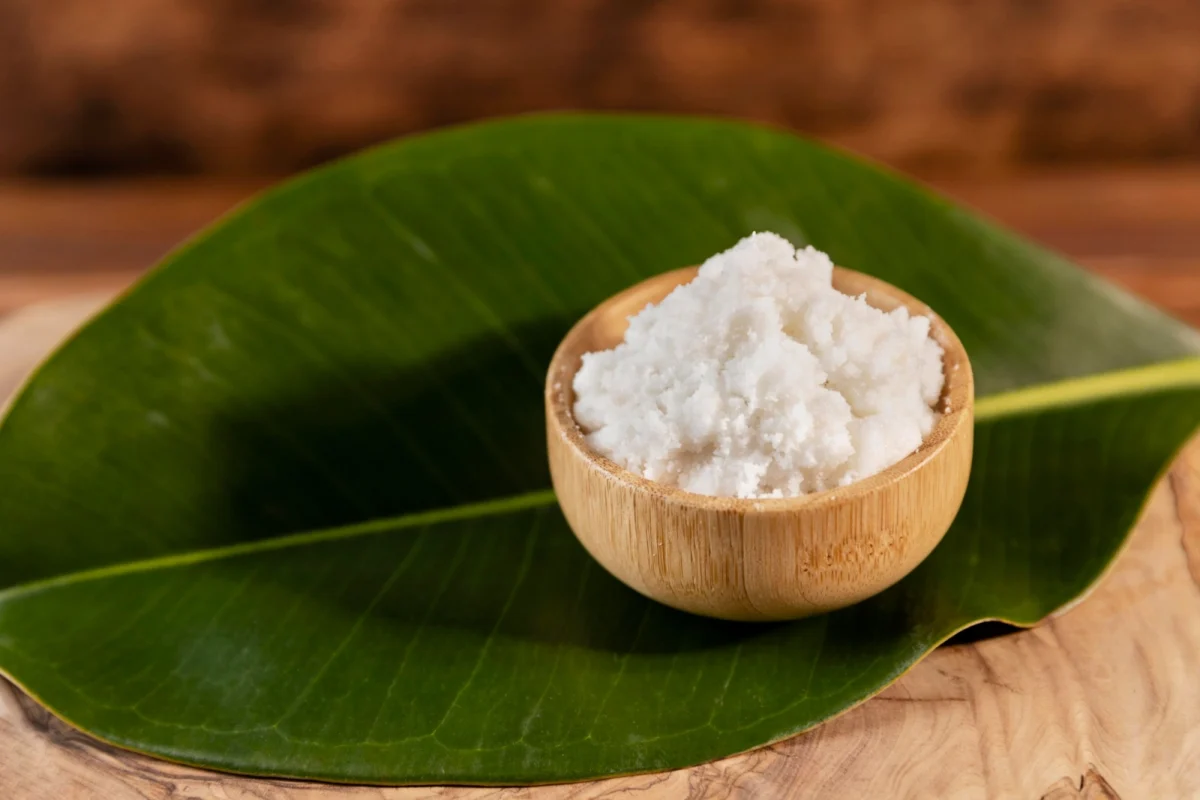
New Delhi, June 21, 2026 – A seemingly simple culinary practice, infusing betel leaves into ghee, is gaining traction, not just for its aromatic appeal but for its purported digestive and nutritional benefits. While traditional knowledge has long championed the medicinal properties of both ghee and betel leaves, modern nutritional science is now being consulted to understand the efficacy and potential ramifications of this unique combination.
The trend, popularized on social media platforms like Instagram by nutritionists and food enthusiasts, often highlights the sensory experience of preparing betel leaf-infused ghee. A nutritionist, identified by the handle @vinnuskitchensaga, recently shared a video demonstrating the process, describing the "beautiful aroma and subtle earthy flavour" it imparts to ghee. She further elaborated, "The sizzling sound when the leaf hits the hot butter is pure satisfaction! Try this traditional twist next time you make ghee at home, your kitchen will smell divine."
This anecdotal endorsement has prompted a deeper dive into the scientific underpinnings of this practice. Indianexpress.com spoke with Dr. Divya Sanghi, Professor and Head of the Department of Nutrition and Dietetics at MRIIRS, to explore whether this ancient fusion truly enhances the nutritional profile and digestive capabilities of ghee, or if its appeal is primarily rooted in flavor and aroma.
The Ancient Wisdom of Ghee and Betel Leaf
Ghee, a clarified butter, has been a staple in Indian households and Ayurvedic practices for millennia. It is revered for its rich nutrient content, including healthy fats, fat-soluble vitamins (A, D, E, K), and essential fatty acids. Ayurveda posits ghee as a potent carrier of medicinal properties, capable of enhancing the bioavailability of other herbs and foods it is combined with. Its cooling nature is also often cited as beneficial for digestion.
Betel leaf (Piper betle), commonly known as ‘paan ka patta,’ is another plant with a long history of medicinal use in South Asia. Traditionally, it has been chewed for its digestive, carminative (relieving flatulence), and breath-freshening properties. Its leaves are packed with various bioactive compounds, including polyphenols, flavonoids, and terpenes, which are known for their antioxidant, anti-inflammatory, and antimicrobial activities.
The idea of combining these two entities is not entirely novel. In many traditional Indian recipes and Ayurvedic formulations, betel leaves are incorporated to aid digestion or to enhance the efficacy of certain preparations. However, the specific practice of infusing them directly into ghee for everyday consumption has seen a resurgence, prompting a closer look at its scientific validity.
Nutritional and Digestive Enhancements: Expert Insights
Dr. Sanghi confirmed that incorporating betel leaves into ghee can indeed offer significant enhancements to both its nutritional value and digestive properties. "Betel leaves possess strong antioxidant activity," she explained. "This property is crucial as it helps retard oxidative reactions within the ghee, thereby extending its shelf life and preventing rancidity. This is particularly beneficial for ghee, which is primarily fat."
Beyond preservation, Dr. Sanghi pointed to more profound nutritional implications. "Research indicates that adding betel leaves can even reduce ghee’s cholesterol content by about 10.5%," she stated. "This makes it a healthier choice for individuals who are conscious of their lipid intake and are looking for ways to optimize their consumption of fats."
The rich array of bioactive compounds in betel leaves contributes significantly to these benefits. "Betel leaves are abundant in polyphenols, flavonoids, and terpenes," Dr. Sanghi elaborated. "These compounds are well-known for their anti-inflammatory, antimicrobial, and digestive benefits. When infused into ghee, they can support better nutrient absorption and contribute to overall gut health."
The essential oils and alkaloids present in betel leaves also play a dual role. "In addition to their health-promoting properties, their essential oils and alkaloids lend a distinctive flavor and aroma to the ghee, enhancing its sensory appeal," Dr. Sanghi noted. "In short, betel leaf-enriched ghee is not only more flavourful but also more functional."
Key Nutritional Benefits of Betel Leaf Infused Ghee:
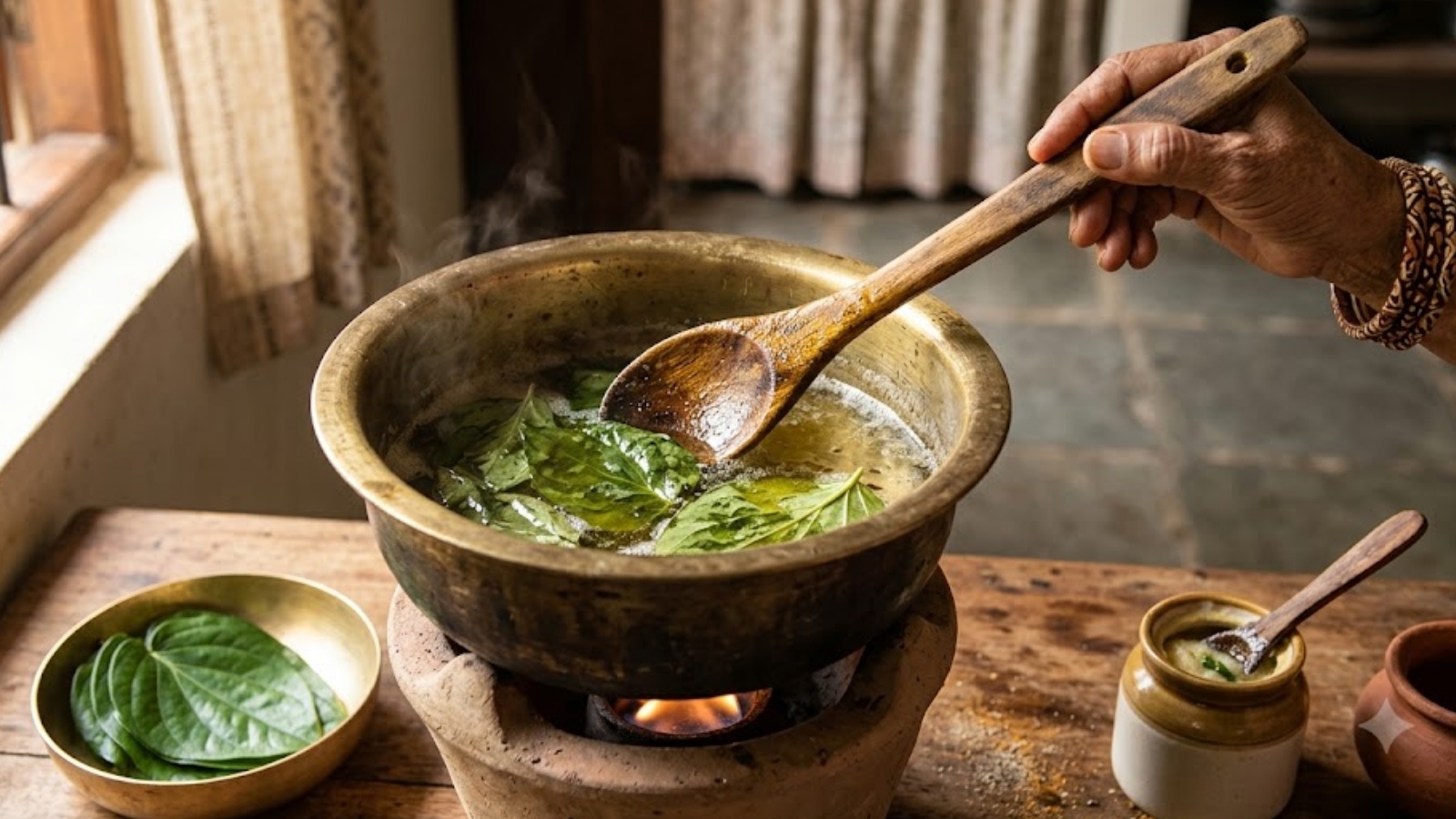
- Enhanced Antioxidant Properties: Betel leaves combat free radicals, protecting ghee from oxidation and rancidity.
- Potential Cholesterol Reduction: Studies suggest a notable decrease in ghee’s cholesterol content when betel leaves are added.
- Improved Digestibility: Compounds in betel leaves can aid in nutrient absorption and promote a healthy gut.
- Anti-inflammatory and Antimicrobial Effects: These properties can contribute to overall well-being.
- Aromatic and Flavor Enhancement: The infusion adds a unique sensory dimension to ghee.
Potential Side Effects and Cautionary Notes
While the benefits are compelling, Dr. Sanghi stressed the importance of a balanced perspective and cautioned against excessive consumption of betel leaf-infused ghee. "Despite its benefits, regular consumption of betel leaf-infused ghee should be approached with caution," she advised.
One of the primary concerns associated with betel leaves is their potential to accumulate heavy metals. "Betel leaves can absorb heavy metals such as arsenic, lead, cadmium, and chromium from the soil and environment," Dr. Sanghi explained. "These metals can have carcinogenic and toxic effects, especially in children and sensitive populations."
Although betel nut is more commonly associated with severe health risks, the leaves themselves are not entirely devoid of potential issues. "Certain natural compounds within betel leaves, including alkaloids and tannins, have been associated with possible genotoxic and carcinogenic properties in some studies," the doctor elaborated. "When consumed excessively, these compounds may cause DNA damage or interfere with normal cellular processes."
Furthermore, a significant gap exists in comprehensive scientific research specifically on betel leaf-infused ghee. "The effects of betel leaves and ghee have mostly been studied separately," Dr. Sanghi pointed out. "This leaves gaps in our understanding of their combined impact on human health. More dedicated research is needed to fully ascertain the long-term effects of this specific preparation."
Considerations for Regular Consumption:
- Heavy Metal Contamination: Risk of absorbing harmful heavy metals like arsenic and lead from the soil.
- Potential Genotoxicity: Certain compounds in betel leaves might have genotoxic effects with excessive intake.
- Limited Research: Lack of extensive scientific studies on the combined effects of betel leaf and ghee.
- Individual Sensitivities: Some individuals may experience adverse reactions due to inherent sensitivities.
A Call for Informed Consumption and Further Research
The practice of infusing betel leaves into ghee represents a fascinating intersection of traditional culinary wisdom and contemporary health consciousness. The perceived benefits, supported by expert opinion and preliminary research, suggest that this fusion can indeed elevate ghee’s nutritional and digestive profile, while simultaneously enhancing its sensory appeal.
However, the cautionary notes raised by Dr. Sanghi underscore the need for informed consumption. Consumers are advised to source betel leaves from reputable and clean environments to minimize the risk of heavy metal contamination. Moderation is key, and individuals with pre-existing health conditions, pregnant women, and children should exercise particular caution and consult with their healthcare providers before incorporating this practice into their regular diet.
The scientific community is encouraged to delve deeper into the specific biochemical interactions between betel leaf compounds and ghee. Comprehensive clinical trials and analytical studies are essential to validate the purported cholesterol-lowering effects, quantify the antioxidant capacity of the infused ghee, and definitively assess any potential long-term health risks associated with its regular consumption.
As the trend continues to gain momentum, a balanced approach that embraces the potential benefits while acknowledging the need for scientific scrutiny and mindful application will be crucial. The humble betel leaf, when paired with ghee, offers a tantalizing glimpse into the intricate relationship between food, flavour, and well-being, inviting further exploration and discovery.
Disclaimer: This article is based on information from the public domain and expert consultations. It is intended for informational purposes only and does not constitute medical advice. Always consult with a qualified health practitioner before making any changes to your diet or health routine.
