

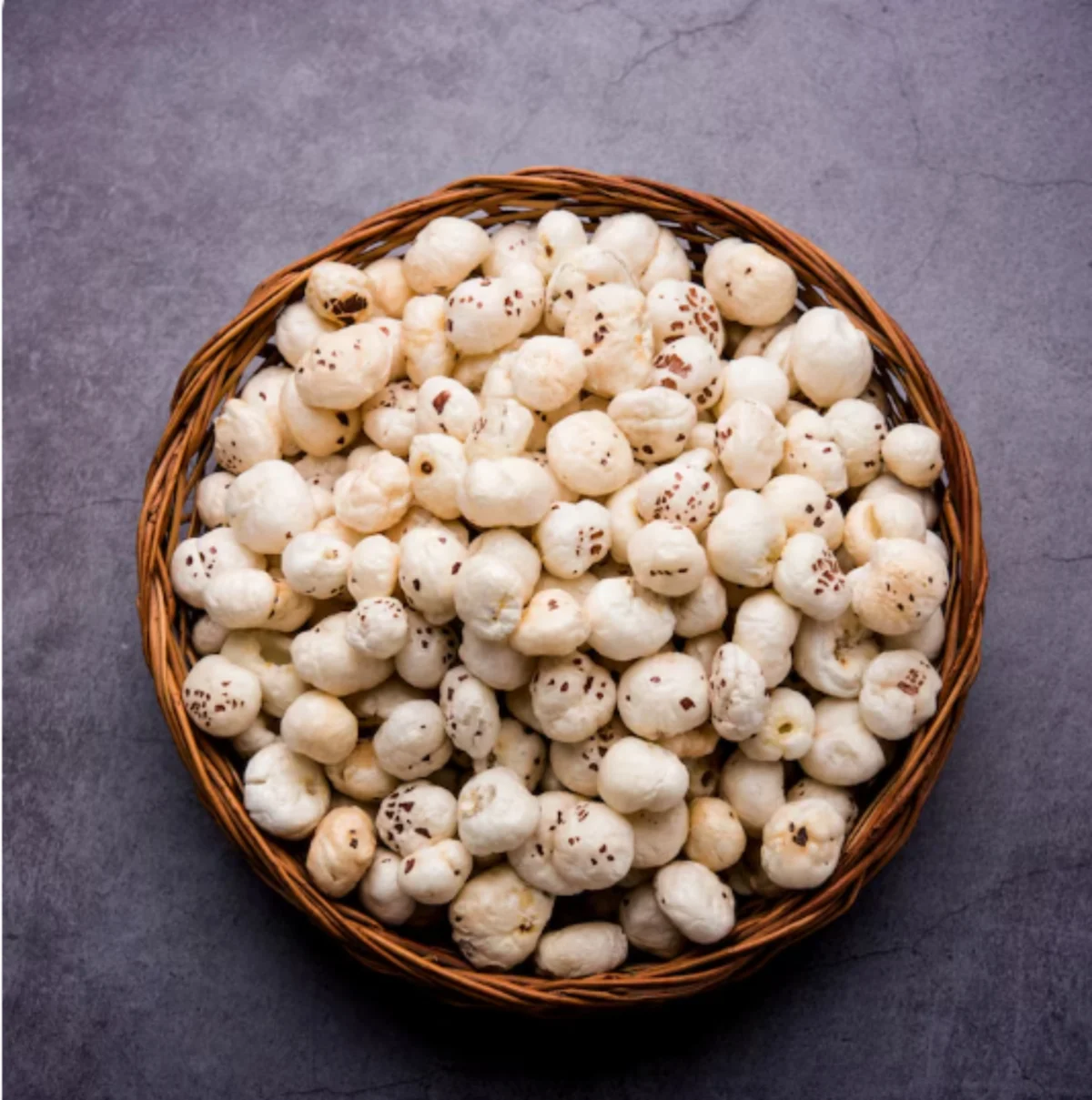
NEW DELHI — In the modern quest for weight management, the battleground is often found not in the gym, but in the kitchen pantry. As urban lifestyles become increasingly sedentary and metabolic disorders rise across India, the choice of mid-meal snacks has moved from the periphery to the center of nutritional science. Two traditional Indian staples—peanuts and makhana (fox nuts)—have emerged as the primary contenders for the title of the "perfect" weight-loss snack.
While both are lauded by nutritionists for their natural origins and nutrient density, a deeper investigation reveals that their roles in a weight-loss journey are fundamentally different. According to leading dietary experts, including New Delhi-based nutritionist Dt. Shalini Bliss, the "winner" of this debate depends entirely on an individual’s metabolic needs, satiety triggers, and caloric budget.
Main Facts: The Nutritional Divergence
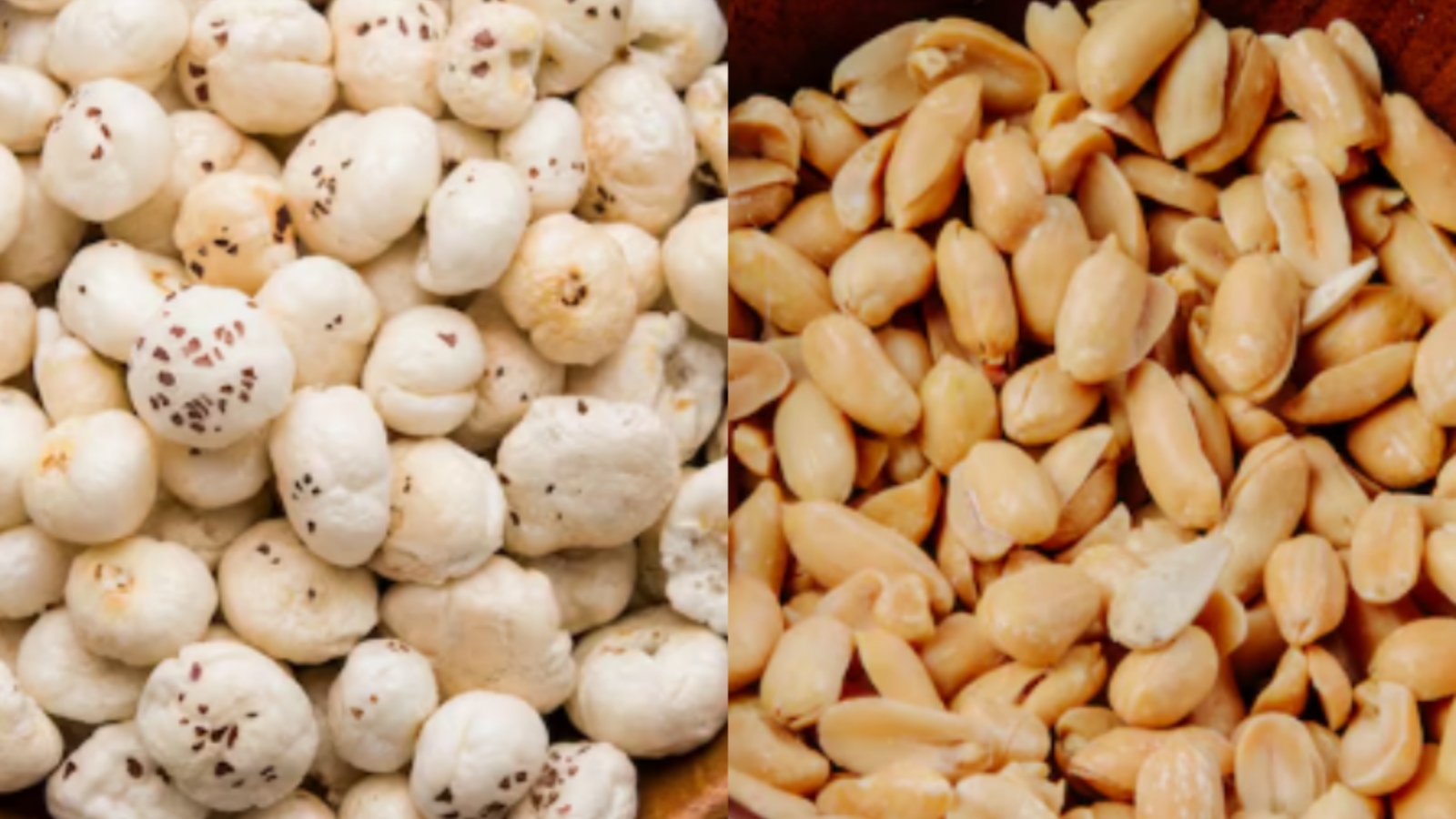
The fundamental difference between peanuts and makhana lies in their macronutrient composition. Peanuts are legumes that behave like oilseeds; they are energy-dense, packed with monounsaturated and polyunsaturated fats, and offer a significant protein punch. In contrast, makhana, derived from the seeds of the Euryale ferox plant, is a starchy, low-calorie seed that provides volume without a heavy caloric load.
For a 100-gram serving, the contrast is stark:
- Peanuts: Approximately 567 calories, 49 grams of fat, and 25 grams of protein.
- Makhana: Approximately 347 calories, 0.1 grams of fat, and 9 grams of protein.
"Both peanuts and makhana can be good snack options for weight loss, but the better choice depends on portion size and individual needs," explains Dt. Bliss. "Peanuts are higher in calories because they are rich in healthy fats, while makhana is lighter and lower in calories per serving."
The primary takeaway for consumers is a trade-off between volume and density. Makhana allows for a larger physical portion, which can satisfy the psychological urge to crunch, while peanuts provide a concentrated dose of nutrients that can sustain energy levels for hours.
Chronology: From Traditional Staples to Global Superfoods
The rise of these two snacks follows a fascinating timeline in the Indian dietary landscape.
The Traditional Era: For centuries, both peanuts and makhana were localized staples. Peanuts (Moongfali) were the "poor man’s protein," a winter staple in Northern India and a year-round ingredient in Maharashtrian and South Indian cuisines. Makhana was largely confined to the wetlands of Bihar, used primarily in religious fasting (vrat) and traditional sweets like kheer.
The 2010s Health Wave: As India’s middle class became more health-conscious, there was a shift away from fried snacks like bhujia and samosas. Peanuts were initially vilified during the "low-fat" craze of the late 90s and early 2000s, but were redeemed by the rise of the Keto and Mediterranean diet trends, which emphasized the importance of healthy fats.
The 2020s "Makhana Boom": Around 2018-2020, makhana underwent a massive rebranding. It was positioned as a gluten-free, "ancient" superfood. The snack food industry capitalized on this by introducing flavored, roasted makhana, moving it from the puja room to the gourmet snack aisle.
2024 and Beyond: Today, the conversation has moved toward "mindful snacking." The focus is no longer just on "low calorie," but on the "Satiety Index"—how long a food keeps you full—which brings peanuts back into the spotlight as a formidable rival to the lighter makhana.
Supporting Data: Satiety, Glycemic Index, and Micronutrients
To understand which snack truly aids weight loss, one must look beyond the calorie count. Weight loss is governed by the body’s hormonal response to food, specifically the regulation of hunger hormones like ghrelin and leptin.
1. The Satiety Factor
Peanuts have a high "satiety quotient." Because they contain a combination of fiber, protein, and healthy fats, they slow down the gastric emptying process. "Peanuts tend to keep you fuller for longer," says Dt. Bliss. "These nutrients slow digestion and reduce hunger."
Makhana, being high in carbohydrates and low in fat, is digested more quickly. While you can eat three cups of makhana for the same calories as a handful of peanuts, the lack of fat means you may find yourself searching for another snack just an hour later.
2. Glycemic Index (GI)
Both snacks are relatively low on the Glycemic Index, meaning they don’t cause massive spikes in blood sugar. Peanuts have an exceptionally low GI (around 14), making them excellent for insulin sensitivity. Makhana has a moderate GI (around 50-55), which is still acceptable for weight loss but requires more caution for those with type 2 diabetes.
3. Micronutrient Profiles
- Peanuts: A powerhouse of Vitamin E, Magnesium, and Folate. They also contain Resveratrol, the same antioxidant found in red wine, which is linked to heart health.
- Makhana: Rich in Calcium and Magnesium, making them excellent for bone health. They also contain "Kaempferol," a natural flavonoid that has anti-inflammatory and anti-aging properties.
Expert Advice and Official Responses
Dt. Shalini Bliss emphasizes that the "healthiness" of these snacks is often destroyed by commercial processing. The official recommendation from nutritionists is a "return to basics."
"The biggest mistake people make is mindless snacking," Bliss warns. She provides specific guidelines for including these in a weight-loss regimen:
- The Peanut Protocol: "A small handful—about 20–30 grams—is enough to gain nutritional benefits without excess calories. It’s best to choose plain or roasted peanuts instead of salted or fried versions."
- The Makhana Method: "If someone is looking for a low-calorie, volume-based snack, makhana may be a better option. Roasting them at home with minimal oil (or ghee) and avoiding heavy seasoning helps keep them healthy."
Medical practitioners also warn against the "health halo" effect. Just because a packet says "Roasted Makhana" doesn’t mean it is healthy if it is coated in sodium-heavy "Peri-Peri" seasoning or palm oil. The consensus is clear: Measurement is mandatory. Eating directly from a large bag often leads to consuming 500+ calories before the brain registers fullness.
Implications: The Future of Snacking and Public Health
The debate between peanuts and makhana reflects a broader shift in public health strategy. As India faces a "double burden" of malnutrition and obesity, the promotion of indigenous, plant-based proteins is critical.
1. Economic Implications:
The rising demand for makhana has transformed the economy of Bihar, which produces 90% of the world’s fox nuts. For the weight-loss industry, makhana represents a high-margin "premium" product. Peanuts remain an affordable, accessible protein source for the masses, vital for addressing protein deficiency in lower-income brackets.
2. Metabolic Health:
For the 100 million+ Indians living with diabetes, the choice between these snacks is more than just about weight. The high fiber and low GI of peanuts offer a protective effect against glucose spikes. However, for those with kidney issues, the high phosphorus and potassium content in makhana must be monitored.
3. Psychological Relationship with Food:
The preference for makhana often stems from "volume eating"—a dietary strategy where one eats large quantities of low-calorie food to feel full. While effective for some, psychologists suggest it can sometimes reinforce overeating habits. Peanuts, by requiring intense chewing and providing fat-driven satiety, encourage "mindful eating," where the quality of the food dictates the end of the meal rather than the volume.
Conclusion: The Verdict
In the final analysis, neither peanuts nor makhana is a "magic pill" for weight loss. Instead, they serve different tactical purposes in a diet:
- Choose Makhana if: You are a "volume eater" who likes to snack while watching a movie or working, and you have a high caloric intake in your main meals that leaves little room for dense snacks.
- Choose Peanuts if: You have long gaps between meals and need a snack that will suppress your appetite until dinner, or if you are on a low-carb/high-protein diet.
As Dt. Shalini Bliss concludes, the secret isn’t in the seed or the nut itself, but in the discipline of the person eating it. "Measure your portions instead of eating directly from the packet and pair these snacks with a balanced diet." In the battle of the snacks, the winner is the consumer who reads the label and knows their limit.
DISCLAIMER: This article is based on information from the public domain and expert consultations. Always consult your health practitioner or a registered dietitian before starting any new dietary routine, especially if you have underlying health conditions or allergies.
