

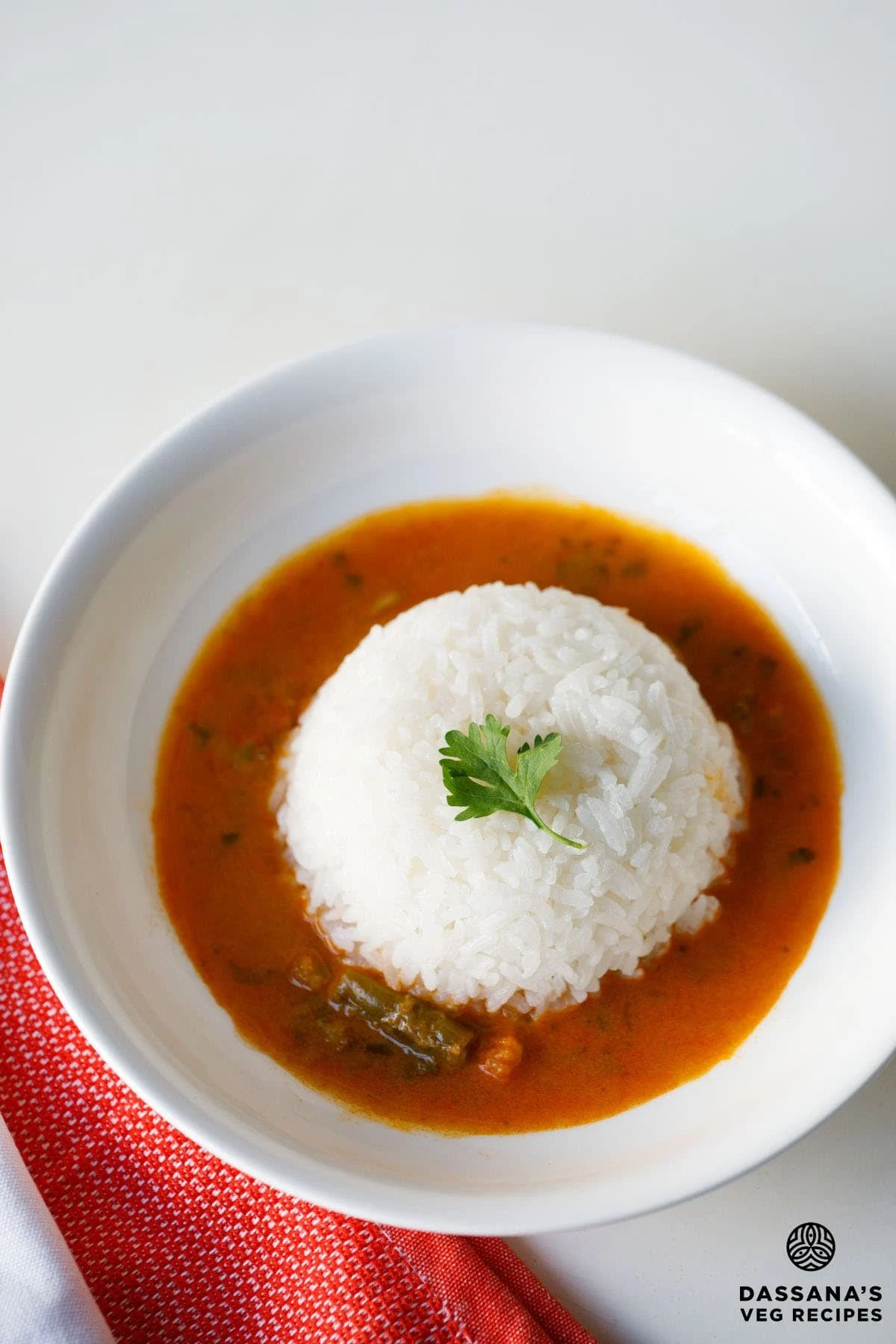
BANGKOK, Thailand – In the global pantheon of culinary staples, few ingredients command as much reverence and specific technical demand as Jasmine rice. Known in its homeland as Khao Hom Mali (Jasmine-scented rice), this long-grain variety has transcended its Southeast Asian origins to become a foundational element of international gastronomy. From the high-heat stir-fries of Bangkok street markets to the refined kitchens of Michelin-starred establishments, the quest for the "perfect grain"—defined by a delicate balance of floral aroma, tender texture, and individual grain integrity—remains a paramount objective for chefs and home cooks alike.
Recent culinary data and consumer trends indicate a surging interest in authentic preparation methods, as enthusiasts move away from automated rice cookers in favor of the traditional stovetop method. This shift highlights a broader movement toward understanding the fundamental science of grain hydration and steam-based finishing.
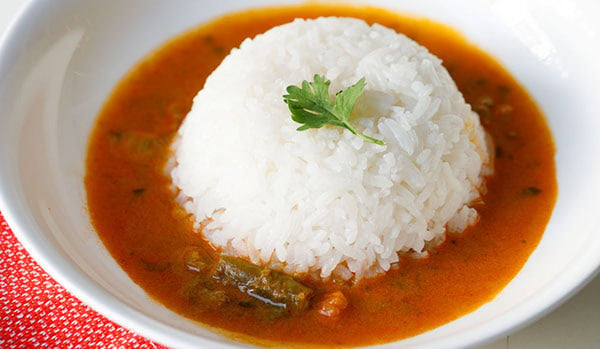
The Anatomy of Fragrance: Main Facts of Jasmine Rice
Jasmine rice is characterized by its unique aromatic profile, primarily attributed to the compound 2-acetyl-1-pyrroline, which gives the rice a scent reminiscent of pandan leaves and popcorn. Unlike its long-grain counterpart, Basmati rice—which is aged to achieve a dry, fluffy, and elongated state—Jasmine rice is prized for its "new crop" freshness.
Culinary experts distinguish Jasmine rice by its moisture content and starch composition. It possesses a specific ratio of amylose to amylopectin that allows the grains to remain soft and slightly clingy without becoming a homogenous mass. When prepared correctly, the grains should be tender and separate, offering a "subtle sweetness" that complements the spicy, sour, and salty profiles of Southeast Asian cuisine.
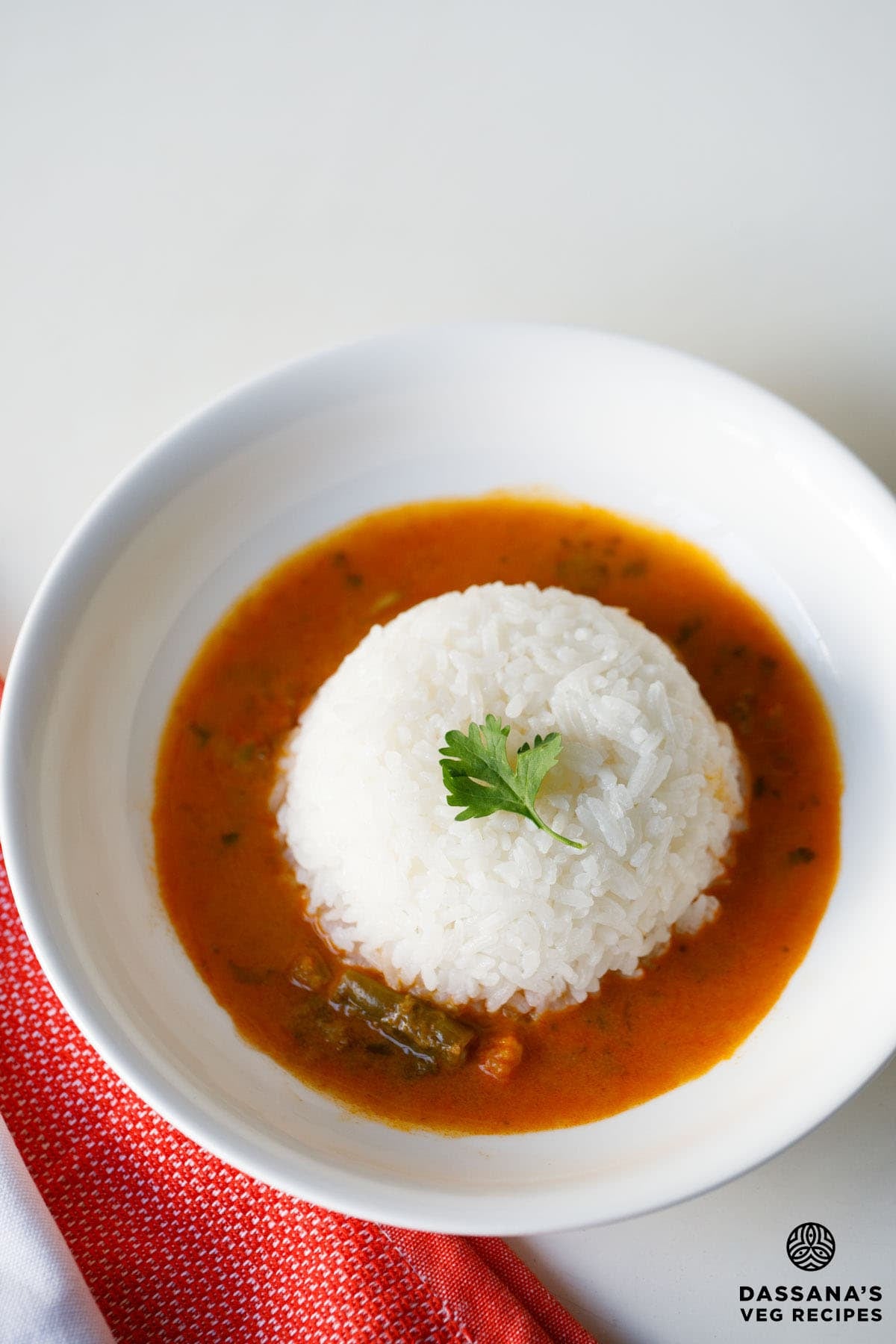
The stovetop method, often considered the gold standard for control, requires only three fundamental components: high-quality Jasmine rice, filtered water, and an optional pinch of salt. However, the simplicity of the ingredients belies the precision required in the execution.
The Path to Perfection: A Chronology of the Cooking Process
Achieving the ideal texture is not merely a matter of boiling water; it is a chronological progression of starch management and thermal regulation.
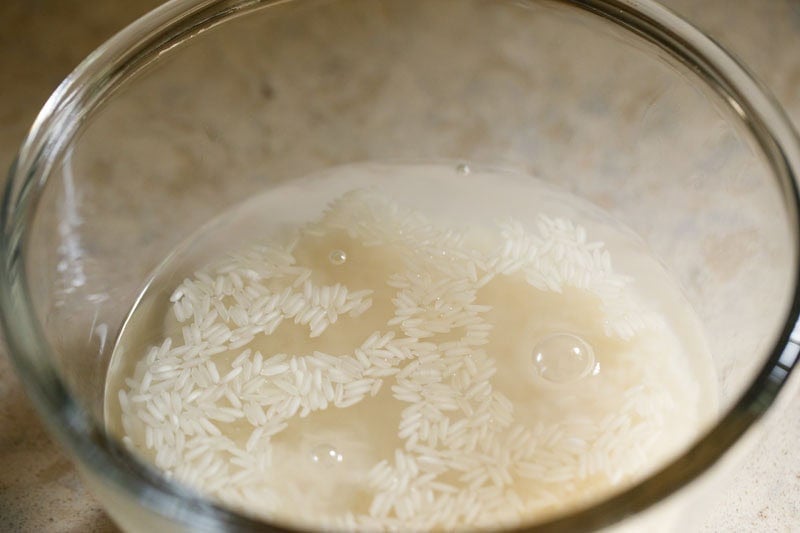
Phase I: The Purification (Rinsing)
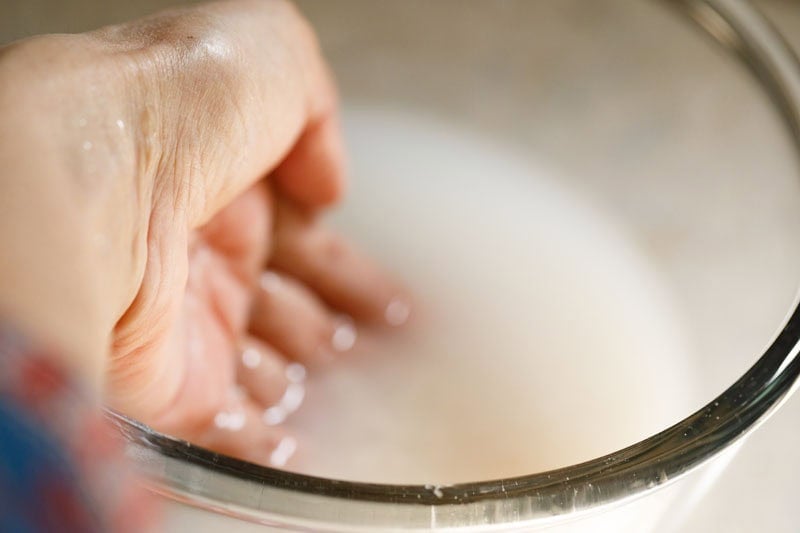
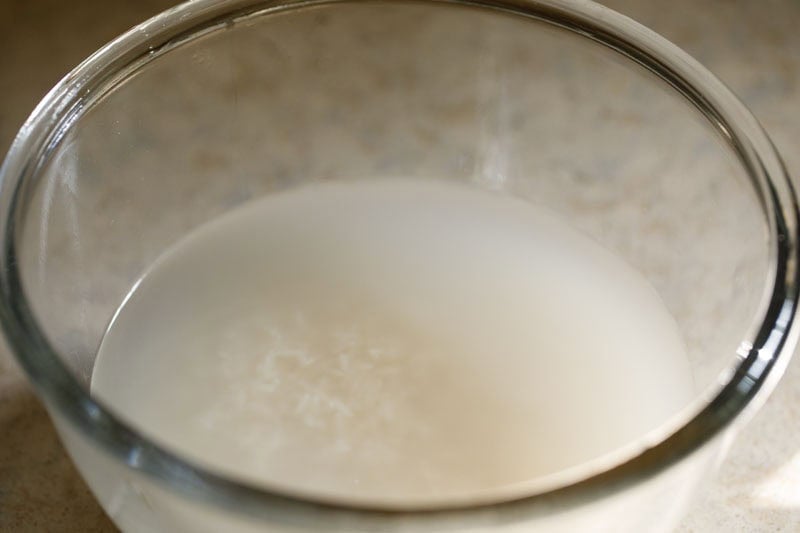
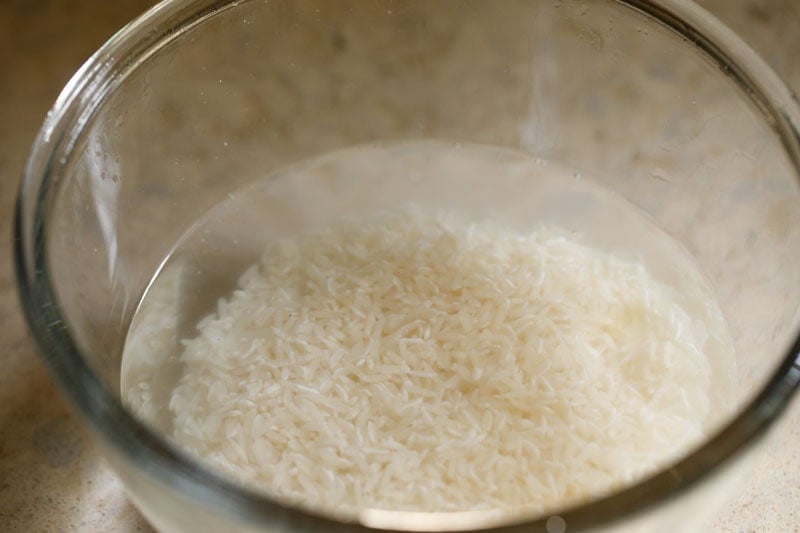
The process begins with the critical step of rinsing. Raw Jasmine rice is coated in excess surface starch created during the milling process. Journalists and food scientists noting the "cloudy water" phenomenon explain that failing to remove this starch leads to a gummy, glue-like consistency. Experts recommend rinsing the grains 3 to 4 times, gently swirling by hand, until the water transitions from opaque to near-clear.
Phase II: Hydration and Thermal Application
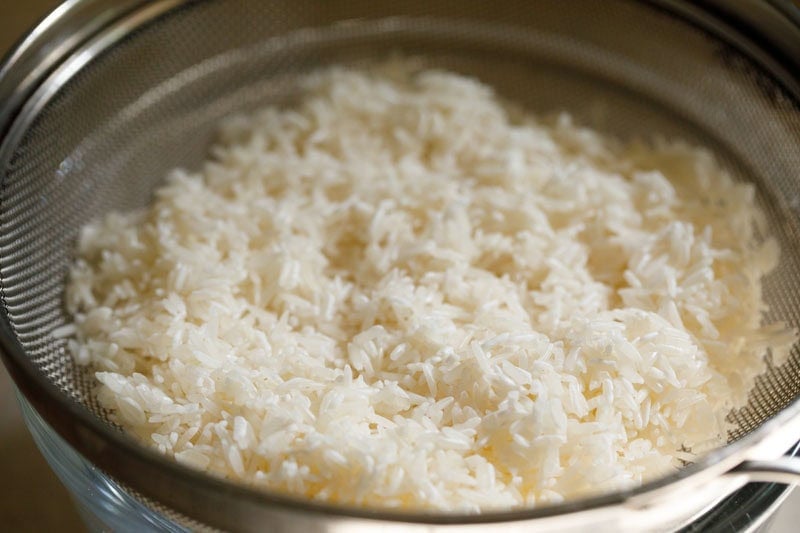
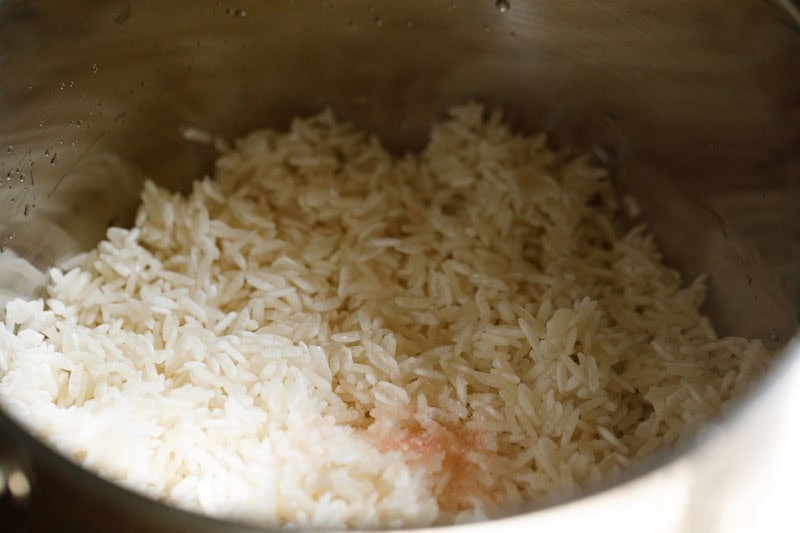
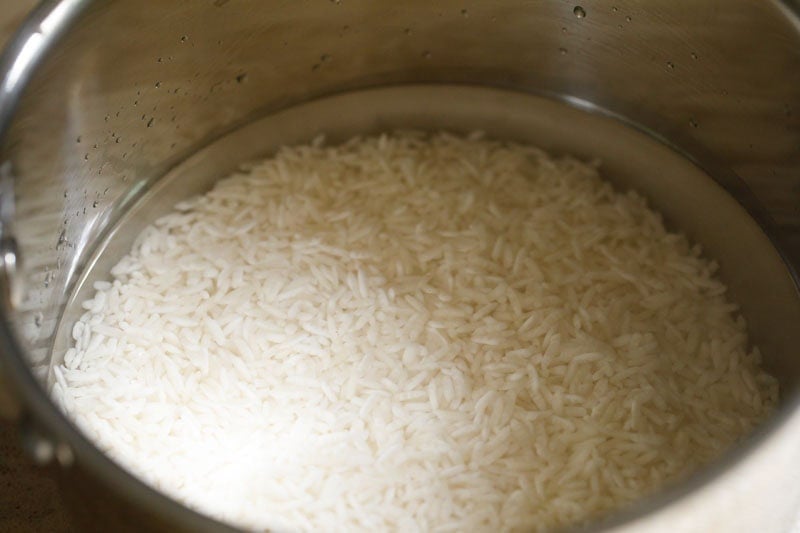
Once drained via a mesh strainer, the rice is moved to the "absorption phase." The consensus for a "soft yet separate" grain is a ratio of 1.5 cups of water to 1 cup of rice (approximately 190 grams). For those seeking a firmer "al dente" texture—often preferred for subsequent use in fried rice—the ratio is tightened to 1.25 cups of water.
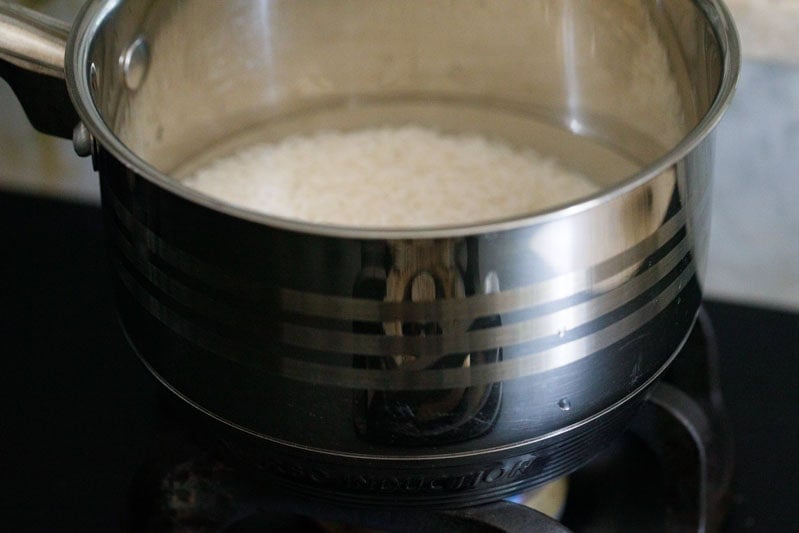
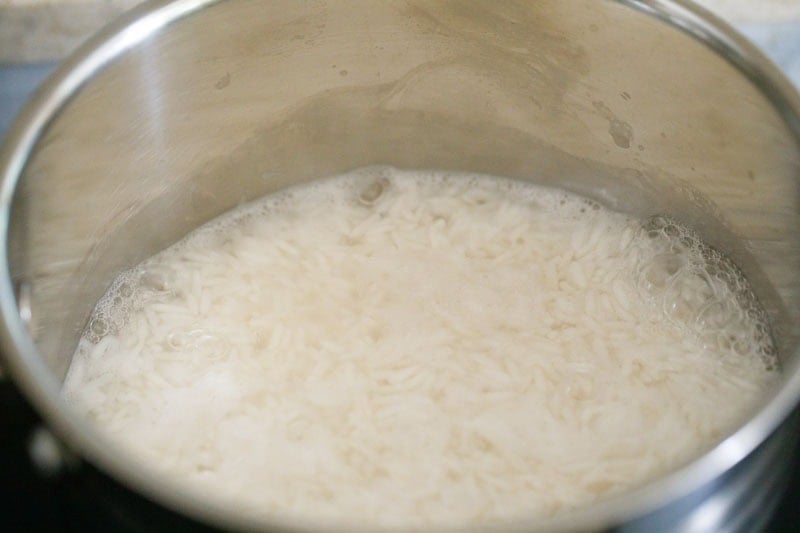
The chronology of heat is specific: the mixture is brought to a gentle boil on medium heat, then immediately transitioned to a low simmer. This prevents the outer layer of the grain from disintegrating before the core is fully hydrated.
Phase III: The Sealed Simmer
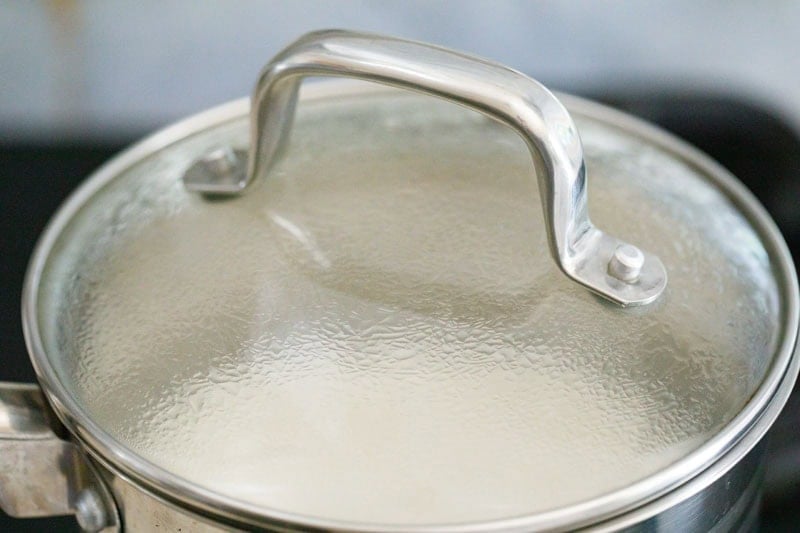
A tight-fitting lid is non-negotiable. This stage, lasting between 10 and 12 minutes, creates a pressurized steam environment. Culinary practitioners warn against "peeking," as the loss of steam disrupts the internal temperature and leads to unevenly cooked "hard hearts" in the grain.
Phase IV: The Resting Period
The final and perhaps most overlooked step is the 10-minute rest after the heat is extinguished. During this period, the moisture within the pot redistributes itself. The grains, which may be overly fragile immediately after simmering, firm up and lose their surface stickiness. Only after this rest is the rice gently fluffed with a fork to aerate the grains.
Supporting Data: Nutritional and Technical Specifications
To understand the impact of Jasmine rice on the daily diet, one must look at the nutritional data. A standard serving of cooked Jasmine rice (based on a 1-cup dry yield serving three people) contains approximately 225 calories.
Nutritional Breakdown per Serving:
- Carbohydrates: 49g
- Protein: 4g
- Fat: 0.4g (Saturated Fat: 0.1g)
- Sodium: 203mg (if salt is added)
- Fiber: 1g
- Micronutrients: Contains trace amounts of Iron (0.5mg), Magnesium (17mg), and Phosphorus (71mg), along with essential B-vitamins such as Niacin and Vitamin B6.
The low fat and moderate protein content make it an efficient energy source, though its high glycemic index suggests it is best paired with high-fiber vegetables and lean proteins to balance blood sugar response.
Technical testing across various brands reveals that water absorption rates can fluctuate by up to 10% based on the age of the rice. "New crop" rice (harvested within the last few months) requires slightly less water, whereas older stock may require the full 1.5-cup ratio to achieve tenderness.
Official Responses: Culinary Standards and Expert Insights
Professional chefs specializing in Thai cuisine emphasize that the "resting" phase is what separates amateur preparation from professional results.
"The resting period is effectively the final stage of cooking," says Dassana, a renowned culinary expert and author. "Vigorous stirring of freshly cooked rice breaks the delicate long grains, releasing internal starches and turning a premium product into a mushy side dish. The fork-fluffing technique is a precision tool for aeration."
Regarding the debate between Jasmine and Basmati, culinary historians note that the two should never be treated as interchangeable. While Basmati is the "King of Fragrance" in South Asian biryanis and pilafs, its dry, nutty nature lacks the "floral cling" necessary to soak up the coconut-milk-based gravies of Thai Green or Red curries.
Expert responses also address the safety implications of storage. Official food safety guidelines suggest that cooked rice should be cooled quickly and refrigerated in airtight containers for no more than 24 hours. This is due to the potential presence of Bacillus cereus, a bacterium that can survive the cooking process and thrive if rice is left at room temperature for extended periods.
Implications: Cultural Identity and Global Economic Impact
The mastery of Jasmine rice preparation carries significant implications beyond the kitchen. Economically, Jasmine rice (specifically the Thai Hom Mali variety) is a cornerstone of Thailand’s agricultural export economy. The Department of International Trade Promotion (DITP) in Thailand utilizes "Thai Select" certifications to ensure that restaurants worldwide are using authentic grains and traditional methods.
Culturally, the rice serves as a "blank canvas" for Southeast Asian identity. The move toward stovetop cooking represents a reclamation of culinary craft in an age of automation. Furthermore, the versatility of the grain—particularly the use of "day-old" refrigerated Jasmine rice for fried rice—demonstrates a zero-waste culinary philosophy. Chilled rice undergoes a process called starch retrogradation, where the grains firm up and separate perfectly when hitting a hot, oiled wok.
As global palates continue to lean toward authentic, regional flavors, the humble grain of Jasmine rice stands as a testament to the importance of technique. Whether it is paired with a spicy Massaman curry or a simple plate of Thai basil vegetables, the perfectly cooked grain remains the silent hero of the plate—a fragrant, tender bridge between tradition and modern gastronomy.
Cooking Queries: Frequently Asked Questions
Can Jasmine Rice be used for Fried Rice?
Yes, with a caveat. Freshly cooked Jasmine rice is too moist and soft for the high-heat environment of a wok. For optimal results, the rice should be cooked with slightly less water (1.25 ratio), cooled, and refrigerated overnight. This allows the grains to dehydrate and firm up, ensuring they sear rather than steam during the frying process.
Is Soaking Necessary?
While Basmati often requires a 30-minute soak, Jasmine rice does not. A brief 10-to-15-minute soak is optional and can lead to a more uniform texture, but for the modern cook, a thorough rinse is the only mandatory preparatory step.
How to Prevent Stickiness?
The primary culprits of sticky rice are excess surface starch and over-watering. By rinsing the rice until the water runs clear and adhering to the 1.5-cup ratio, the structural integrity of the long grain is preserved, resulting in the desired "tender but separate" finish.
