

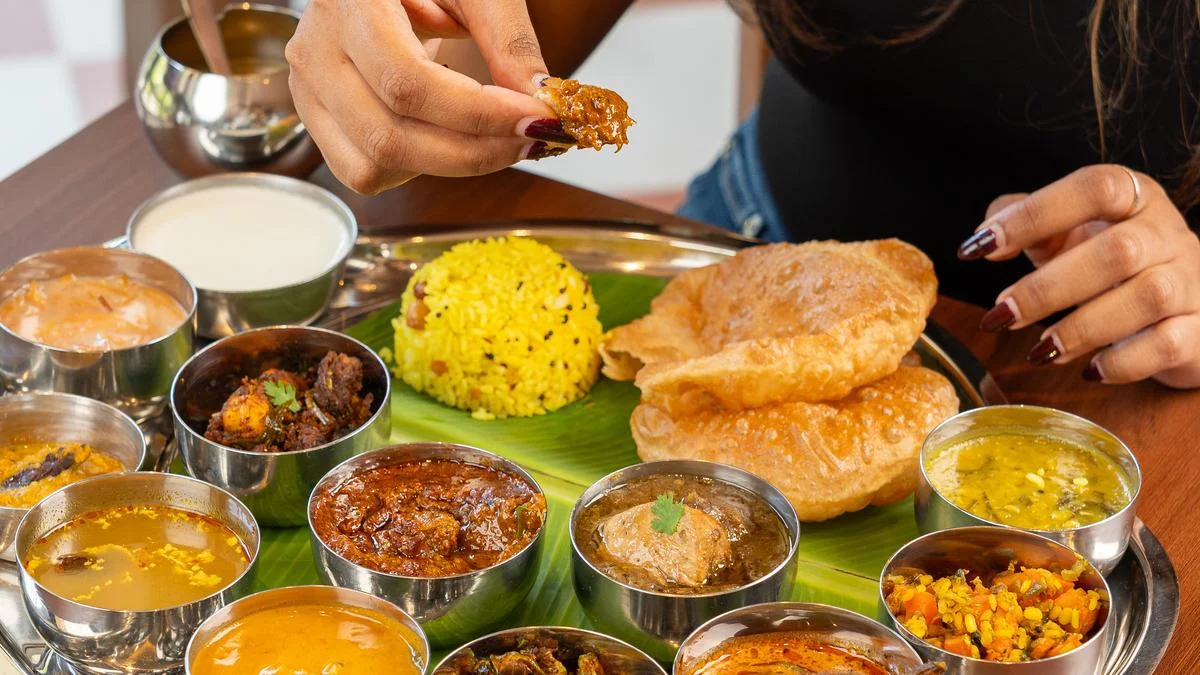
HYDERABAD — For decades, the global culinary identity of Hyderabad was distilled into a single, aromatic pot: the Dum Biryani. To the world, and often to the city itself, Hyderabad was defined by the long-grain basmati rice, the slow-cooked meat, and the meticulous parda of dough sealing in the steam. However, a profound paradigm shift is currently underway in the kitchens of the Deccan.
The city’s food scene is undergoing a sophisticated expansion, widening the table to accommodate a diverse array of regional Telugu flavors that were once confined to home kitchens or unassuming highway mess halls. From the spicy hinterlands of Telangana to the coastal richness of Andhra and the rugged flavors of Rayalaseema, Hyderabad is reclaiming its broader gastronomic heritage. This is not a rejection of the biryani, but a long-overdue recognition that Telugu cuisine is a vast, multifaceted tapestry that extends far beyond a single dish or the ubiquitous "gunpowder" (podi) and pickles (avakaya).
Main Facts: The Widening Table of the Deccan
The contemporary culinary conversation in Hyderabad has shifted from "where is the best biryani?" to "where can I find the best thotakura liver fry?" A new generation of diners is enthusiastically exploring a menu that includes nimmakayya guddu bonda (lemon-infused egg fritters), seena roast, chepala pulusu (tangy fish tamarind gravy), and natu kodi (country chicken).
This movement is characterized by several key shifts:
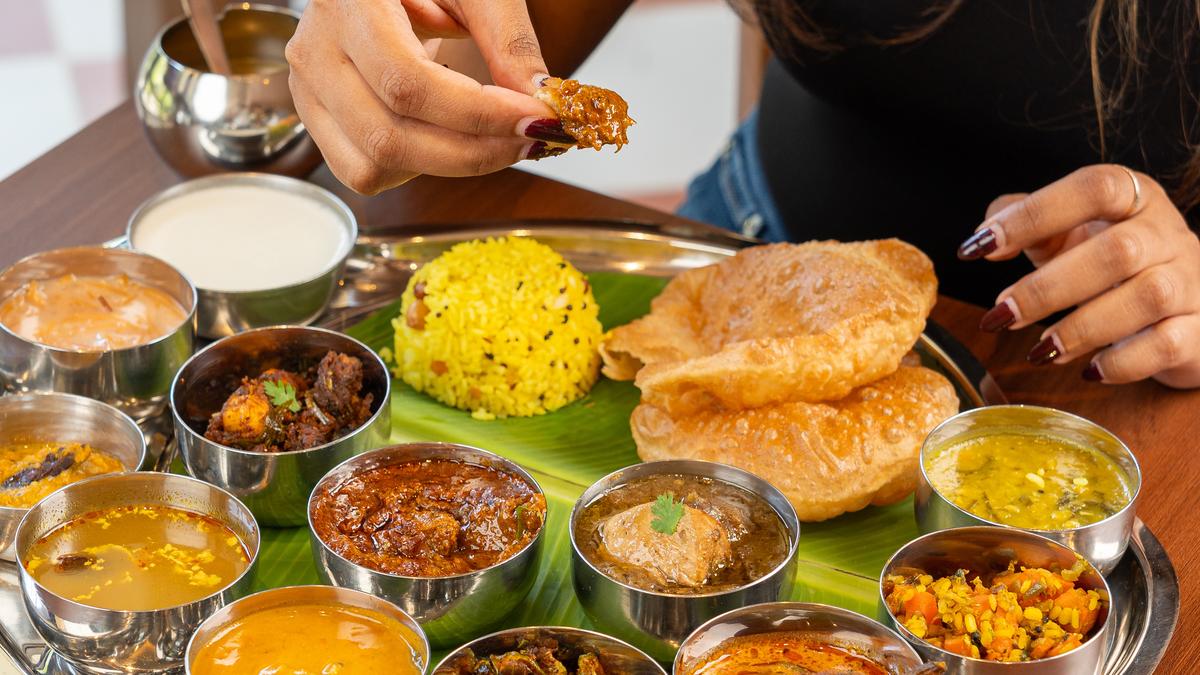
- Hyper-locality: Restaurants are no longer content with a generic "South Indian" or even "Telugu" label. They are drilling down into micro-regions, showcasing dishes from Karimnagar, Bheemavaram, Warangal, and the Godavari belt.
- The Pulao Pivot: While biryani uses long-grain Basmati, the new wave of restaurants is highlighting aromatic pulaos made with short-grain rice varieties like Chitti Muthyalu, which offer a different texture and absorb the juices of meat and spices more intensely.
- Elevated Comfort: Traditional staples like muddapappu avakaya annam (plain dal with mango pickle and rice)—the ultimate Telugu comfort food—are being served in high-end settings, validating the "homely" as "haute."
- The Decline of "Multicuisine": New establishments are eschewing the safety net of butter chicken and pasta, betting entirely on the depth and variety of regional techniques.
Chronology: From Legacy Messes to Neo-Telangana Kitchens
The evolution of Hyderabad’s palate has moved through distinct phases over the last forty years.
The 1980s: The Foundation of Authenticity
In 1985, Venugopal Reddy founded Hotel Indu Deluxe, a landmark that prioritized authentic Telugu flavors when the city’s commercial scene was dominated by Irani cafes and emerging biryani giants. For four decades, such establishments served as the bedrock of local taste, catering to a loyal crowd that sought the "home-style" meal.
The 2010s: The Rise of the Regional Thali
As the city’s IT corridor expanded, there was a surge in "thali" culture. Restaurants like Spicy Venue and Bhojanam began to formalize the regional meal, offering curated platters that gave diners a crash course in the differences between Andhra and Telangana spice profiles.
2020–Present: The Era of Specialization and Fine Dining
The current era is marked by a move away from the "all-you-can-eat" thali toward à la carte specialization. Restaurateurs are now treating individual Telugu dishes with the same reverence usually reserved for French or Italian cuisine. This period saw the birth of "Neo-Telangana" kitchens and "Telugu-forward" bars, where traditional ingredients are paired with modern mixology and sophisticated plating.
Supporting Data: Mapping the Micro-Cuisines
The depth of this movement is best understood through the specific restaurants and chefs leading the charge.
The Cafe Culture: Coffee Sangam
Chef Vignesh Ramachandran at Coffee Sangam has successfully transitioned street-side favorites into a hygienic, cafe-style environment. By serving punugulu, button idli, and mokka jonna dahi puri (corn-based dahi puri) alongside filter coffee, he is tapping into a deep-seated nostalgia for regional snacks that were previously overlooked by the "cafe" industry.
The Archival Approach: Terrai
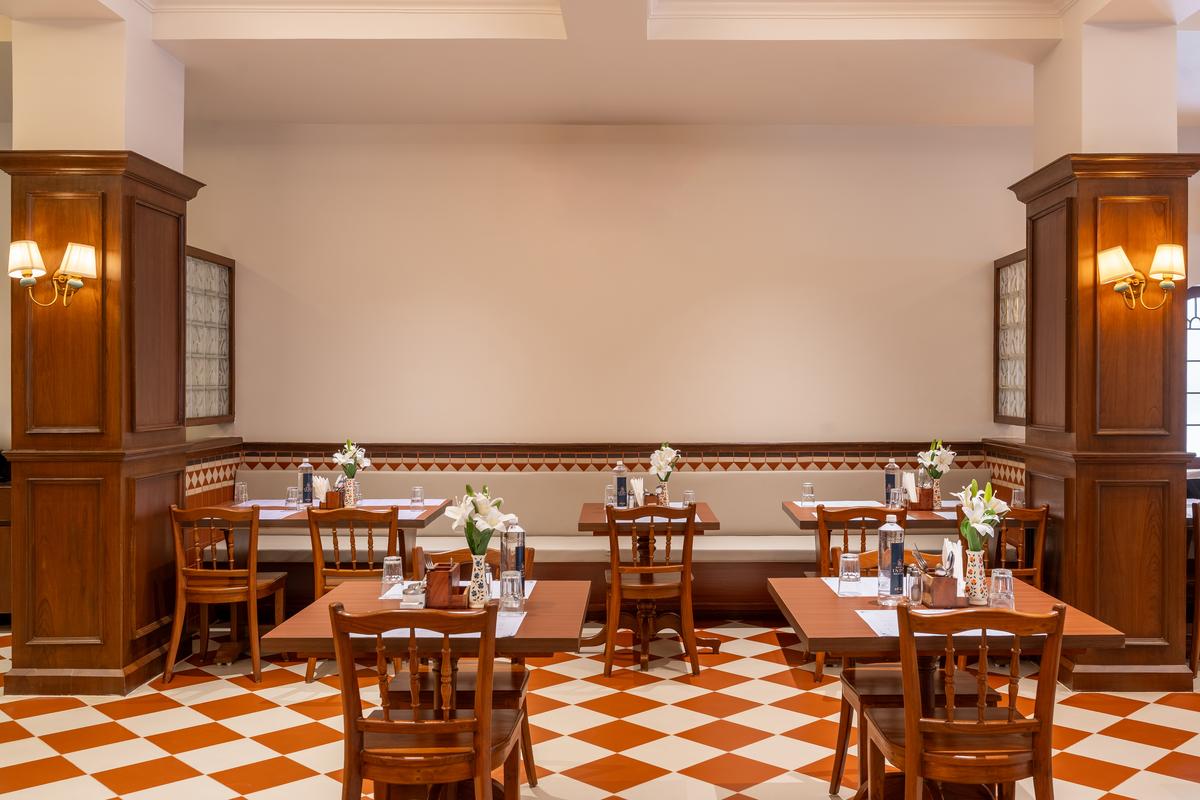
Terrai – Neo Telangana Kitchen & Bar represents the intellectual wing of this movement. The restaurant functions almost as a culinary archive, paying tribute to the Deccan’s history. Here, millets take center stage, and robust shorbas (soups) reflect the rugged terrain of the Telangana region, moving away from the cream-heavy gravies of the North.
The Home Chef Influence: Uttar Andhra Flavors
The movement is also being fueled from the bottom up. Home chefs like Sowjanya Narsipuram have introduced the city to the nuanced, often misunderstood flavors of Uttar Andhra (North Coastal Andhra). Her cuisine is a revelation for many Hyderabadis, featuring:

- Mustard-based garnishes: A departure from the heavy chili use in other regions.
- Matki Pappu and Jeedi Kobbari Paala Koora: Dishes that emphasize pulses, beans, and cashew-coconut milk bases.
- Guna Charu: A deeply flavored soup made with semi-ripe jackfruit, showcasing the region’s inventive use of seasonal produce.
Official Responses: The Restaurateurs’ Vision
The driving force behind this change is a group of restaurateurs who believe that Telugu cuisine has been undervalued for too long.
Rohit Reddy, manager of the iconic Hotel Indu Deluxe, recently expanded the brand to Banjara Hills. His philosophy is one of uncompromising authenticity. "Our cuisine has so much to offer that we don’t need a multicuisine menu," Reddy states. "Our cooks are from Bheemavaram, Warangal, West Godavari, and Rajahmundry. There is no need to borrow dishes from elsewhere." This reliance on regional talent ensures that techniques—such as the specific way a vepudu (fry) is seared—remain intact.
Sampath Tummala, owner of Spicy Venue and Theta Theta Telugu, emphasizes the need for a shift in presentation. "There has to be a distinction between a rushed lunch and one you plan to celebrate," Tummala explains. He is moving away from the "rushed thali" image. "We serve chepala pulusu in a stone pot, bubbling as it reaches the table. We have also focused on pulaos to highlight the beauty of short-grain rice and meat."
Gopi Bylapula of Culinary Lounge views the shift through a global lens. He draws a parallel to international recognition of culinary heritage. "In 2025, UNESCO inscribed Italian cuisine, recognizing the entire ecosystem from cultivation to consumption," Bylapula notes. "Telugu cuisine, too, must aim for global recognition, given its depth and centuries-old techniques. Showcasing regional food can drive cultural and culinary tourism while preserving intangible heritage."

Implications: A New Identity for the "City of Pearls"
The implications of this culinary shift are manifold, affecting tourism, local economy, and cultural pride.
1. The Death of the "Butter Chicken" Default
For years, high-end dining in Indian cities followed a predictable template: North Indian Mughlai or Continental. The rise of spaces like Telugu Medium Kitchen & Bar and Maredumilli – The Forest Grill & Bar suggests that the "overkill of kebabs," as advertiser Ankita Choudhary puts it, is being replaced by textured, spicy roasts and indigenous grilled meats. This marks a maturing of the local market, where diners no longer seek "foreign" or "Northern" flavors as a status symbol, but rather find prestige in the refinement of their own roots.
2. Gastronomic Tourism
As Hyderabad moves beyond biryani, it positions itself as a destination for serious food travelers. By offering regional thalis at Bhojanam that distinguish between the fiery flavors of Rayalaseema and the seafood-heavy palate of the Godavari districts, the city becomes a gateway to the entire South-Central Indian peninsula.
3. Sustainability and Biodiversity
The focus on millets (at Terrai) and indigenous short-grain rice (at Theta Theta) has direct implications for the agricultural economy of Telangana and Andhra Pradesh. As restaurants demand these traditional grains, they support local biodiversity and offer a more sustainable alternative to the water-intensive cultivation of basmati.
4. Cultural Preservation
Perhaps the most significant implication is the preservation of "intangible heritage." By bringing dishes like dappalam (a thick vegetable stew) and guna charu into the mainstream, the city is ensuring that these recipes—and the techniques required to make them—are passed down to a new generation of chefs.
Conclusion
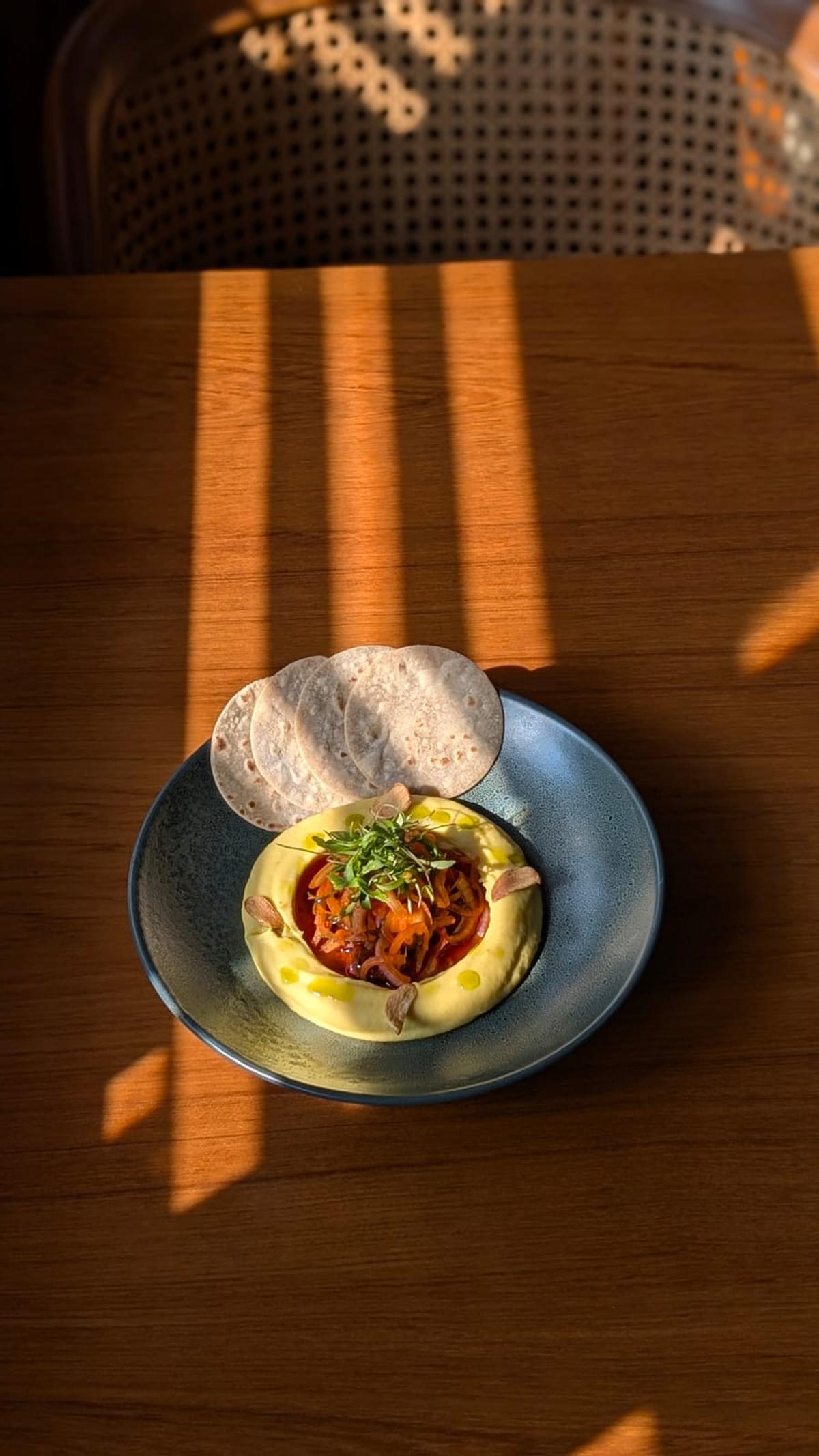
Hyderabad’s food scene is no longer a monolith. The "Biryani Capital" is evolving into a sophisticated laboratory of regional Telugu excellence. Whether it is the fine-dining plating of a muddapappu hummus or the rustic charm of a whole grilled murrel fish, the city is finally giving its diverse culinary heritage the stage it deserves. The table is wider, the flavors are deeper, and the conversation is just beginning. As the city looks toward 2025 and beyond, it does so with a plate that is authentically, unapologetically Telugu.
