

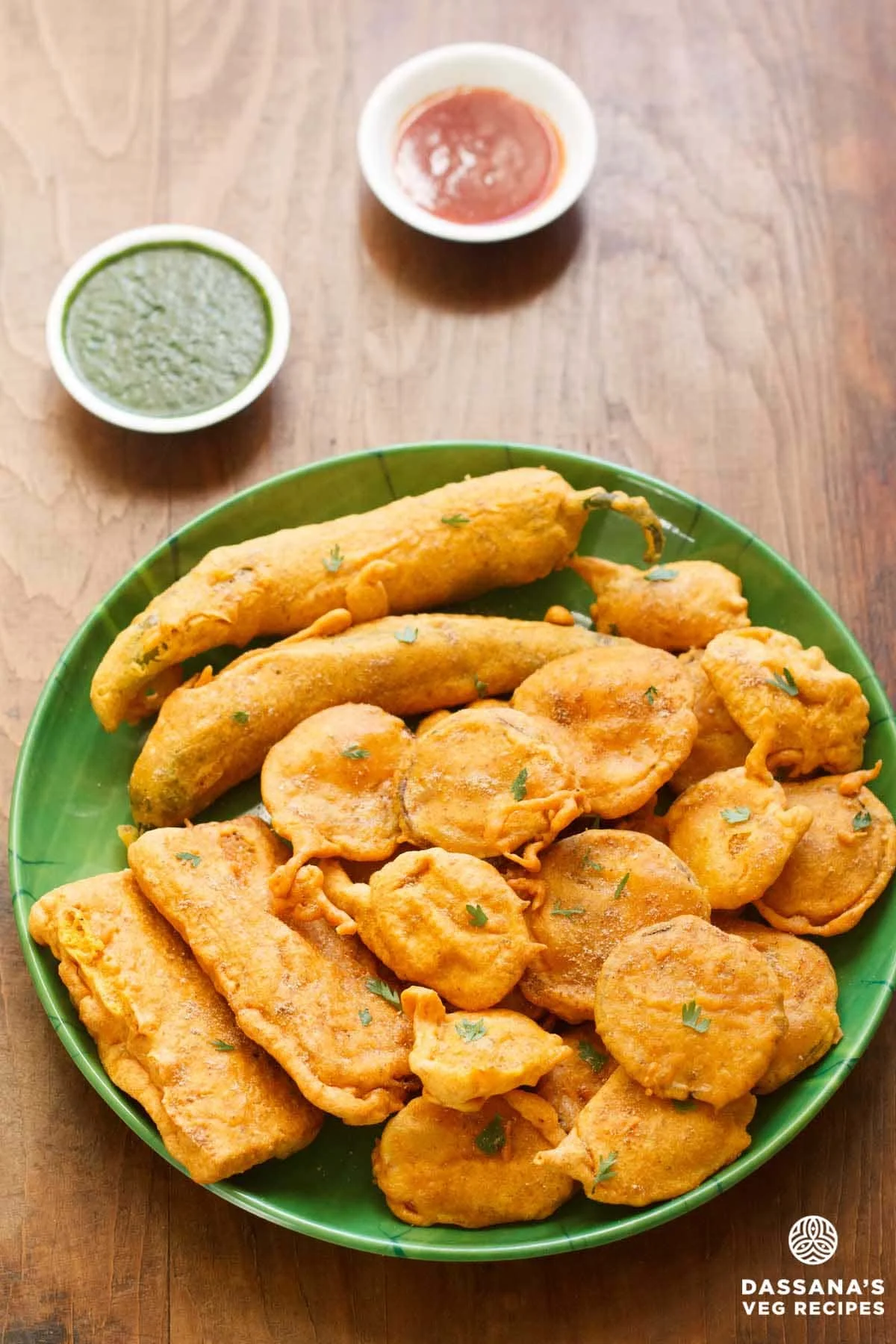
The Indian culinary landscape is a vast tapestry of flavors, but few items hold as much universal appeal as the humble bhajiya. A staple of street-side stalls, festive gatherings, and rainy-day kitchens, the bhajiya represents more than just a fried snack; it is a cultural touchstone. Recent insights into the preparation of "Mix Bhajiya"—a platter featuring an assortment of batter-coated vegetables and bread—reveal a sophisticated interplay of technique, spice chemistry, and regional tradition that defines this iconic dish.
Main Facts: Defining the Bhajiya Phenomenon
At its core, a bhajiya is an Indian fritter characterized by a seasoned gram flour (besan) coating and a deep-fried finish. While the term is often used interchangeably with pakora or bajji, it carries specific linguistic and regional weight, particularly in the states of Gujarat and Maharashtra.

The "Mix Bhajiya" variant is a specialized culinary offering that moves away from the "chopped and mixed" style of vegetable pakoras. Instead, it utilizes whole or thinly sliced individual ingredients—typically potato, brinjal (eggplant), large mild green chilies, and even triangles of white bread. Each ingredient is dipped separately into a spiced batter, ensuring that the unique texture of the vegetable is preserved beneath a uniform, golden-brown crust.
Professional chefs and home cooks alike emphasize that the secret to a superior bhajiya lies in the batter’s aeration and the specific blend of leavening agents and spices. The use of carom seeds (ajwain), asafoetida (hing), and turmeric not only provides a complex flavor profile but also serves functional digestive purposes, balancing the richness of the deep-fried snack.

Chronology: The Evolution and Preparation of the Platter
The preparation of a mix bhajiya platter follows a rigorous chronological sequence, where timing and temperature are paramount to achieving the desired "crunch" without excessive oil absorption.
Phase 1: The Alchemy of the Batter
The process begins with the creation of the coating. High-quality, fresh gram flour is the foundation. In modern iterations of the recipe, a crucial addition is rice flour. The inclusion of rice flour—roughly one-sixth of the total flour volume—introduces a higher starch content that results in a crispier, longer-lasting texture compared to using gram flour alone.

The seasoning phase involves a precise mix of red chili powder for heat, turmeric for its antiseptic properties and golden hue, and carom seeds. The batter is then whisked vigorously. Culinary experts note that thorough whisking incorporates air, which can eliminate the need for chemical leavening agents like baking soda, resulting in a lighter, "puffier" coating.
Phase 2: Produce Preparation and Moisture Management
Before frying begins, the vegetables must be treated to ensure they cook at the same rate as the batter.

- Brinjals: These are sliced thin and soaked in salted water. This step is a dual-purpose chronological necessity: it prevents oxidation (browning) and leaches out any latent bitterness.
- Potatoes: Sliced into even rounds to ensure the center is tender by the time the exterior is crisp.
- Chilies: Large, mild varieties are slit and deseeded, transforming a sharp spice into a savory vessel for the batter.
- Bread: Cut into triangles, providing a soft, porous contrast to the firm vegetables.
Phase 3: The Precision of the Fry
The final stage is the deep-fry, conducted in a kadai (traditional Indian wok). The oil must reach a moderate heat—approximately 170°C to 180°C (340°F to 355°F). If the oil is too cool, the bread and vegetables will absorb excess fat; if too hot, the exterior will burn before the potato or brinjal inside is cooked. The sequence of frying usually ends with the bread and brinjals, as these require the most careful temperature monitoring.
Supporting Data: Nutritional and Technical Profiles
To understand the bhajiya’s place in a balanced diet, one must look at the empirical data. A standard serving of mixed bhajiya (approximately four servings per recipe) contains the following nutritional breakdown:

- Calories: 554 kcal
- Carbohydrates: 76g
- Protein: 19g (largely derived from the gram flour)
- Fat: 20g (highly dependent on frying technique)
- Fiber: 17g
- Micronutrients: Significant levels of Potassium (1452mg), Vitamin C (24mg), and Iron (5mg).
Technically, the "crispness factor" is a result of the Maillard reaction—a chemical reaction between amino acids and reducing sugars that gives browned food its distinctive flavor. The use of gram flour, which is higher in protein than wheat flour, enhances this reaction. Furthermore, the addition of carom seeds (ajwain) provides thymol, which aids in the digestion of the dense legume-based batter.
Official Responses and Expert Perspectives
Culinary experts and cultural historians suggest that the bhajiya is more than a recipe; it is an economic and social engine.

The Street Food Economy
In Gujarat and Maharashtra, the sale of "farsan" (salty snacks) is a multi-million rupee industry. Mithai and farsan shops often see their highest footfall during the monsoon season (June to September). "The bhajiya is the ultimate equalizer," says a Mumbai-based food historian. "From the corporate executive in a luxury car to the laborer on the street, the demand for a hot plate of mix bhajiya and a cup of masala chai is a shared cultural ritual."
The Chef’s Perspective
Dassana, a renowned authority on Indian vegetarian cuisine, emphasizes the importance of "batter consistency." According to her technical notes, the batter must be "medium-thick"—thick enough to coat a slick vegetable surface but fluid enough to drip. She also highlights a critical safety and quality tip: vegetables like brinjal must be patted completely dry after their salt-water soak. Any residual moisture can cause dangerous oil spluttering and lead to a soggy, rather than crispy, finish.

Implications: Health, Tradition, and Globalization
The enduring popularity of the bhajiya has several implications for the future of Indian cuisine and global food trends.
The Health Transition
As global health consciousness rises, the traditional deep-fried bhajiya is undergoing a transformation. While the authentic version remains the gold standard for taste, there is a growing trend toward air-frying and oven-baking these fritters. Data suggests that air-frying can reduce the fat content by up to 70-80%, though purists argue it alters the "mouthfeel" and the specific shatter-crisp texture of the gram flour coating.

Social and Hospitality Implications
The bhajiya remains the primary "hospitality snack" in Indian households. Because the ingredients are pantry staples (besan, potatoes, onions), it can be prepared on short notice for unexpected guests. The "Mix Bhajiya" platter, in particular, implies a level of effort and variety that elevates it from a simple snack to a celebratory offering.
Globalization of the Fritter
As Indian diaspora communities grow, the bhajiya is finding a place on global menus under various guises. In the UK, the "onion bhaji" is a national favorite, often served as a starter in curry houses. In the United States, gluten-free trends have inadvertently boosted the bhajiya’s profile, as gram flour (chickpea flour) is naturally gluten-free, making the dish an accessible option for those with dietary restrictions.

Conclusion
The mix bhajiya is a masterclass in resourceful cooking. It takes humble root vegetables and inexpensive legume flour and transforms them into a multi-sensory experience. Whether it is the sharp bite of a batter-coated green chili or the soft, comforting interior of a fried potato slice, the bhajiya remains a testament to India’s ability to find culinary excellence in the everyday. As it continues to evolve—from the street stalls of Ahmedabad to the high-tech air fryers of London—the bhajiya’s place in the global culinary canon is firmly secured. For the best experience, experts agree: serve it piping hot, sprinkled with chaat masala, and accompanied by a sharp green chutney or a steaming cup of adrak (ginger) chai.
