

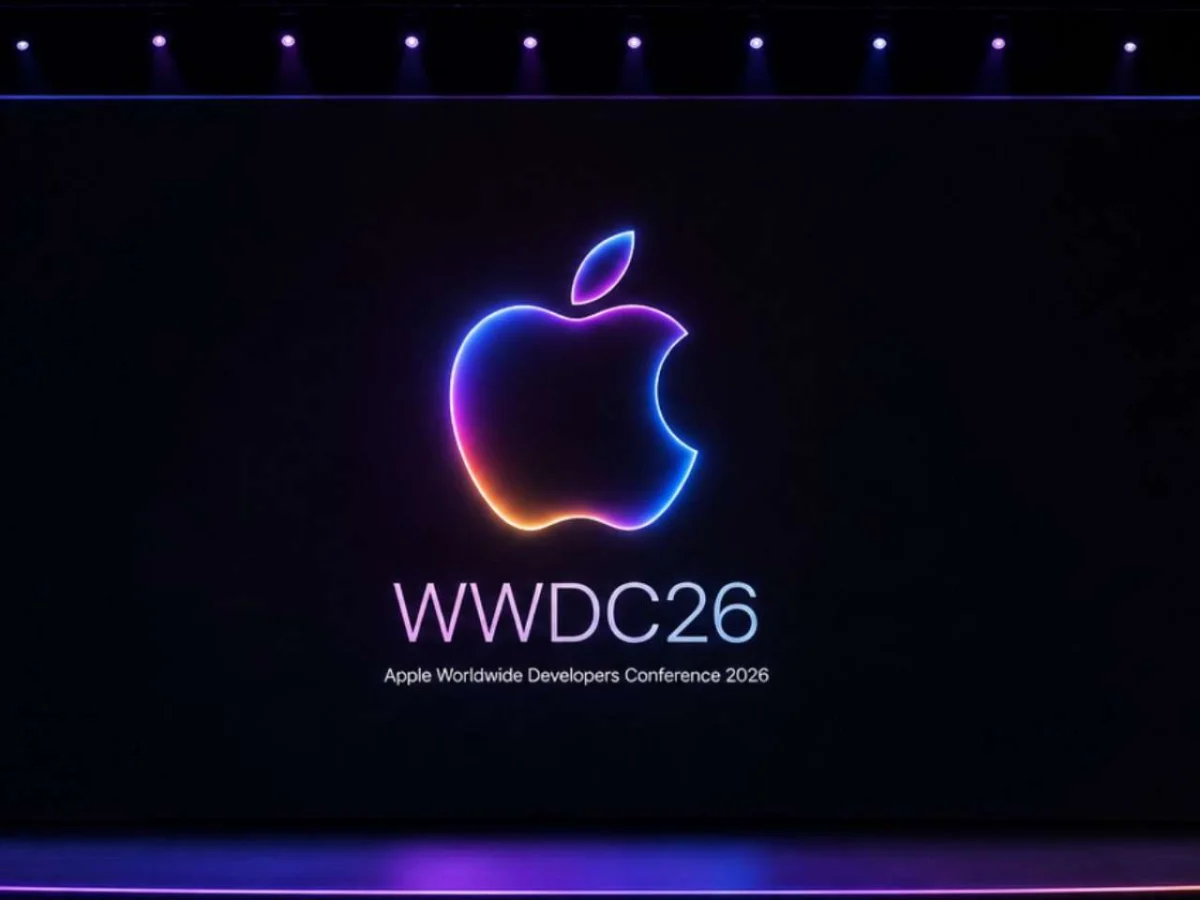
CUPERTINO, CALIFORNIA – Apple’s Worldwide Developers Conference (WWDC) 2026 is poised to be a pivotal event, commencing on June 8 at 10:30 PM IST (10:00 AM PDT) from the iconic Apple Park in Cupertino. The annual gathering, a cornerstone for developers and tech enthusiasts alike, is widely anticipated to be a transformative showcase, with artificial intelligence (AI) expected to take center stage. Industry observers and internal whispers suggest Apple is preparing to unveil significant advancements across its entire software ecosystem, including the highly anticipated iOS 27, macOS 27, and a revolutionary "Siri 2.0."
This year’s WWDC arrives amidst a global technology landscape increasingly dominated by generative AI. Apple, historically deliberate in its approach to emerging technologies, is now expected to reveal its comprehensive strategy for integrating intelligent capabilities seamlessly into its vast array of products and services. The keynote address, a meticulously crafted presentation by Apple’s leadership, is set to offer a clear vision for the company’s future, one deeply intertwined with advanced AI.
The Road to WWDC 2026: A Timeline of Anticipation
The build-up to WWDC 2026 has been marked by escalating speculation and a palpable sense of excitement within the tech community. Apple’s traditional silence on unreleased products has only amplified the anticipation, but a series of strategic hires, patent filings, and subtle hints from executives have painted a picture of a company gearing up for a major AI offensive.
Early 2026: Rumours begin to solidify, suggesting that Apple’s internal AI development has reached a critical mass. Reports emerge of extensive testing of new generative AI models and significant upgrades to Siri’s underlying architecture. Analyst firms start to revise their predictions, uniformly pointing towards AI as the central theme for the upcoming developer conference.
)
March 2026: Apple formally announces the dates for WWDC 2026, confirming the June 8 keynote. While the initial announcement typically offers little detail beyond dates and venues, the subtle phrasing in Apple’s press release often hints at the conference’s focus. For 2026, the emphasis on "next-generation experiences" and "developer innovation at the core" was interpreted by many as a clear nod to AI and its pervasive integration.
April-May 2026: The developer community begins to dissect potential features based on leaks from early beta builds of developer tools and subtle changes in Apple’s public frameworks. Discussions intensify around the capabilities of iOS 27 and macOS 27, with particular attention paid to how AI might enhance core functionalities, from photo editing to system search and beyond. The "Siri 2.0" moniker gains traction, indicating a complete overhaul rather than incremental updates.

June 8, 2026 (Keynote Day): The day itself will kick off with the much-anticipated keynote address, expected to run for approximately two hours. This presentation will serve as the primary platform for Apple to unveil its new operating systems and AI initiatives. Following the keynote, developers will gain immediate access to the first beta versions of iOS 27, macOS 27, and other software, allowing them to begin adapting their applications to the new platforms.
Post-Keynote (June 8 – June 12): The remainder of WWDC 2026 will be dedicated to in-depth technical sessions, hands-on labs, and opportunities for developers to interact directly with Apple engineers. These sessions will provide crucial insights into the new APIs, frameworks, and tools that will empower developers to harness Apple’s new AI capabilities within their own applications.
)
Summer 2026: Public betas for the new operating systems are typically released a few weeks after WWDC, allowing a broader user base to test the features and provide feedback. This period is crucial for refining the software before its final public release.
Fall 2026: The official public release of iOS 27, macOS 27, iPadOS 27, watchOS 27, tvOS 27, and visionOS 27 will coincide with the launch of new hardware, typically in September or October. This staggered release strategy ensures that developers have ample time to update their apps, and users receive a polished, stable experience.
)
Deep Dive into Expected Innovations
WWDC 2026 is poised to be a watershed moment for Apple, particularly in its aggressive push into artificial intelligence. The focus is not merely on adding AI features but on deeply embedding intelligence across the entire ecosystem, making every Apple device more intuitive, personalized, and powerful.
iOS 27: Redefining the iPhone Experience
The next iteration of the iPhone’s operating system, iOS 27, is expected to introduce a host of AI-driven enhancements that will fundamentally alter how users interact with their devices. Building on past innovations in personalization, iOS 27 is rumored to bring:
)
- Advanced Personalization & Dynamic Interfaces: Beyond static wallpapers and widgets, iOS 27 could leverage on-device AI to adapt the user interface dynamically based on context, time of day, location, and user habits. Imagine your home screen automatically prioritizing work-related apps during office hours or displaying relevant widgets for your commute.
- AI-Powered Photo & Video Enhancements: Expect significant strides in computational photography, with AI models capable of more sophisticated image and video editing, object removal, advanced background blurring, and even generating short video clips from still images. Real-time video processing for improved clarity and stabilization could also be a highlight.
- Smarter Notifications & Focus Modes: iOS 27 will likely introduce more intelligent notification management, using AI to prioritize truly important alerts and summarize less critical ones. Enhanced Focus Modes could learn user preferences to automatically filter distractions, potentially even generating AI-powered responses to incoming messages when a user is in a deep focus state.
- Generative AI in Core Apps: Integration of generative AI into apps like Messages, Mail, and Pages could allow for intelligent text completion, drafting emails, summarizing lengthy conversations, and even generating creative content directly within these applications.
- Enhanced Privacy Controls: True to Apple’s philosophy, these AI advancements are expected to come with robust, transparent privacy controls, emphasizing on-device processing where possible to minimize data sharing.
macOS 27: A New Era for Mac Computing
macOS 27 will extend many of the AI-powered innovations seen in iOS 27 to the Mac, further blurring the lines between Apple’s mobile and desktop operating systems while maintaining the unique strengths of the Mac platform.
- AI-Driven Productivity Tools: Expect AI integration into core productivity applications like Pages, Keynote, and Numbers, offering smart suggestions, content generation, and intelligent data analysis. Finder could gain AI-powered search capabilities, making it easier to locate files based on content, not just metadata.
- Advanced Multitasking & Window Management: AI might assist in intelligently arranging windows, suggesting optimal layouts for specific tasks, and even predicting which applications a user might need next.
- Seamless Continuity Enhancements: Further refinements to Continuity features, using AI to make the handover between iPhone, iPad, and Mac even more seamless and context-aware.
- Gaming & Professional App Optimization: Leveraging the power of Apple Silicon, macOS 27 could introduce AI-powered performance optimizations for demanding games and professional creative applications, ensuring smoother performance and more efficient resource utilization.
iPadOS 27, watchOS 27, tvOS 27, visionOS 27: Expanding the Ecosystem
Every corner of Apple’s ecosystem is slated for intelligent upgrades, ensuring a cohesive and integrated experience across all devices.
)
- iPadOS 27: The iPad is expected to gain more powerful multitasking features, potentially leveraging AI to suggest and manage split-screen configurations or to enhance the capabilities of Stage Manager. Improvements to Apple Pencil integration and professional app performance, driven by AI, are also highly probable.
- watchOS 27: Health and fitness tracking on the Apple Watch could see a significant leap, with AI offering more personalized insights, predictive health alerts, and even generative AI for tailored workout plans or mindfulness exercises. New, dynamic watch faces that adapt to user activity or environment are also a possibility.
- tvOS 27: The Apple TV could become an even smarter home hub, with AI-powered content recommendations that go beyond simple algorithms, understanding user moods and preferences to suggest truly relevant entertainment. Enhanced integration with HomeKit and new gaming capabilities are also anticipated.
- visionOS 27: For Apple Vision Pro, visionOS 27 will be crucial in expanding its capabilities. Expect new spatial computing applications, more intuitive gesture controls powered by advanced AI, and tools for developers to create immersive, AI-enhanced experiences that leverage the unique spatial canvas.
Siri 2.0: The AI-Powered Assistant Takes Center Stage
Perhaps the most anticipated announcement of WWDC 2026 is the complete overhaul of Apple’s virtual assistant, dubbed "Siri 2.0." After years of facing criticism for lagging behind competitors, Siri 2.0 is expected to leverage state-of-the-art generative AI to become a truly intelligent, proactive, and indispensable assistant.
- Generative AI for Conversational Fluency: Siri 2.0 is expected to move beyond simple command-and-response, engaging in more natural, multi-turn conversations. It should be able to understand complex queries, maintain context across interactions, and offer more nuanced and helpful responses.
- Contextual Awareness & Proactive Assistance: A significant leap in contextual understanding will allow Siri to anticipate user needs. For instance, if you’re running late for a meeting, Siri might proactively suggest sending an "on my way" message or offer alternative routes without being explicitly asked. It will understand your current app, location, and calendar to provide relevant assistance.
- Deeper System & App Integration: Siri 2.0 will likely boast deeper integration across all Apple applications and potentially third-party apps, allowing it to perform more complex tasks and automation across the ecosystem. Imagine asking Siri to "summarize my unread emails from John and draft a reply acknowledging his points," and having it execute that request across Mail and Messages.
- Enhanced Accessibility: AI could also make Siri more accessible for users with disabilities, offering more flexible input methods and adaptive responses.
- Privacy-First AI: Apple is expected to emphasize that much of Siri 2.0’s intelligence will operate on-device, processing personal data locally to ensure user privacy and security.
The Overarching AI Strategy: Apple’s Intelligent Ecosystem
Apple’s AI strategy is expected to be comprehensive, encompassing both on-device and cloud-based processing, all underpinned by a commitment to privacy.
)
- On-Device AI Dominance: A significant portion of Apple’s AI advancements, especially those related to personalization and privacy-sensitive data, will likely be processed directly on the device using the Neural Engine in Apple Silicon. This approach offers superior speed, lower latency, and enhanced security compared to cloud-only solutions.
- Advanced Neural Engine Capabilities: New Apple Silicon chips, or enhancements to existing ones, will likely be highlighted, showcasing their increased power and efficiency for running complex AI models.
- Developer Tools & Frameworks: A key focus of WWDC is always the developer. Apple will undoubtedly introduce powerful new APIs (Application Programming Interfaces) and SDKs (Software Development Kits) that allow developers to integrate Apple’s advanced AI models into their own applications, fostering a new wave of intelligent app development.
- Hybrid AI Model: While prioritizing on-device AI, Apple will likely also leverage its cloud infrastructure for tasks requiring vast computational power or access to broader data sets, always with stringent privacy safeguards in place.
Apple’s Measured Approach to AI and Innovation
While the tech industry has seen a rapid acceleration in AI development, Apple has historically taken a more measured, deliberate approach, often prioritizing user experience and privacy over being first to market. This philosophy is expected to shape its WWDC 2026 announcements.
Apple CEO Tim Cook has consistently emphasized the importance of integrating AI in a "thoughtful" and "responsible" manner. In past statements, he has highlighted that Apple’s focus is on using AI to "enhance people’s lives" rather than simply showcasing technological prowess. This implies that the AI features introduced at WWDC 2026 will likely be deeply integrated into existing workflows, designed to be intuitive and seamlessly assist users without being overtly complex or intrusive.
)
Privacy will remain a cornerstone of Apple’s AI strategy. The company’s emphasis on on-device machine learning, where personal data is processed locally rather than in the cloud, aligns perfectly with its long-standing commitment to user privacy. Expect detailed explanations on how new AI features handle user data, reinforcing trust and transparency.
Furthermore, Apple’s strong relationship with its developer community will be evident. WWDC is, at its heart, a conference for developers. The company will likely provide extensive resources, documentation, and support to empower developers to leverage the new AI frameworks, ensuring a rich ecosystem of intelligent applications emerges quickly. This includes emphasizing the ease of integrating these new capabilities into existing apps, driving widespread adoption.
)
The Ripple Effect: What WWDC 2026 Means for Users and the Industry
The announcements at WWDC 2026 are not just about new software versions; they represent a strategic pivot for Apple that will have far-reaching implications across the technology landscape.
For Consumers: A More Intuitive and Personalized Digital Life
- Enhanced User Experience: Users can expect a more intelligent, responsive, and personalized experience across all Apple devices. Tasks that were once tedious could become automated, and devices will feel more proactive in assisting with daily life.
- Increased Productivity: AI-powered tools will streamline workflows, making it easier to create, communicate, and manage information, potentially freeing up valuable time.
- Deeper Personalization with Privacy: The promise of highly personalized experiences, delivered with Apple’s commitment to privacy, will be a significant draw, differentiating it from competitors who often rely heavily on cloud processing of user data.
- New Ways to Interact: The evolution of Siri and other AI features could introduce novel ways of interacting with technology, moving beyond touch and voice to more intuitive, context-aware interfaces.
For Developers: A New Frontier of Innovation
- Rich AI APIs and Frameworks: Developers will gain access to powerful new tools to integrate advanced AI capabilities into their apps, enabling them to build more intelligent, dynamic, and personalized experiences.
- Expanded Ecosystem Opportunities: The widespread integration of AI across Apple’s platforms will open up new categories of applications and services, fostering innovation within the App Store ecosystem.
- Learning and Adaptation: Developers will need to invest time in understanding and implementing the new AI frameworks, adapting their existing applications and building entirely new ones to leverage these capabilities.
For the Tech Industry: Reshaping the Competitive Landscape
- Intensified AI Race: Apple’s aggressive push into AI will undoubtedly intensify the competition with Google, Microsoft, Amazon, and Meta, each vying for leadership in the generative AI space. This could spur further innovation across the industry.
- Validation of On-Device AI: Apple’s emphasis on on-device AI could validate this approach as a viable and desirable alternative to purely cloud-based solutions, especially for privacy-sensitive applications.
- Market Impact: Strong announcements could lead to positive analyst reactions and potentially impact Apple’s stock performance, signaling confidence in its future growth trajectory.
- Ethical Considerations: As AI becomes more ubiquitous, discussions around ethics, bias, and responsible AI development will become even more critical. Apple’s approach to these challenges will be closely scrutinized and could set industry standards.
Tuning In: Catching the WWDC 2026 Keynote Live
For those eager to witness Apple’s vision unfold in real-time, the WWDC 2026 keynote will be globally streamed on June 8 at 10:30 PM IST. Viewers in India and around the world can tune in through several official channels:
)
- Apple’s Official Website: The dedicated Apple Events page will host a live stream of the keynote.
- Apple’s YouTube Channel: A live stream will also be available on Apple’s official YouTube channel, offering broad accessibility.
- Apple TV App: Users with an Apple TV device or the Apple TV app on other platforms can watch the keynote directly through the app.
Following the live broadcast, the full keynote presentation will be available on demand across these platforms for those who missed the live event or wish to rewatch key segments.
A Glimpse into Apple’s Future
WWDC 2026 stands as a testament to Apple’s enduring commitment to innovation and its strategic positioning in the evolving technological landscape. By deeply integrating AI across iOS 27, macOS 27, and a reinvented Siri 2.0, Apple is not merely adding features; it is crafting a more intelligent, intuitive, and seamlessly integrated ecosystem. The world watches with bated breath as Apple prepares to unveil its definitive answer to the AI revolution, promising a future where technology is not just powerful, but profoundly personal and effortlessly smart.
