

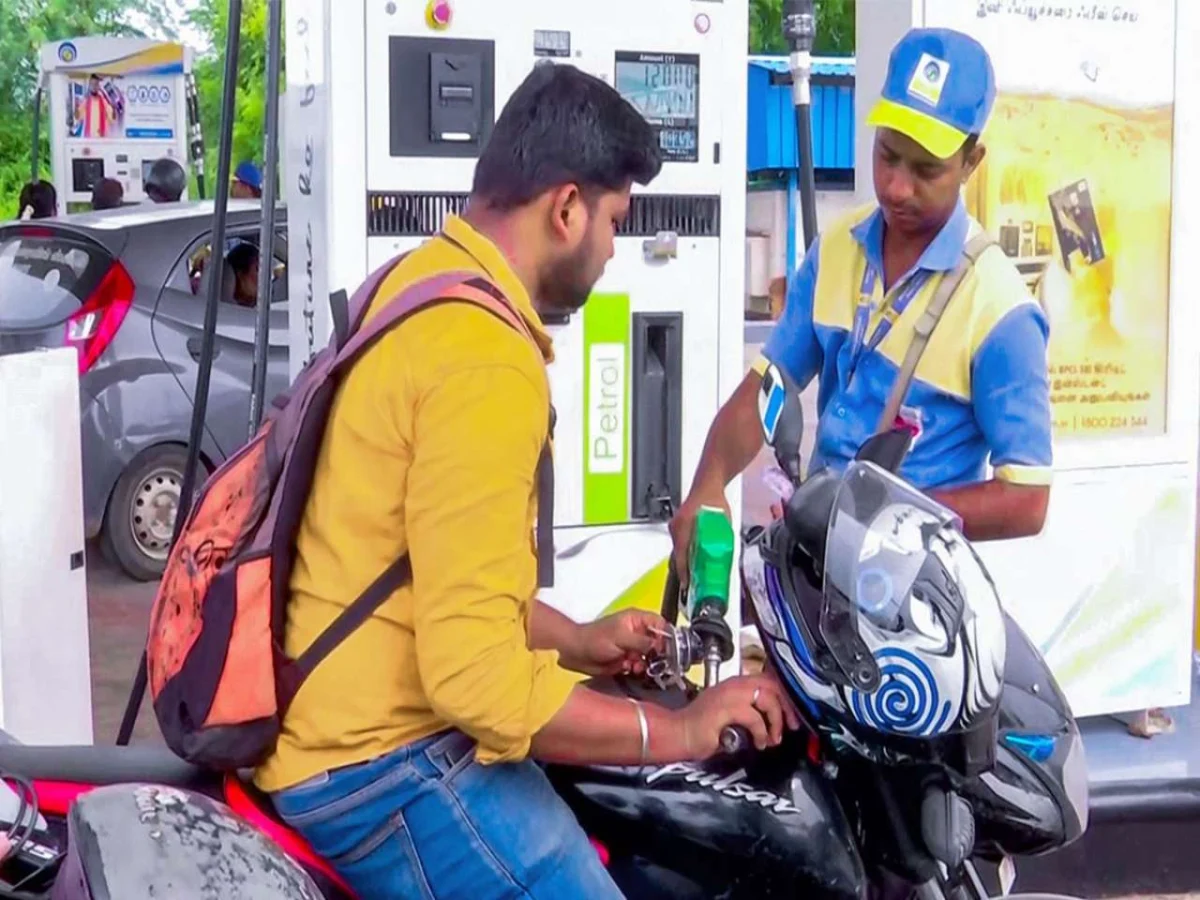
NEW DELHI, [Date, e.g., June 30, 2026] – In a significant move signaling a robust recovery in the nation’s fuel supply stability, the Indian government is set to lift all temporary restrictions on the sale of petrol and diesel to commercial and industrial consumers, effective July 1, 2026. This eagerly anticipated decision, announced by the Ministry of Petroleum and Natural Gas, marks the end of emergency measures that were put in place to safeguard fuel supplies amidst global volatility and domestic logistical challenges. The withdrawal also means the immediate cessation of the daily 200-litre diesel quantity limit for single vehicles at retail fuel stations, offering immense relief to the logistics sector and individual consumers alike.
The move underscores the government’s confidence in the current petroleum product supply situation, which has significantly improved since the restrictions were first imposed. Businesses, particularly those heavily reliant on diesel for operations, are poised to benefit from streamlined procurement, reduced operational complexities, and a more predictable fuel market. This policy reversal is expected to inject renewed dynamism into the economy, facilitating smoother trade, transport, and industrial activity across the country.
Main Facts: A Respite for India’s Economy
The Ministry of Petroleum and Natural Gas confirmed on June 29, 2026, the rescission of its earlier directive, effective from July 1, 2026. This directive, dated June 12, 2026, had introduced a series of temporary regulatory measures impacting the sale and distribution of Motor Spirit (MS) and High Speed Diesel (HSD) across the nation.
Key Changes Taking Effect from July 1, 2026:
)
- Unrestricted Access for Commercial and Industrial Consumers: Industrial, commercial, and institutional consumers will once again be permitted to purchase petrol and diesel directly from retail fuel stations. The previous mandate requiring them to procure fuel exclusively through designated consumer pumps is now withdrawn. This change is crucial for small and medium-sized enterprises (SMEs) and businesses in remote areas that may not have access to dedicated bulk consumer pumps.
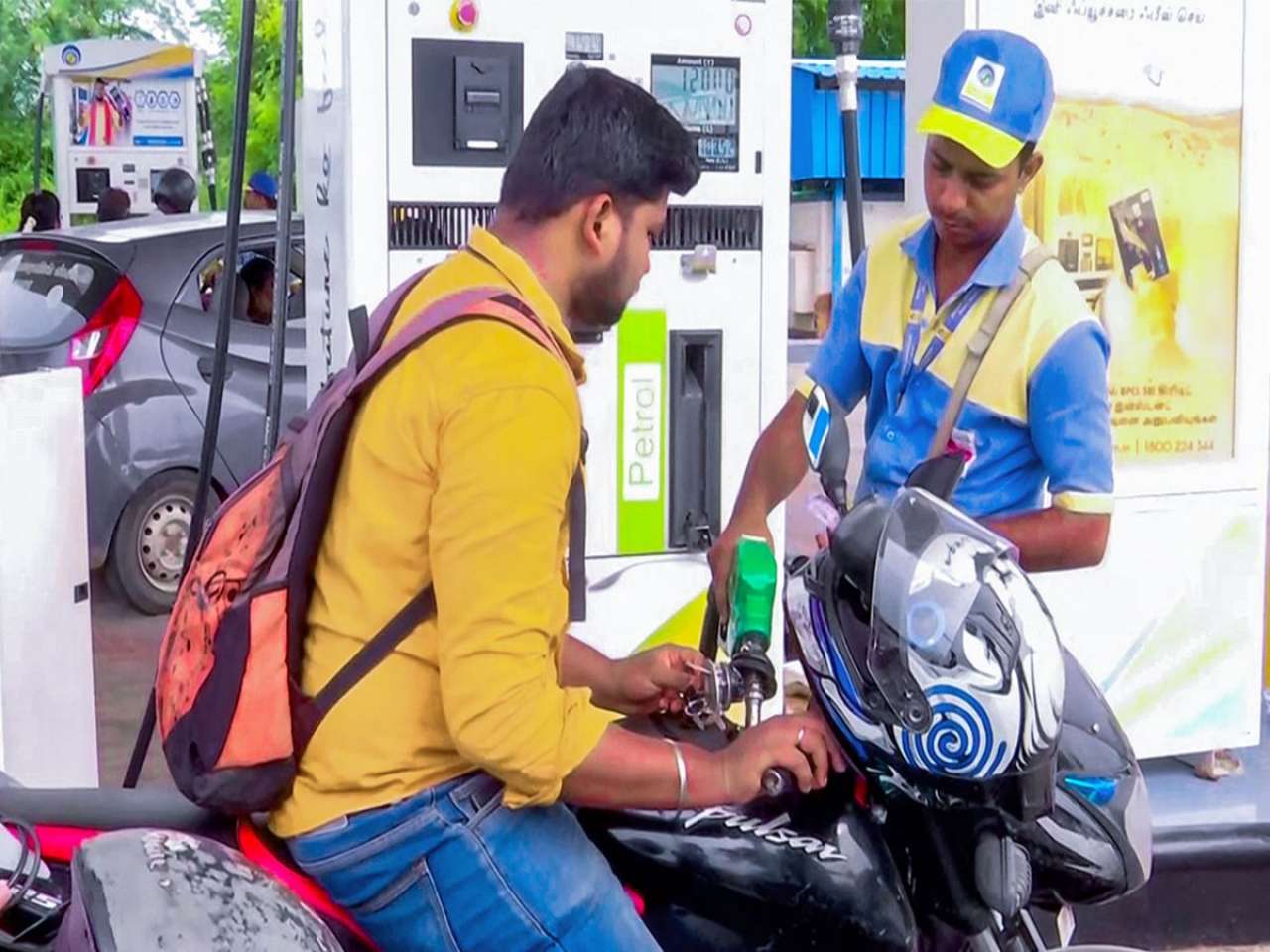
- Removal of Daily Diesel Quantity Cap: The temporary limit of 200 litres of High Speed Diesel (HSD) per customer/vehicle per day at retail outlets has been abolished. This provides significant relief to the transportation sector, including long-haul truckers, public transport operators, and agricultural machinery users, who often require larger quantities of fuel for their daily operations.
- Return to Normal Market Operations: Public Sector Oil Marketing Companies (OMCs) will revert to unrestricted sales and distribution of petrol and diesel through their extensive network of retail outlets. This normalization is expected to enhance efficiency and reduce administrative burdens for both consumers and fuel retailers.
The government’s swift imposition and subsequent withdrawal of these measures highlight a strategic approach to managing energy security. The initial restrictions were deemed "necessary and expedient in the public interest to maintain supplies… and secure their equitable distribution and availability at fair prices." Their removal now signals that these objectives have been successfully met, and the market can once again operate under normal conditions without intervention.
Chronology of Crisis Management and Recovery
The journey from imposing stringent fuel restrictions to their complete withdrawal reflects a dynamic period of global energy market volatility and India’s proactive measures to mitigate its impact.

Early 2026: Global Energy Turmoil and Domestic Concerns
The backdrop to the June 2026 restrictions was a period of significant global energy market instability. Geopolitical tensions, particularly an ongoing conflict in Eastern Europe, combined with production cuts by major oil-producing nations and supply chain disruptions, had sent crude oil prices soaring. Brent Crude, a key international benchmark, had frequently breached critical psychological barriers, leading to inflationary pressures worldwide.
In India, while the government had largely managed to insulate retail consumers from the most extreme price fluctuations through various fiscal measures, the sustained high prices and logistical bottlenecks began to pose a challenge to maintaining consistent and equitable fuel supplies. Concerns grew about potential localized shortages and the hoarding of fuel by bulk consumers, which could exacerbate the situation for the general public.
)
June 12, 2026: Imposition of Temporary Regulatory Measures
Responding to these burgeoning concerns, the Ministry of Petroleum and Natural Gas issued a directive on June 12, 2026, enacting temporary regulatory measures. These measures were designed with two primary objectives:
- Preventing Hoarding and Ensuring Equitable Distribution: By capping diesel sales to 200 litres per day per vehicle at retail stations, the government aimed to deter bulk buyers from procuring large quantities from retail outlets, thereby ensuring adequate fuel availability for individual motorists and smaller commercial entities.
- Streamlining Supply for Industrial/Commercial Users: Redirecting industrial, commercial, and institutional consumers to designated bulk consumer pumps was intended to rationalize the supply chain, ensuring that high-volume users received their fuel through specialized channels, reducing pressure on the retail network. This also allowed OMCs to better track and manage bulk demand.
The government articulated that these restrictions were implemented "in the public interest" to safeguard the nation’s energy security and ensure that essential services and the general populace continued to have access to fuel at stable prices. The measures, though restrictive, were framed as a necessary intervention to navigate an unprecedented global energy landscape.
)
Mid-June to Late June 2026: Monitoring and Review
Following the imposition of restrictions, the Ministry, in close coordination with Public Sector Oil Marketing Companies (OMCs), rigorously monitored the fuel supply situation across the country. This period involved daily assessments of crude oil imports, refinery output, strategic petroleum reserve levels, and the efficiency of the domestic distribution network. Data on retail sales, bulk purchases, and regional demand patterns were continuously analyzed to gauge the effectiveness of the temporary measures and the overall stability of the market.
June 29, 2026: The Withdrawal Order
After a comprehensive review, the Ministry of Petroleum and Natural Gas concluded that the temporary measures had successfully served their purpose. A formal order dated June 29, 2026, was issued, officially rescinding the June 12 directive. The Ministry stated its "satisfaction" that "it is no longer necessary in the public interest to continue" with the restrictions. This decision was a direct result of the perceived improvement in both global crude oil market stability and India’s domestic fuel supply chain resilience.
)
July 1, 2026: Full Restoration of Normalcy
With the lifting of restrictions on July 1, 2026, the Indian fuel market returns to its pre-crisis operational framework. This date marks a significant milestone in India’s journey through a turbulent period of global energy uncertainty, demonstrating the government’s capacity for agile policy intervention and effective crisis management.
Supporting Data: Indicators of Market Stabilization
While the original announcement did not provide specific numerical data, the government’s decision to lift restrictions is unequivocally based on a perceived and demonstrable improvement in several key indicators related to global energy markets and domestic supply capabilities.
)
Global Crude Oil Price Stabilization:
A primary factor in the government’s decision is the stabilization of international crude oil prices. After months of significant volatility where Brent Crude prices soared, occasionally touching triple-digit figures per barrel, they have gradually retreated to more manageable levels. While still subject to geopolitical shifts, the extreme upward pressure seen earlier in the year has eased. This reduction in price uncertainty directly translates into more predictable import costs for India, which relies heavily on crude oil imports to meet its energy needs. The easing of global supply fears, possibly due to increased production from some non-OPEC+ nations or a slight moderation in global demand, has contributed to this stability.
Robust Domestic Refinery Output and Strategic Reserves:
India’s robust refining capacity has played a crucial role in navigating the global energy crisis. The country boasts some of the world’s largest and most technologically advanced refineries, which have maintained high utilization rates. This consistent output of refined petroleum products, including petrol and diesel, has been instrumental in meeting domestic demand.
Furthermore, the strategic petroleum reserves, managed by the Indian Strategic Petroleum Reserve Ltd (ISPRL), provided a critical buffer during peak periods of uncertainty. The judicious use and replenishment of these reserves ensured that the country had sufficient backup supplies, mitigating the impact of potential import disruptions. The government’s ability to tap into these reserves and manage their inventory effectively bolstered domestic supply confidence.
)
Streamlined Domestic Logistics and Distribution:
The efficiency of India’s domestic logistics and distribution network for petroleum products has also seen significant improvements. Investments in pipeline infrastructure, expansion of railway freight capacity for fuel transport, and optimized road networks have collectively streamlined the movement of petrol and diesel from refineries and import terminals to retail outlets across the vast geography of the country. During the period of restrictions, OMCs refined their logistical operations, identifying and addressing bottlenecks, which has resulted in a more resilient and responsive supply chain. This enhanced logistical capability means that even with increased demand from bulk buyers returning to retail outlets, the distribution system is better equipped to handle the load without creating localized shortages.
Demand-Supply Equilibrium:
The temporary measures, while inconvenient for some, successfully rebalanced the demand-supply dynamics within the country. By preventing bulk buyers from drawing heavily from retail channels, the measures ensured that the available fuel was distributed more equitably, preventing panic buying and artificial shortages. The Ministry’s review would have indicated that the market had achieved a healthy equilibrium, where supply adequately met demand without the need for regulatory intervention. The return of normalcy in economic activities, coupled with stable supplies, reinforces this equilibrium.
)
Data-Driven Policy Making:
The decision to withdraw the restrictions was not arbitrary but the outcome of continuous, data-driven analysis. The Ministry of Petroleum and Natural Gas, along with OMCs, would have extensively tracked metrics such as inventory levels at depots, sales volumes at retail outlets and bulk consumer pumps, import schedules, and refinery throughput. The consistent positive trends observed in these indicators provided the necessary confidence to reverse the emergency measures, signaling a return to a stable and well-managed fuel market.
Official Responses: Reassurance and Strategic Foresight
The official communication from the Ministry of Petroleum and Natural Gas underscored both the necessity of the initial restrictions and the confidence in their withdrawal.
)
In its release dated June 29, 2026, the Ministry explicitly stated: "The Ministry of Petroleum and Natural Gas has withdrawn the temporary regulatory measures governing the sale and distribution of Motor Spirit (MS) and High Speed Diesel (HSD) through retail outlets of Public Sector Oil Marketing Companies with effect from 1st July, 2026."
The Ministry reiterated the rationale behind the initial imposition, noting: "The temporary measures were considered necessary and expedient in the public interest to maintain supplies of motor spirit (petrol) and high speed diesel… and secure their equitable distribution and availability at fair prices." This highlights the government’s primary objective of consumer protection and market stability during periods of external shock.
)
A senior official from the Ministry, speaking anonymously due to protocol, commented on the success of the intervention: "Our priority was always to ensure uninterrupted fuel availability for every citizen and essential service. The temporary measures, while challenging for some, proved effective in stabilizing the market and preventing potential shortages. We are pleased to see that our strategic interventions, combined with the resilience of our supply chain, have allowed us to return to normalcy sooner than anticipated."
The official further emphasized the government’s proactive and adaptive approach: "This episode demonstrates our commitment to agile policy-making. We closely monitored the situation, and once convinced of the market’s stability and robustness of our supply lines, we acted swiftly to remove the restrictions, thereby minimizing any long-term distortions to the market."
)
The withdrawal order itself, citing "powers conferred by clause 3 of the Motor Spirit and High Speed Diesel (Temporary Regulation of Supply through Retail Outlets) Order, 2026," reaffirmed the legal and administrative framework under which such interventions and withdrawals are executed. The government’s messaging consistently emphasized that the measures were "temporary" and "time-bound," reinforcing its commitment to a free-market approach wherever feasible, while retaining the ability to intervene strategically during crises.
Implications: A Wave of Positive Impact
The lifting of these fuel restrictions carries wide-ranging positive implications for various stakeholders across the Indian economy, signaling a return to operational fluidity and fostering renewed economic confidence.
)
For Commercial and Industrial Consumers:
This segment stands to gain the most immediate and significant relief. Businesses involved in logistics, manufacturing, construction, mining, and agriculture, which are heavy users of diesel, will no longer face the logistical hurdles and increased costs associated with procuring fuel from designated bulk consumer pumps.
- Reduced Operational Complexities: Companies can revert to simpler procurement processes, purchasing fuel from their preferred or nearest retail outlets. This eliminates the need for maintaining separate accounts with bulk suppliers or rerouting vehicles to specific pumps, saving time and administrative effort.
- Cost Savings: While the price of fuel remains subject to market dynamics, the removal of restrictions may lead to indirect cost savings. During the restriction period, some businesses might have incurred additional transport costs to reach bulk pumps or faced higher prices if they had to resort to alternative, less efficient supply channels.
- Enhanced Efficiency: The unfettered access to fuel ensures smoother operations, reduces vehicle downtime, and improves overall supply chain efficiency. This is particularly critical for sectors with tight delivery schedules or continuous operational demands.
- Support for SMEs: Small and medium-sized enterprises (SMEs) often lack the infrastructure or purchasing power for bulk consumer pumps. The return to retail access is a major boon for them, ensuring they can fuel their operations without undue burden.
For Retail Consumers and the Transportation Sector:
The removal of the 200-litre daily diesel cap at retail stations is a welcome change for individual vehicle owners, especially those operating heavy-duty vehicles, and for public transport operators.
)
- Greater Flexibility: Long-haul truckers, inter-city bus operators, and farmers using high-capacity machinery can now refuel their vehicles to full capacity, reducing the frequency of stops and improving journey efficiency.
- Convenience: All retail customers can now purchase diesel without any quantity constraints, ensuring hassle-free transactions at fuel stations.
- Assured Supply: The government’s confidence in the overall supply situation means retail consumers can be assured of stable and readily available fuel, dispelling any lingering fears of shortages.
For Oil Marketing Companies (OMCs):
Public Sector Oil Marketing Companies (OMCs) will also benefit from the normalization of sales patterns.
- Streamlined Operations: OMCs can simplify their distribution strategies, as the dual system of retail and bulk-only sales for certain categories is removed.
- Increased Throughput: Retail outlets are likely to see an increase in sales volumes as bulk buyers return, potentially boosting profitability.
- Reduced Administrative Burden: The need to monitor and enforce complex sales restrictions is eliminated, allowing OMCs to focus on core business activities.
Broader Economic Impact:
The decision is expected to have a positive ripple effect across the broader economy.
)
- Economic Growth: Easier access to fuel, a critical input for almost all economic activities, will support manufacturing, agriculture, and services sectors, contributing to overall economic growth.
- Inflationary Pressure Mitigation: By stabilizing fuel supply and reducing logistical inefficiencies, the move can help mitigate inflationary pressures, especially those related to transportation costs of goods and commodities.
- Investor Confidence: The government’s demonstration of effective crisis management and its ability to quickly normalize market conditions enhances investor confidence in India’s economic resilience and policy predictability.
- Market Stability: The withdrawal reinforces a market-oriented approach, indicating that government intervention is reserved for genuine emergencies and is not intended to distort market mechanisms long-term.
Expert and Industry Perspectives:
Industry bodies have largely welcomed the decision. A spokesperson for the All India Transporters’ Association (AITA) commented, "The 200-litre cap was a significant operational challenge for our members, especially those on long-haul routes. This withdrawal is a huge relief and will significantly improve the efficiency of our freight movement, contributing positively to the supply chain."
Energy analysts also view the move as a strong indicator of India’s robust energy security measures. "This rapid reversal of restrictions showcases India’s capacity to absorb global energy shocks and manage its domestic supply chain effectively," noted Dr. Priya Sharma, a Delhi-based energy economist. "It speaks volumes about the government’s strategic planning, including managing strategic reserves and refinery output, to ensure national energy stability."
In conclusion, the lifting of petrol and diesel restrictions from July 1, 2026, marks a pivotal moment for India. It not only signifies the successful navigation of a period of global energy uncertainty but also reaffirms the government’s commitment to fostering a stable, efficient, and consumer-friendly fuel market, laying a stronger foundation for sustained economic recovery and growth.
