

New Delhi: As the mercury soars, the familiar discomfort of summer heat – fatigue and dehydration – often takes center stage. However, beneath the surface of these common complaints lies a more insidious threat: the significant toll that high temperatures can exact on our kidneys. Medical experts are increasingly highlighting a surge in kidney-related hospitalizations during heatwaves, particularly among vulnerable populations, underscoring the critical need for heightened awareness and proactive hydration strategies.
The Silent Strain: Dehydration’s Devastating Impact on Kidneys
The kidneys, the body’s sophisticated filtration system, are highly susceptible to the effects of dehydration. Dr. Udit Gupta, a Consultant Nephrologist at ISIC Multispeciality Hospital, explains the fundamental mechanism: "Dehydration reduces blood flow to the kidneys, making it harder for them to filter waste products from the body." This reduced blood flow means less oxygen and fewer nutrients reach the renal cells, compromising their ability to function optimally.
"The kidneys require a consistent supply of water to efficiently remove toxins and maintain the body’s delicate fluid balance," Dr. Gupta elaborates. "When you’re dehydrated, these vital organs are forced to work overtime. This increased workload can impair their function, and in severe, prolonged cases, can even precipitate acute kidney injury (AKI)." The implications are stark: even mild dehydration, if sustained over days or weeks, can place significant and cumulative stress on kidney health, potentially leading to long-term damage.
A Summer Surge in Kidney Stones: The Concentrated Risk
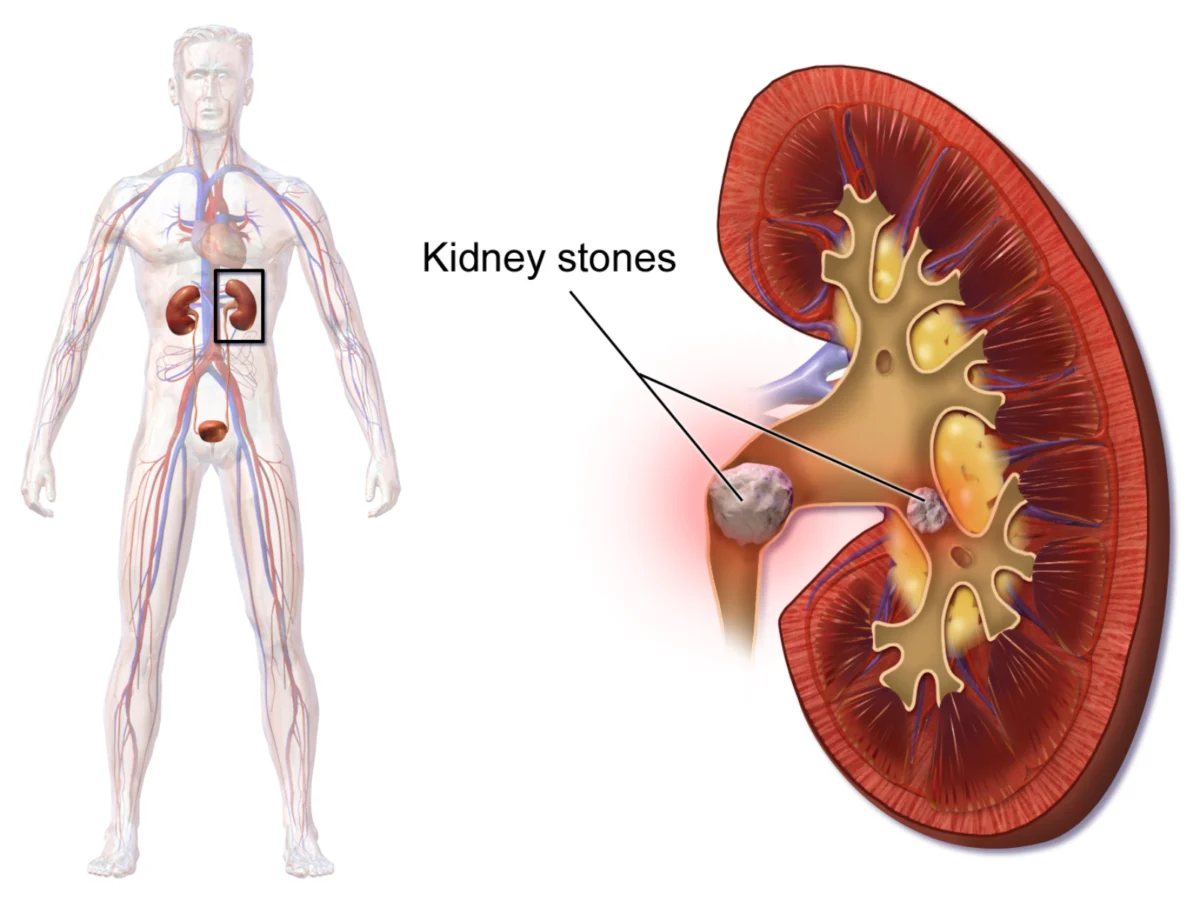
Beyond general kidney strain, summer’s heat is consistently linked to a heightened incidence of kidney stones. Research has repeatedly demonstrated a seasonal uptick in these painful conditions, with the warmer months presenting a more conducive environment for their formation.
Dr. Gupta points to excessive sweating as the primary culprit. "When the body sweats profusely, it loses water. This leads to a more concentrated urine," he explains. "In this concentrated state, minerals such as calcium, oxalate, and uric acid, which are normally dissolved and excreted, are more likely to crystallize. These crystals can then aggregate, forming kidney stones." The increased concentration of urine not only promotes stone formation but can also make individuals more susceptible to urinary tract infections (UTIs), further compounding the health risks during hot weather.
Recognizing the Warning Signs: When Your Kidneys Need Attention
The subtle signs of heat-related kidney stress can often be overlooked, masking the underlying strain. It is crucial to be aware of these early warning indicators to prevent more serious complications.
"Heat-related kidney stress doesn’t always manifest with dramatic symptoms initially," Dr. Gupta cautions. "However, persistent thirst, dark-colored urine – often described as resembling the color of coffee – and a noticeable reduction in urine output are significant red flags." Other symptoms that warrant attention include dizziness, profound fatigue, persistent headaches, muscle cramps, nausea, a general feeling of weakness, and swelling, particularly in the feet and ankles.
Should kidney stones develop, the symptoms can be more acute and severe. These typically include intense pain in the back or side, a burning sensation during urination, and the presence of blood in the urine. Dr. Gupta strongly advises seeking immediate medical attention if there is a sudden and significant decrease in urine output or any signs of severe dehydration, as these can indicate a critical impairment of kidney function.
Summer Habits That Undermine Kidney Health
While the heat itself is a significant factor, certain common summer behaviors can exacerbate the risk to kidney health. Understanding these habits is key to adopting safer practices.
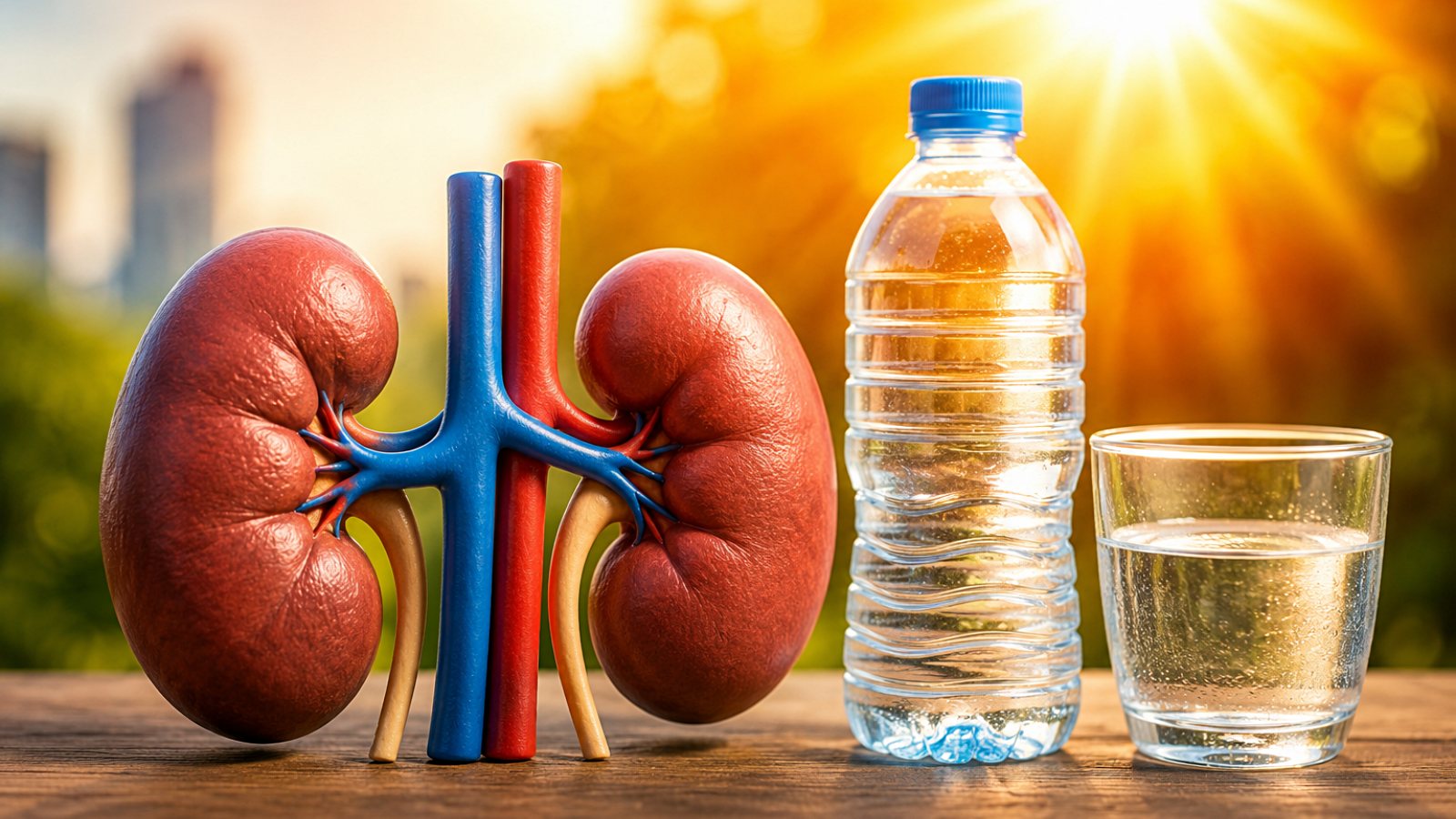
1. Inadequate Fluid Intake: The most prevalent and dangerous habit is simply not drinking enough water. Many individuals underestimate their fluid needs, especially during periods of high activity or extreme heat. Waiting until thirst sets in is often too late, as thirst is already an indicator of mild dehydration.
2. Over-reliance on Sugary and Caffeinated Beverages: In an attempt to quench thirst, many turn to sodas, energy drinks, and other sweetened beverages. These drinks can provide temporary relief but often contain high levels of sugar and caffeine, which can be detrimental. Sugary drinks can contribute to weight gain and diabetes, both risk factors for kidney disease. Caffeine, while a diuretic, can further contribute to fluid loss if not balanced with adequate water intake.
3. Excessive Alcohol Consumption: Alcohol is a diuretic and can lead to dehydration. During summer, when people are more likely to socialize and consume alcohol, it’s important to be mindful of intake and to rehydrate with water.
4. Prolonged Sun Exposure and Strenuous Activity Without Proper Hydration: Spending extended periods in direct sunlight or engaging in strenuous physical activity without replenishing lost fluids through sweat can rapidly lead to dehydration and put immense pressure on the kidneys.
5. Overuse of Painkillers: Non-steroidal anti-inflammatory drugs (NSAIDs), such as ibuprofen and naproxen, can harm the kidneys, especially when taken by individuals who are already dehydrated. NSAIDs can reduce blood flow to the kidneys, and in a dehydrated state, this effect is amplified.
6. High-Salt Diets: Consuming excessive salt can increase blood pressure, which is a major risk factor for kidney disease. Furthermore, high salt intake can lead to water retention, indirectly impacting kidney function.
Vulnerable Populations: Who Needs Extra Vigilance?
While the risk of heat-related kidney issues affects everyone, certain groups are particularly vulnerable and require heightened awareness and preventive measures.
Older Adults: As people age, their sense of thirst can diminish, making them less likely to drink enough water even when dehydrated. Their kidneys may also be less efficient at conserving water.
Outdoor Workers and Athletes: Individuals who spend significant time working or exercising outdoors are at a higher risk of dehydration and heat-related illnesses due to increased fluid loss through sweat.
Individuals with Pre-existing Health Conditions:
- Diabetes: People with diabetes are more prone to dehydration due to fluctuations in blood sugar levels, which can affect kidney function.
- High Blood Pressure: Hypertension is a leading cause of kidney disease, and the strain of heat can further compromise compromised kidney function.
- Chronic Kidney Disease (CKD): Those already living with CKD have a reduced kidney reserve and are more susceptible to acute kidney injury from dehydration and heat stress.
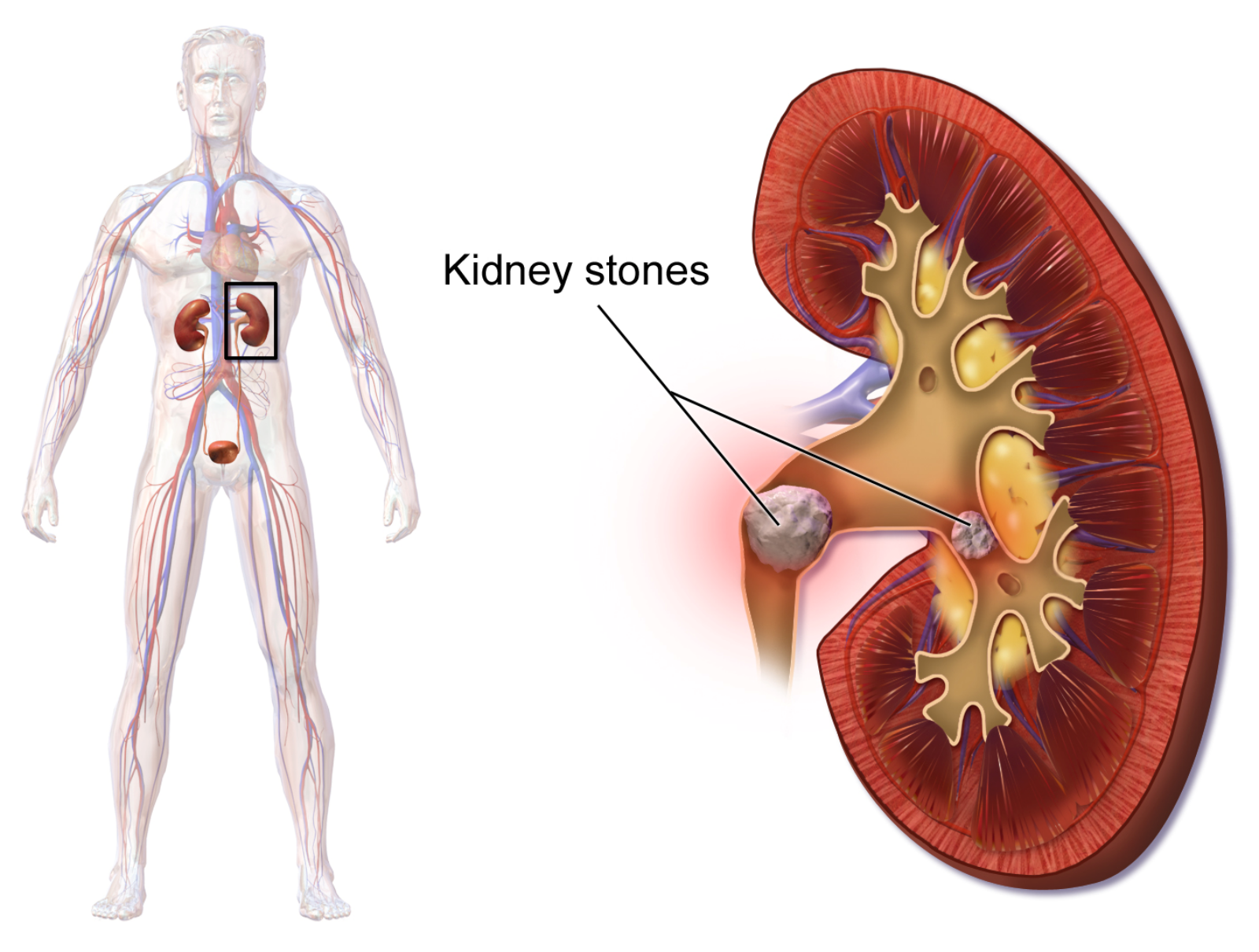
- History of Kidney Stones: Individuals who have previously suffered from kidney stones are at a higher risk of recurrence, especially during the summer months.
Proactive Prevention: Safeguarding Your Kidneys This Summer
The good news is that the risks associated with summer heat and kidney health are largely preventable with mindful hydration and lifestyle adjustments. Dr. Gupta offers practical advice for protecting your kidneys:
1. Prioritize Hydration:
- Drink Water Consistently: Don’t wait until you feel thirsty. Sip water throughout the day. Aim for clear or pale yellow urine, which is generally indicative of adequate hydration.
- Increase Fluid Intake During Heat: When temperatures rise, or during periods of physical activity, increase your fluid intake significantly.
- Include Water-Rich Foods: Incorporate fruits and vegetables with high water content into your diet, such as watermelon, cucumbers, strawberries, and oranges.
2. Modify Your Diet:
- Limit Salt Intake: Reduce your consumption of processed foods, fast food, and salty snacks.
- Moderate Sugary and Caffeinated Drinks: Opt for water as your primary beverage. If you consume these drinks, do so in moderation and ensure they are balanced with ample water.
- Be Mindful of Alcohol: If consuming alcohol, do so in moderation and always follow up with plenty of water.
3. Adjust Your Lifestyle:
- Avoid Prolonged Sun Exposure: Limit your time outdoors during the hottest parts of the day, typically between 10 a.m. and 4 p.m.
- Hydrate During Exercise: Drink water before, during, and after any physical activity, especially in warm weather.
- Listen to Your Body: Pay attention to signs of dehydration and heat stress. If you feel unwell, seek shade, rest, and rehydrate.
- Be Cautious with Painkillers: If you are dehydrated or have underlying kidney issues, consult your doctor before taking NSAIDs.
4. Special Considerations for Vulnerable Groups:
- Older adults should be encouraged to drink fluids regularly, even if they don’t feel thirsty.
- Individuals with diabetes should monitor their blood sugar levels closely and maintain consistent hydration.
- Those with existing kidney conditions should strictly adhere to their doctor’s recommendations regarding fluid intake and medication.
The Bottom Line: A Call to Hydration Vigilance
The summer months, while a time for recreation and enjoyment, also present a critical period for kidney health awareness. The rising temperatures and increased risk of dehydration demand a proactive approach to fluid intake and lifestyle choices. By understanding the subtle yet significant ways heat can impact our kidneys and by adopting simple preventive measures, we can all safeguard these vital organs and enjoy the summer season without compromising our long-term health.
Disclaimer: This article is intended for informational purposes only and does not constitute medical advice. Always consult with a qualified healthcare professional for any health concerns or before making any decisions related to your health or treatment.
