

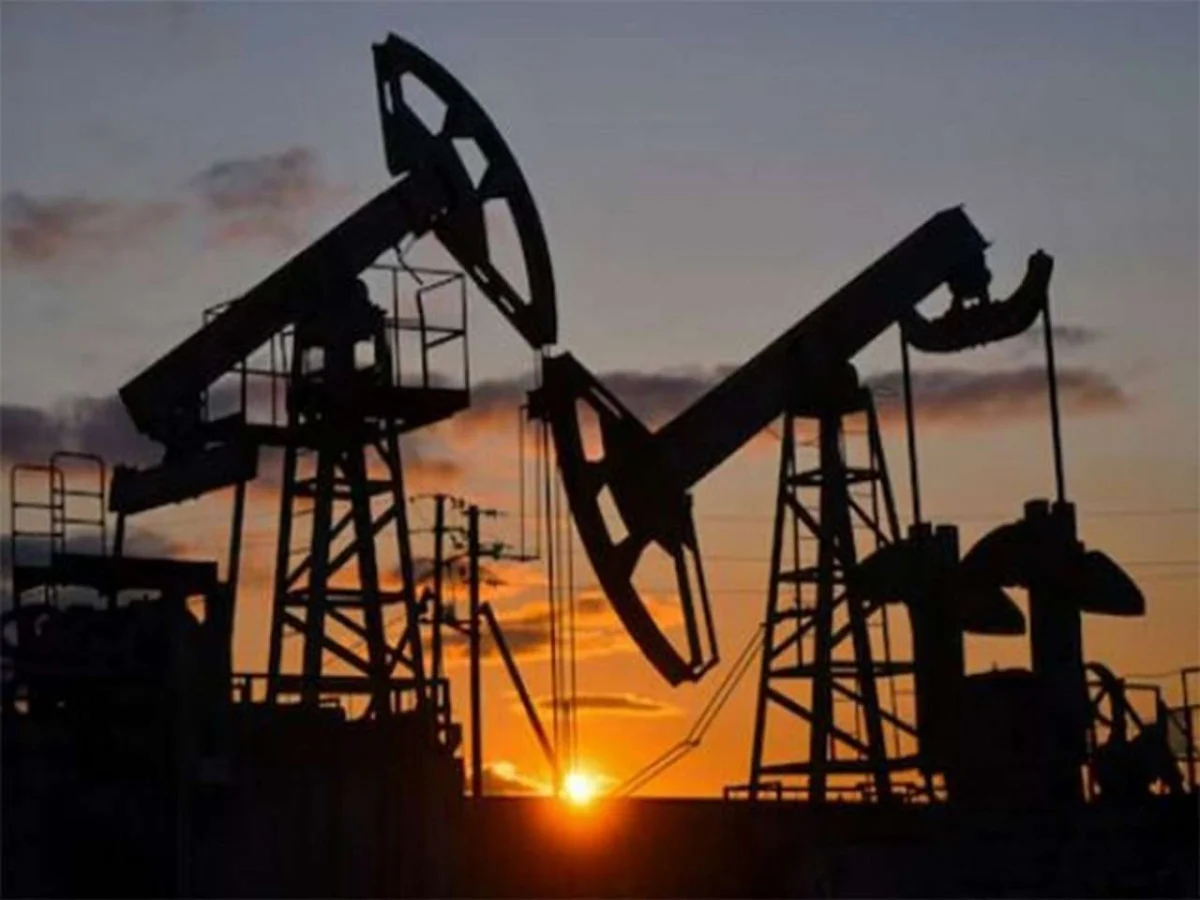
BUSINESS – In a dramatic escalation of tensions in the Middle East, global oil prices surged by an alarming 6% overnight following a series of retaliatory strikes between the United States and Iran, culminating in a stark declaration from US President Donald Trump: "Ceasefire is over." The abrupt shift from a period of cautious de-escalation has sent shockwaves through international markets, reigniting fears of a broader regional conflict and potential global economic instability.
The price of Brent crude, the international benchmark, soared to over $78 per barrel, while the US West Texas Intermediate (WTI) climbed to $74.5, reflecting a significant premium added by geopolitical risk. This sudden spike underscores the extreme sensitivity of energy markets to instability in the Persian Gulf, a critical artery for global oil supplies. The renewed hostilities have not only erased previous price gains but also cast a shadow over efforts to stabilize the volatile region.
Main Facts: A Return to High Stakes
The latest chapter in the protracted US-Iran standoff began with a decisive move by the United States, launching what it described as strikes on "over 80 targets" across Iran. These actions were purportedly a response to earlier attacks on commercial vessels navigating the strategically vital Strait of Hormuz. Iran swiftly retaliated, targeting US military bases situated in Bahrain and Kuwait, confirming the immediate and dangerous cycle of tit-for-tat aggression.
President Trump’s subsequent declaration, asserting that the "ceasefire is over" and that the US would no longer engage with Iran, marked a critical turning point. His rhetoric, which included branding Iranians as "liars, cheats and sick people" and stating that the US had attacked "very dangerous people," signaled a hardening stance that effectively dismantled any lingering hopes for diplomatic resolution in the immediate future.
)
The immediate market reaction was palpable. Crude oil prices, which had seen a period of relative calm and even decline following a Memorandum of Understanding (MoU) signed in June, reversed course dramatically. That earlier agreement had temporarily halted hostilities and reopened the Strait of Hormuz for 60 days toll-free, fostering a brief illusion of de-escalation. The current events have shattered that illusion, pushing prices back towards levels that threaten to fuel inflation globally and impact consumer prices, particularly at the gasoline pump in the United States.
While the British maritime authority UKMTO confirmed three incidents in the region, they reported no casualties or environmental damage, offering a glimmer of relief amidst the escalating military exchanges. However, the absence of immediate casualties does little to mitigate the underlying geopolitical risk that now pervades the world’s most critical oil-producing region.

Chronology: A Volatile Timeline
The current flare-up is not an isolated incident but rather the latest development in a long-standing and complex rivalry between Washington and Tehran, intensified significantly during the Trump administration’s "maximum pressure" campaign.
Early Escalations (Pre-June MoU): The period preceding the June agreement was characterized by a series of provocative actions and counter-actions. These included:
)
- Tanker Attacks: Multiple commercial oil tankers in the Gulf of Oman and near the Strait of Hormuz were subjected to attacks, with the US consistently blaming Iran, which Tehran denied. These incidents severely disrupted maritime traffic and raised insurance costs for shipping.
- Drone Incidents: The downing of a US surveillance drone by Iran in June underscored the hair-trigger nature of the conflict, bringing the two nations to the brink of direct military confrontation.
- Sanctions and Rhetoric: The US withdrawal from the Joint Comprehensive Plan of Action (JCPOA), or Iran nuclear deal, in 2018, followed by the re-imposition and tightening of crippling sanctions on Iran’s oil exports and financial sector, formed the bedrock of the "maximum pressure" strategy. Iran, in turn, began to reduce its commitments under the nuclear deal and issued threats regarding the closure of the Strait of Hormuz.
The June Memorandum of Understanding (MoU): A brief respite emerged in June with the unexpected signing of an MoU. This agreement, the details of which were not fully disclosed, reportedly involved a temporary cessation of hostilities and, critically, the reopening of the Strait of Hormuz for a 60-day toll-free period. This development had been widely interpreted as a tentative step towards de-escalation, leading to a temporary easing of market anxieties and a softening of oil prices. Diplomatic channels, though unofficial, were believed to be open, offering a fragile hope for dialogue.
The Recent Overnight Strikes and Retaliation: This fragile calm was violently shattered overnight.
)
- US Offensive: The United States initiated multiple strikes, reportedly targeting "over 80 targets" within Iran. While specific details of these targets remain limited, official statements indicated they were a response to recent attacks on commercial shipping in the Strait of Hormuz. Locations such as Hormozgan, Mahshar, and Bandar Mashahr were mentioned in early reports as areas affected by these strikes. The nature of these strikes, likely involving air assets and potentially naval capabilities, suggested a significant show of force.
- Iranian Retaliation: Iran quickly responded, demonstrating its capacity to strike US interests in the region. Reports confirmed that Tehran targeted US military bases in Bahrain and Kuwait. This immediate and direct retaliation underscored Iran’s commitment to responding to perceived aggression and its ability to project power across the Gulf.
- Trump’s Declaration: In the aftermath of these exchanges, President Trump’s definitive statement, "ceasefire is over," formally closed the door on the recent period of truce and signaled an unequivocal return to a confrontational posture. His accompanying remarks further solidified the perception that any immediate diplomatic pathway had been abandoned.
This rapid sequence of events, from a fragile calm to renewed military confrontation and a definitive end to diplomatic gestures, highlights the extreme volatility of the US-Iran relationship and its profound capacity to disrupt global stability.
Supporting Data: Economic Tremors and Strategic Significance
The immediate and dramatic surge in oil prices is the most direct economic consequence of the renewed US-Iran hostilities, but its implications extend far beyond the energy sector.
)
The Oil Market’s Volatile Reaction
- Price Surge Details: The overnight increase saw US West Texas Intermediate (WTI) crude trading at USD 74.5 per barrel, marking a sharp 5.8% rise. Simultaneously, the global benchmark Brent crude reached USD 78.35, climbing by 5.65%. This translates to an average increase of approximately 6% across major crude oil indices. These figures represent a significant reversal from the pre-conflict levels, which had softened to just below $76 for Brent and even lower for WTI following the June MoU. At one point during the night, Brent briefly touched $78 before settling.
- Strategic Importance of the Strait of Hormuz: The disproportionate market reaction is directly tied to the geopolitical significance of the Strait of Hormuz. This narrow waterway, situated between Iran and Oman, is the world’s most important oil transit chokepoint. Approximately 20% of the world’s total petroleum liquids consumption, or about 21 million barrels per day, passed through the Strait in 2018, according to the US Energy Information Administration (EIA). Any threat or actual disruption to this passage sends immediate shockwaves through global energy markets, as traders price in the potential for supply shortages. Iran’s historical threats to close the Strait in response to sanctions or military action are well-documented and serve as a constant source of market anxiety.
- Historical Precedents: The current spike echoes historical instances where Middle East conflicts have triggered significant oil price surges. The 1973 oil crisis, the Iran-Iraq War in the 1980s, and the Gulf Wars in the 1990s and early 2000s all demonstrated the region’s capacity to drive global energy prices. The current situation, while not yet a full-scale war, carries the inherent risk of escalating into one, thereby justifying the market’s cautious premium.
Broader Economic Implications
- Inflationary Pressures: A sustained rise in crude oil prices inevitably translates into higher costs across various sectors. For consumers, this means increased gasoline pump prices, a direct hit to household budgets. In the US, pump prices had remained stubbornly high despite a recent dip in global crude, prompting President Trump to publicly warn oil companies to cut them. The current surge will exacerbate this issue. Beyond fuel, higher oil prices impact transportation costs for goods, manufacturing inputs, and ultimately, the prices of a wide array of consumer products. This inflationary pressure can stifle economic growth and erode purchasing power.
- Global Economic Outlook: Major economies, particularly those heavily reliant on oil imports, face significant headwinds. A prolonged period of high oil prices can slow global economic growth, potentially pushing some vulnerable economies into recession. Sectors such as aviation, shipping, and logistics, which have high fuel consumption, will see their operating costs increase, potentially leading to higher fares, freight charges, and reduced profitability.
- Financial Market Volatility: While the article specifically mentions "Sensex down 1700 points" in its image caption (implying a broader market reaction in India), the general trend across global financial markets following such geopolitical shocks is increased volatility. Stock markets often react negatively to uncertainty and rising energy costs, as these factors dampen corporate earnings and consumer confidence. Investors tend to move towards safer assets, leading to shifts in currency markets and bond yields.
Military Data and Damage Assessment
- US Strikes: The US claim of hitting "over 80 targets" signifies a comprehensive and geographically widespread military operation. While the specific nature of these targets (e.g., military infrastructure, missile sites, command centers) remains unconfirmed in detail, the sheer number suggests a significant retaliatory action. Reports of strikes in Hormozgan, Mahshar, and Bandar Mashahr indicate targets along Iran’s southern coast, strategically important for its oil infrastructure and access to the Strait of Hormuz.
- Iranian Counter-Strikes: Iran’s targeting of US military bases in Bahrain and Kuwait demonstrates its capability to project power beyond its borders and directly challenge US military presence in the Gulf. The precise extent of damage or casualties at these bases has not been fully detailed, but any successful strike on US personnel or assets carries immense political and strategic weight.
- UKMTO Confirmation: The confirmation by the UK Maritime Trade Operations (UKMTO) of "three incidents" but "no casualties or environmental damage" provides a crucial, albeit limited, assessment. This suggests that while there were disruptions to maritime activity, the immediate humanitarian and ecological impact appears to have been contained, preventing an even more severe escalation of the crisis. However, the psychological impact on shipping companies operating in the region remains high.
Collectively, these data points illustrate a rapidly evolving and highly dangerous situation with far-reaching economic and geopolitical consequences, driven by the strategic importance of the region and the uncompromising rhetoric of its key players.
Official Responses: A Diplomatic Dead End?
The official responses to the latest round of hostilities paint a grim picture for the prospects of immediate de-escalation, dominated by President Trump’s confrontational stance and implicit Iranian resolve.
)
United States: A Hardening Stance
President Donald Trump’s remarks following the overnight strikes were unequivocal and left little room for misinterpretation regarding his administration’s immediate policy towards Iran.
- "Ceasefire is Over": This statement, delivered with characteristic bluntness, officially signaled an end to any perceived truce or informal understanding that might have emerged from the June MoU. It suggests a return to a more aggressive posture, abandoning the brief period of diplomatic maneuvering.
- Harsh Rhetoric: Trump’s description of Iranians as "liars, cheats and sick people" and his assertion that the US had attacked "very dangerous people" are highly inflammatory. Such language is unprecedented for a sitting US president towards a sovereign nation and reflects a deep-seated antagonism. This rhetoric not only diminishes the chances of dialogue but also risks further alienating potential international mediators. It aligns with his administration’s broader "maximum pressure" campaign, which has consistently aimed to isolate Iran economically and diplomatically.
- "US Would Not Deal With Iran": This declaration is perhaps the most significant in terms of diplomatic implications. It explicitly closes the door on direct negotiations, at least under the current circumstances. This stance complicates any efforts by international bodies or allied nations to broker a peace, as one of the principal parties has publicly refused engagement. It suggests a preference for military and economic coercion over diplomatic resolution.
- Warning to Oil Companies: Trump’s earlier public warnings to oil companies to cut gasoline pump prices, despite the inherent market dynamics, underscore his concern about the domestic economic impact of rising energy costs. This concern will only intensify with the latest surge in crude prices, potentially leading to further pressure on the energy industry.
Iran: Retaliation and Resilience
While the original article does not provide direct quotes from Iranian officials in response to the latest escalation, Iran’s actions speak volumes.
)
- Immediate Retaliation: The targeting of US military bases in Bahrain and Kuwait is a clear and direct response, signaling Iran’s unwillingness to absorb US strikes without an immediate counter. This demonstrates a strategic resolve to deter further aggression by proving its capability to inflict costs on US interests.
- Assertion of Sovereignty: Historically, Iran has consistently framed its military actions as defensive measures against foreign aggression and interference in its internal affairs. It routinely emphasizes its right to self-defense and its commitment to protecting its national interests and sovereignty.
- Rejection of US Accusations: Tehran has consistently denied US accusations regarding attacks on commercial shipping, often attributing them to external actors or false flag operations. This narrative allows Iran to maintain its stance while continuing its activities in the region.
International Community: Calls for Restraint
The international community, wary of the profound instability a full-scale US-Iran conflict would unleash, has largely responded with calls for de-escalation and restraint, though without immediate concrete action.
- European Allies: European nations, particularly France, Germany, and the UK, who were signatories to the JCPOA, have consistently advocated for diplomatic solutions and adherence to the nuclear deal. They are likely to express deep concern over the latest escalation, fearing its impact on regional security and global trade, and will probably reiterate calls for both sides to step back from the brink.
- United Nations: The UN Secretary-General would typically issue statements urging all parties to exercise maximum restraint, abide by international law, and pursue peaceful means of resolving disputes. The UN’s primary concern would be to prevent a humanitarian crisis and ensure regional stability.
- Other Major Powers (China, Russia): China and Russia, both with significant interests in the Middle East, would likely call for calm and emphasize the importance of multilateral diplomacy. They often criticize unilateral US actions and may seek to play a mediating role, though their influence has been limited in past US-Iran standoffs.
The official responses reveal a deeply entrenched conflict, with the US adopting an uncompromising stance and Iran demonstrating its willingness to retaliate, leaving little immediate room for a diplomatic breakthrough and raising the specter of continued, dangerous escalation.
)
Implications: A Region on the Brink, Global Economy Under Threat
The recent escalation in US-Iran hostilities carries profound and far-reaching implications, extending from the immediate geopolitical landscape of the Middle East to the global economic outlook.
Geopolitical Implications: The Escalation Ladder
- Risk of All-Out War: The most immediate and severe implication is the heightened risk of a full-scale military conflict. With both sides demonstrating a willingness to use force and President Trump declaring the "ceasefire over," the potential for miscalculation or unintended escalation is alarmingly high. A direct military confrontation between the US and Iran would be catastrophic, destabilizing the entire Middle East and drawing in regional allies and proxies.
- Regional Instability: Beyond direct conflict, the renewed tensions will further destabilize an already volatile region. Countries like Iraq, which hosts both US troops and Iranian-backed militias, could become a primary battleground. The security of other Gulf states, including Saudi Arabia and the UAE, also remains precarious, with their oil infrastructure and shipping routes potentially vulnerable. The conflict could empower extremist groups, create new refugee crises, and deepen sectarian divides.
- US Foreign Policy Effectiveness: The escalation calls into question the effectiveness of the Trump administration’s "maximum pressure" strategy. While designed to force Iran back to the negotiating table on US terms, it appears to have pushed Tehran towards more aggressive responses, potentially undermining US credibility and alliances in the region. The lack of a clear off-ramp or diplomatic solution further complicates US foreign policy objectives.
- Iran’s Position and Proxies: For Iran, the continued pressure and military exchanges reinforce its narrative of standing firm against external aggression. It may strengthen the hardline elements within the Iranian regime and could lead to increased reliance on its network of regional proxies (such as Hezbollah in Lebanon, Houthi rebels in Yemen, and various militias in Iraq and Syria) to project influence and respond to perceived threats, further complicating regional dynamics.
Economic Implications: A Looming Global Headwind
- Long-Term Oil Price Outlook: If the conflict persists or escalates, oil prices are likely to remain elevated, potentially climbing even higher. A sustained disruption to the Strait of Hormuz could send prices spiraling, impacting global energy security. Even without a full closure, the increased risk premium due to uncertainty and higher shipping insurance costs will keep prices artificially inflated.
- Risk of Global Recession: High oil prices act as a tax on consumers and businesses, reducing disposable income and increasing operating costs. A significant and prolonged surge could trigger a global economic slowdown or even recession, particularly if major economies are already grappling with other challenges (e.g., trade wars, post-pandemic recovery efforts). Sectors dependent on energy, like manufacturing, transportation, and agriculture, would face severe pressures.
- Consumer Impact and Inflation: Consumers worldwide, not just in the US, will feel the pinch through higher gasoline prices, increased utility costs, and a general rise in the cost of living as businesses pass on higher input costs. This inflationary pressure could force central banks to consider tighter monetary policies, further risking economic contraction.
- Investment Climate: Geopolitical uncertainty typically deters foreign investment, particularly in emerging markets. Companies may postpone expansion plans, and capital flows could shift towards safer havens, impacting global financial stability.
Humanitarian and Human Rights Implications
- Potential for Civilian Casualties: While the UKMTO reported no casualties in the initial maritime incidents, any direct military conflict or prolonged period of strikes inevitably carries the risk of civilian casualties and displacement. Iran’s population, already suffering under stringent sanctions, would face immense humanitarian challenges in the event of widespread conflict.
- Regional Instability and Displacement: A major conflict could trigger new waves of refugees and internally displaced persons, exacerbating existing humanitarian crises in the broader Middle East. The strain on neighboring countries and international aid organizations would be immense.
Future of US-Iran Relations: A Precarious Path
- Dialogue Off the Table: President Trump’s declaration that the US "would not deal with Iran" effectively freezes any immediate prospects for diplomatic engagement. This leaves military and economic pressure as the primary tools, with limited avenues for de-escalation through negotiation.
- Role of International Mediators: The absence of direct dialogue places a greater burden on international actors – such as the UN, European nations, or even neutral regional powers – to find a pathway to de-escalation. However, without the willingness of both principal parties, such mediation efforts are likely to face significant hurdles.
- Long-Term Strategy: The current crisis highlights the need for a comprehensive, long-term strategy for managing US-Iran relations that moves beyond cycles of escalation and de-escalation. This would require addressing not only nuclear issues but also regional proxy conflicts, human rights, and economic grievances, a daunting task given the current climate.
In conclusion, Donald Trump’s "ceasefire over" remark marks a dangerous pivot point in the US-Iran conflict. The immediate surge in oil prices is a stark reminder of the global economic vulnerability to Middle East tensions. As both sides dig in, the world watches with bated breath, contemplating the profound and potentially catastrophic implications of a region teetering on the edge of a wider war. The path forward appears fraught with peril, with diplomatic solutions seemingly out of reach for the foreseeable future.
