

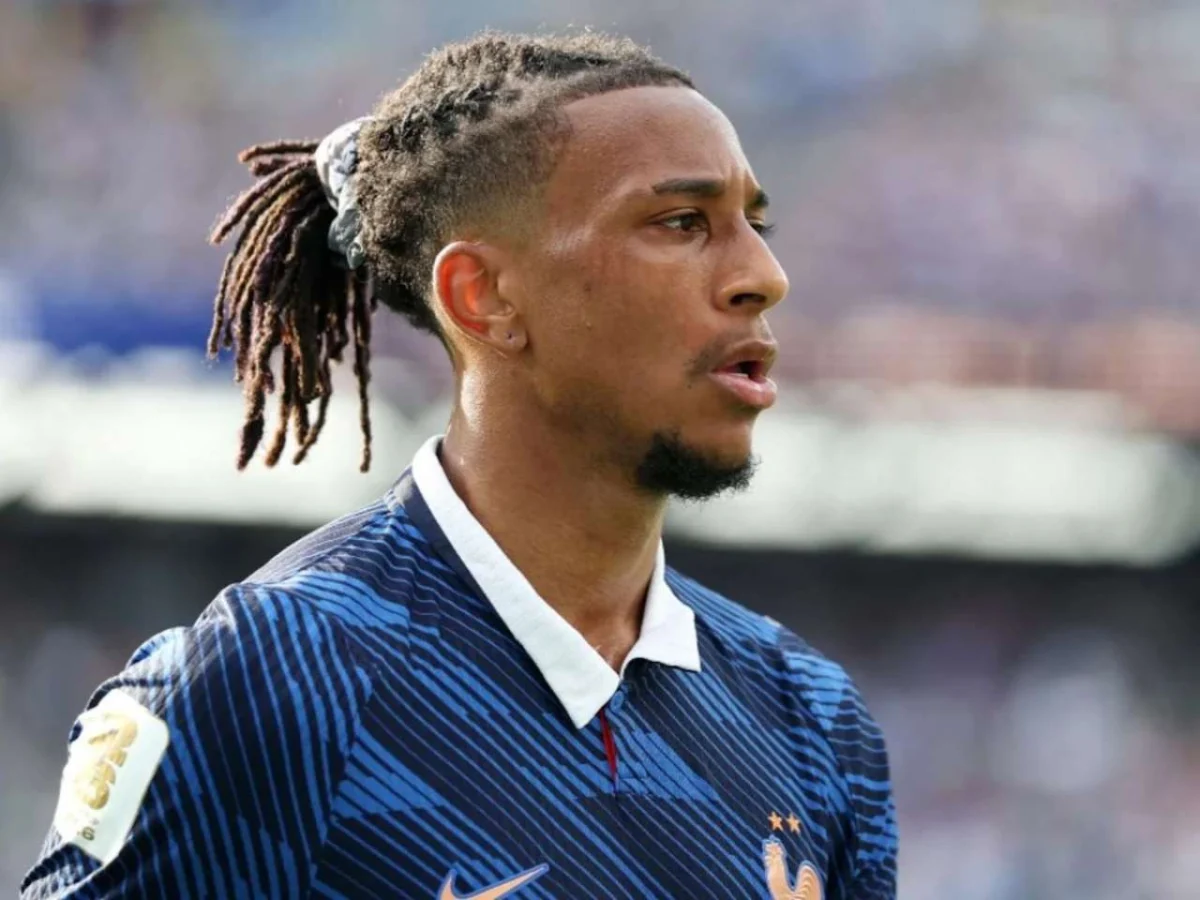
Boston, USA – In a significant setback that casts a shadow over their FIFA World Cup 2026 aspirations, France has received official confirmation that their appeal concerning winger Michael Olise’s disciplinary status has been rejected by FIFA. The decision means Olise remains precariously positioned, just one yellow card away from a crucial one-match suspension. This precarious situation leaves head coach Didier Deschamps and his squad "sweating" over the 24-year-old’s availability for a potential semi-final clash, should Les Bleus advance past their quarter-final encounter with Morocco. The ruling has ignited fresh debate regarding FIFA’s disciplinary consistency, especially in light of recent controversial decisions.
The news, conveyed directly to the French camp by FIFA, confirms that the yellow card Olise received during France’s hard-fought Round of 16 victory against Paraguay will stand. This puts an immense psychological and tactical burden on the talented winger and the entire French team as they navigate the high-stakes knockout rounds of the pinnacle of international football.
Disciplinary Cloud Over Key Winger Michael Olise
Michael Olise, who has emerged as one of the tournament’s standout performers, now faces the daunting task of playing with extreme caution in one of the most intense phases of the competition. His potential absence from a semi-final fixture would be a severe blow to France’s attacking prowess and tactical flexibility, forcing Deschamps to re-evaluate his strategies at a critical juncture. The decision highlights the razor-thin margins and immense pressure inherent in World Cup football, where individual disciplinary actions can have far-reaching consequences for an entire nation’s campaign.
The Incident and the Initial Appeal: A Timeline of Events
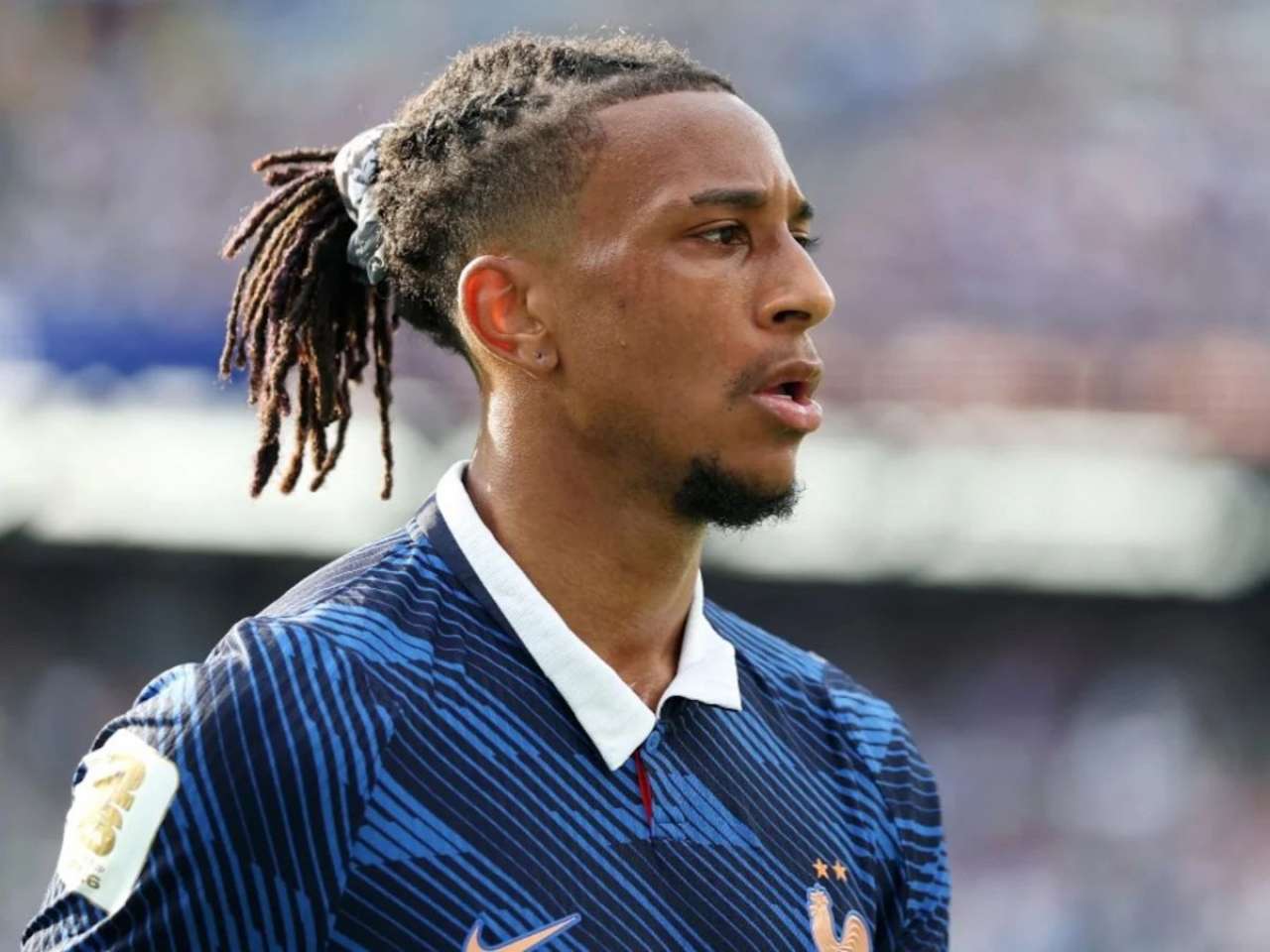
The saga surrounding Michael Olise’s yellow card began during France’s Round of 16 match against Paraguay, a contest that saw Les Bleus scrape through with a narrow 1-0 victory. The incident, which occurred in the dying moments of the game, sparked immediate contention and subsequently led to the French Football Federation’s (FFF) formal appeal.
The Tangle in Philadelphia: Round of 16 Against Paraguay
On what should have been a night of unadulterated celebration following their progression to the quarter-finals, a contentious moment unfolded in stoppage time at Philadelphia’s Lincoln Financial Field. France, having secured their slender lead, were attempting to run down the clock when Olise became embroiled in a physical altercation with Paraguayan midfielder Matías Galarza. The incident saw Galarza fall to the ground, clutching his face, immediately drawing the referee’s attention. Despite replays appearing to show Olise merely grabbing Galarza’s shirt rather than making contact with his face, the official swiftly brandished a yellow card.
The decision was met with visible frustration from Olise and his teammates, who believed the contact was minimal and Galarza’s reaction exaggerated. For France, a team with a clear trajectory towards the latter stages of the tournament, any disciplinary action, particularly a yellow card that accumulates, carries significant weight. Olise’s booking was not merely an isolated incident but a potential harbinger of future complications. The nature of the foul – a seemingly innocuous shirt-pull rather than a dangerous tackle – further fueled the FFF’s belief that the referee’s judgment was erroneous and worthy of review.
)
FFF’s Vain Attempt to Overturn the Booking
Recognizing the crucial role Olise plays in their attacking machinery, the French Football Federation wasted no time in lodging a formal appeal with FIFA’s Disciplinary Committee. Their argument hinged on the perceived lack of clear and obvious contact with Galarza’s face, asserting that the referee had been misled by the Paraguayan player’s reaction. The FFF presented video evidence and detailed arguments, hoping to convince FIFA that the yellow card was an unjustifiable decision that could unfairly impact France’s World Cup journey.
The FFF stressed that their appeal was based purely on the merits of Olise’s specific incident, arguing for the injustice of the booking on its own terms. They aimed to have the card rescinded, thereby clearing Olise’s disciplinary record and removing the threat of suspension. The appeal process, while standard in professional football, rarely results in the overturning of on-field decisions, especially yellow cards, unless there is unequivocal evidence of a gross error. Nevertheless, the high stakes of a World Cup and the perceived injustice galvanized the FFF into action, holding out hope for a favorable outcome.
Coach Deschamps Confirms FIFA’s Unyielding Stance
The hopes of the French camp were dashed on the morning of their quarter-final preparations. Speaking to reporters in Boston, where France is set to face Morocco, head coach Didier Deschamps delivered the grim news. "The yellow card hasn’t changed," Deschamps stated succinctly, his expression betraying a hint of disappointment. "FIFA notified us this morning – it still stands."

Deschamps’ confirmation solidified the reality for France: Olise’s yellow card would remain on his record. This means that if the winger receives another booking in the upcoming quarter-final, he will automatically be suspended for the subsequent semi-final, should France progress. The coach’s words underscored the finality of FIFA’s decision and the immediate tactical challenge now facing Les Bleus. The announcement, coming just ahead of a pivotal match, undoubtedly adds another layer of pressure and concern for Deschamps and his technical staff as they fine-tune their plans for the Moroccan challenge.
The Controversial Precedent: The Folarin Balogun Case
The rejection of France’s appeal for Michael Olise takes on added significance when viewed through the lens of a highly controversial and unprecedented disciplinary reversal by FIFA just days prior: the case of U.S. striker Folarin Balogun. This earlier decision has cast a long shadow over FIFA’s disciplinary consistency and fueled widespread criticism from various footballing bodies and coaches.
An Unprecedented Reversal and Article 27
Folarin Balogun, the dynamic forward for the United States, found himself in a similar predicament earlier in the tournament. He had been sent off during the USA’s group stage match against Bosnia and Herzegovina, incurring a red card that carried an automatic one-match ban. This meant Balogun was set to miss the crucial Round of 16 tie against Belgium, a devastating blow for the host nation.
)
However, in an extraordinary turn of events, FIFA made the unprecedented decision to suspend Balogun’s red-card ban for a year, citing Article 27 of its disciplinary code. This provision typically allows for the temporary suspension or deferral of disciplinary measures under exceptional circumstances. The reversal came after what was widely reported as "heavy lobbying" from various influential parties. Lawyers from the U.S. Soccer Federation mounted a vigorous defense, arguing for leniency. More controversially, reports emerged of direct involvement from White House officials and even President Donald Trump himself, applying significant political pressure on FIFA.
The decision to overturn a red card and suspend a ban, especially under such public and intense external pressure, sent shockwaves through the football world. Red cards, unlike yellow cards, are rarely, if ever, successfully appealed or suspended in such a manner. FIFA’s reliance on Article 27, without a clear, publicly articulated exceptional circumstance beyond the lobbying, raised serious questions about the integrity and impartiality of its disciplinary processes. Critics argued that it created a dangerous precedent, suggesting that disciplinary rulings could be influenced by power and political leverage rather than strict adherence to the laws of the game.
FFF’s Stance and the Shadow of External Influence
While the French Football Federation publicly stressed that their appeal for Michael Olise was entirely unconnected to the Balogun case and based solely on the perceived unfairness of Olise’s yellow card, the timing of their appeal was undeniably noteworthy. The Balogun decision had clearly "opened the door," as many observers noted, for other teams to challenge in-game disciplinary rulings, even if the circumstances were different (a red card vs. a yellow card). The FFF, like many federations, would have been acutely aware of the precedent set by FIFA’s willingness to re-evaluate and even overturn decisions under pressure.
)
The FFF’s appeal, therefore, was likely filed with a renewed sense of possibility, even if their specific arguments were distinct. The contrast between the two outcomes – Balogun’s red card suspended, Olise’s yellow card upheld – inevitably draws comparisons and fuels the narrative of inconsistent application of rules. This perceived inconsistency only serves to heighten the frustration among teams and coaches who feel that the playing field for disciplinary appeals is not level. The shadow of external influence, whether real or perceived, now hangs over FIFA’s disciplinary judgments, complicating what should be straightforward applications of the rules.
Michael Olise’s Impact and France’s Disciplinary Dilemma
The stakes surrounding Michael Olise’s disciplinary status are particularly high due to his pivotal role in the French squad. His individual brilliance has been a cornerstone of France’s campaign thus far, and his potential absence would leave a significant void. Furthermore, Olise is not the only French player walking a disciplinary tightrope, adding to Didier Deschamps’ concerns.
The Attacking Dynamo: Olise’s Tournament Performance
Michael Olise has been nothing short of sensational at the FIFA World Cup 2026. He has "shined" brightly, establishing himself as a key orchestrator in France’s formidable attack. With an impressive tally of five assists already to his name, Olise has consistently demonstrated his ability to unlock defenses, create scoring opportunities, and provide the cutting edge for Les Bleus. His pace, dribbling ability, precise crossing, and intelligent link-up play have made him a constant threat down the flanks, often providing the decisive pass or creating space for teammates like Kylian Mbappé.
)
Beyond the statistics, Olise brings a dynamism and unpredictability that few others in the squad possess. His ability to change the tempo of a game, to take on defenders one-on-one, and to deliver accurate balls into the box has been instrumental in France’s progression through the tournament. Losing such a vital attacking outlet, especially in a high-pressure semi-final, would force Deschamps to significantly alter his tactical approach and potentially compromise the team’s attacking fluidity and balance. The emotional and psychological impact of playing under the constant threat of suspension could also affect Olise’s natural game, potentially making him more hesitant in crucial moments.
Beyond Olise: Other French Stars on the Brink
The disciplinary concerns extend beyond Michael Olise, compounding Didier Deschamps’ headaches. Two other integral members of the French squad, midfielder Aurélien Tchouaméni and defender Jules Koundé, are also just one yellow card away from a one-match suspension.
- Aurélien Tchouaméni: The influential defensive midfielder is a vital component of France’s engine room. His ability to break up play, shield the defense, and distribute the ball effectively makes him indispensable. A suspension for Tchouaméni would severely weaken France’s central midfield, potentially exposing their backline and disrupting their control of the game.
- Jules Koundé: As a versatile defender, Koundé offers Deschamps options at both right-back and centre-back. His defensive solidity, positional awareness, and ability to contribute in possession are highly valued. His absence would necessitate a reshuffle in the defensive line, potentially impacting the team’s cohesion and stability.
The collective disciplinary tightrope walked by these key players means that Deschamps must not only plan for immediate tactical challenges but also manage the risk of multiple suspensions. This situation demands careful communication with the players, emphasizing disciplined play without stifling their natural aggression or competitiveness. The psychological burden on these players to avoid a booking, particularly in high-intensity knockout matches, is immense.
)
Morocco Faces Similar Disciplinary Concerns
France’s quarter-final opponents, Morocco, are not immune to similar disciplinary pressures. The Atlas Lions, who have defied expectations to reach this stage, also have key players at risk of suspension. Right-back Achraf Hakimi and midfielder Sofyan Amrabat, two of Morocco’s most influential figures, are also one yellow card away from missing a potential semi-final.
- Achraf Hakimi: The dynamic full-back is crucial to Morocco’s attacking and defensive transitions. His pace, crossing ability, and relentless work rate make him a constant threat and a vital defensive presence.
- Sofyan Amrabat: The combative defensive midfielder is the lynchpin of Morocco’s midfield, providing steel, breaking up opposition attacks, and dictating the tempo.
The fact that both teams face similar disciplinary dilemmas adds another layer of intrigue to their quarter-final clash. It could lead to a more cautious approach from some players, or conversely, a willingness to push the boundaries given the high stakes. This shared predicament highlights the pervasive challenge of navigating disciplinary rules in the high-pressure environment of a World Cup knockout stage.
Official Reactions and the Integrity of FIFA’s Disciplinary System
The rejection of France’s appeal for Michael Olise, particularly in the wake of the Folarin Balogun decision, has reignited a broader debate within the football community regarding the consistency, fairness, and overall integrity of FIFA’s disciplinary system. Prominent figures and governing bodies have not shied away from voicing their concerns.
)
UEFA’s Strong Condemnation of the Balogun Decision
Perhaps the most vociferous criticism of FIFA’s handling of the Balogun case came from UEFA, European football’s governing body. Their reaction was swift and unequivocal, condemning FIFA’s decision in the strongest possible terms. UEFA officials publicly stated that the overturning of Balogun’s red card and the suspension of his ban "crossed a red line" and "threatened the sport’s integrity."
UEFA’s primary concern stemmed from the precedent it set. The idea that a disciplinary ruling could be influenced by external lobbying, particularly from political figures, rather than solely on footballing grounds and established legal frameworks, was deeply troubling. They argued that such actions undermine the authority of referees, erode trust in disciplinary committees, and create an uneven playing field where influential nations might gain an unfair advantage. The criticism from UEFA, a major confederation and a powerful voice in world football, highlighted the deep divisions and concerns within the sport’s hierarchy over FIFA’s perceived inconsistent application of its own rules. It underscored a fundamental disagreement on what constitutes "exceptional circumstances" under Article 27 and the acceptable limits of external pressure.
England Boss Thomas Tuchel Voices Frustration
The sentiment of frustration regarding FIFA’s disciplinary standards was echoed by England boss Thomas Tuchel. The highly respected coach, known for his tactical acumen and forthright opinions, openly questioned the criteria for appeals following his own players picking up bookings in England’s win over Mexico. Declan Rice and Jarell Quansah, key figures for the Three Lions, both received yellow cards, prompting Tuchel to ponder the disparity in appeal outcomes.
)
Tuchel’s comments reflected a broader sentiment among coaches: if a red card could be suspended for "exceptional circumstances" following intense lobbying, why are yellow card appeals, especially for incidents that appear to be misjudged, so routinely rejected? His frustration highlighted the lack of clarity and consistency that coaches perceive in FIFA’s disciplinary processes. This perceived arbitrariness makes it difficult for teams to understand the boundaries of acceptable play and the realistic chances of overturning what they believe are unfair decisions, ultimately contributing to a sense of disillusionment with the system.
The Broader Debate on Consistency and Fairness
The contrasting outcomes of the Balogun and Olise cases have inevitably fueled a broader debate about the fundamental principles of consistency and fairness in football governance. At the heart of this discussion is the question of whether all nations and players are treated equally under FIFA’s disciplinary code, or if external factors, influence, or the profile of the player/nation play an undue role.
The integrity of football, as a global sport, relies heavily on the perception of impartial officiating and consistent rule application. When decisions appear to be influenced by factors beyond the laws of the game, it risks undermining public trust, fostering cynicism, and creating a sense of injustice. The Olise appeal rejection, while perhaps a standard upholding of an on-field decision without "clear and obvious error," now stands in stark contrast to the extraordinary Balogun reversal. This contrast makes it harder for FIFA to argue for strict adherence to rules in one instance while exercising unprecedented leniency in another. The ongoing debate underscores the critical need for FIFA to clarify its disciplinary guidelines, ensure transparent processes, and demonstrate consistent application of its rules to maintain credibility and uphold the sport’s integrity.
)
Tactical Implications and the Road Ahead for Les Bleus
The disciplinary cloud hanging over Michael Olise presents a significant tactical challenge for Didier Deschamps and the French national team. As they prepare for their crucial quarter-final, and potentially a semi-final, the coach must weigh the risks and plan for contingencies, while the players must manage the mental pressure.
Navigating the Quarter-Final Against Morocco
The immediate focus for France is their quarter-final clash against a highly organized and resilient Morocco side. For Michael Olise, this match becomes a delicate tightrope walk. He must contribute his immense talent to France’s attacking efforts without incurring another booking. This requires a heightened level of discipline, careful decision-making in tackles, and potentially avoiding confrontational situations.
Deschamps will need to communicate this delicate balance to Olise. While he cannot afford to have Olise play with excessive caution that stifles his natural game and effectiveness, he also cannot risk losing him for a potential semi-final. This might involve tactical instructions to be less aggressive in certain defensive situations or to avoid unnecessary dissent. The coach might also consider managing Olise’s minutes if the game situation allows, perhaps substituting him if France builds a comfortable lead, to reduce the risk of a late yellow card. The pressure on Olise to deliver without committing an infraction will be immense, and it will be a true test of his mental fortitude.
)
The Semi-Final Conundrum: A Potential Gap in the Attack
Should France successfully navigate the challenge posed by Morocco, the prospect of a semi-final without Michael Olise looms large if he receives a yellow card in the quarter-final. Losing a player who has provided five assists and been a "key role in attack" would create a significant tactical conundrum for Deschamps.
Without Olise, France would lose a vital source of creativity, pace, and directness on the wing. Deschamps would have several options for a replacement, each bringing a different set of attributes:
- Kingsley Coman: Known for his blistering pace and direct dribbling, Coman could offer a similar threat down the flanks, albeit with potentially less creative output than Olise.
- Ousmane Dembélé: Dembélé possesses explosive speed and two-footed ability, but his fitness and consistency have sometimes been a concern. He could provide unpredictability but also carries a higher risk of turnovers.
- Tactical Shift: Deschamps might opt for a more conservative approach, perhaps bringing in an additional central midfielder to bolster control, or shifting to a system with narrower forwards, relying more on central penetration. This would fundamentally alter France’s attacking shape and potentially reduce their width.
The challenge would not just be finding a like-for-like replacement, which is often impossible, but re-calibrating the entire attacking unit. The absence of Olise’s specific attributes could force Mbappé to take on more creative responsibilities or shift the emphasis of attack to other areas of the pitch, potentially disrupting established partnerships and rhythms at the most crucial stage of the tournament.
)
Mental Fortitude Amidst Disciplinary Pressure
Beyond the tactical implications, the disciplinary pressure also takes a significant mental toll on the players and the squad as a whole. For Olise, the knowledge that one mistimed tackle or moment of dissent could end his World Cup involvement for a crucial match is a heavy burden. This psychological weight can sometimes lead to hesitation, reduced effectiveness, or even an over-correction that impacts performance.
For the rest of the squad, the awareness that key teammates are on the brink of suspension can create an added layer of anxiety. It puts pressure on every player to avoid unnecessary fouls, to maintain composure, and to support their teammates who are under disciplinary scrutiny. Didier Deschamps, as a seasoned coach, will need to manage this mental aspect carefully, ensuring that the disciplinary concerns do not overshadow the team’s focus, confidence, and competitive spirit. Maintaining unity and resilience in the face of such challenges will be paramount for France’s continued success in the tournament.
Conclusion: A Test of Depth and Resilience
The rejection of France’s appeal for Michael Olise’s yellow card serves as a stark reminder of the unforgiving nature of World Cup football, where every decision, every tackle, and every ruling can have monumental consequences. While France’s immediate focus remains on their quarter-final against Morocco, the looming threat of Olise’s suspension for a potential semi-final casts a long shadow.
)
This disciplinary setback is more than just an individual player’s problem; it is a profound test of France’s squad depth, tactical adaptability, and mental resilience. Didier Deschamps, already known for his pragmatic approach, will need to draw upon all his experience to navigate this challenge, ensuring his key players remain disciplined without sacrificing their competitive edge.
Furthermore, the Olise case, juxtaposed with the controversial Folarin Balogun precedent, continues to fuel critical discussions about FIFA’s disciplinary consistency and the perceived fairness of its appeals process. These events underscore the urgent need for greater transparency and equitable application of rules to maintain the integrity and credibility of the sport’s highest governing body.
As Les Bleus push deeper into the FIFA World Cup 2026, the disciplinary tightrope walk for Olise and other key players will be a compelling subplot, potentially determining whether France can ultimately lift the coveted trophy or fall short due to the cruellest of circumstances. Their journey from here will be a testament not only to their footballing prowess but also to their ability to overcome adversity on and off the pitch.
