

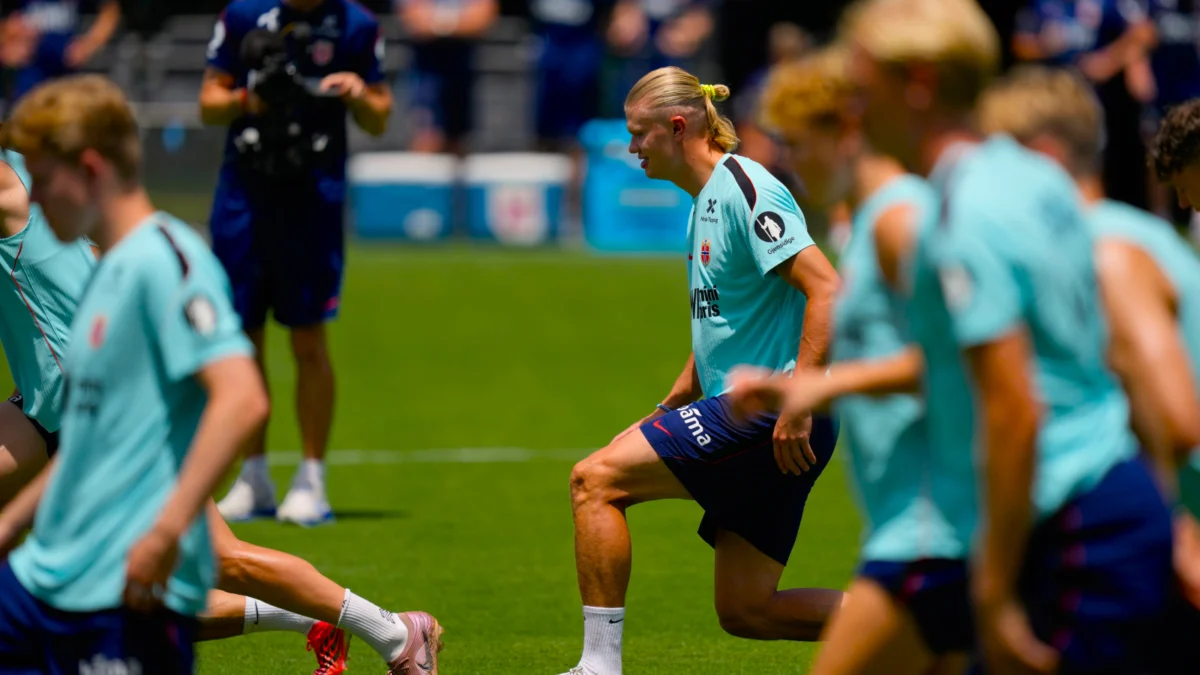
MIAMI, USA – As the FIFA World Cup intensifies, pushing athletes to their physical and mental limits, the margin between victory and defeat often hinges not just on talent and tactics, but on the meticulous science of recovery. In an era of quick turnarounds, high-intensity face-offs, and relentless schedules, elite football teams are deploying an arsenal of cutting-edge techniques and ancient wisdom to ensure their stars remain primed for peak performance.
A prime example comes from the England national team, who, after a grueling encounter with Mexico at the Estadio Azteca, have officially embraced the golden super-powder known as turmeric, or haldi, into their post-match recovery regimen. This isn’t just a nod to a passing health trend; it’s a calculated move based on the spice’s purported anti-inflammatory properties, echoing its journey from turmeric lattes in American cafes to the hallowed locker rooms of top-tier football.
The New York Times, reporting on England’s preparations for their pivotal semi-final clash against Erling Haaland’s Norway in Miami, highlighted the squad’s reliance on turmeric concoctions to combat muscle inflammation. Alongside this traditional remedy, ginger (adrak) and Omega-3 fish oil are also on the recommended list, forming a holistic dietary approach designed to facilitate a rapid transition from the stormy, high-altitude conditions of Mexico City to the humid warmth of Miami. This strategic shift underscores a broader trend: the modern footballer’s recovery is as sophisticated and specialized as their training.
The "Haldi" Revolution: England’s Ayurvedic Edge
The integration of turmeric into England’s recovery protocols marks a fascinating intersection of ancient Ayurvedic principles and modern sports science. While the yellow spice gained mainstream popularity a decade ago through health-conscious cafes promoting its use in lattes, its medicinal properties have been revered in Eastern cultures for millennia. For the Three Lions, this isn’t about cultural novelty but about quantifiable physiological benefits.
From Cafe Culture to Pitch Performance
The journey of turmeric from a kitchen staple to a professional sports supplement highlights a growing openness within elite athletics to explore natural, plant-based remedies. Curcumin, the active compound in turmeric, is a powerful antioxidant and anti-inflammatory agent. For athletes subjected to the immense physical stress of a World Cup match – repetitive sprints, tackles, and impacts – muscle inflammation is an unavoidable consequence, leading to soreness, reduced range of motion, and delayed recovery. By incorporating turmeric, England’s medical staff aim to mitigate these effects, allowing players to bounce back faster and reduce the risk of injury.
The Science Behind Turmeric, Ginger, and Omega-3
The choice of turmeric is rarely isolated. It often forms part of a synergistic dietary strategy. Ginger, another potent anti-inflammatory and antioxidant, complements turmeric’s effects. Traditionally used to alleviate nausea and muscle pain, ginger’s active compounds, gingerols, have been shown to reduce exercise-induced muscle soreness and accelerate recovery.
Omega-3 fatty acids, typically sourced from fish oil, are also crucial components of this advanced nutritional strategy. These essential fats are vital for cell membrane integrity, neurological function, and, critically, modulating inflammatory responses. Intense physical exertion can trigger systemic inflammation, and Omega-3s help to regulate this, promoting faster repair of damaged muscle tissue and supporting overall cardiovascular health, which is paramount for endurance and recovery. The combined effect of these three ingredients creates a robust internal environment conducive to rapid physiological repair and readiness for the next high-stakes encounter.
Cold, Heat, and Light: The Arsenal of Physical Recovery
Beyond dietary intake, the physical recovery protocols employed by top teams like England and Norway are a sophisticated blend of time-tested methods and cutting-edge technology. The demands of modern football, characterized by packed fixture lists and minimal rest, necessitate a multi-faceted approach to muscle repair and regeneration.
The Enduring Power of Ice Baths
For years, Epsom salts were the go-to for replenishing magnesium sulphate reserves, but their prominence has been largely superseded by the ritual of ice baths. These sub-10-degree Celsius plunges, once seen as an extreme measure, have become a regulation Standard Operating Procedure (SOP) for all top teams. The physiological rationale is rooted in vasoconstriction, where the cold causes blood vessels to narrow, reducing blood flow to inflamed areas and minimizing swelling. Upon exiting the bath, the subsequent vasodilation (blood vessel widening) is thought to flush out metabolic waste products, such as lactic acid, and deliver fresh, oxygenated blood and nutrients to tired muscles. While some debates persist about their long-term efficacy, their immediate effect on reducing perceived muscle soreness and accelerating recovery is widely acknowledged by athletes and sports scientists. The World Cup setting, with its intense schedule, makes these units an indispensable part of team equipment, traveling with the players wherever they go.
Infrared Therapy: Illuminating Recovery
Adding another layer of sophistication, the English team also travels with portable laser devices for infrared therapy. This technology harnesses specific wavelengths of light to penetrate the skin and muscles, promoting cellular repair and pain relief. Infrared light is believed to stimulate mitochondria – the powerhouses of cells – enhancing energy production and accelerating tissue regeneration. It increases local blood circulation, which helps deliver oxygen and nutrients to damaged areas while removing metabolic byproducts.
The concept extends further with dedicated infrared rooms, as utilized by players like Erling Haaland at Manchester City and during the World Cup. These rooms provide a broader application of infrared light, directly increasing body temperature and triggering muscle relaxation across larger areas. The sensation of red light sinking past the skin into muscles, joints, and tissues is not merely anecdotal; scientific studies suggest it can promote fresh blood flow to the legs, alleviate muscle stiffness, and enhance overall recovery. Haaland, a renowned proponent of cutting-edge recovery, invested in a £15,000 red-light bed two years ago, reportedly using it for five minutes before workouts to prevent injury and 20 minutes after to aid recovery, according to The Sun.
Cryotherapy and Saunas: Extremes for Elite Athletes
Beyond ice baths and infrared, the interplay of extreme temperatures is increasingly common. While ice baths provide localized cold therapy, some athletes, including Haaland, embrace cryotherapy. This involves brief exposure to extremely cold temperatures (often below -100°C) in specialized chambers. The benefits are similar to ice baths – reduced inflammation, pain relief, and accelerated recovery – but on a more systemic and intense level. Haaland even has a £50,000 cryotherapy chamber installed at his Cheshire home, underscoring the significant investment elite athletes make in their physical longevity.
Conversely, the use of 90-degree saunas offers a heat-based recovery method. Saunas promote detoxification through sweating, improve circulation, and induce muscle relaxation. The combined effect of these hot and cold therapies, often used in contrast (e.g., sauna followed by an ice bath), is believed to enhance cardiovascular function, reduce muscle soreness, and stimulate recovery processes, further highlighting the meticulous approach to player welfare.
Nutritional Mastery: Fueling the Machines
The concept of "refueling" in elite football has evolved far beyond simple carbohydrate loading and protein shakes. It’s a precise, individualized science aimed at optimizing cellular function, energy restoration, and tissue repair.
Beyond Carbs and Proteins: Specialized Diets
While carbohydrates remain the primary energy source and proteins are indispensable for muscle repair, the modern footballer’s diet is a complex matrix of macronutrients, micronutrients, hydration strategies, and specific supplements. Teams employ dedicated nutritionists who meticulously track players’ energy expenditure, hydration status, and specific dietary needs. This might include tailored meal plans based on genetic profiles, food intolerances, or individual metabolic rates. The goal is to not only replenish lost energy and repair muscle but also to optimize gut health, enhance immune function, and support mental acuity, all of which contribute to overall recovery and performance.
Erling Haaland’s Unique Regimen
Erling Haaland, known for his prodigious goal-scoring abilities, is equally renowned for his unconventional and highly disciplined approach to nutrition. His "actual refuelling," as reported, includes a raw-milk-with-spinach potion, tomahawk steaks, and organ meats like beef heart and liver. This diet, rich in nutrient-dense whole foods, aligns with an ancestral eating philosophy, emphasizing bioavailable vitamins, minerals, and healthy fats. Raw milk is prized for its enzymes and probiotics, while organ meats are considered superfoods due to their exceptionally high concentrations of vitamins (especially B vitamins), iron, and other essential nutrients, crucial for energy production and overall vitality. While not universally adopted, Haaland’s approach exemplifies the extreme personalization and experimentation at the pinnacle of sports nutrition.
Technological Frontiers: Spain’s Advanced Edge
The pursuit of marginal gains has driven some national teams to embrace truly avant-garde therapeutic technologies, pushing the boundaries of what’s possible in athlete recovery. Spain, the reigning European champions, stands out as an early adopter of such advanced therapies.

EMTT: The "Speed Battery Charger"
One such technology is Extracorporeal Magneto Transduction Therapy (EMTT). Described as a "speed battery charger," EMTT involves sending rapid magnetic wave signals through the body. The fundamental principle is that magnetic fields can penetrate tissues deeply, influencing cellular processes. For athletes, EMTT is employed to block pain signals, reduce inflammation, and, crucially, accelerate tissue repair. VennHealthcare explains that these magnetic fields quicken cellular regeneration, making it a powerful tool for rehabilitating injuries and speeding up recovery from intense exertion. Its non-invasive nature and rapid results make it highly attractive for managing the demanding schedules of professional footballers.
NESA: Rebalancing the Nervous System
Alongside EMTT, Spain also utilizes Neuromuscular Electrical Stimulation (NESA). This therapy involves delivering precise electric micro-current impulses to the body, designed to stimulate the nervous system. The aim is to prompt the nervous system to kickstart its natural processes for blunting pain and reducing inflammation. By modulating nerve signals, NESA can help to relax muscles, improve blood flow, and alleviate discomfort, allowing players to recover more effectively. The European champions’ dedication to these advanced techniques is not recent; they have invested in dedicated research and implementation for over five years, establishing a robust framework for integrating magnetic and shockwave therapies into their player welfare programs. This proactive, research-driven approach underscores their commitment to maintaining a competitive edge through scientific innovation.
Holistic Approaches: The Swiss and Argentinian Models
While some teams lean heavily on technology, others integrate more traditional or holistic methods, often tailored to their unique cultural or environmental contexts. The common thread, however, is a relentless focus on optimizing every aspect of a player’s physical and mental state.
The Power of Berries and Compression
The Swiss national team, for instance, emphasizes rehydration through berry juice, a simple yet effective strategy. Berries are rich in antioxidants, which combat oxidative stress induced by intense exercise, and provide natural sugars for energy replenishment. They are also known to consume tart cherries, specifically for their high percentage of melatonin – a natural sleep-regulating hormone. Tart cherry juice has been scientifically linked to improved sleep quality and reduced muscle soreness, making it a natural aid for athletes struggling with sleep disruption due to travel or late-night matches. Furthermore, compression garments remain a commonly used tool among the Swiss and many other teams. These specialized garments apply graduated pressure to the limbs, forcing and regulating blood flow back towards the heart. This enhanced circulation is believed to reduce muscle oscillation, decrease muscle soreness, and accelerate the removal of metabolic waste products, thus aiding recovery.
Argentina’s Meticulous Recovery Card System
For Argentina, the reigning World Cup champions, navigating fixture congestion has become a significant challenge, especially given that they are the ninth-oldest team in the tournament. Head coach Lionel Scaloni has openly lamented that the demanding schedule itself has become an opponent. To counter this, Argentina employs a highly structured and meticulous recovery card system, as reported by MundoAmerica.com. Each player is required to complete a "recovery card" with 150 points per week, earned by undertaking a series of recovery tasks, each assigned a specific score. For example, 14 minutes of cycling might earn 40 points, five minutes of foam rolling 10 points, while cold baths and massages each contribute 30 points, similar to four minutes of upper body strength training. The medical staff diligently monitors these cards, ensuring every player achieves their 150-point target. This gamified approach incentivizes consistent engagement with recovery protocols, ensuring that even the most seasoned players, like Lionel Messi, adhere to a rigorous, data-driven recovery schedule designed to maximize their readiness for the next challenge.
The Unsung Hero: The Critical Role of Sleep
Amidst all the high-tech gadgets, specialized diets, and therapeutic interventions, one fundamental aspect of recovery stands paramount, often championed by the very athletes pushing the boundaries of performance: sleep.
Haaland’s Golden Rule
Erling Haaland, with his deep understanding of physiological optimization, frequently reiterates the critical importance of rest. "Sleep is the most important thing in the world," he stated on Logan Paul’s Impaulsive podcast. His dedication to achieving optimal sleep is meticulous: "To sleep good, [I do] simple things [like wearing] blue blocking glasses, and shutting out all the signals in the bedroom." This disciplined approach to sleep hygiene, which includes minimizing exposure to blue light from screens before bed and creating a dark, quiet sleep environment, is not merely a preference but a strategic component of his training and recovery regimen. Haaland’s emphasis highlights that even with all the external aids, the body’s natural restorative processes during deep sleep are irreplaceable.
The Scientific Basis of Rest
The scientific community overwhelmingly supports Haaland’s assertion. During sleep, the body undergoes crucial restorative processes. Growth hormone, vital for muscle repair and regeneration, is primarily released during deep sleep stages. The brain consolidates memories, clears metabolic waste products, and restores neurotransmitter balance. Insufficient sleep compromises immune function, impairs cognitive performance, increases the risk of injury, and significantly hinders physical recovery. For elite athletes, consistently getting 8-9 hours of high-quality sleep is not a luxury but a non-negotiable requirement for sustained performance at the highest level. It underpins the efficacy of all other recovery strategies, allowing the body to fully integrate the benefits of nutrition, therapies, and physical rest.
The Coaching Challenge: Navigating Fixture Congestion
The modern football calendar, particularly during major tournaments like the World Cup, presents unprecedented demands on players and coaching staff alike. The issue of fixture congestion is not merely an inconvenience; it’s a strategic impediment that shapes team selection, tactical approaches, and, critically, recovery strategies.
Scaloni’s Lament: Recovery as an Opponent
Lionel Scaloni’s lament about fixture congestion becoming an "opponent in itself" for Argentina perfectly encapsulates the predicament faced by many national teams. With minimal time between high-stakes matches, often involving significant travel and environmental shifts, the traditional recovery periods are drastically shortened. This intensifies the pressure on medical and sports science staff to devise and implement ultra-efficient recovery protocols. For older teams like Argentina, the challenge is even greater, as older players typically require longer to recover from intense physical exertion. The monitoring of Messi & Co.’s recovery through systems like the recovery card becomes not just a best practice but an absolute necessity to prevent burnout, manage fatigue, and minimize the risk of injury in a high-octane tournament environment.
The Demands of Modern Football
The physical demands of football have dramatically increased over the decades. Players cover more ground, at higher intensities, and the game is faster and more athletic than ever before. This evolution, coupled with expanding international and club schedules, means that a player’s career longevity and peak performance are directly tied to their ability to recover effectively. Coaches and managers must constantly balance the desire to field their strongest XI with the need to protect their players’ physical well-being. This often leads to rotation, strategic substitutions, and an ever-greater reliance on the expertise of sports scientists and medical professionals who can precisely track player loads and recovery metrics.
The Future of Recovery: A Competitive Edge
The ongoing evolution of recovery science in elite football is a testament to the sport’s relentless pursuit of perfection. What was once considered an afterthought has now become a cornerstone of peak performance, blurring the lines between training, treatment, and competitive advantage.
Blurring Lines Between Performance and Wellness
The integration of diverse recovery methods – from ancient spices and holistic diets to advanced magnetic therapies and personalized sleep protocols – reflects a comprehensive understanding that performance is inextricably linked to overall player wellness. It’s no longer just about pushing boundaries in training; it’s about optimizing every physiological and psychological process that contributes to an athlete’s ability to perform consistently at the highest level. This holistic approach views the player not just as a physical machine but as a complex biological system requiring intricate care.
Investing in Longevity
The substantial investments made by clubs and national teams in recovery infrastructure, technology, and specialized staff underscore its importance. From Haaland’s personal cryotherapy chamber to Spain’s dedicated laser rooms, these are not mere luxuries but strategic expenditures aimed at extending player careers, reducing injury rates, and ultimately, winning trophies. As the demands on footballers continue to escalate, the science of recovery will only become more sophisticated, personalized, and integral to the fabric of elite sport.
Conclusion
The journey of turmeric from a health fad to an official recovery aid for the England team symbolizes a profound shift in elite football. It represents the sport’s embrace of a multidisciplinary, scientific approach to athlete welfare, where traditional wisdom meets cutting-edge technology. From the golden concoctions in England’s locker room to the meticulous recovery cards of Argentina, the ice baths, infrared therapies, and even the simple yet profound act of deep sleep, every detail is now scrutinized and optimized.
As the World Cup progresses, showcasing the pinnacle of athletic prowess, it’s clear that the battles fought on the pitch are mirrored by unseen, equally intense efforts behind the scenes. The teams that master the science of recovery, ensuring their players are not just fit but truly regenerated, will ultimately hold a decisive advantage in the relentless pursuit of football’s most coveted trophy. The unseen battle for optimal recovery is, in essence, the key to unlocking consistent excellence in the modern game.
