

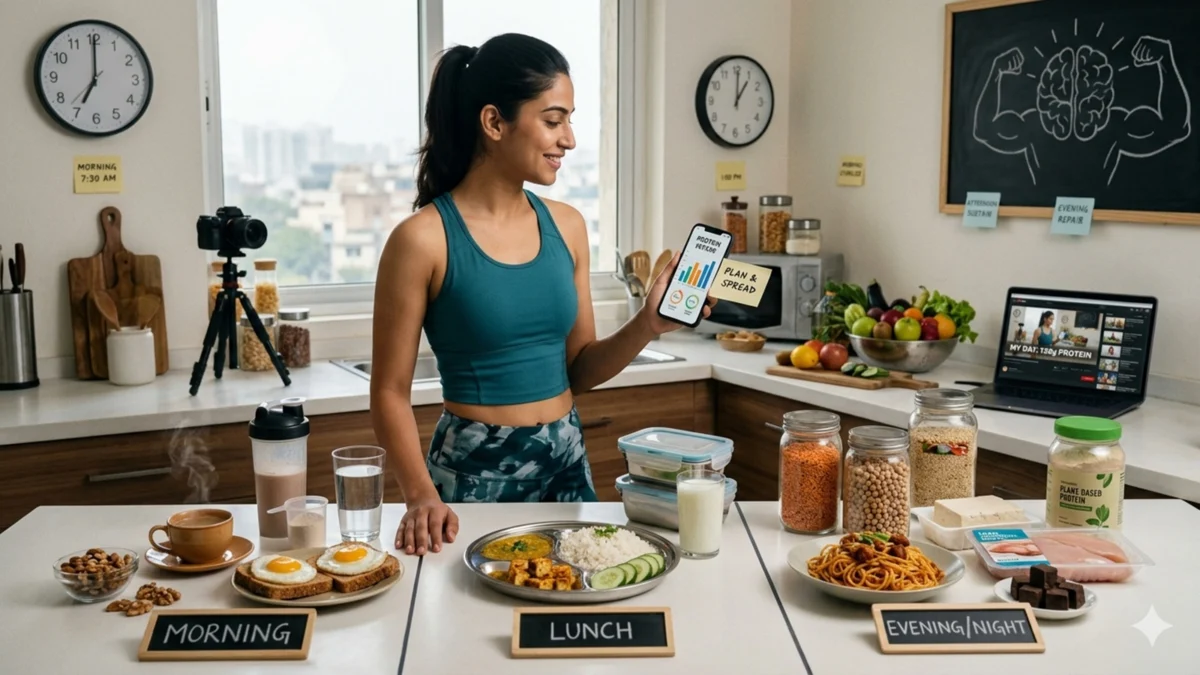
New Delhi – July 11, 2026 – In an era where health and wellness are paramount, protein has emerged as a nutritional cornerstone, transcending its traditional association with muscle building. Its profound impact on bolstering immunity, maintaining optimal metabolic function, and facilitating the body’s repair and recovery processes is increasingly recognized. While the perception of a high-protein diet often conjures images of expensive supplements or restrictive eating plans, experts emphasize that integrating adequate protein into daily meals can be remarkably accessible, even within the familiar landscape of home-cooked Indian cuisine.
This comprehensive guide, drawing insights from clinical nutritionist Pravalika Londe of Aster CMI Hospital, Bangalore, explores practical and cost-effective strategies to elevate the protein content of your regular meals. These simple yet effective "hacks" aim to empower individuals to make informed dietary choices, fostering enhanced strength, sustained satiety, and overall well-being for all age groups.
The Multifaceted Power of Protein
Beyond its well-known role in muscle synthesis and energy production, protein is a fundamental building block for virtually every cell in the human body. Its functions are diverse and critical:
- Immune System Support: Antibodies, the body’s defense mechanism against pathogens, are proteins. A sufficient protein intake is essential for producing these crucial immune cells.
- Metabolic Regulation: Enzymes, which catalyze countless biochemical reactions essential for metabolism, are proteins. They play a vital role in breaking down food, synthesizing energy, and regulating bodily processes.
- Tissue Repair and Recovery: From wound healing to muscle recovery after exercise, protein provides the amino acids necessary to rebuild and repair damaged tissues.
- Hormone Production: Many hormones, including insulin and growth hormone, are protein-based, regulating various physiological functions.
- Satiety and Weight Management: Protein is known for its satiating effect, helping individuals feel fuller for longer, which can be instrumental in managing appetite and supporting weight management goals.
Despite these extensive benefits, many individuals in India may not be meeting their recommended daily protein intake. This can be due to a variety of factors, including dietary habits, cultural preferences, and the misconception that protein-rich foods are inherently expensive or difficult to prepare.
Expert-Approved Hacks for Protein-Rich Home Cooking
Pravalika Londe, a seasoned Clinical Nutritionist, offers five actionable strategies that can seamlessly integrate into the fabric of everyday Indian meals, transforming them into protein powerhouses without demanding radical dietary overhauls.
Hack #1: Embracing the Humble Legume and Sprout
Legumes, a staple in Indian households, are potent sources of plant-based protein and fiber. Londe advocates for the consistent inclusion of dals (lentils), sprouts, and roasted chana (chickpeas) in regular meals.
- Versatile Sprouts: Sprouts, such as moong dal or moth beans, are nutritional powerhouses that can be easily incorporated into a variety of dishes. Their mild flavor and crunchy texture make them an ideal addition to salads, poha (flattened rice), upma (savory semolina dish), and even sandwiches. A simple handful of sprouts can significantly boost the protein content of these breakfast or light meal options.
- The Dal Advantage: The humble bowl of dal, a daily accompaniment to lunch and dinner for many Indian families, is a prime opportunity to increase protein intake. Simply ensuring an extra serving of dal with your main meals can make a substantial difference. Different dals offer varying protein profiles, so diversifying your dal consumption (e.g., toor dal, moong dal, masoor dal, chana dal) can provide a broader spectrum of amino acids.
- Roasted Chana’s Crunch: Roasted chana, often enjoyed as a snack, can also be a valuable addition to meals. It can be ground into a coarse powder and sprinkled over curries or vegetables for added protein and a delightful texture.
By consciously adding an extra portion of dal or incorporating sprouts and roasted chana into existing dishes, individuals can effortlessly enhance their protein consumption without altering their fundamental meal structure.
Hack #2: Dairy’s Delightful Contribution
Dairy products, readily available and versatile, offer a significant protein boost. Londe highlights the importance of incorporating paneer (Indian cottage cheese), curd (yogurt), and milk into daily dietary routines in appropriate portions.
- Paneer’s Palate: Paneer is an excellent source of complete protein and can be seamlessly integrated into a multitude of Indian dishes. Grated or crumbled paneer can be added to parathas (stuffed flatbreads), mixed into vegetable sabzis (curries), incorporated into pulao (flavored rice dishes), or even used as a filling for sandwiches. Its mild flavor profile complements a wide range of ingredients.
- Curd: A Gut and Protein Friend: Curd, or yogurt, is not only rich in protein but also a valuable source of calcium and beneficial probiotics that support gut health. A cup of plain curd can be enjoyed as a side dish, incorporated into raitas (yogurt-based accompaniments), or used as a base for smoothies. Its cooling properties also make it a refreshing addition, especially during warmer months.
- The Milk Boost: A simple glass of milk, whether consumed on its own or added to beverages like tea or coffee, contributes a valuable amount of protein to the daily intake. For those who may find plain milk unappealing, flavored milk options can be explored, or milk can be used in the preparation of other dishes like kheer (rice pudding) or custards.
The strategic inclusion of these dairy staples can significantly augment protein levels in daily meals, offering both nutritional benefits and culinary flexibility.
Hack #3: The Multigrain Advantage
The composition of flour used in staple dishes like rotis and cheelas (savory pancakes) presents a prime opportunity for protein enhancement. Londe suggests utilizing protein-rich flours to create multigrain blends.
- Boosting Basic Breads: Incorporating flours such as besan (gram flour), ragi (finger millet), soybean flour, or sattu (roasted gram flour) alongside traditional wheat flour when making rotis or cheelas can significantly elevate their nutritional profile. These flours not only add protein but also contribute essential vitamins and minerals.
- Taste and Texture Modifications: While the addition of these flours may subtly alter the taste and texture of the final product, the modifications are often minimal and can be adjusted to individual preferences. Families accustomed to eating chapatis regularly can gradually introduce these protein-rich flours, making the transition smooth and sustainable. For instance, a blend of 70% wheat flour and 30% besan or sattu can be a good starting point.
- Nutritional Synergy: The combination of different grains in a multigrain flour creates a more complete amino acid profile, offering a broader spectrum of essential nutrients compared to relying solely on refined wheat flour.
This hack is particularly effective for families who consume flatbreads daily, as it capitalizes on an existing dietary habit to introduce a significant protein upgrade.
Hack #4: Nuts and Seeds: Powerhouse Snacks and Additions
Nuts and seeds, often relegated to the status of mere snacks, are nutritional powerhouses packed with protein, healthy fats, and essential micronutrients. Londe recommends their integration into snacks and breakfast routines.
- Breakfast Boosters: Sprinkling a handful of chopped nuts like almonds, walnuts, or pistachios, along with seeds such as sesame seeds, flaxseeds, or pumpkin seeds, over yogurt, smoothies, or oatmeal can instantly transform these morning meals into protein-rich options.
- Salad Enhancers: Similarly, these nutrient-dense additions can elevate the protein content and add a satisfying crunch to salads, making them a more complete and filling meal.
- Beyond the Sprinkle: For those seeking more innovative ways to incorporate them, peanut chutney or peanut powder can be prepared and served as a flavorful accompaniment to meals. Even grinding seeds into a powder and adding it to chapathis or rotis can be an effective method to enhance their protein content.
The convenience and nutritional density of nuts and seeds make them an ideal choice for boosting protein intake throughout the day, particularly during snacking hours or as an integral part of breakfast.
Hack #5: The Non-Vegetarian Advantage (for Omnivores)
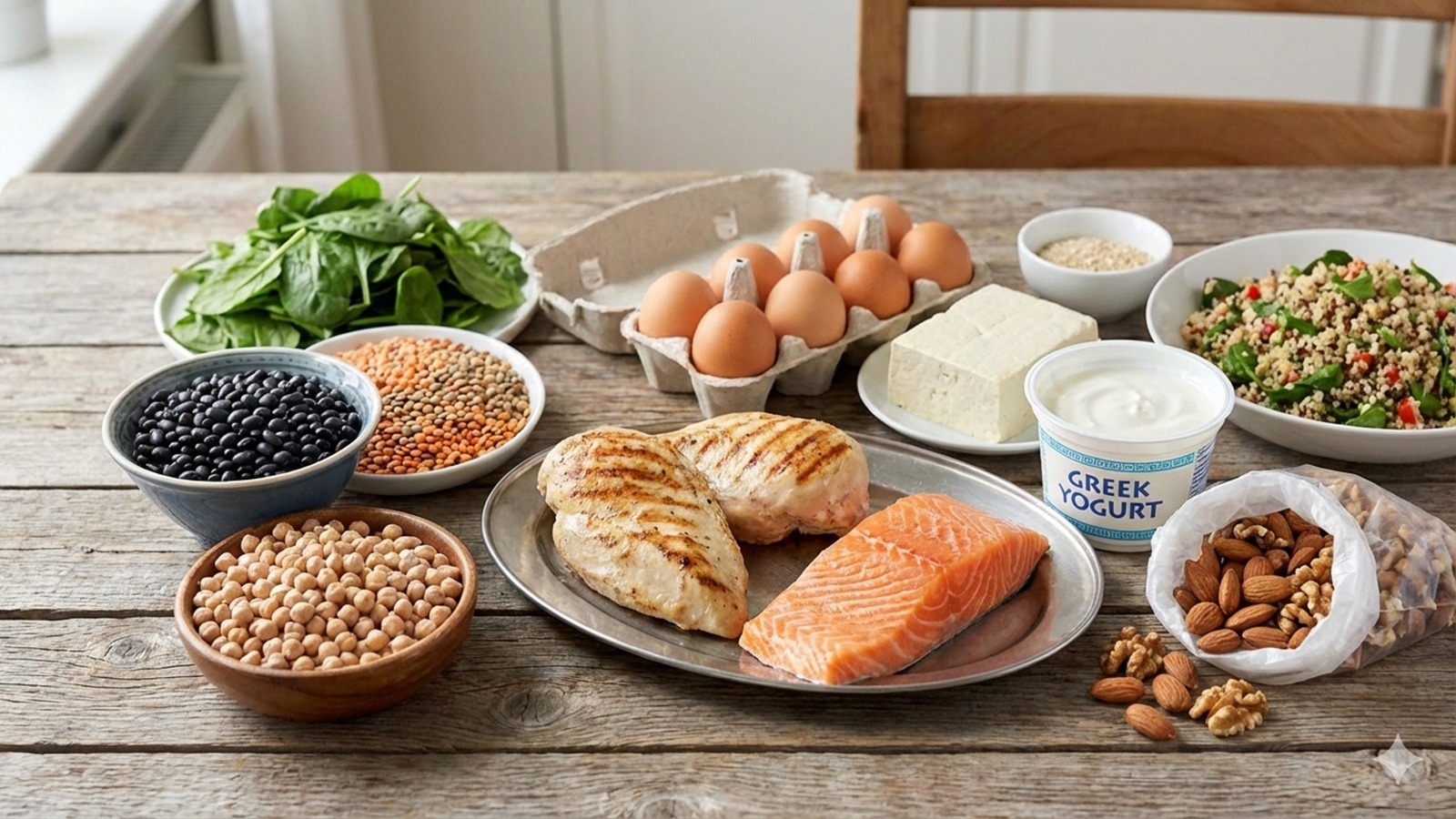
For families that consume non-vegetarian food, eggs, chicken, and fish represent readily available and affordable sources of high-quality protein. Londe emphasizes their frequent inclusion in the diet.
- Eggs: A Complete Protein Package: Boiled eggs are an incredibly convenient and portable protein source, perfect for quick snacks or additions to breakfast. Scrambled eggs, omelets, or curried eggs can also be incorporated into various meals.
- Chicken and Fish Versatility: Chicken and fish are lean protein sources that can be prepared in numerous ways – grilled, baked, curried, or stir-fried. These options provide complete proteins and essential fatty acids (in the case of fish).
- Soy Products as a Plant-Based Alternative: Soy chunks, a derivative of soybeans, offer a plant-based protein alternative that is both affordable and versatile. They can be added to curries, pulao, fried rice, or used as a meat substitute in various dishes.
These non-vegetarian protein sources are often cost-effective and can be easily prepared using traditional Indian cooking methods, making them a practical choice for many households.
The Importance of Balance and Professional Guidance
While these hacks offer practical solutions for increasing protein intake, Londe stresses the paramount importance of balance and personalized dietary advice. "Simple daily changes can make home food healthier and more balanced," she states. "A protein-rich diet helps improve strength, supports recovery, keeps a person full for longer, and supports overall wellbeing for both children and adults."
However, she wisely cautions against excess. "The key is not just to increase protein, but to do so in a balanced and appropriate manner. Excess of anything is not recommended." Understanding individual protein requirements based on age, activity level, and health status is crucial. Therefore, Londe strongly advises seeking proper consultation with a qualified dietitian. A dietitian can help determine the ideal protein intake, guide on portion control for various protein-rich foods, and create a personalized dietary plan that aligns with individual health goals and preferences, ensuring that the pursuit of higher protein intake is both effective and safe.
Disclaimer: This article is based on information from the public domain and expert opinions. It is intended for informational purposes only and does not constitute medical advice. Always consult your health practitioner or a registered dietitian before making any significant changes to your diet or starting any new health routine.
