

The intensifying rivalry between the United States and China for global technological dominance has long been framed through the lenses of artificial intelligence (AI) and the critical semiconductor supply chains that power it. However, a new and potentially even more profound battleground is rapidly taking shape: Brain-Computer Interfaces (BCI). This nascent, yet rapidly advancing, field of neuratech promises to redefine human-machine interaction, offering unprecedented capabilities for medical treatment, human augmentation, and, inevitably, geopolitical leverage. While still in its infancy compared to the mature AI industry, BCI is attracting significant investment and strategic attention, with China positioning itself as a formidable contender, challenging the early lead often associated with Western innovators like Elon Musk’s Neuralink.
BCIs, at their core, are revolutionary systems designed to translate brain signals into actionable commands, allowing individuals to control external devices purely through thought. From restoring lost motor functions to enhancing cognitive abilities, the potential applications are vast and transformative. While the initial focus of BCI development has largely been on invasive devices that require surgical implantation, a new wave of innovation, particularly from Chinese startups, is championing non-invasive alternatives. These devices, which do not necessitate opening the skull, aim for broader accessibility and consumer adoption, potentially democratizing a technology once confined to the realm of science fiction.
Main Facts: A New Geopolitical Hotbed
The contest for technological supremacy between the US and China is expanding beyond established battlefronts like artificial intelligence (AI) and semiconductor supply chains to encompass the burgeoning field of Brain-Computer Interfaces (BCI). This emerging neuratech, which enables users to control external devices with their thoughts by processing brain signals, holds immense promise for medical breakthroughs and human augmentation.
While BCI technology remains in its early stages, marked by significantly lower investment compared to AI, it has demonstrated steady progress. Recent advancements have empowered individuals with severe neurological conditions, such as amyotrophic lateral sclerosis (ALS), to communicate, type, and even engage in gaming using only their brain activity. Elon Musk’s Neuralink has prominently brought invasive BCI implants into the global spotlight, aiming to restore lost neurological functions through surgically placed devices.
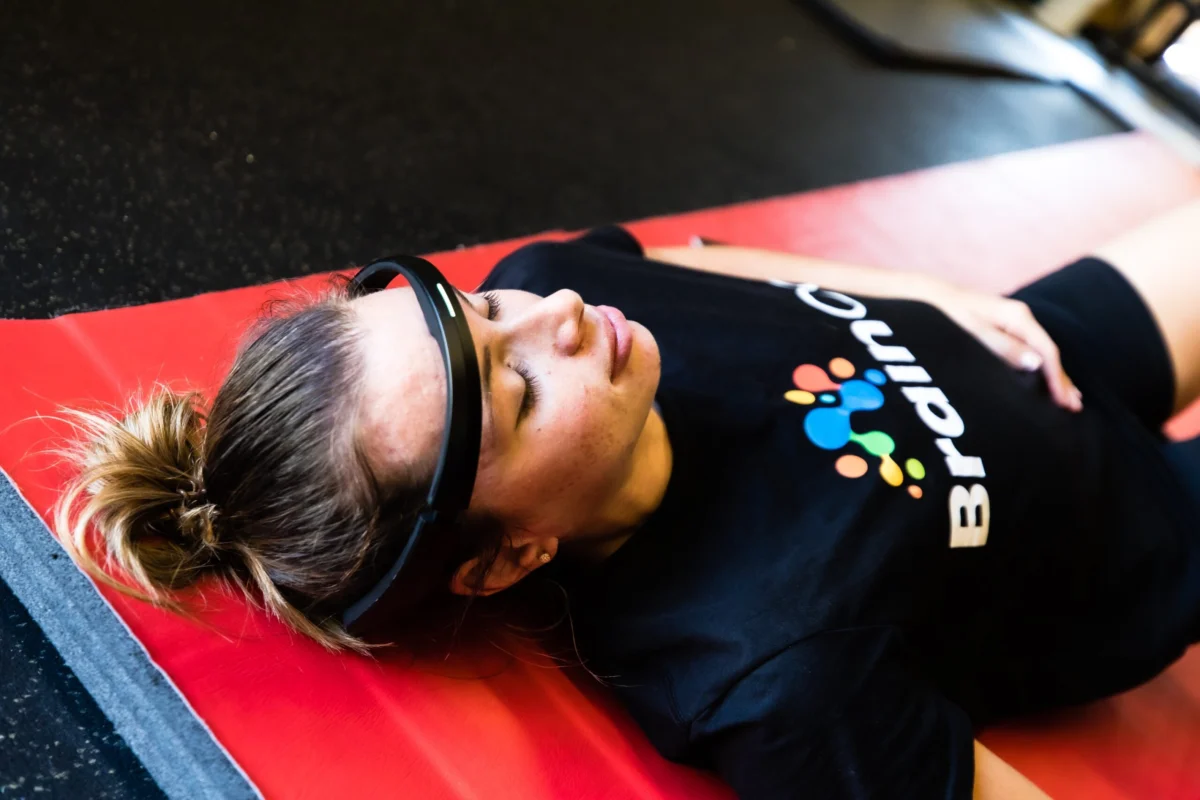
However, a new paradigm is emerging, spearheaded by startups like China’s BrainCo, which are betting on the future of mass-market neural technology lying in non-invasive solutions. These devices bypass the need for cranial surgery, offering a lower-risk, more affordable, and widely accessible pathway to BCI integration. BrainCo, a spin-off from Harvard Innovation Labs and a key player in China’s "six little dragons" tech grouping, exemplifies this shift. Based in Hangzhou, the company is developing a diverse range of non-invasive BCI products, from FDA-approved bionic hands for amputees to sleep aids, neuro-disorder treatments, and even a BCI-centric weight-loss solution.
Despite the inherent challenges of acquiring and decoding subtle brain signals non-invasively, BrainCo leverages proprietary dry electrode sensors and advanced AI algorithms to overcome these hurdles. The company recently secured a significant funding round of 2 billion yuan ($280 million), co-led by IDG Capital and Walden International, underscoring investor confidence in its approach. This strategic pivot towards non-invasive BCI, coupled with robust government support in China, sets the stage for a critical phase in the global race for brain-computer interface dominance, promising profound implications for medicine, economy, and national security.
Chronology: The Evolution of Brain-Computer Interfaces and China’s Ascent
The journey of Brain-Computer Interfaces, from theoretical concepts to tangible applications, spans several decades, with significant milestones accelerating its progress in recent years. China’s strategic entry and rapid development in this field mark a crucial turning point in this chronology.
Early Conceptualization and Research (1970s – 1990s): The foundational ideas for BCIs began to take shape in the 1970s with early experiments demonstrating that monkeys could control robotic arms using brain signals. Research continued steadily through the 1980s and 1990s, laying the theoretical groundwork for decoding neural activity, primarily in academic and military research settings. Initial BCI systems were largely invasive, focusing on direct cortical implants in animal models due to the superior signal fidelity they offered.
First Human Trials and Clinical Applications (2000s): The early 2000s saw the first successful demonstrations of BCIs in humans, primarily for restoring motor functions in paralyzed individuals. Breakthroughs allowed patients with severe motor impairments to control cursors, robotic limbs, and communicate through thought. These early successes, though limited, proved the viability of the technology for medical rehabilitation.
The Rise of Non-Invasive BCI and Commercialization Efforts (2010s): As the decade progressed, interest in non-invasive BCI methods, particularly those based on electroencephalography (EEG), grew. While offering lower signal resolution than implants, their ease of use and safety opened doors for broader applications beyond critical medical conditions. Startups began to emerge, exploring consumer-oriented devices for gaming, meditation, and cognitive training.
2015: BrainCo’s Foundation and Strategic Entry: BrainCo was founded in 2015, emerging from the prestigious Harvard Innovation Labs. This marked a significant moment, as a Chinese-backed entity, leveraging Western academic expertise, formally entered the global BCI landscape with a clear focus on non-invasive technology. Its establishment in Hangzhou, a burgeoning tech hub in China, signaled a deliberate strategic move to integrate with China’s rapidly developing technological ecosystem.
2016-2020: Initial Product Development and Government Recognition: BrainCo began developing its initial range of BCI-centric products, focusing on both medical and consumer applications. Concurrently, the Chinese government started to recognize the strategic importance of BCI. While not explicitly mentioned in the earliest plans, the groundwork was being laid for future policy support.
2021: BCI Declared a "Future Industry" in China’s Five-Year Plan: In a pivotal move, China’s latest Five-Year Plan officially designated BCI as a strategic "future industry." This declaration underscored the government’s commitment to fostering domestic innovation and achieving leadership in this critical technological domain, elevating BCI to a national priority alongside AI and quantum computing.
August 2025: Implementation Plan for the BCI Industry: Seven Chinese ministries jointly issued a comprehensive implementation plan for the BCI industry. This plan set ambitious targets, aiming for key technological breakthroughs by 2027, and outlined specific measures to accelerate research, development, and commercialization. The coordinated effort highlighted a top-down, national strategy to cultivate a robust BCI ecosystem.
202X (Recent Past): Regulatory and Insurance Support in China: In recent years, Chinese health authorities have lowered regulatory and clinical barriers for non-invasive rehabilitation technologies. Last year, they further created a separate insurance category for BCI, a move experts believe is crucial for scaling up the technology and making it accessible to a wider population.
202X (Ongoing): BrainCo’s FDA Approval and Funding Success: BrainCo achieved a significant milestone with the US Food and Drug Administration (FDA) approval for its bionic hands. This not only validates its technology on an international stage but also opens lucrative markets. The company’s recent 2 billion yuan ($280 million) funding round further solidifies its position as a leading non-invasive BCI innovator.
Late 2027 / Early 2028 (Future): BrainCo’s Weight-Loss Treatment Launch: BrainCo projects the market launch of its BCI-centric weight-loss treatment, designed to replicate the appetite-suppressing effects of popular drugs, demonstrating its ambition to tackle broad consumer health challenges with neuratech.
This timeline illustrates a deliberate and accelerated trajectory for BCI development in China, driven by both private innovation like BrainCo and robust governmental backing, setting the stage for an intense global competition in this transformative field.
Supporting Data: Deep Dive into Technology, Market, and Innovation
The burgeoning BCI sector, while still nascent, is rapidly evolving, driven by scientific breakthroughs and significant investment. The data reveals a clear distinction between invasive and non-invasive approaches, with Chinese firms like BrainCo making strategic inroads into the latter.
The Science Behind BCI: Decoding the Brain’s Language
At its core, BCI technology relies on capturing and interpreting the brain’s electrical activity. Neurons communicate through electrochemical signals, generating electrical impulses that can be detected.
- Invasive BCIs: Devices like Neuralink’s implants involve surgically placing electrodes directly into the brain’s cortex. This proximity to the neurons allows for the capture of highly detailed and precise signals, including local field potentials (LFPs) and individual neuron spikes. The signal fidelity is exceptional, enabling fine motor control and complex command execution, but it comes with inherent surgical risks, potential for infection, and long-term biocompatibility challenges.
- Non-Invasive BCIs: These systems measure brain activity from outside the skull. The most common method is Electroencephalography (EEG), which uses electrodes placed on the scalp to detect electrical potentials generated by large groups of neurons. Other non-invasive techniques include functional Near-Infrared Spectroscopy (fNIRS) and functional Magnetic Resonance Imaging (fMRI), though these are often used more for research due to equipment size. While non-invasive methods offer safety and ease of use, they face a critical challenge: brain signals attenuate significantly when passing through the skull, scalp, and hair, resulting in lower spatial resolution and a higher signal-to-noise ratio. This "noisy" data makes accurate decoding more complex.
The Rise of Non-Invasive Solutions: Accessibility vs. Precision
BrainCo’s commitment to non-invasive technology is rooted in a strategic vision for mass market accessibility. Nyx He, BrainCo partner and senior vice president, articulates this philosophy: "While some neurological conditions can only be addressed by going into the brain, many other use cases can be served by non-invasive methods that are not only lower risk and more affordable but also easier for people to accept and access." This approach directly challenges the invasive dominance, arguing for a broader societal impact through democratized access.
The challenge of "subtle and noisy" non-invasive signals is significant. Conventional non-invasive BCI systems have indeed been constrained by their ability to clearly capture and interpret brain signals. Investment banking firm Jefferies, in a July 8 report, highlighted this, noting that invasive implants (like Neuralink) and ultrasound-based systems (like those from Gestala) currently represent the "most promising" frontiers due to their superior signal acquisition.
However, BrainCo’s innovation aims to bridge this gap. The company has developed a proprietary dry electrode sensor designed to capture these faint signals more effectively without requiring conductive gel, enhancing user comfort and ease of application. This hardware innovation is coupled with sophisticated AI algorithms that are specifically trained to decode complex patterns from the noisy, non-invasive data, translating intended movements or mental states into commands. This combination of advanced sensing and intelligent processing is what gives BrainCo an edge, as acknowledged by Jefferies, along with its established commercialization record.
BrainCo’s Product Portfolio and Market Strategy
BrainCo’s product range showcases its ambition to address diverse needs, from critical medical conditions to wellness and consumer electronics:
- Bionic Hands: The company’s FDA-approved bionic hands represent a major breakthrough. These prosthetics utilize BCI technology to read an amputee’s neural and muscular electrical signals, translating the user’s intent directly into finger and hand movements. This product line is reportedly experiencing "much bigger growth compared to last year," indicating strong market acceptance and clinical utility.
- Sleep Aids: BrainCo’s sleep aid uses low-intensity electrical pulses to stimulate neurochemicals associated with stress relief, aiming to improve sleep quality. This taps into the growing market for wellness and mental health solutions.
- Headsets for Neurological Disorders: The company has developed BCI-enabled headsets targeting a range of neurological conditions, including autism, ADHD, and insomnia. By providing neurofeedback or targeted stimulation, these devices aim to help regulate brain activity and alleviate symptoms.
- Weight Loss Treatment: A highly anticipated product is a BCI-centric treatment designed to replicate the appetite-suppressing effects of popular GLP-1 weight-loss drugs. This innovative approach, expected to hit the market in late 2027 or 2028, could offer a non-pharmacological alternative to a global health challenge.
- Future Vision: Embodied Intelligence and Robotics: Nyx He envisions a future where "BCI and embodied intelligence can combine," stating, "we think robots controlled by the human brain will be a focus going forward." This indicates a long-term strategy to integrate BCI with robotics, potentially leading to advanced prosthetics, exoskeletons, or even remotely controlled robotic systems.
Beyond its direct product sales, BrainCo plans to expand revenue by licensing its BCI platform to other companies. This strategy positions BrainCo as a foundational technology provider, enabling a wider ecosystem of brain-tech products and solidifying its influence in the industry.
Funding and Market Dynamics
The significant 2 billion yuan ($280 million) funding round, co-led by prominent venture firms IDG Capital and Walden International, underscores the financial community’s belief in BrainCo’s potential. This substantial capital injection will fuel further research, product development, and market expansion.

The BCI market is projected for substantial growth. While exact figures vary, reports suggest the global BCI market could reach tens of billions of dollars within the next decade, driven by increasing prevalence of neurological disorders, demand for assistive technologies, and the burgeoning interest in human augmentation. BrainCo’s strategy to initially cater to those with critical needs (e.g., amputees, where insurance coverage can facilitate adoption) before expanding into broader medical conditions (ADHD, depression) and eventually mass-market consumer electronics, positions it to capture significant market share across multiple segments.
On the crucial aspect of security and privacy, BrainCo states that it does not collect customer data, with information stored locally on users’ devices. However, it notes that "concentration scores" could be saved locally on its focus-training devices. This localized data storage approach aims to alleviate some privacy concerns, a critical factor for BCI adoption.
Official Responses: Beijing’s Strategic Play for Neuratech Dominance
The Chinese government has unequivocally declared Brain-Computer Interfaces (BCI) a strategic imperative, cementing its commitment through a series of official pronouncements and policy initiatives. This proactive stance highlights Beijing’s ambition not only to catch up but to lead in this transformative field, viewing BCI as a critical component of its broader technological self-sufficiency and global influence agenda.
Beijing’s Strategic Vision for Neuratech
The most significant official endorsement came with the inclusion of BCI as a strategic "future industry" in China’s latest Five-Year Plan. This designation is far from symbolic; it signals a top-tier national priority, akin to the importance placed on artificial intelligence, quantum computing, and advanced materials. By explicitly naming BCI, the government is directing vast resources, talent, and policy support towards accelerating its development. This aligns with China’s long-term "Made in China 2025" strategy, which aims to transform the country into a high-tech manufacturing powerhouse and reduce reliance on foreign technology. For BCI, this means fostering indigenous innovation, building robust supply chains, and establishing Chinese standards.
Regulatory Support and Ecosystem Building
Beyond a mere declaration, the Chinese government has backed its vision with concrete actions to create a fertile ground for BCI innovation:
- Implementation Plan (August 2025): A landmark collaborative effort saw seven Chinese ministries jointly issue an "implementation plan for the BCI industry." This comprehensive roadmap sets aggressive targets, aiming for "key technological breakthroughs by 2027." Such multi-ministerial coordination ensures a holistic approach, addressing research, development, manufacturing, and commercialization aspects. It signals a unified national push, streamlining bureaucratic processes and directing resources efficiently.
- Lowering Regulatory and Clinical Barriers: Recognizing the need for rapid progress, the government has actively worked to "lower the regulatory and clinical barriers for non-invasive rehabilitation technologies." This move is particularly beneficial for companies like BrainCo, which focus on less invasive, and therefore inherently safer, devices. By simplifying approval processes and clinical trial requirements for non-invasive BCI, China aims to accelerate the pace at which new products can reach patients and consumers, gaining a competitive edge in market deployment.
- Facilitating Collaboration: Beijing is actively enabling BCI startups to forge partnerships with leading hospitals and universities. This crucial initiative broadens access for researchers to patient populations for clinical trials and provides neurosurgeons with opportunities to contribute their expertise. Such collaboration is vital for translating laboratory research into practical medical applications and for gathering real-world data essential for product refinement. It also helps to build a skilled workforce and foster interdisciplinary innovation.
- Creating a Dedicated Insurance Category: In a groundbreaking move last year, China’s health authorities created a separate insurance category specifically for BCI. This decision is a game-changer for market adoption. Experts widely agree that insurance coverage is a critical factor for scaling up any medical technology, especially one that can be expensive. By making BCI devices and treatments more affordable and accessible to patients, China is removing a significant financial barrier, potentially accelerating widespread adoption and creating a robust domestic market. This proactive approach to insurance policy contrasts with many Western countries where BCI reimbursement is still being navigated, giving Chinese firms a potential advantage in domestic market penetration.
These concerted efforts underscore China’s strategic intent: to cultivate a world-leading BCI industry, not only for economic gain but also for its profound implications for national health, technological self-reliance, and potentially, military applications. The comprehensive nature of Beijing’s response indicates a long-term commitment to securing a dominant position in this critical future technology.
Implications: Geopolitics, Ethics, and the Future of Human Interaction
The rapid advancement of Brain-Computer Interfaces, particularly within the context of US-China competition, carries profound implications that extend far beyond technological innovation. These implications touch upon geopolitics, ethical considerations, economic landscapes, and even the fundamental nature of human existence.
Geopolitical Stakes and the Tech Cold War
The BCI race is rapidly becoming another critical front in the ongoing technological cold war between the US and China. Just as with AI and semiconductors, dominance in BCI could confer significant advantages:
- Economic Dominance: A leading position in BCI will translate into massive economic gains, with a market projected to grow exponentially. Whichever nation pioneers widespread adoption and innovation will capture significant market share, create new industries, and control valuable intellectual property.
- Military and Security Applications: The dual-use nature of BCI is undeniable. Beyond medical rehabilitation, BCIs could enhance soldier capabilities, improve drone control, facilitate advanced reconnaissance, and even enable new forms of cyber warfare or intelligence gathering. The ability to control advanced weaponry or integrate with complex systems purely by thought offers a strategic military edge. Concerns about adversaries potentially misusing BCI technology for surveillance or manipulation will intensify.
- Technological Hegemony: Control over foundational technologies like BCI is a cornerstone of global power. It grants influence over international standards, shapes future technological trajectories, and impacts the ability of other nations to compete. China’s concerted national strategy, from funding to regulation and insurance, is a clear bid for this hegemony.
Ethical Considerations and Data Privacy
The intimate connection between BCIs and the human brain raises a myriad of complex ethical questions that demand careful consideration:
- Privacy and Security of Brain Data: Unlike other personal data, brain signals contain deeply sensitive information about thoughts, intentions, emotions, and even neurological predispositions. Who owns this data? How will it be secured from hacking, unauthorized access, or misuse? BrainCo’s claim of local data storage is a step towards addressing this, but the broader industry will need robust ethical frameworks and regulations. The potential for "brain-jacking" or unwanted psychological intrusion is a significant concern.
- Autonomy and Coercion: As BCIs become more sophisticated, could they be used to influence or even control an individual’s thoughts or actions? The line between assisting and manipulating could blur. Questions around informed consent for BCI use, especially in vulnerable populations or military contexts, will be paramount.
- Equity and Access: Will BCI technology exacerbate existing societal inequalities? If advanced BCI enhancements become available only to the wealthy, it could create a new form of "digital divide," potentially leading to a biologically enhanced elite and a disempowered majority. China’s move to integrate BCI into its national insurance system is a significant step towards broader accessibility.
- Human Identity and Augmentation: The prospect of augmenting human capabilities – enhancing memory, focus, or even emotional regulation – raises profound questions about what it means to be human. Where do human and machine begin and end? The philosophical implications of a future where humans are routinely integrated with technology are vast and uncharted.
- Cognitive Liberty: The right to mental privacy and self-determination in the age of neuratech is a nascent but critical concept. Protecting individuals from unwanted interference with their mental processes or the involuntary extraction of their brain data will require new legal and ethical frameworks.
The Future Landscape of Human-Machine Interaction
The advancements spearheaded by companies like BrainCo and Neuralink are heralding a future where the boundary between human and machine blurs considerably:
- Revolutionizing Healthcare: BCI promises to transform the treatment of neurological disorders, stroke rehabilitation, and chronic pain management. Beyond prosthetics and communication for paralyzed individuals, BCIs could offer novel therapies for conditions like depression, ADHD, Alzheimer’s, and Parkinson’s disease.
- Ubiquitous Consumer Electronics: Non-invasive BCIs could integrate into everyday life, enabling effortless control of smart homes, virtual reality environments, and personal devices. Imagine controlling your computer, car, or even your thoughts with a simple mental command, moving beyond touchscreens and voice commands.
- Workplace Enhancement: BCIs could boost productivity by enhancing focus, reducing cognitive load, or even facilitating seamless communication in high-stress environments. This could lead to new forms of human-computer collaboration and cognitive augmentation in demanding professions.
- Embodied Intelligence and Robotics: BrainCo’s vision of brain-controlled robots points towards a future where humans can interact with and manipulate complex robotic systems with unprecedented intuition and precision, extending human reach and capabilities into dangerous or remote environments.
The global BCI race is not just about technological supremacy; it is about shaping the future of human experience. As China aggressively pursues its national BCI strategy, the world watches to see how these transformative technologies will be developed, governed, and integrated into society, with profound implications for peace, prosperity, and human dignity. The decisions made today will echo for generations, defining the ethical and practical landscape of a truly connected mind.
