

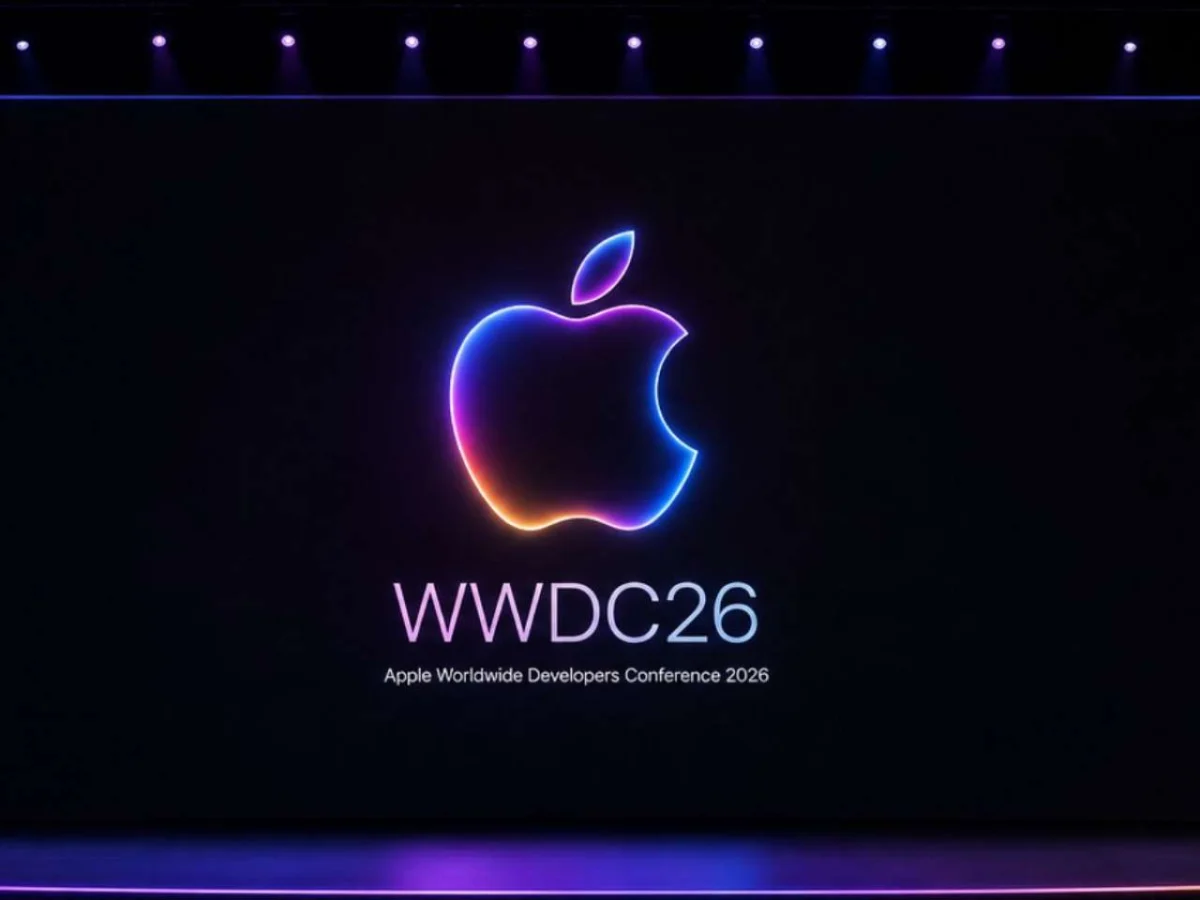
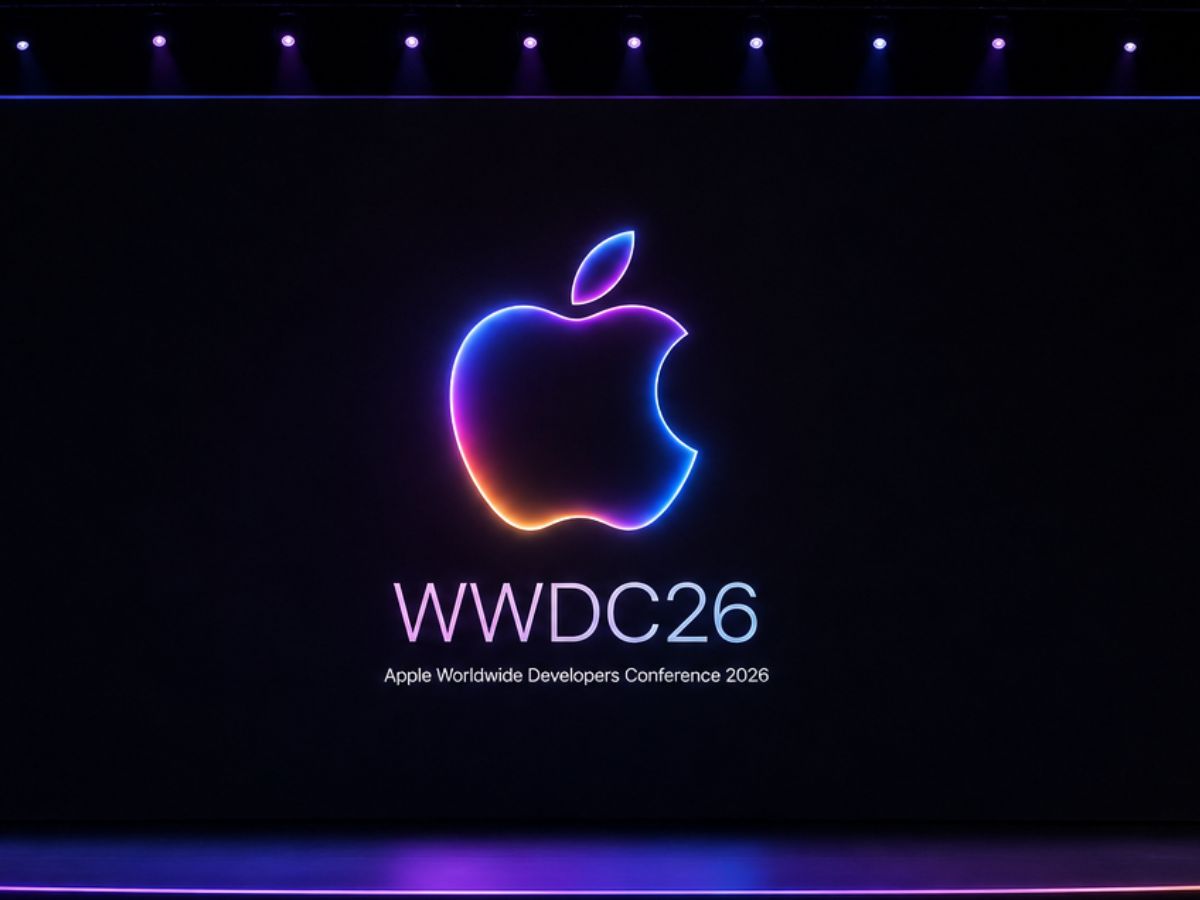
Cupertino, California – The technology world is poised on the precipice of a significant transformation as Apple prepares to host its annual Worldwide Developers Conference (WWDC) 2026. Scheduled to commence on June 8 at 10:30 PM IST (Indian Standard Time), the highly anticipated event from Apple Park in Cupertino is expected to serve as a pivotal moment, marking a definitive embrace of artificial intelligence across its vast ecosystem. Industry analysts and consumers alike are bracing for the unveiling of iOS 27, macOS 27, Siri 2.0, and a suite of groundbreaking AI-focused updates designed to redefine user experience and developer capabilities.
WWDC has historically been Apple’s primary platform for showcasing its latest software innovations, providing developers with the tools and frameworks necessary to build the next generation of applications. This year, however, the spotlight is firmly fixed on Apple’s strategic pivot towards generative AI and advanced machine learning, a move that could significantly reshape the competitive landscape of the tech industry.
A Deep Dive into Expectations: What Awaits Developers and Users
The core of WWDC 2026’s announcements will undoubtedly revolve around the next iterations of Apple’s operating systems. These updates are not merely incremental improvements but are anticipated to embed sophisticated AI capabilities deeply within the fabric of each platform, promising a more intuitive, personalized, and seamless interaction across all Apple devices.
iOS 27: Redefining the iPhone Experience
The iPhone, Apple’s flagship product, stands to receive perhaps the most transformative updates with iOS 27. Building upon years of refinement in performance, security, and personalization, iOS 27 is expected to push the boundaries further by integrating generative AI features directly into core applications and system functions.
)
Users can anticipate a radical overhaul in how they interact with their devices. Imagine a Photos app where AI can not only suggest edits but intelligently generate entirely new elements or backgrounds based on natural language prompts. Messaging could see AI-powered drafting, summarization of lengthy conversations, and even context-aware responses that learn from user communication styles. Privacy, a cornerstone of Apple’s philosophy, is expected to remain paramount, with much of this on-device AI processing ensuring user data remains secure and localized.
Furthermore, iOS 27 is likely to introduce enhanced customization options, potentially extending beyond the Lock Screen and Home Screen widgets to dynamically adapting user interfaces based on context, time of day, or user activity. Performance optimizations, crucial for supporting these advanced AI workloads, will ensure that even older iPhone models benefit from smoother operations and improved battery efficiency, a perennial user demand. New accessibility features, powered by advanced machine learning, could also empower a wider range of users to interact with their devices more effectively.

macOS 27: Elevating Productivity and Creativity
For Mac users, macOS 27 is poised to elevate productivity and creativity to unprecedented levels. The focus will be on strengthening the continuity features that seamlessly bridge the gap between iPhone, iPad, and Mac, while also infusing professional applications with potent AI capabilities.
Developers using Xcode, for instance, might see AI-assisted code completion, bug detection, and even automated code generation for routine tasks, significantly streamlining the development process. Creative professionals leveraging Final Cut Pro or Logic Pro could benefit from AI-powered tools for intelligent audio mixing, video editing suggestions, or even generating background music tracks based on mood and genre preferences.
)
Expect improvements in multitasking and window management, perhaps with AI-driven suggestions for workspace optimization or dynamic arrangement of applications based on workflow. Security enhancements will continue to fortify the Mac ecosystem against evolving threats, while a refreshed design language could offer a more modern and cohesive visual experience that aligns with the aesthetic evolution across Apple’s platforms. The synergy between Apple Silicon and macOS 27 will be crucial, with the Neural Engine playing a central role in accelerating on-device AI computations.
Siri 2.0: The Intelligent Assistant Reimagined
Perhaps the most eagerly awaited announcement, and central to Apple’s AI narrative, is the rumored "Siri 2.0." For years, Siri has been a reliable, if sometimes limited, virtual assistant. The 2.0 iteration promises a monumental leap, transforming Siri into a far more responsive, context-aware, and genuinely proactive intelligent companion.
)
This next-generation Siri is expected to leverage advanced generative AI models, enabling it to understand complex, multi-step commands, engage in more natural and fluid conversations, and perform a wider array of tasks with greater accuracy. Imagine asking Siri to "Summarize the last three emails from my boss, then draft a reply acknowledging receipt and asking for clarification on point two, and schedule a reminder for me to follow up tomorrow morning." Such sophisticated requests, currently challenging for Siri, could become routine.
Siri 2.0’s intelligence will extend across the entire Apple ecosystem, from HomePod and Apple Watch to CarPlay and the upcoming Vision Pro. Its enhanced contextual understanding will allow it to adapt its responses and actions based on location, time, and user habits, making it an indispensable part of daily life. Apple’s differentiation in the competitive AI assistant market will likely hinge on its unwavering commitment to user privacy, processing as much data on-device as possible, a stark contrast to some cloud-heavy competitor models.
)
Expanding the Ecosystem: iPadOS, watchOS, tvOS, and visionOS 27
While iOS and macOS often grab the headlines, WWDC 2026 will also bring significant updates to the rest of Apple’s diverse software ecosystem, each tailored to its unique hardware.
- iPadOS 27: Expected to further blur the lines between tablet and laptop functionality, iPadOS 27 could introduce more robust desktop-class applications, enhanced multitasking capabilities, and deeper integration with external displays and accessories like the Apple Pencil and Magic Keyboard. AI will likely play a role in improving productivity apps, handwriting recognition, and creative workflows.
- watchOS 27: Apple Watch users can anticipate advancements in health and fitness tracking, with more sophisticated algorithms powered by AI providing deeper insights into user well-being. New watch faces, expanded complications, and potentially more independent functionality (reducing reliance on the iPhone) are also on the cards.
- tvOS 27: The operating system for Apple TV is likely to see improvements in content discovery, smart home integration, and gaming. AI could personalize content recommendations more effectively and enhance user interactions with smart home devices connected through the TV.
- visionOS 27: Crucial for the future of Apple Vision Pro, visionOS 27 will undoubtedly introduce significant updates for spatial computing. Expect new immersive experiences, advanced developer tools for creating AR/VR applications, and refinements to user interaction within the mixed-reality environment. As Apple’s newest platform, visionOS will be a fertile ground for novel AI applications, from intelligent object recognition to dynamic environmental adaptation.
The AI Imperative: Apple’s Strategic Shift
Apple’s aggressive push into artificial intelligence at WWDC 2026 is not merely a response to market trends but a strategic imperative. Historically, Apple has adopted a more cautious, iterative approach to emerging technologies, often waiting to refine and perfect a user experience before widespread deployment. While competitors like Google and Microsoft have been vocal about their generative AI advancements for some time, Apple has largely operated in stealth.
)
This year marks a definitive shift. Apple’s AI strategy is expected to be characterized by several key tenets:
- On-Device Intelligence: Maximizing AI processing directly on the device, leveraging the powerful Neural Engine in Apple Silicon, to ensure superior performance, responsiveness, and crucially, user privacy.
- Seamless Integration: Embedding AI deeply within the operating systems and core applications, making it feel like an intrinsic part of the user experience rather than an add-on feature.
- User-Centric Design: Focusing on how AI can genuinely enhance everyday tasks, foster creativity, and improve accessibility, rather than merely showcasing technological prowess.
- Privacy by Design: Maintaining Apple’s long-standing commitment to user privacy, ensuring that AI-driven features do not compromise personal data.
This strategic pivot is vital for Apple’s continued dominance in the tech landscape. As AI becomes an increasingly fundamental aspect of computing, a robust and integrated AI framework is essential for maintaining a competitive edge against rivals who are also heavily investing in this domain.
)
How to Tune In: Watching WWDC 2026 in India and Beyond
For developers, tech enthusiasts, and Apple fans across India and around the globe, tuning into the WWDC 2026 keynote will be a straightforward affair. The event, kicking off at 10:30 PM IST on June 8, will be streamed live across multiple official Apple platforms, ensuring global accessibility in real-time.
Viewers can catch every announcement as it happens through:
)
- Apple’s Official Website: The dedicated Apple Events page will host the live stream.
- Apple’s YouTube Channel: A popular and easily accessible option for live viewing.
- Apple TV App: Available on Apple devices, smart TVs, and streaming boxes, offering a native viewing experience.
These diverse viewing options underscore Apple’s commitment to making WWDC accessible to its global community, allowing millions to participate in the unveiling of its future vision.
Historical Context and Future Implications
WWDC has evolved significantly since its inception. What began as a focused gathering for software developers has transformed into a global spectacle, setting the stage for Apple’s strategic direction for the coming year. Past WWDCs have seen the introduction of groundbreaking technologies like the App Store, Swift programming language, and the shift to Apple Silicon, each profoundly impacting the industry.
)
WWDC 2026, with its heavy AI focus, is poised to be equally, if not more, impactful.
For Developers: A New Frontier of Innovation
For the developer community, WWDC 2026 will unveil a plethora of new APIs, frameworks, and tools designed to empower them to integrate Apple’s advanced AI capabilities into their own applications. This could lead to a renaissance in app development, with new categories of intelligent apps emerging that leverage on-device generative AI for novel user experiences. The ability to tap into Siri 2.0’s enhanced intelligence, or to utilize sophisticated machine learning models through Core ML, will open up unprecedented creative and functional possibilities.
)
For Consumers: Enhanced Experiences and Capabilities
For the end-user, the implications are profound. Apple’s AI advancements promise not just new features but a fundamentally more intelligent and responsive device experience. From smarter photo management and more intuitive communication to personalized health insights and seamless cross-device workflows, AI will quietly work in the background to make daily tasks easier, more efficient, and more enjoyable. The promise is a future where technology adapts to the user, rather than the other way around.
For the Industry: Setting New Standards
Apple’s comprehensive AI push will inevitably send ripples across the tech industry. Its emphasis on on-device AI and privacy-centric design could set new standards for how artificial intelligence is developed and deployed. Competitors will undoubtedly be watching closely, potentially influencing their own AI strategies and development roadmaps. Apple’s ability to seamlessly integrate AI into hardware and software, leveraging its tightly controlled ecosystem, could further solidify its market position and differentiate it from competitors relying more heavily on cloud-based solutions.
)
Expert Analysis and Industry Predictions
Industry analysts are largely in agreement that WWDC 2026 will be Apple’s "AI moment." Leading tech research firms and prominent analysts have been predicting such a pivot for months, citing Apple’s significant investments in AI talent, acquisitions of AI startups, and the continuous evolution of its Neural Engine hardware.
"This WWDC is make-or-break for Apple’s AI narrative," comments tech analyst Dr. Anya Sharma of Global Tech Insights. "While they’ve incorporated machine learning for years, the market now demands a clear, compelling generative AI story. Apple’s challenge and opportunity lie in delivering this with their signature polish and, crucially, without compromising user privacy, which has always been their differentiator."
)
Another prominent analyst, Ming-Chi Kuo, known for his accurate Apple predictions, has hinted at deep OS-level AI integration that goes beyond mere feature additions. "The new Siri, in particular, will be a cornerstone, acting as a conversational interface across the entire device lineup, fundamentally changing how users interact with their Apple products," Kuo stated in a recent research note.
Market reactions will be closely watched. A strong, clear vision for AI could boost investor confidence and reinforce Apple’s valuation, especially as the company seeks new avenues for growth beyond traditional hardware sales.
)
The Road Ahead: What WWDC 2026 Means for Apple’s Trajectory
WWDC 2026 represents more than just a product announcement event; it is a declaration of intent. It signifies Apple’s full commitment to leading the charge in the artificial intelligence revolution, albeit on its own terms—with a strong emphasis on integration, user experience, and privacy.
The innovations unveiled on June 8 will not only shape the next generation of Apple’s software but will also lay the groundwork for future hardware developments, potentially influencing everything from the capabilities of upcoming iPhones and Macs to the evolution of the Apple Vision Pro. As the world tunes in, the stage is set for Apple to reaffirm its position as a leading innovator, charting a course towards a future where intelligence is seamlessly interwoven into every aspect of our digital lives. The era of the truly smart Apple ecosystem is about to begin.
