

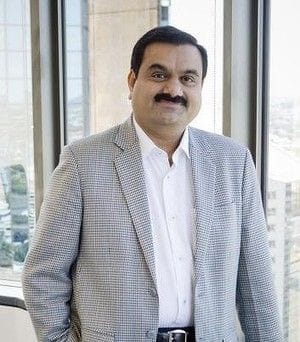
Gautam Shantilal Adani, the chairman and founder of the Adani Group, stands today as one of the most influential figures in the global economic landscape. As a self-made billionaire who navigated the transition from a college dropout to a titan of industry, his journey is mirrored in his expansive real estate portfolio and the sheer scale of his business interests. From the power-corridors of New Delhi’s Lutyens district to the industrial hubs of Ahmedabad and international ports in Australia, the Adani name is synonymous with infrastructure, energy, and an unapologetic pursuit of growth.
This report provides a comprehensive analysis of Gautam Adani’s assets, his meteoric rise through the decades, the strategic pivots of his conglomerate, and the lifestyle that accompanies a net worth exceeding $90 billion.
1. A Real Estate Portfolio of Power and Prestige
Gautam Adani’s properties are more than mere residences; they are symbols of his arrival at the pinnacle of global commerce. His real estate acquisitions reflect a strategic blend of heritage, luxury, and corporate necessity.
The Lutyens Showpiece: A ₹400 Crore Masterstroke
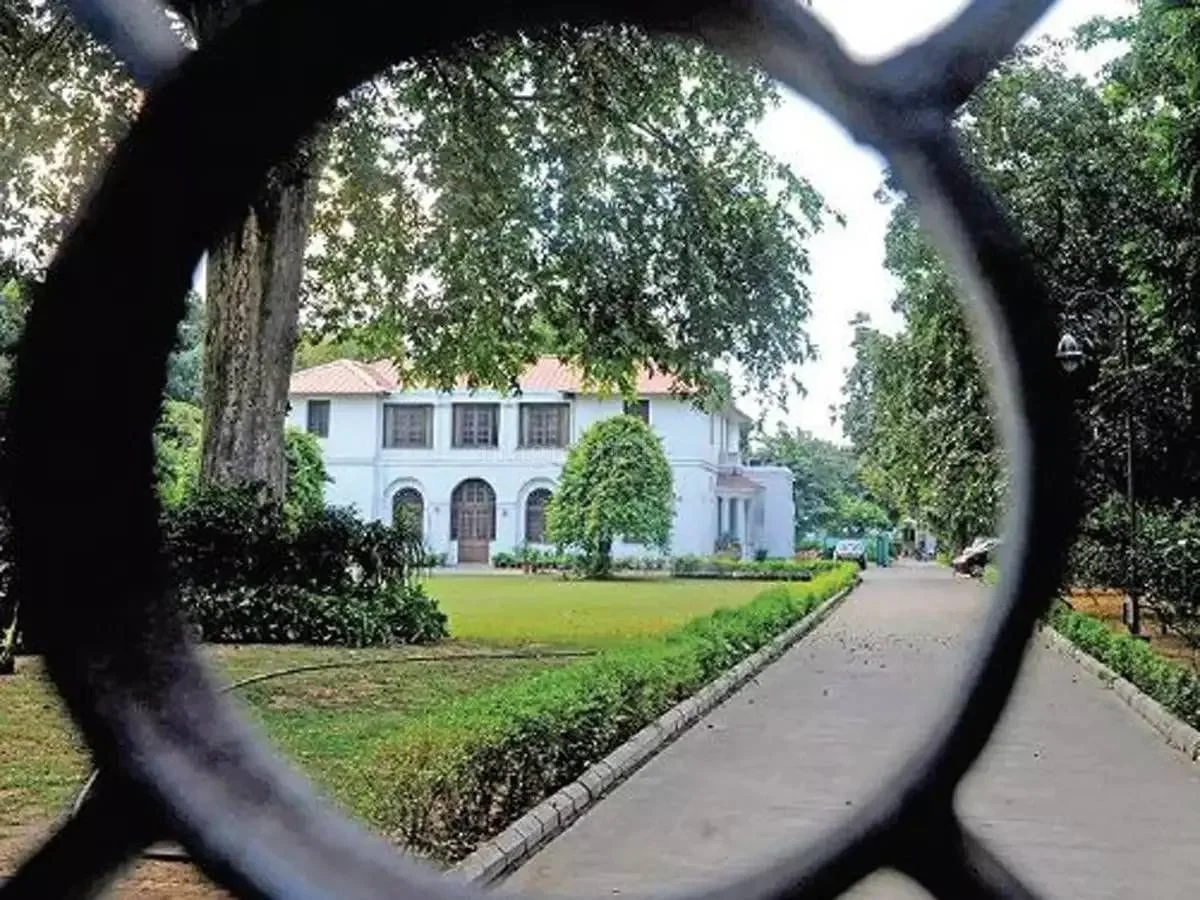
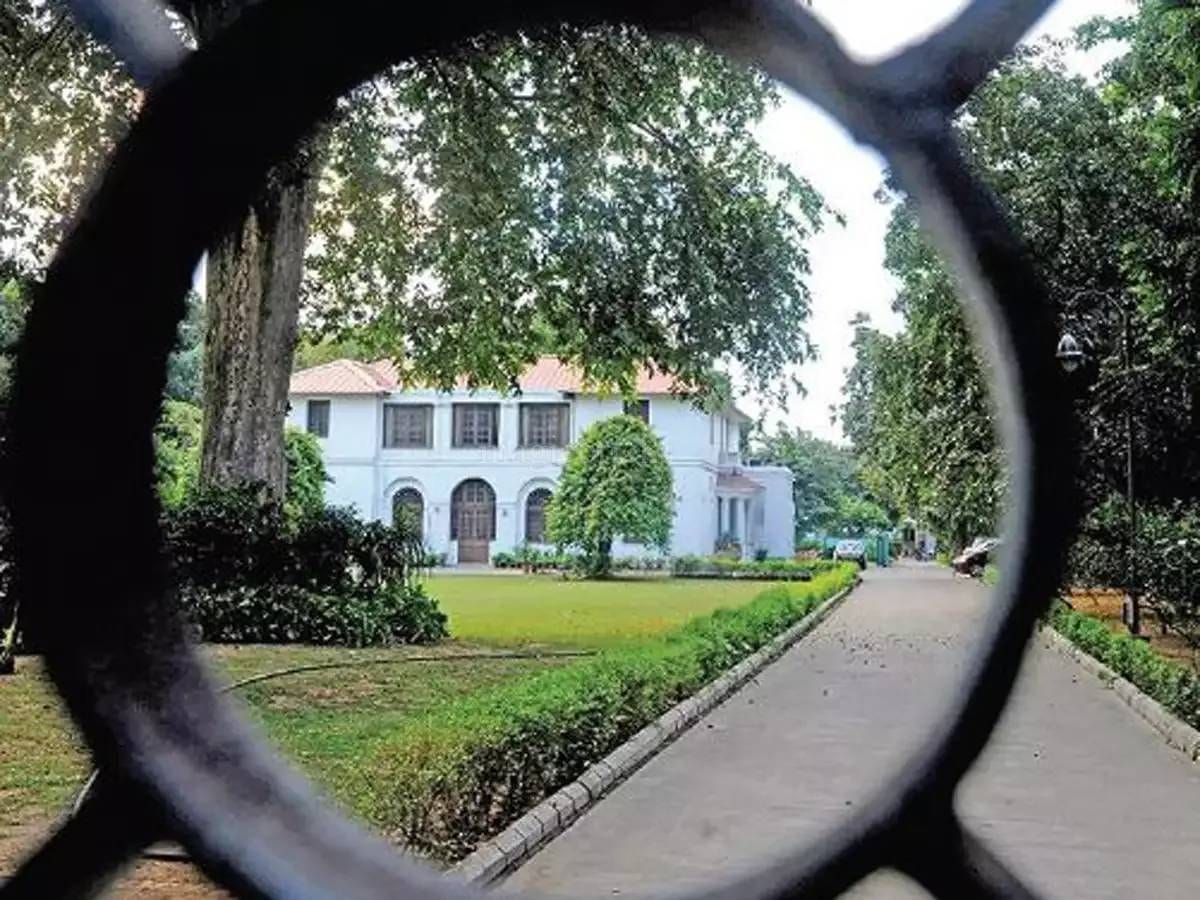
Perhaps the most discussed jewel in his portfolio is the palatial bungalow located in New Delhi’s ultra-exclusive Lutyens’ zone. Situated near Bhagwan Das Road, this 3.4-acre estate is often referred to as a "showpiece" of the capital.
The acquisition of this property in 2020 was a testament to Adani’s business acumen. Originally owned by Aditya Estates, the property was embroiled in bankruptcy proceedings. While the market value was estimated to be upwards of ₹1,000 crore, the Adani Group secured the property for approximately ₹400 crore through the National Company Law Tribunal (NCLT) process. This included a payment of ₹265 crore for the property itself and an additional ₹135 crore to convert the land from leasehold to freehold.
Key Features of the Delhi Bungalow:
- Built-up Area: 25,000 square feet.
- Accommodations: Seven lavish bedrooms, six expansive living and dining areas, and a private study.
- Staff Quarters: A dedicated 7,000-square-foot area for service staff.
- Landscaping: The property is surrounded by the lush, manicured greenery characteristic of the Lutyens district, providing a serene oasis in the heart of the capital.
The Ahmedabad Ancestry: Mithakhali Crossing
Despite his global reach, Adani remains deeply rooted in his home state of Gujarat. His primary residence in Ahmedabad, located near the Mithakhali Crossing in Navrangpura, serves as the family’s central hub. Here, he resides with his wife, Priti Adani, his sons Karan and Jeet, and his daughter-in-law.
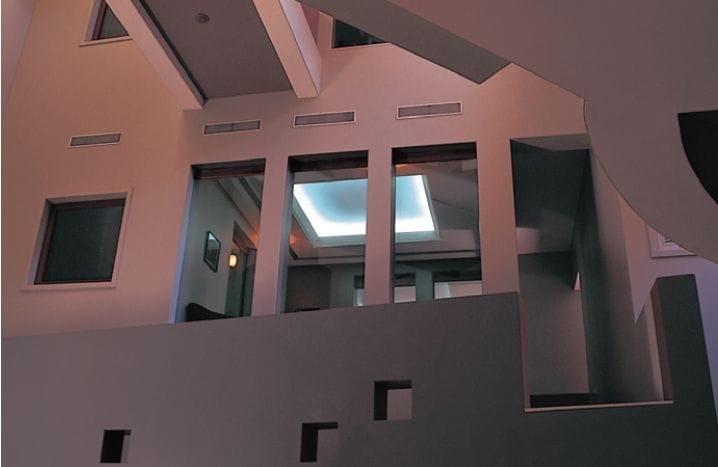
The Ahmedabad bungalow is described as an epitome of "understated luxury." It features expansive, well-equipped lawns and a design philosophy that merges modern architectural aesthetics with traditional Indian sensibilities. It serves as both a sanctuary and a functional space for high-level meetings, reflecting the patriarch’s vision and ambition.
Global Footprint and Other Assets
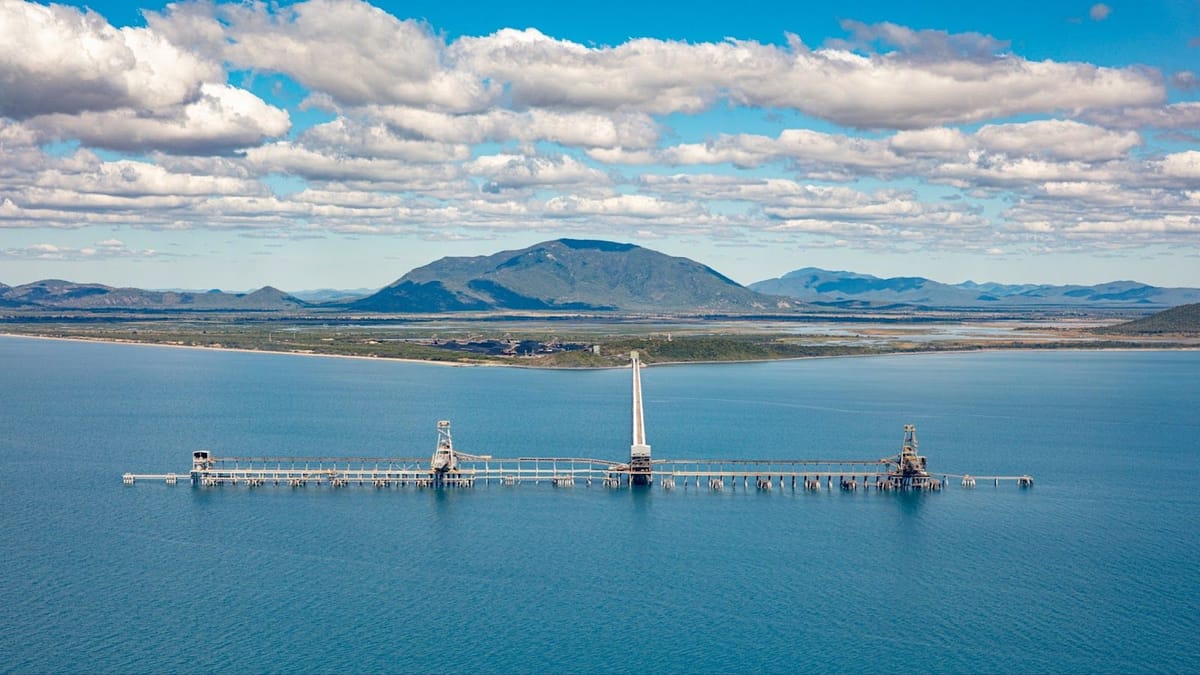
Adani’s property interests extend beyond India’s borders. His ownership of the Abbot Point Port in Australia necessitates a presence in the region, where he maintains high-value real estate. Additionally, he owns a significant commercial and residential complex in Gurgaon (Sector 32), ensuring a foothold in India’s primary corporate satellite city.
2. Chronology of a Titan: From Diamond Sorter to Global Billionaire
The story of Gautam Adani is a quintessential narrative of the "Indian Dream." His ascent was not fueled by inherited wealth but by a keen eye for opportunity and a relentless work ethic.
- 1962: Born in a middle-class Gujarati family in Ahmedabad. His father, Shantilal Adani, was a textile merchant supporting a family of nine.
- Late 1970s: Adani drops out of Gujarat University in his second year of a commerce degree. He moves to Mumbai with only a few hundred rupees, finding work as a diamond sorter for Mahindra Brothers.
- 1981: His elder brother, Mahasukh Adani, buys a plastics unit in Ahmedabad and invites Gautam to manage operations. This marks his entry into global trade through the import of Polyvinyl Chloride (PVC).
- 1988: He establishes Adani Exports (now Adani Enterprises), initially dealing in agricultural and power commodities.
- 1991: India’s economic liberalization provides the perfect tailwind. Adani expands into the trade of metals, textiles, and agro-products.
- 1995: The turning point. Adani wins the contract to operate the Mundra Port. Today, it is India’s largest private commercial port.
- 2000s-2010s: The group diversifies into power generation, coal mining, and gas distribution. Adani Power becomes the largest private thermal power producer in the country.
- 2019-Present: The group aggressively enters the aviation sector, winning bids for six domestic airports (including Lucknow, Jaipur, and Guwahati) and acquiring a 74% stake in Mumbai International Airport.
3. Supporting Data: The Anatomy of a $91.4 Billion Fortune
As of early 2024, Forbes lists Gautam Adani’s net worth at approximately $91.4 billion, making him the second richest person in India and a frequent contender for the title of the richest person in Asia.
The Conglomerate’s Reach
The Adani Group is a "ports-to-power" behemoth. Its valuation is driven by several publicly traded entities:
- Adani Enterprises: The flagship incubator.
- Adani Ports & SEZ: Controlling a significant portion of India’s maritime trade.
- Adani Green Energy: A sector that saw a staggering 5,500% surge in share prices over a three-year period, significantly boosting Adani’s personal wealth.
- Adani Total Gas & Adani Transmission: Key players in India’s utility infrastructure.
The "Air Force" and Luxury Fleet
Adani’s lifestyle matches his corporate stature. He possesses a private fleet of aircraft and helicopters that allow for seamless global travel:
- Bombardier Challenger 605/650: Long-range business jets.
- Embraer Legacy 650: A favorite for international delegations.
- Agusta Westland AW139: A high-performance helicopter used for shorter regional hops.
His garage is equally impressive, featuring:
- Rolls-Royce Ghost: The pinnacle of luxury motoring.
- Ferrari California: A nod to his appreciation for Italian engineering.
- BMW 7 Series & Range Rover: High-security, premium vehicles for daily transport.
4. Strategic Pivot: The $70 Billion Green Energy Revolution
While coal and traditional infrastructure built the Adani empire, the future is decidedly green. Gautam Adani has committed to a $70 billion investment in clean energy by 2030. This is not merely a philanthropic gesture but a calculated move to dominate the energy transition.
The centerpiece of this plan is the construction of three "Giga factories." These facilities will focus on:
- Solar Modules: Reducing dependence on imported photovoltaic cells.
- Hydrogen Electrolyzers: Positioning the Adani Group as a leader in the nascent green hydrogen economy.
- Wind Turbines: Expanding the group’s renewable footprint.
This shift has earned Adani international accolades, including the USIBC Global Leadership Award, signaling his intent to align the group’s interests with global ESG (Environmental, Social, and Governance) standards.
5. Official Context and Philanthropy
The Adani story is often viewed through the lens of corporate strategy, but the family’s philanthropic efforts through the Adani Foundation provide a necessary social context. Led by Dr. Priti Adani, the foundation operates in 18 states, impacting over 3.4 million people annually.
Primary Pillars of the Adani Foundation:
- Education: Running free schools for underprivileged children.
- Community Health: Mobile healthcare units and rural hospitals.
- Sustainable Livelihood: Skill development programs for rural youth and women.
- Rural Infrastructure: Building roads, water conservation systems, and community centers.
Official responses from the group often emphasize "Nation Building" as a core philosophy, framing their massive infrastructure projects as essential components of India’s goal to become a $5 trillion economy.
6. Economic Implications and the Path Ahead
Gautam Adani’s influence on the Indian economy is profound. By controlling the country’s largest ports, a significant portion of its power grid, and its busiest airports, the Adani Group has become a "systemically important" entity.
Implications for Modern India:
- Infrastructure Modernization: The privatization of airports and the expansion of ports have significantly improved logistics efficiency.
- Energy Security: Through coal mining and now green energy, the group plays a pivotal role in India’s energy independence.
- Global Standing: Adani’s overseas acquisitions (like the Haifa Port in Israel) have turned the group into an instrument of India’s soft power and strategic diplomacy.
Conclusion
Gautam Adani remains a polarizing yet undeniably brilliant figure. From his ₹400 crore Lutyens sanctuary to his $70 billion green energy pledge, his life is a study in scale. He is a man who "does not think small," and his journey from a diamond sorter in the 1970s to a global infrastructure kingpin is a testament to the transformative power of vision, grit, and the ability to seize the right moment in history. As the Adani Group continues to expand into data centers, cement, and green hydrogen, Gautam Adani’s footprint on the world stage is only set to deepen.
