

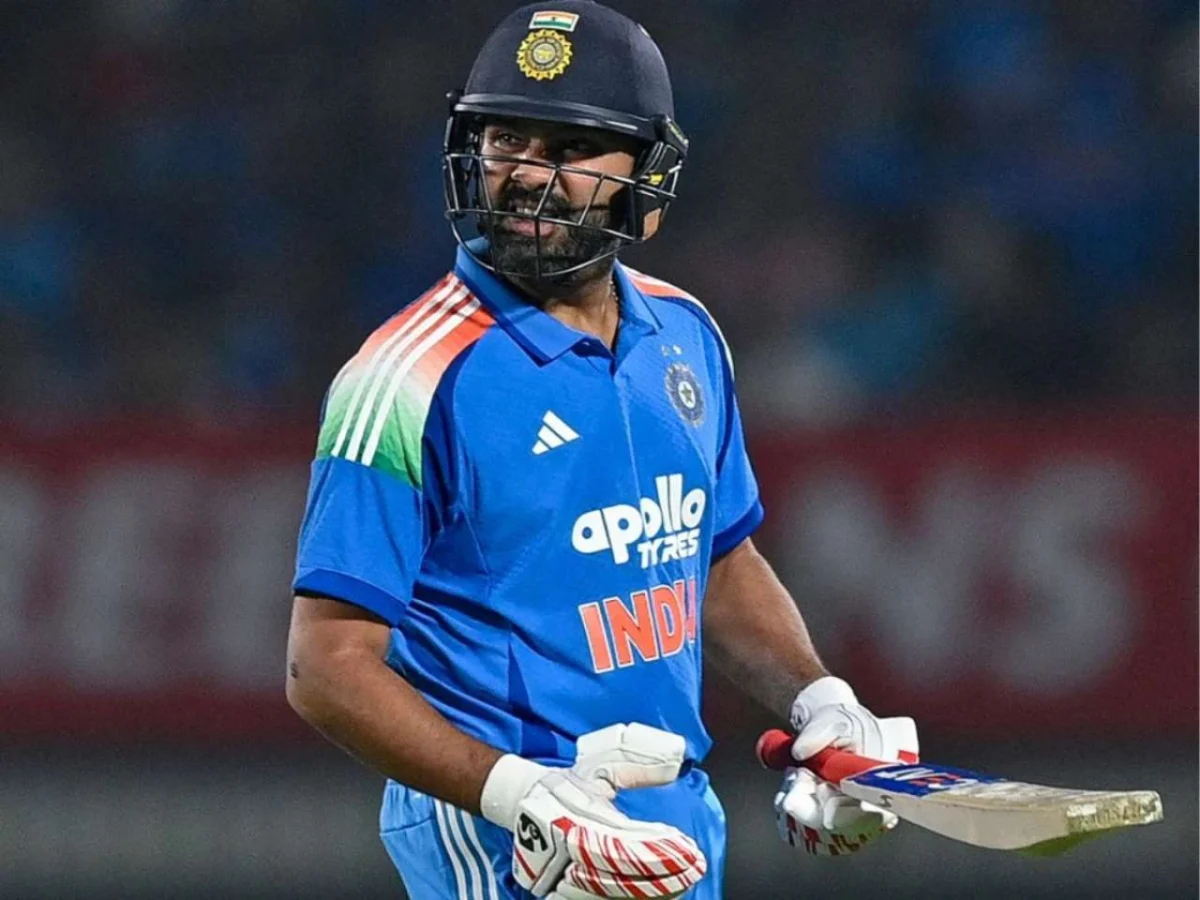
LONDON, ENGLAND – A seismic shift is reportedly underway within the echelons of Indian cricket, with a shock report indicating that veteran opener and former captain Rohit Sharma may be nearing the conclusion of his illustrious One-Day International (ODI) career. The news, which has sent ripples across the cricketing world, suggests that Sharma is no longer part of the Board of Control for Cricket in India’s (BCCI) long-term vision for the 2027 ICC Cricket World Cup. This development casts a poignant shadow over the ongoing three-match series against England, particularly the final fixture at the iconic Lord’s Cricket Ground on July 19, which could now mark Rohit Sharma’s swansong in the 50-over format.
The revelation, initially reported by The Indian Express, has ignited intense speculation about the white-ball future of one of cricket’s most prolific batsmen. With Sharma having already retired from T20 Internationals following India’s triumphant 2024 World Cup campaign and from Test cricket just last year, ODIs remained his sole international commitment. However, if these reports hold true, a monumental chapter in Indian cricket is poised to close, ushering in an era of profound transition for the Men in Blue.
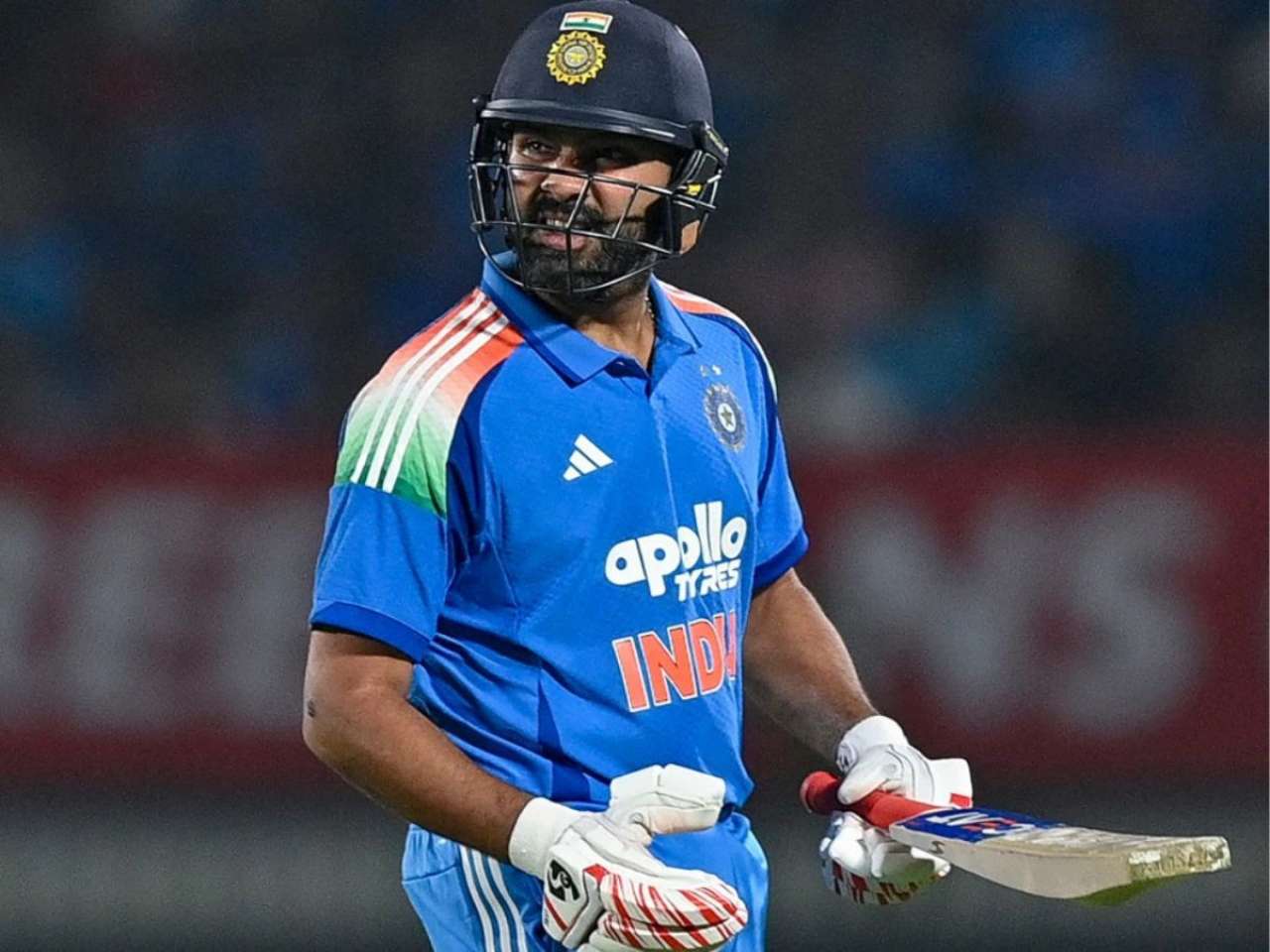
The Unfolding Narrative: A Chronology of Transitions
Rohit Sharma’s journey through the various formats of international cricket has been one marked by both spectacular highs and, more recently, a series of strategic withdrawals, culminating in the current crossroads concerning his ODI future. His career, spanning nearly two decades, has seen him evolve from a prodigious talent to a dependable middle-order batsman, then to a world-beating opener, and finally, a revered captain who led India to significant white-ball triumphs.
T20I Farewell: A Captain’s Exit After World Cup Glory
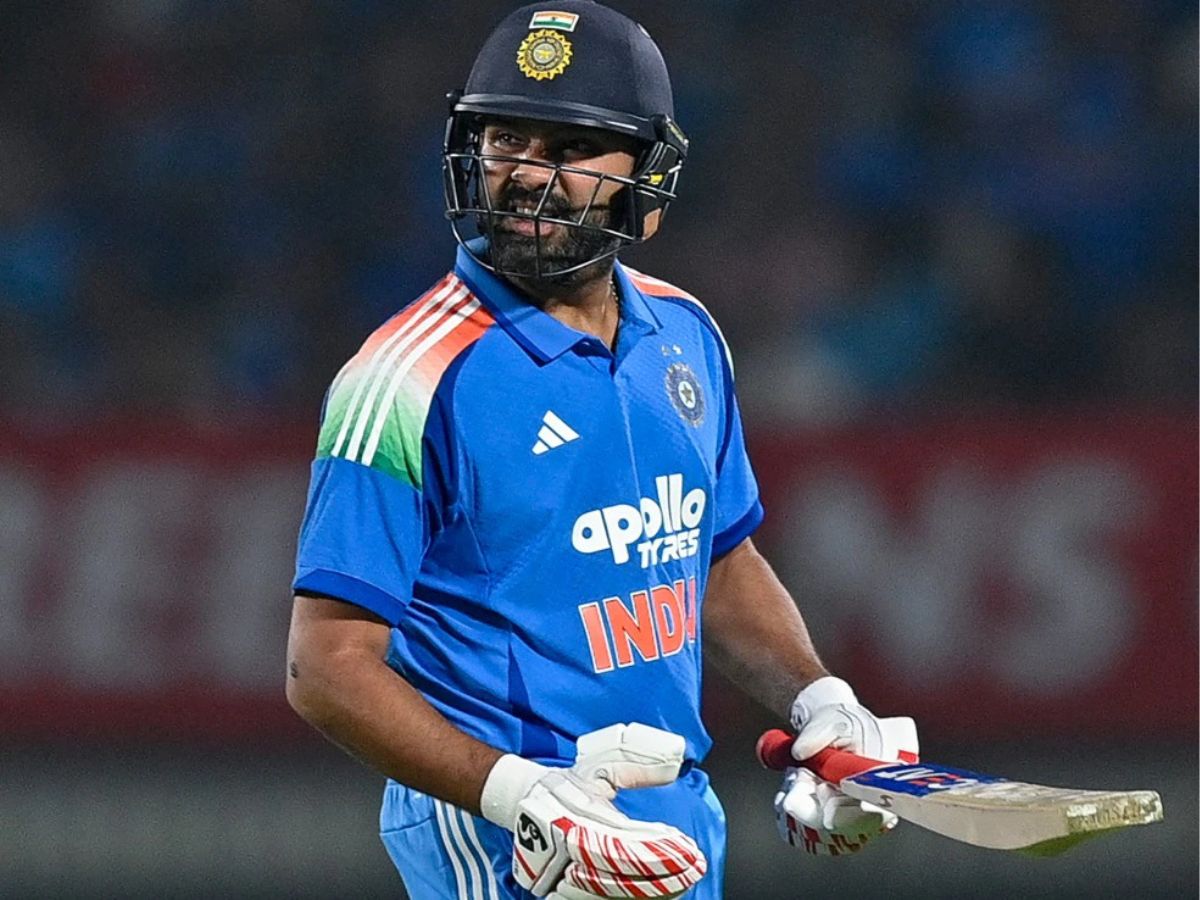
The first major announcement regarding Sharma’s phased withdrawal from international cricket came on June 29, 2024. Just hours after lifting the ICC Men’s T20 World Cup trophy in a thrilling final, where India defeated South Africa, Rohit Sharma confirmed his retirement from T20 Internationals. This decision, though somewhat anticipated given his age and the need to manage his workload, was nonetheless significant. It allowed him to bow out of the shortest format at the pinnacle of success, having led his team to a coveted global title. His leadership in the 2024 T20 World Cup was widely lauded for its aggressive intent and strategic acumen, embodying a fearless brand of cricket that India had yearned for. Stepping away from T20Is meant a clear signal: focus would now be entirely on Test and ODI cricket, with an eye on the 2027 ODI World Cup. Or so it seemed at the time.
)
Test Cricket Exit: Paving the Way for New Talent
Less than a year later, on May 7, 2025, Rohit Sharma announced his retirement from Test cricket. This decision, conveyed through a personal message on Instagram just before the ongoing England tour, was another calculated step in what appeared to be a strategic wind-down of his demanding international career. While he had enjoyed periods of significant success in Test cricket, particularly as an opener in home conditions, the rigorous demands of the longest format often took a toll. His Test retirement was seen as an effort to prolong his white-ball career, allowing him to concentrate his energies on ODIs, a format where he had achieved legendary status. This move further underscored the BCCI’s broader strategy of gradually integrating and promoting younger talent across all formats, ensuring a seamless transition for the future.
The ODI Captaincy Handover: A Precursor to Change
Perhaps a more direct harbinger of the current situation was the decision by the selection committee last year to relieve Rohit Sharma of his ODI captaincy, handing the reins to the promising young opener, Shubman Gill. This decision, while framed as part of a long-term succession plan, was a clear indication that the BCCI was already looking beyond Rohit as the primary leader for the next World Cup cycle. Gill, with his impressive run-scoring ability and burgeoning leadership qualities, was identified as the future. While Rohit continued to play as a specialist opener, the loss of captaincy undoubtedly altered his standing within the team hierarchy and hinted at the selectors’ evolving vision.

The England Tour: A Stage for an Unforeseen Climax
The current three-match ODI series against England was initially viewed as another opportunity for Sharma to solidify his place and contribute with the bat. However, the reports emanating from the BCCI suggest that this series has become far more consequential, serving as the backdrop for his potential final international appearances. His recent performances in the series, with scores of just 11 and 26 in the first two ODIs, have not helped his cause, fueling the narrative of a veteran struggling to maintain his peak form. The second ODI in Cardiff, in particular, saw him visibly struggle, missing shots that were once his trademark, highlighting a dip in rhythm and timing.
Behind the Decision: Supporting Data and Performance Analysis
The reported decision by the BCCI selectors to move on from Rohit Sharma for the 2027 ODI World Cup is multi-faceted, stemming from a combination of his recent form, the board’s long-term vision, and the emergence of a talented crop of young players.
)
Scrutiny of Recent Form: A Dip in the Batting Prowess
Rohit Sharma’s recent scores in the ongoing England series – 11 and 26 – have become central to the discussion. While two innings are a small sample size, they reflect a broader trend of inconsistency that has crept into his game post the 2023 World Cup. In the Cardiff ODI, his struggle to find gaps, his uncharacteristic misses, and a general lack of fluidity were noticeable. For a batsman renowned for his elegant stroke play and ability to convert starts into monumental scores, these modest returns raise questions about his current batting rhythm and mental freshness. While form can be temporary, for a player of his age and standing, such a dip often prompts selectors to consider future alternatives, especially when a major tournament cycle is beginning.
The Illustrious Past: A "Hitman" Legacy
To truly understand the weight of this decision, one must recall Rohit Sharma’s unparalleled legacy in ODI cricket. Affectionately known as "Hitman," he redefined opening batting in the format, combining classical technique with brutal power. He holds the unique record of three double centuries in ODIs, a feat unmatched by any other batsman. His 264 against Sri Lanka remains the highest individual score in ODI history. He was a cornerstone of India’s batting lineup for over a decade, playing a pivotal role in numerous bilateral series victories and ICC tournaments.
)
As captain, his aggressive approach in the 2023 ODI World Cup, despite India’s heartbreaking loss in the final, was lauded. He led from the front, consistently providing explosive starts and setting the tone for India’s dominant campaign. His captaincy was instrumental in fostering a fearless team culture, which translated into the 2024 T20 World Cup victory. The contrast between his historical dominance and recent struggles underscores the difficult nature of these selection calls, where past glories must eventually yield to present realities and future aspirations.
The BCCI’s Vision for 2027: A Youth-Centric Approach
The core of the BCCI’s reported decision lies in its strategic outlook for the 2027 World Cup. Four years is a significant period in international cricket, and building a team for such a marquee event necessitates a focus on youth, fitness, and long-term sustainability. The selectors are keen to blood new talent and give them ample opportunities to gain experience and gel as a unit.
)
Players like Yashasvi Jaiswal, who has impressed in Tests and T20Is with his aggressive left-handed batting, are now prime candidates for a regular ODI slot. Ruturaj Gaikwad, with his consistent domestic performances and elegant stroke play, is another strong contender. Ishan Kishan, KL Rahul (though older, still has time), and others like Sanju Samson are all vying for spots in the white-ball setup. The rationale is simple: invest in players who can perform at their peak for the entirety of the next World Cup cycle, rather than relying on veterans whose careers might be winding down. This approach ensures a fresh, dynamic squad capable of adapting to the evolving demands of modern ODI cricket.
The Age and Fitness Factor: Unspoken Considerations
While not explicitly stated, the age factor invariably plays a role in such decisions. At 37, Rohit Sharma is among the older active international cricketers. The physical demands of playing all three formats, even if he has retired from two, are immense. Maintaining peak fitness, agility, and explosive power required for top-level white-ball cricket becomes increasingly challenging with age. Though Sharma has reportedly focused diligently on his fitness, the selectors might be looking for players who offer more longevity and consistent athleticism over the next four years. This is a common trend in global cricket, where boards prioritize younger, fitter athletes for long-term projects.
)
Official Stance and Unofficial Discontent
The news, though widely reported, remains officially unconfirmed by both Rohit Sharma and the BCCI. However, a source within the BCCI has provided crucial insights into the internal discussions.
The BCCI’s Communication: A Clear Message
According to a source close to the BCCI, "Selectors have informed Rohit he’s not in their scheme of things post the England tour and they’re moving on after this series. He wanted to keep going, especially after focusing on his fitness, but they’ve left it to him to decide what’s next." This statement is stark and unambiguous. It suggests a direct communication between the selectors and Sharma, conveying a clear shift in policy. The phrase "not in their scheme of things" highlights a definitive decision to exclude him from future ODI plans. The caveat, "they’ve left it to him to decide what’s next," is a courtesy extended to a player of his stature, allowing him to make a public announcement of retirement on his own terms rather than being formally dropped. This approach aims to manage the transition respectfully, acknowledging his immense contributions.
)
Rohit’s Reported Unhappiness: A Veteran’s Frustration
The report also indicates that Rohit Sharma was not pleased with this direction. He reportedly had conversations with a few BCCI officials during the England series, expressing his dissatisfaction. This is understandable for any elite athlete who has dedicated their life to the sport and believes they still have much to offer. Sharma has consistently demonstrated a fierce competitive spirit, and the prospect of being phased out, particularly after leading India to a T20 World Cup triumph and the ODI World Cup final, must be deeply frustrating. His desire to "keep going" after investing heavily in his fitness underscores his commitment and passion for the game. The emotional toll of such a decision, especially when it concerns the end of a long and decorated career, is immense.
As of now, there has been no formal public statement from Rohit Sharma himself, nor from the BCCI. This silence, while typical in such sensitive situations, only fuels the rumor mill and increases the anticipation for an official announcement, which many expect to come shortly after the Lord’s match.
)
The Nature of Transitions: A Difficult Balance
Such transitions are never easy, neither for the player nor for the board. Managing the exit of a legendary figure requires immense tact and foresight. Historically, many cricketing greats have faced similar dilemmas, struggling to reconcile their desire to continue with the board’s need to plan for the future. The BCCI’s approach, while firm in its long-term planning, seems to be attempting to navigate this delicate balance by allowing Sharma to control the narrative of his exit. However, the underlying message is clear: the focus is now squarely on building a team for 2027, irrespective of past glories.
Far-Reaching Implications for Indian Cricket
The potential departure of Rohit Sharma from ODI cricket marks a watershed moment for Indian cricket, carrying significant implications across various facets of the game.
)
A New Era for ODIs: Gill’s Leadership and Batting Philosophy
With Rohit Sharma’s likely exit, Shubman Gill’s captaincy will move beyond a probationary phase to become the undisputed leadership of the ODI side. This signifies a complete generational shift at the helm. Gill, a naturally aggressive batsman himself, will be tasked with shaping the team’s identity and batting philosophy. While Rohit brought an aggressive, upfront approach, Gill will now have the opportunity to stamp his own authority. The team will likely evolve under his leadership, focusing on dynamic fielding, versatile bowling options, and a fearless batting lineup capable of adapting to different conditions and match situations. The transition period will be crucial for Gill to establish his leadership credentials and for the team to rally around him.
The Search for Openers: Filling a Colossal Void
Perhaps the most immediate and critical implication will be the hunt for a consistent opening partner for Shubman Gill. Rohit Sharma’s shoes are enormous to fill. The ideal candidate will need to possess a blend of aggression, consistency, and the ability to perform under pressure on the biggest stages.
)
- Yashasvi Jaiswal: A front-runner, Jaiswal’s aggressive left-handed style could provide a dynamic contrast to Gill. His ability to score quickly and take on bowlers early could set the tone.
- Ruturaj Gaikwad: A more classical opener, Gaikwad offers stability and a strong technique. His domestic record is excellent, and he has shown glimpses of his potential in limited international appearances.
- Ishan Kishan: A wicketkeeper-batsman, Kishan provides another left-handed option and is known for his explosive hitting. However, his consistency at the top order in ODIs needs to be proven over a longer period.
- Prithvi Shaw: While currently out of favor due to fitness and disciplinary issues, Shaw’s natural talent as an opener remains undeniable. A comeback could be on the cards if he addresses his concerns.
The selectors will have a challenging but exciting task of identifying and grooming the next generation of openers who can consistently deliver at the international level.
Impact on Team Dynamics: The Void of a Senior Leader
Beyond his runs and captaincy, Rohit Sharma’s presence in the dressing room as a seasoned veteran and an inspiring figure cannot be overstated. His departure will leave a significant void in terms of experience and leadership. While the team boasts other experienced players like Virat Kohli (if he continues in ODIs), Ravindra Jadeja, and Jasprit Bumrah, Rohit’s unique blend of calm leadership and explosive batting was a crucial anchor. The younger players will now have to step up and assume greater responsibility, both on and off the field. The team dynamics will shift, fostering a new hierarchy and potentially accelerating the leadership development of players like Gill and others.
)
Fan Reactions and the End of an Era
The news is bound to evoke strong emotional responses from Indian cricket fans. Rohit Sharma is not just a cricketer; he is an icon, deeply revered for his elegance, power, and match-winning performances. The potential end of his ODI career will mark the definitive conclusion of an era, similar to the transitions seen with other legends of the game. Fans will likely reflect on his glorious achievements, the memorable innings, and the joy he brought to millions. While the decision is pragmatic for the future, the sentiment will be bittersweet, acknowledging the inevitable march of time in sports.
Future of Indian Cricket: A Bold New Path
This move underscores the BCCI’s commitment to a bold new path for Indian cricket, prioritizing a long-term vision over short-term sentimental attachments. The goal is clear: to build a robust, resilient, and youth-infused squad that can compete consistently and win major ICC tournaments in the coming decade. The focus will be on fitness, aggressive intent across all departments, and nurturing a pipeline of talent that can seamlessly step into international cricket. This strategy, while potentially painful in the short term for fans of veteran players, is designed to ensure India remains a cricketing powerhouse for years to come.
)
Conclusion
As the Indian team prepares for what could be Rohit Sharma’s final ODI appearance at Lord’s, the air is thick with anticipation and a touch of melancholy. The "Home of Cricket" could witness the quiet departure of one of its modern greats from the 50-over format, an event that will reverberate through the annals of Indian cricket history. While the official confirmation is yet to arrive, the reports paint a clear picture of a changing guard, a strategic pivot by the BCCI towards a younger, future-focused squad for the 2027 World Cup.
Rohit Sharma’s legacy in ODI cricket is etched in gold, characterized by his record-breaking feats, inspiring captaincy, and unparalleled ability to dominate bowling attacks. His potential farewell will mark the end of a glorious chapter, but it also heralds the dawn of a new era for Indian cricket, one filled with fresh talent, renewed aspirations, and the challenging yet exciting prospect of forging a new identity under Shubman Gill’s leadership. The journey towards 2027 has officially begun, and it promises to be one of profound transformation for the Men in Blue.
