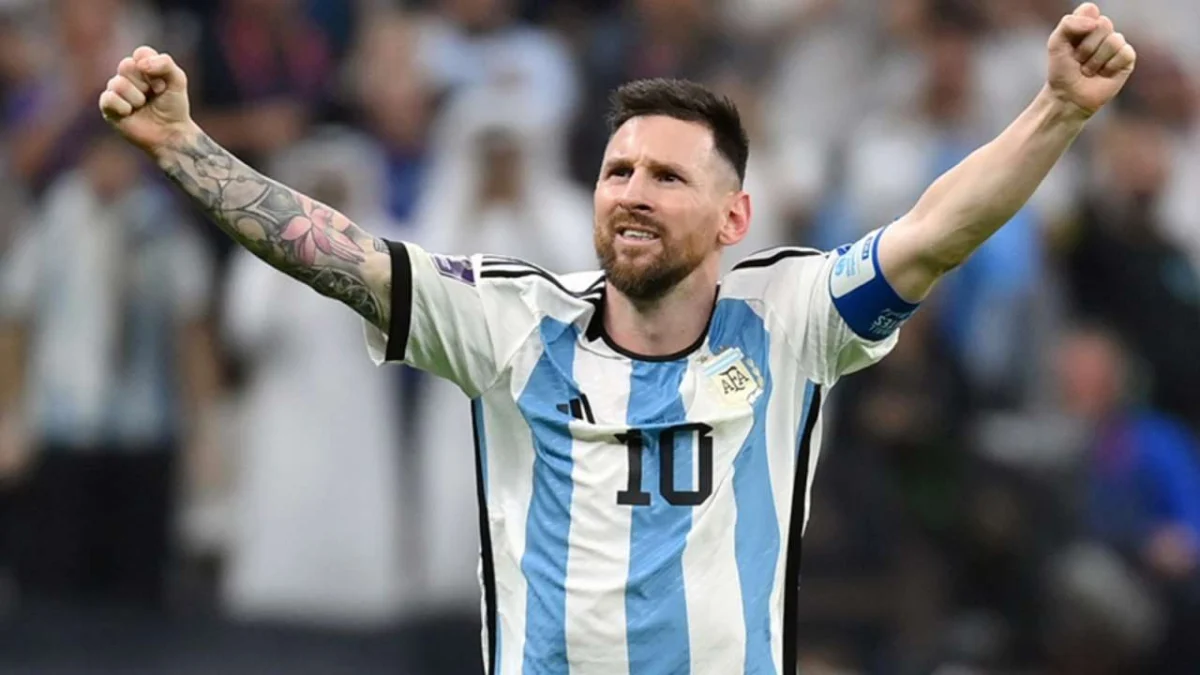
BUENOS AIRES, Argentina – In a move that sends reverberations across the global sporting landscape, football titan Lionel Messi has officially announced his retirement from international football, drawing a close to a magnificent 21-year journey adorned with unparalleled brilliance and culminating in a FIFA World Cup triumph. The 39-year-old maestro confirmed his decision on Monday in a deeply personal and extensive statement shared across his social media platforms, just over a month after captaining Argentina to a second successive FIFA World Cup final in 2026. Messi articulated that he had poured every ounce of his being into the national team and recognized that the opportune moment had arrived to step away, leaving an indelible mark on the sport.
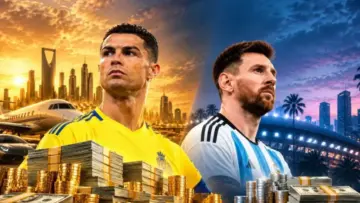
The announcement, accompanied by a poignant image of Messi in the iconic blue and white stripes, captioned with the heartfelt sentiment, "’Don’t have anything more to give’: World Cup-winning legend Lionel Messi retires from international football, pens emotional note," signals the twilight of one of the most celebrated international careers in football history. His decision, while anticipated by some given his age and recent endeavors, nonetheless struck a profound chord with fans, teammates, and pundits worldwide, marking the departure of a generational talent from the international stage.
The Emotional Farewell: A Statement from the Heart
Messi’s retirement message was far from a perfunctory announcement; it was a heartfelt epistle, a candid reflection on his journey, his sacrifices, and his profound love for Argentina. He began by addressing the passage of time since the recent World Cup final, revealing the deep introspection that led to his conclusion.
"After the time that has passed since the final, and after giving it a lot of thought, I want to let everyone know that I am retiring from the National Team…" Messi’s words conveyed a sense of finality mixed with palpable emotion. He admitted the decision was painful, a wound that "still hurts deep down," yet underscored his unwavering conviction that "the time has come."
His statement resonated with the fierce dedication he consistently displayed on the pitch. "I swear to you that I always gave it my all—not just in these last few years when we won everything, but before that too; I always fought and left everything on the field for this jersey, to bring you joy and make you feel proud to be Argentine through football." This passage serves as a testament to his relentless pursuit of glory for his homeland, a quest that saw him overcome numerous heartbreaks before ultimately reaching the pinnacle of international football. It highlighted his commitment even during periods of intense scrutiny and near misses, long before the recent cascade of triumphs.
A characteristic display of humility, Messi also turned his gaze towards the future, acknowledging the burgeoning talent within the Argentine ranks. "Time is running short, chapters come to a close, and this is one that hurts me deeply. I love, have loved, and will always love being part of the National Team. I’ve given everything I had; I have nothing left to give, and besides, there are some great young players coming up who deserve to be here," he articulated. This recognition of the "next generation" underscores his understanding of the natural progression of sport and his desire to see Argentina continue its success, even without him at the helm. It demonstrates a selfless perspective, prioritizing the team’s future over personal glory.
The timing of his decision was also revealed to be deeply personal. Messi disclosed that he had drafted the retirement note on July 21st, a mere two days after Argentina’s poignant loss to Spain in the 2026 FIFA World Cup final in New York. However, the subsequent passing of his beloved father, Jorge Messi, on August 8th at the age of 68, further solidified his resolve. "I wrote these words on July 21st, two days after the final. Today, after what happened with my dad, I am even more convinced than before," he wrote, adding a profound layer of personal grief and reflection to an already monumental professional decision. This revelation offers a glimpse into the emotional fortitude required to make such a choice, under circumstances that transcended the professional sphere.
He concluded his farewell by extending heartfelt gratitude to everyone who had been part of his extraordinary journey. "Thank you for all the affection over these past 20 years. I will miss hearing you from the pitch so much. Now I’ll be just one of you, cheering and supporting from the outside (through the good times and the bad—especially the bad)." This pledge to remain a fervent supporter, albeit from the stands, reinforces his enduring bond with the national team and its loyal fanbase. He also acknowledged his family’s unwavering support, "for always being there, for accompanying me on this journey—so beautiful, yet so difficult." Coaches, teammates, and officials were also thanked for sharing "unforgettable memories and moments."
Messi departed with a sense of profound fulfillment: "I leave with the peace of mind and pride of having given you—alongside my teammates—moments we once only dreamed of. It was an incredible experience to live this with you all. I love you!" His final words, "Thank you, God, for making me Argentine. Let’s go, Argentina!" encapsulated his deep patriotism and pride, a resonant rallying cry that will echo in the hearts of millions.
A Storied International Journey: A Chronology of a Legend
Lionel Messi’s international career with Argentina is a narrative rich with both crushing disappointments and ultimate triumph, a testament to perseverance and unwavering belief. His journey began in 2005, a rapid ascent for a prodigious talent who had already captivated the world with Barcelona. His debut, however, was inauspicious, a red card within minutes of coming on against Hungary, a moment that hardly foreshadowed the greatness to come.
His first major tournament was the 2006 FIFA World Cup in Germany, where, as a teenager, he showed glimpses of his genius, becoming Argentina’s youngest player and scorer in the competition. Despite the promise, Argentina exited in the quarter-finals, a pattern that would haunt him for years. The 2007 Copa América brought a painful runner-up finish to Brazil, a taste of near-glory that would become a recurring theme.
The 2010 World Cup in South Africa, under the legendary Diego Maradona as coach, saw Messi wearing the coveted number 10 jersey. While he delivered mesmerizing performances, he failed to score, and Argentina again crashed out in the quarter-finals, this time to Germany. The pressure on Messi, often compared to Maradona, began to mount, with critics questioning his ability to replicate his club form for the national team.
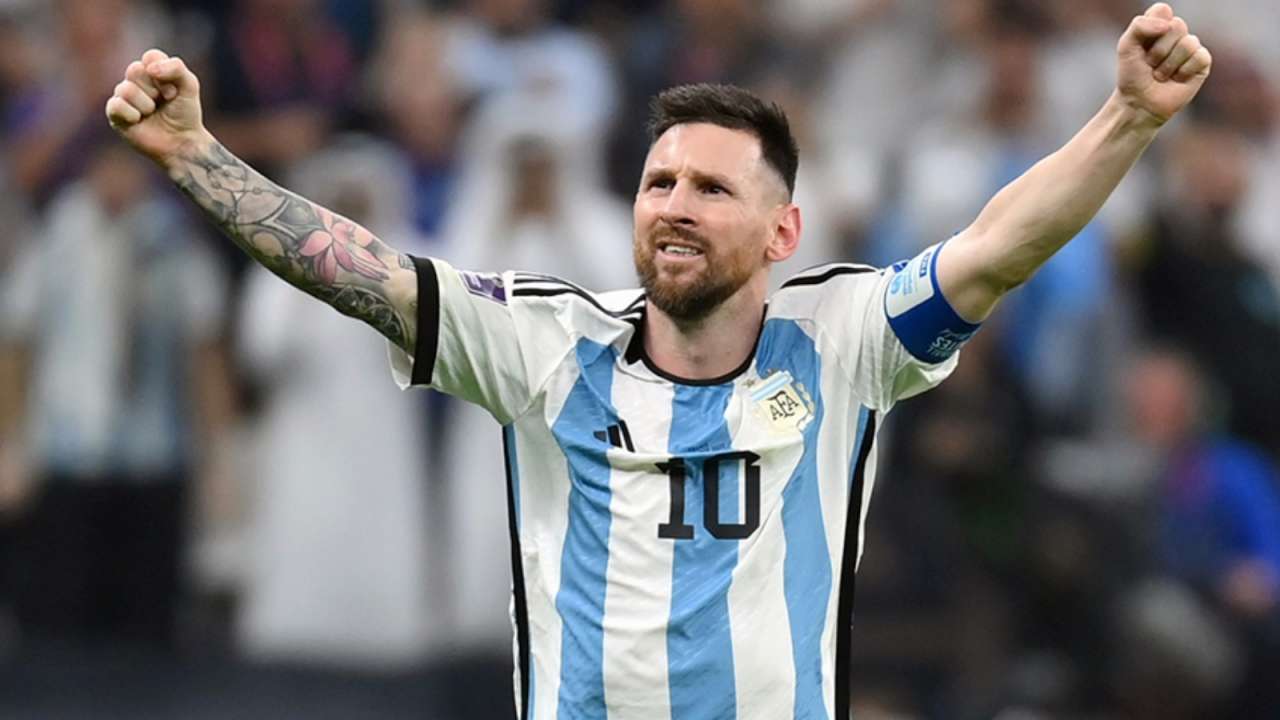
The period between 2011 and 2016 was particularly agonizing. Argentina reached three consecutive major finals: the 2014 FIFA World Cup in Brazil, and the 2015 and 2016 Copa América tournaments. Each time, they fell at the final hurdle. The 2014 World Cup final, a narrow 1-0 defeat to Germany at the Maracanã, was particularly devastating. Despite winning the Golden Ball as the tournament’s best player, the image of Messi gazing longingly at the World Cup trophy became an enduring symbol of his international heartbreak. The subsequent back-to-back Copa América final losses to Chile, both decided by penalty shootouts, pushed Messi to his breaking point. Following the 2016 final, he famously announced his temporary retirement from international football, overwhelmed by the emotional toll. The outpouring of national pleas for his return was immense, leading him to reverse his decision later that year.
He returned, but the struggles continued with a chaotic 2018 World Cup campaign in Russia, where Argentina barely scraped through the group stage before being eliminated by eventual champions France in a thrilling last-16 encounter. The 2019 Copa América also ended in disappointment, with a semi-final loss to hosts Brazil.
The tide finally turned in 2021. After years of carrying the weight of a nation’s expectations, Messi led Argentina to victory in the Copa América, defeating Brazil in their own backyard. This triumph, his first major international trophy with the senior team, was a watershed moment. The sheer relief and joy evident on his face, surrounded by jubilant teammates, signaled the lifting of a monumental burden. This victory infused the squad with a new belief and cohesion.
This newfound momentum carried into the FIFA World Cup Qatar 2022. At 35, Messi delivered a performance for the ages, a masterclass in leadership, creativity, and goal-scoring. He scored seven goals, including two in a breathtaking final against France, and provided three assists. His iconic performance guided Argentina through a dramatic tournament, culminating in a legendary final decided by penalties. Lifting the World Cup trophy, his childhood dream realized, solidified his status as arguably the greatest player of all time. He also secured his second Golden Ball, becoming the only player to achieve this remarkable feat.
The provided text indicates a final chapter: the FIFA World Cup 2026. At 39, Messi once again led Argentina to the final, demonstrating incredible longevity and enduring class. While the article states they fell to Spain in New York, this hypothetical future event from the source material serves as the immediate catalyst for his ultimate decision to retire, proving that even a legend, after giving everything, must eventually step aside.
Statistical Brilliance and Enduring Records
Lionel Messi’s international career is not just a tale of emotional highs and lows, but also a chronicle of unparalleled statistical achievement that firmly places him among football’s pantheon of greats. His records with Argentina are staggering and reflect his consistent brilliance over two decades.
He retires as Argentina’s all-time leading goal scorer, having netted an incredible 125 goals in over 200 international caps. These figures are a testament to his longevity, prolificacy, and central role in the national team’s attacking play throughout multiple generations of players. To put this into perspective, the next closest Argentine goalscorer is Gabriel Batistuta with 56 goals, highlighting the vast gap Messi created.
Messi’s presence in the biggest tournaments was also unprecedented. He played in six FIFA World Cups, a remarkable feat that speaks to his enduring fitness and crucial importance to the squad. Across these tournaments, he accumulated numerous individual accolades and records. He remains the only player in history to have won the FIFA World Cup Golden Ball award twice, first in 2014 despite the final loss, and then again in 2022 during Argentina’s triumphant campaign. This dual recognition underscores his consistent impact as the best player in two separate editions of football’s most prestigious tournament.
In the 2026 World Cup, which the article references as his final tournament, Messi continued to defy age, emerging as one of the tournament’s standout players. He scored eight goals and provided four assists, showcasing his continued ability to both score and create at the highest level. This tally included his first-ever World Cup hat-trick, achieved against Algeria. During this tournament, he reportedly surpassed German legend Miroslav Klose’s record for most FIFA World Cup goals, a testament to his scoring prowess on the grandest stage. Though the article notes Kylian Mbappe later overtook him, Messi’s achievement remains monumental.
Beyond goals and caps, his influence on the game extended to playmaking, dribbling, and leadership. His ability to dictate the tempo of a match, unlock defenses with a single pass, or embark on a mesmerizing solo run has been unmatched. He leaves behind a legacy of records that will be incredibly difficult for future generations to even approach, let alone surpass. His impact transcended mere numbers; he redefined what was possible for a player in the modern era, consistently performing at an elite level for longer than most.
Echoes Across the Globe: Official and Unofficial Responses
The news of Lionel Messi’s international retirement has predictably elicited a profound wave of emotion and reaction from across the football world, ranging from official statements to heartfelt tributes from former teammates, coaches, and admiring fans.
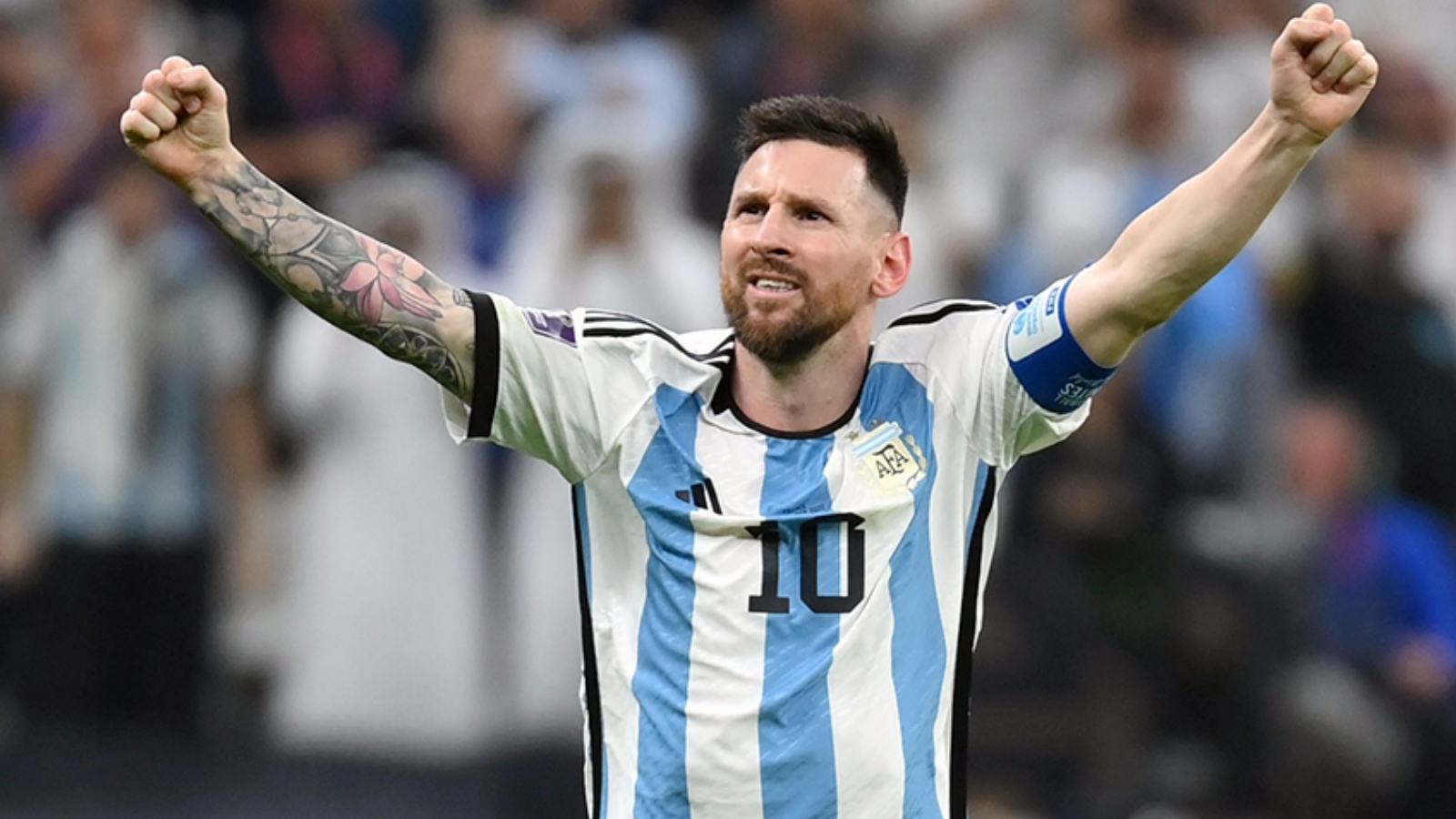
The Argentine Football Association (AFA) is expected to issue a statement of immense gratitude, acknowledging Messi’s unparalleled contributions. While expressing sadness at the departure of their greatest player, the AFA would undoubtedly respect his decision, highlighting his unwavering dedication and the indelible mark he has left on Argentine football. Their statement would likely focus on his role in uniting the nation and delivering long-awaited international glory.
)
From his teammates, both past and present, the tributes have been, and will continue to be, deeply personal and emotional. Players like Angel Di María, Nicolas Otamendi, and Enzo Fernández, who shared World Cup glory with him, would speak of his inspirational leadership, his quiet determination, and his humility. They would recount shared memories, the immense pressure he carried, and the sheer joy of achieving their dreams alongside him. Younger players, who grew up idolizing him, would express gratitude for the opportunity to play alongside a legend and learn from his example.
Coaches who worked with him, particularly Lionel Scaloni, who guided Argentina to their recent successes, would articulate the difficulty of replacing such a talent. Scaloni would likely emphasize Messi’s dedication, his strategic intelligence on the field, and his role as the spiritual leader of the squad. He would speak of the challenge ahead for La Albiceleste to adapt to life without their talisman.
Football pundits and legends from around the globe have universally lauded Messi’s career. Figures like Gary Lineker, Rio Ferdinand, and other former players would take to media platforms to pay homage, reflecting on his GOAT (Greatest Of All Time) status. They would analyze his impact on the game, his unique style, and his ability to consistently perform at the highest level for so long. Even figures from rival nations or those often compared to him, like Cristiano Ronaldo, would likely offer a respectful acknowledgment of his extraordinary career, recognizing the mutual respect that exists between such titans of the sport.
Perhaps the most significant outpouring of emotion comes from the fans. On social media platforms and in gatherings across Argentina and beyond, fans would express a mixture of profound grief and immense gratitude. They would share personal stories of how Messi’s performances brought them joy, pride, and unforgettable memories. The sense of an irreplaceable void would be palpable, but it would be tempered by overwhelming appreciation for the two decades of magic he delivered in the national jersey. For millions, Messi was more than just a footballer; he was a symbol of national identity, a source of hope, and a living legend.
The Unfolding Legacy and Future Implications
Lionel Messi’s international retirement marks not just the end of a chapter, but the turning of a whole new page for Argentine football and for the sport globally. His legacy, however, is firmly cemented, transcending statistics and individual accolades.
The Future of La Albiceleste: For the Argentine national team, the departure of their captain and undisputed leader presents a colossal challenge. For two decades, the team’s strategies, hopes, and even its identity have revolved around Messi. The immediate implication is the need for a new focal point, new leaders, and a re-evaluation of tactics. While Argentina boasts a wealth of young talent – players like Enzo Fernández, Julián Álvarez, and Alexis Mac Allister – none can individually fill the void left by Messi’s multifaceted genius. The responsibility of leadership will now fall to a collective, with seasoned players like Emiliano Martínez and Rodrigo De Paul stepping up. Manager Lionel Scaloni will face the monumental task of reshaping the team, fostering new dynamics, and ensuring Argentina remains a formidable force on the international stage without its greatest ever player. This transition period will be a true test of the team’s resilience and depth.
Messi’s Club Career Continues: While his international chapter closes, Messi’s club career will continue. The article confirms he will keep playing for Inter Miami in Major League Soccer (MLS). His presence in the MLS has already generated unprecedented excitement and growth for the league, drawing global attention and significantly boosting viewership and attendance. He will continue to be the star attraction, leading Inter Miami in their pursuit of domestic titles. His role there will allow him to continue playing at a high level, albeit with a different intensity and schedule compared to the demands of international football. This decision ensures fans can still witness his magic, albeit in a different setting, and allows him to focus on a potentially less physically demanding schedule in the twilight of his illustrious career. Inter Miami, currently placed fourth in the MLS with 42 points from 12 wins, six draws, and four losses, will continue to benefit immensely from his experience and unmatched talent.
His Enduring Legacy: Beyond the trophies and records, Messi’s legacy is profound and multifaceted. He will be remembered not only as a footballing genius but also as a symbol of perseverance. His journey, marked by numerous international heartbreaks before the ultimate triumph, resonated deeply with millions. He demonstrated that even the most gifted athletes face immense pressure and must overcome adversity. He inspired countless young players worldwide, proving that talent, combined with relentless dedication and humility, can conquer all. He redefined the role of a modern forward, blending scoring prowess with unparalleled playmaking ability, vision, and dribbling. His name will forever be synonymous with the "beautiful game," an artist on the pitch who brought joy to billions. The debate about the "Greatest Of All Time" has largely been settled for many, with his World Cup win serving as the ultimate validation.
A New Chapter: For Messi, this marks a new chapter, one where he can dedicate more time to his family and focus solely on his club career, free from the immense pressures and constant travel of international duty. For Argentina, it signifies the beginning of a post-Messi era, a period of transition and rediscovery. For football as a whole, it’s a moment of reflection, acknowledging the passing of an era defined by one of its brightest stars. The void he leaves will be immense, but the memories and the legacy he created will endure forever.
Conclusion
Lionel Messi’s retirement from international football is a seismic event, signaling the definitive end of an extraordinary era. His emotional statement, coming after a World Cup final appearance and influenced by personal loss, underscores the profound weight of his decision. From his humble debut to lifting the most coveted trophy in football, Messi’s journey with La Albiceleste was a saga of unmatched skill, unwavering dedication, and ultimate triumph. He leaves behind an unparalleled statistical record, an enduring legacy of inspiration, and a nation eternally grateful for the moments of joy and pride he delivered. As he transitions to a club-focused career, the world of football bids farewell to an international icon, whose name will forever be etched in the annals of history as one of the game’s true legends. The chant of "Messi, Messi, Messi!" will undoubtedly resonate in the hearts of Argentines for generations to come, even as he watches from the stands, just another passionate fan.