MAIN FACTS
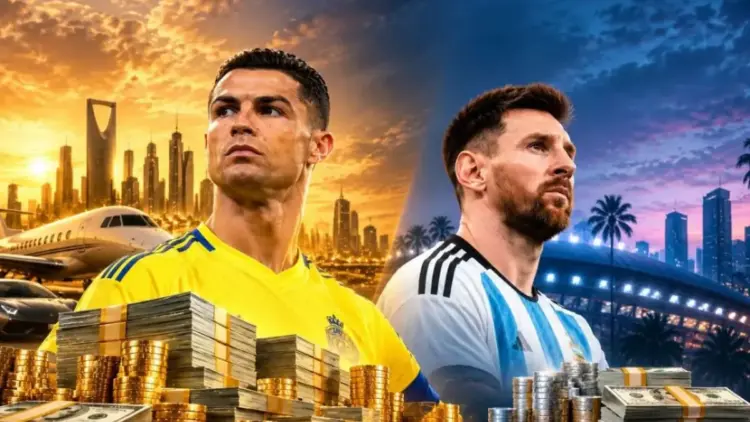
In a compelling turn that extends their legendary rivalry beyond the football pitch, Cristiano Ronaldo is projected to significantly out-earn Lionel Messi in the 2026-27 season, with Forbes’ latest assessment anticipating the Portuguese superstar to command approximately $300 million. This staggering figure is nearly double the $145 million projected for his Argentine counterpart, signaling a new chapter in their battle for global sporting dominance – one increasingly defined by commercial acumen and strategic financial leveraging. The disparity highlights contrasting yet highly effective revenue models: Ronaldo’s earnings are heavily anchored in an unprecedented playing contract, while Messi’s substantial income is bolstered by innovative endorsement deals and a unique equity-based compensation structure.
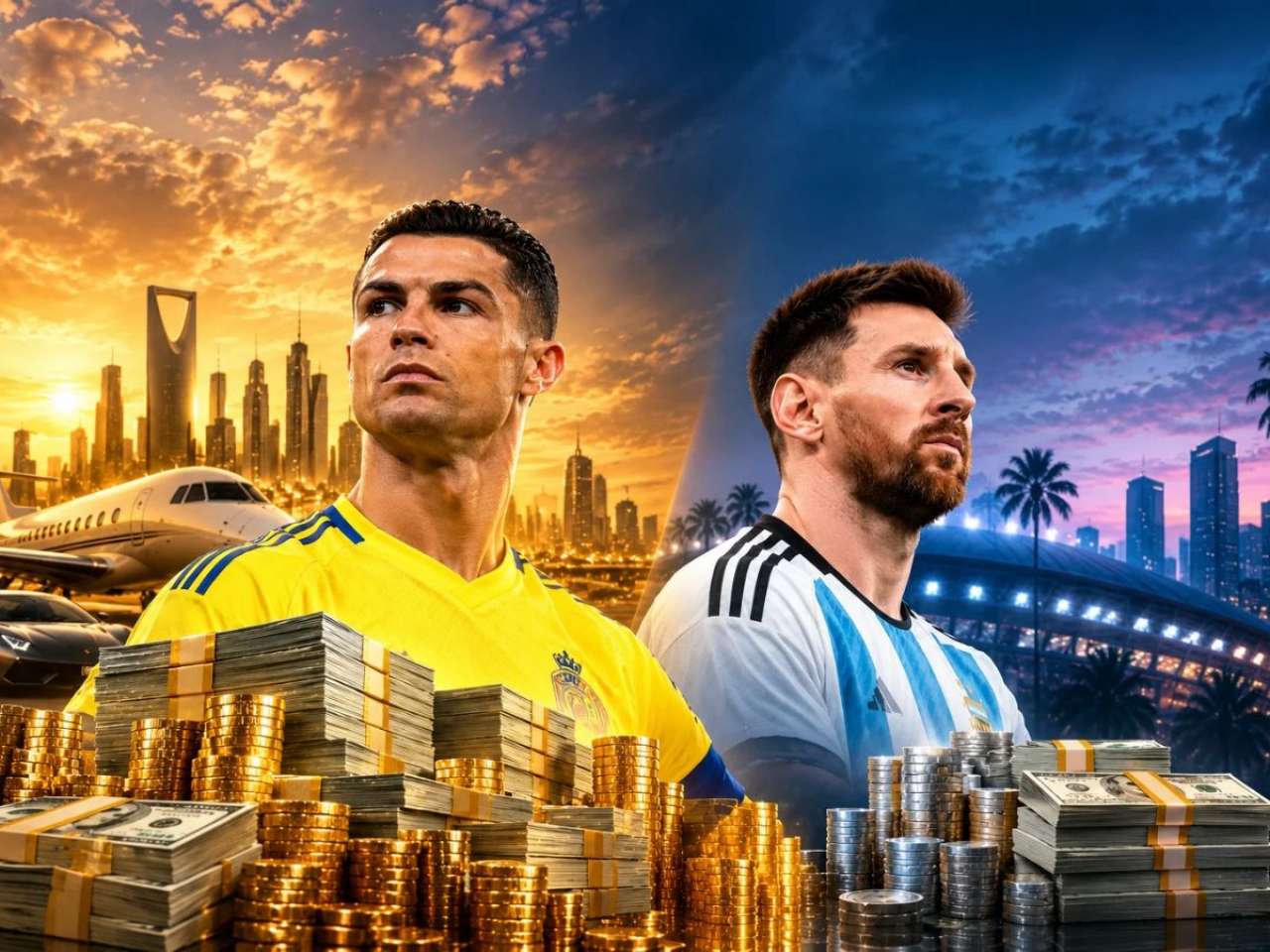
For over two decades, Cristiano Ronaldo and Lionel Messi have captivated the world with their unparalleled athletic prowess, shattering records, collecting an astonishing array of trophies, and inspiring billions. Their intense on-field competition has etched their names into the annals of sports history as the greatest rivals of their generation. Yet, as both icons navigate the twilight of their illustrious playing careers, a fresh and equally captivating contest has emerged: the battle for economic supremacy. This financial showdown transcends mere salary figures, reflecting the sophisticated strategies employed by both athletes to build, sustain, and expand their influence across a vast global commercial landscape. This detailed analysis delves into the intricate financial architectures of these two titans, exploring the factors that contribute to Ronaldo’s projected lead and the broader implications for the future of athlete branding and wealth generation.
CHRONOLOGY: THE EVOLUTION OF A RIVALRY, ON AND OFF THE PITCH
The rivalry between Cristiano Ronaldo and Lionel Messi began in earnest in the mid-2000s, escalating into a global phenomenon with their simultaneous presence in La Liga – Ronaldo at Real Madrid and Messi at Barcelona. From 2009 to 2018, their head-to-head clashes were the epicentre of world football, driving unprecedented viewership, merchandise sales, and media attention. During this golden era, their marketability grew exponentially, fueled by Ballon d’Or battles, Champions League triumphs, and relentless goal-scoring feats. Both players became synonymous with excellence, attracting an array of top-tier sponsors keen to align with their winning images.
As their careers progressed, so did their commercial empires. Ronaldo, with his sculpted physique and meticulously crafted brand (CR7), became the epitome of the aspirational athlete, while Messi, often portrayed as the humble genius, appealed to a more universal, family-friendly demographic. Each endorsement deal, each social media post, and each public appearance contributed to a carefully constructed global brand identity.

The chronological trajectory of their earnings has seen periods where one outpaced the other. Early in their careers, their club salaries formed the bedrock, complemented by lucrative boot deals from Nike (Ronaldo) and Adidas (Messi). As their fame skyrocketed, so did the diversity and value of their commercial portfolios, encompassing everything from soft drinks and fast food to luxury watches and cryptocurrency.
A pivotal shift in their earning dynamics occurred when both players moved away from Europe’s traditional elite leagues. Ronaldo’s high-profile transfer to Al Nassr in Saudi Arabia in December 2022 marked a significant departure, not just geographically but financially. His contract, reportedly including ambassadorial roles for Saudi Arabia’s 2030 World Cup bid, reset the bar for athlete compensation outside of top European football. Messi’s move to Inter Miami in Major League Soccer (MLS) in July 2023, while perhaps less about raw salary, was strategically innovative, incorporating unique equity and revenue-sharing components. These career transitions, undertaken in their late 30s, have profoundly reshaped their financial landscapes, setting the stage for the projected earnings disparity in the 2026-27 season.

SUPPORTING DATA: DECONSTRUCTING THE BILLIONS
Forbes’ meticulous assessment reveals a fascinating divergence in the financial blueprints of these two sporting titans. The projected figures for the 2026-27 season underscore not just their immense wealth but also the distinct pathways each athlete has carved to maximize their earning potential.

Ronaldo’s Financial Breakdown: The Apex of Athletic Compensation
At 41 years old in 2026, Cristiano Ronaldo is not merely sustaining his position; he is reinforcing it as the world’s wealthiest footballer, securing the top spot in Forbes’ rankings for an unprecedented fourth consecutive year. His projected total earnings of $300 million are a testament to his enduring appeal and a strategic career move that redefined athlete compensation.

- Al Nassr Contract ($250 million): The cornerstone of Ronaldo’s colossal income is his groundbreaking contract with Saudi Arabian club Al Nassr. This deal, initiated in late 2022, is widely reported to extend through 2025 and beyond, with its financial terms escalating over time, particularly given his ambassadorial role for Saudi Arabia’s bid to host the 2030 FIFA World Cup. The $250 million figure represents a playing salary combined with significant image rights and ambassadorial duties, making it arguably the most lucrative playing contract in sports history. This move was not just a football transfer; it was a geopolitical and commercial masterstroke, positioning Ronaldo at the forefront of Saudi Arabia’s ambitious Vision 2030, which seeks to diversify its economy and enhance its global image through sports and entertainment. The scale of this remuneration reflects the immense value placed on his global brand and influence by a nation determined to assert itself on the world stage.
- Endorsements and Commercial Ventures ($50 million): While his playing salary is monumental, Ronaldo’s commercial empire remains incredibly robust, contributing an additional $50 million. His CR7 brand, encompassing clothing, fragrances, hotels (Pestana CR7), and gyms (CR7 Fitness), is a testament to his entrepreneurial spirit and direct engagement in business. Beyond his personal brand, he maintains a portfolio of long-standing, highly valuable endorsement deals with global giants. Nike, with whom he reportedly holds a lifetime deal worth over $1 billion, remains a primary partner. Other significant collaborations include Herbalife (nutrition), Binance (cryptocurrency), Jacob & Co. (luxury watches), and numerous local and regional brands. His unparalleled social media presence – boasting hundreds of millions of followers across platforms like Instagram, Facebook, and X (formerly Twitter) – transforms him into a potent marketing channel, making him one of the highest-earning individuals per sponsored post globally. Brands flock to him for his reach, engagement, and aspirational image, ensuring his non-playing income remains substantial, even as his focus shifts towards post-football ventures.
Messi’s Financial Breakdown: The Architect of Innovative Deals
Lionel Messi secures the second position with projected earnings of $145 million, showcasing a more diversified and strategically innovative revenue model. His move to Inter Miami was less about securing the highest direct salary and more about building a long-term, multi-faceted financial legacy within a rapidly growing market.

- MLS Contract and Related Playing Activities ($70 million): Messi’s deal with Inter Miami and Major League Soccer is celebrated for its ingenuity. While his base salary is significant, the true value lies in its unique structure. Reports indicate that his compensation package includes an equity stake in Inter Miami upon retirement, a share of revenue generated from new subscribers to Apple’s MLS Season Pass, and a cut of Adidas’s MLS jersey sales and merchandise. This innovative model positions Messi not just as a player but as a strategic partner in the league’s growth, directly incentivizing him to boost MLS’s global appeal. The $70 million figure encompasses his direct playing compensation and the initial payouts from these performance-linked agreements, demonstrating a forward-thinking approach to athlete contracts that moves beyond traditional fixed salaries.
- External Revenue Streams ($75 million): Messi’s endorsement portfolio is a powerhouse, contributing a substantial $75 million, which notably exceeds his playing income. His lifetime deal with Adidas, a rival to Ronaldo’s Nike, is a cornerstone of his commercial success. Other high-profile partnerships include Apple (cementing his role in the MLS Season Pass deal), PepsiCo (Lay’s, Gatorade), Budweiser, Mastercard, and Louis Vuitton. He also holds a controversial but lucrative deal as an ambassador for Saudi Tourism, highlighting the global nature of his appeal despite the geopolitical complexities. Messi’s image as a humble family man, combined with his World Cup triumph in 2022, has further amplified his global marketability, attracting brands that seek authenticity and universal recognition. His endorsements often leverage his "greatest of all time" status, allowing him to command premium fees.
Contrasting Revenue Models: Salary Anchor vs. Endorsement Powerhouse
The comparison between Ronaldo’s and Messi’s projected earnings in 2026-27 illustrates fundamentally different approaches to wealth accumulation at the pinnacle of athletic careers. Ronaldo’s model is predominantly salary-anchored, with his Al Nassr contract representing over 80% of his total projected income. This reflects a willingness to leverage his status for an astronomical direct payment, particularly from a league with significant state backing and strategic ambitions.

Messi’s model, conversely, demonstrates a more balanced approach, with his external revenue streams ($75 million) actually surpassing his direct playing and related MLS earnings ($70 million). This suggests a strategic focus on long-term equity, revenue sharing, and a robust, diversified endorsement portfolio that will continue to generate significant income well into his post-playing career. His deal is arguably more sustainable in the long run, transitioning him from player to business partner.
Combined, these two elite athletes are projected to accumulate an astounding $445 million during the 2026-27 season. This figure represents nearly half of the $942 million that Forbes projects the world’s 10 highest-paid footballers will collectively earn, underscoring their unparalleled economic gravitational pull within the sport. Their combined financial might is a stark reminder of their unique status as global cultural and economic phenomena, transcending the boundaries of traditional football.

OFFICIAL RESPONSES & STRATEGIES: THE ARCHITECTS OF ATHLETE BRANDS
While there are no direct "official responses" from Ronaldo or Messi regarding these specific future earnings projections, the figures themselves are a culmination of meticulous strategic planning by their respective management teams, agents, and the organizations they represent. These projections are not merely arbitrary numbers but reflect carefully negotiated contracts and brand building efforts.

Ronaldo’s Strategic Playbook:
Ronaldo’s team, spearheaded by agent Jorge Mendes (though his direct involvement has varied), has consistently pursued opportunities that maximize direct income and global brand exposure. The Al Nassr deal is a prime example of this strategy. It represents a calculated move to:
- Monetize Enduring Star Power: Even in his late 30s, Ronaldo remains a global draw. The Saudi Pro League leveraged this by offering an unprecedented salary, recognizing the immense value he brings in terms of viewership, merchandise sales, and international media attention.
- Ambassadorial Roles: His contract reportedly includes significant payments for promoting Saudi Arabia’s 2030 World Cup bid. This transcends a mere playing role, transforming him into a high-profile diplomatic and tourism ambassador, adding layers of value beyond the pitch.
- Direct Control of CR7 Brand: Ronaldo has been highly active in building his own brand ecosystem (CR7 hotels, gyms, fashion). This allows him direct equity and revenue streams, giving him greater control over his commercial destiny rather than relying solely on third-party endorsements. His management ensures his social media presence is meticulously managed to maintain engagement and secure top-dollar advertising deals.
Messi’s Innovative Approach:
Messi’s transition to Inter Miami, advised by his father Jorge Messi and his long-standing legal and financial teams, showcases a different, arguably more diversified, long-term wealth strategy. Key elements include:

- Equity and Revenue Sharing: The deal with MLS and Apple is a masterclass in modern athlete contracts. By accepting a lower base salary in exchange for an equity stake in Inter Miami and revenue shares from league-wide commercial endeavors (Apple TV, Adidas), Messi aligns his financial success directly with the growth of the league and club. This makes him a partner, not just an employee, ensuring a sustained income stream long after his playing days.
- Market Expansion: Moving to the United States, a rapidly growing but still developing football market, was a strategic play to tap into new demographics and expand his brand’s reach beyond traditional football strongholds. It offers significant growth potential for his commercial partners.
- Leveraging World Cup Win: His management capitalized on the immense surge in his popularity and global reverence following Argentina’s 2022 World Cup victory. This boosted his endorsement value significantly, allowing him to command higher fees and secure premium partnerships that reflect his status as a universally acknowledged GOAT.
- Strategic Brand Alignment: Messi’s endorsements tend to be with established, blue-chip companies (Adidas, PepsiCo, Apple). His team focuses on fewer, but highly lucrative and stable, long-term partnerships that align with his image.
The differing strategies employed by their respective camps highlight a broader trend in sports management: athletes are no longer just performers but multi-faceted enterprises, with teams of experts orchestrating their careers, finances, and public images to maximize long-term value. The "official response" is seen in the structures of these deals themselves – a testament to the foresight and negotiation prowess of those guiding their careers.
IMPLICATIONS: BEYOND THE BILLIONS – SHAPING FOOTBALL AND GLOBAL COMMERCE

The extraordinary financial projections for Cristiano Ronaldo and Lionel Messi in 2026-27 carry far-reaching implications that extend beyond their personal bank accounts, influencing the global football economy, sports marketing, and the very concept of athlete legacy.
1. The Inflation of Athlete Salaries and the Rise of Non-Traditional Leagues:
Ronaldo’s $250 million playing contract with Al Nassr has fundamentally recalibrated the landscape of athlete compensation. It demonstrates that traditional European football strongholds are no longer the sole arbiters of top-tier salaries. Emerging leagues, particularly those backed by significant state wealth like the Saudi Pro League, are willing to pay unprecedented sums to attract global icons. This trend could lead to a further "salary arms race," forcing established leagues to re-evaluate their financial models to retain talent or risk losing it to more lucrative, albeit less historically prestigious, destinations. It also highlights the strategic use of sports as a tool for "soft power" and economic diversification by nations.

2. The Evolution of Athlete Branding and Marketing:
Both Ronaldo and Messi exemplify the modern athlete as a global brand. Their earning models provide a blueprint for future generations:
- Direct-to-Consumer (DTC) Models: Ronaldo’s CR7 brand illustrates the power of athletes building their own businesses, bypassing traditional intermediaries. This trend is likely to accelerate, with more athletes venturing into entrepreneurship in areas like fashion, wellness, and technology.
- Equity and Revenue Sharing: Messi’s MLS deal represents a paradigm shift from pure salary contracts to more integrated partnerships. Athletes becoming stakeholders in the clubs or leagues they play for creates a powerful alignment of interests, incentivizing them to contribute to the overall growth and commercial success of the entity. This model could become more prevalent, particularly in leagues looking to elevate their profile.
- Social Media as a Revenue Stream: Their colossal social media followings underscore the critical role of digital platforms in monetizing fame. Athletes are now media companies unto themselves, commanding massive fees for sponsored content, directly engaging with fans, and promoting their ventures.
3. The Redefinition of Post-Playing Career Pathways:
These financial strategies are not just for their playing careers but are meticulously designed for long-term wealth generation and influence beyond the pitch. Ronaldo’s brand extensions and Messi’s equity stake are investments in their futures, ensuring continued relevance and income streams long after they hang up their boots. They are setting a new standard for how athletes transition from active competition to successful business moguls, investors, and ambassadors.

4. Impact on Global Sports Marketing and Endorsements:
The sheer volume of their endorsement deals reflects the unparalleled value brands place on associating with global icons. Companies leverage their universal appeal to reach diverse markets, from traditional sports fans to lifestyle consumers. The "lifetime deal" concept, seen with Nike for Ronaldo and Adidas for Messi, showcases a deep, strategic commitment from brands, recognizing the enduring power of these individuals. This also puts pressure on brands to continually innovate in how they activate these sponsorships to justify the astronomical costs.
5. Legacy and the GOAT Debate: A New Dimension:
While the "Greatest Of All Time" (GOAT) debate has historically centred on on-field statistics, trophies, and individual brilliance, the economic battle adds a new dimension. Ronaldo’s projected financial dominance could be interpreted by some as a further testament to his overall impact and marketability, positioning him as not just a football legend but also an unmatched global commercial force. Messi’s innovative deal structures, conversely, could highlight his strategic intelligence and long-term vision. This financial rivalry adds another layer to their already complex and endlessly debated legacies, underscoring that their influence extends far beyond the beautiful game.

CONCLUSION
The financial projections for Cristiano Ronaldo and Lionel Messi in 2026-27 paint a vivid picture of two athletes at the zenith of their commercial power, even as their playing careers wind down. Ronaldo’s anticipated $300 million haul, nearly double Messi’s $145 million, underscores a strategic triumph rooted in an unparalleled playing contract and a robust personal brand. Messi’s equally impressive earnings, driven by innovative equity deals and a formidable endorsement portfolio, showcase a different yet equally effective blueprint for long-term wealth.

Their enduring rivalry, once confined to the turf, has now fully blossomed into a fascinating economic contest. This battle of the balance sheets not only highlights their individual genius in navigating the complexities of modern sports commerce but also serves as a powerful indicator of the evolving landscape of athlete wealth, brand building, and global influence. As these two titans continue to shape the narrative of football, their financial empires stand as a testament to their indelible impact, cementing their status not just as sporting legends, but as unparalleled economic forces in the 21st century.