

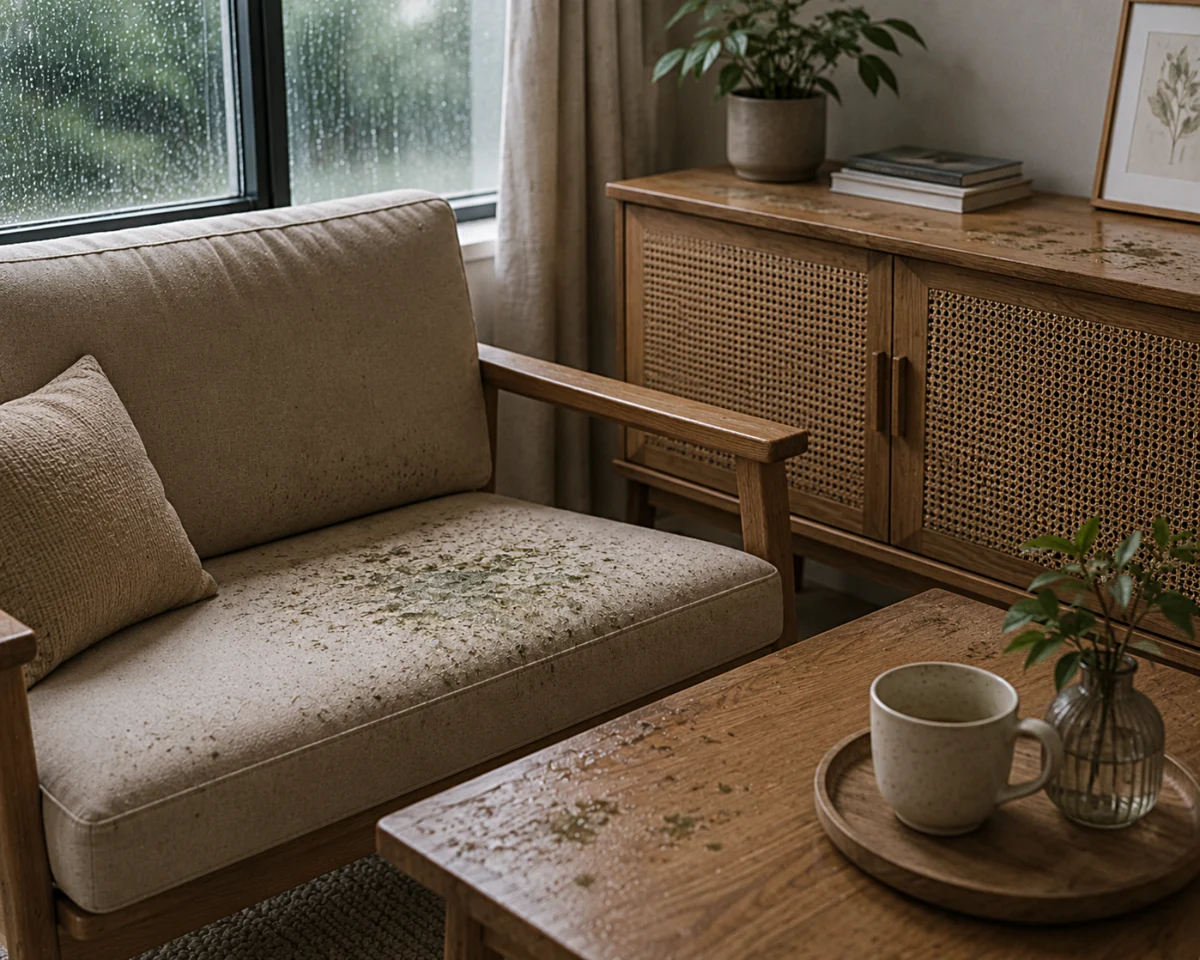
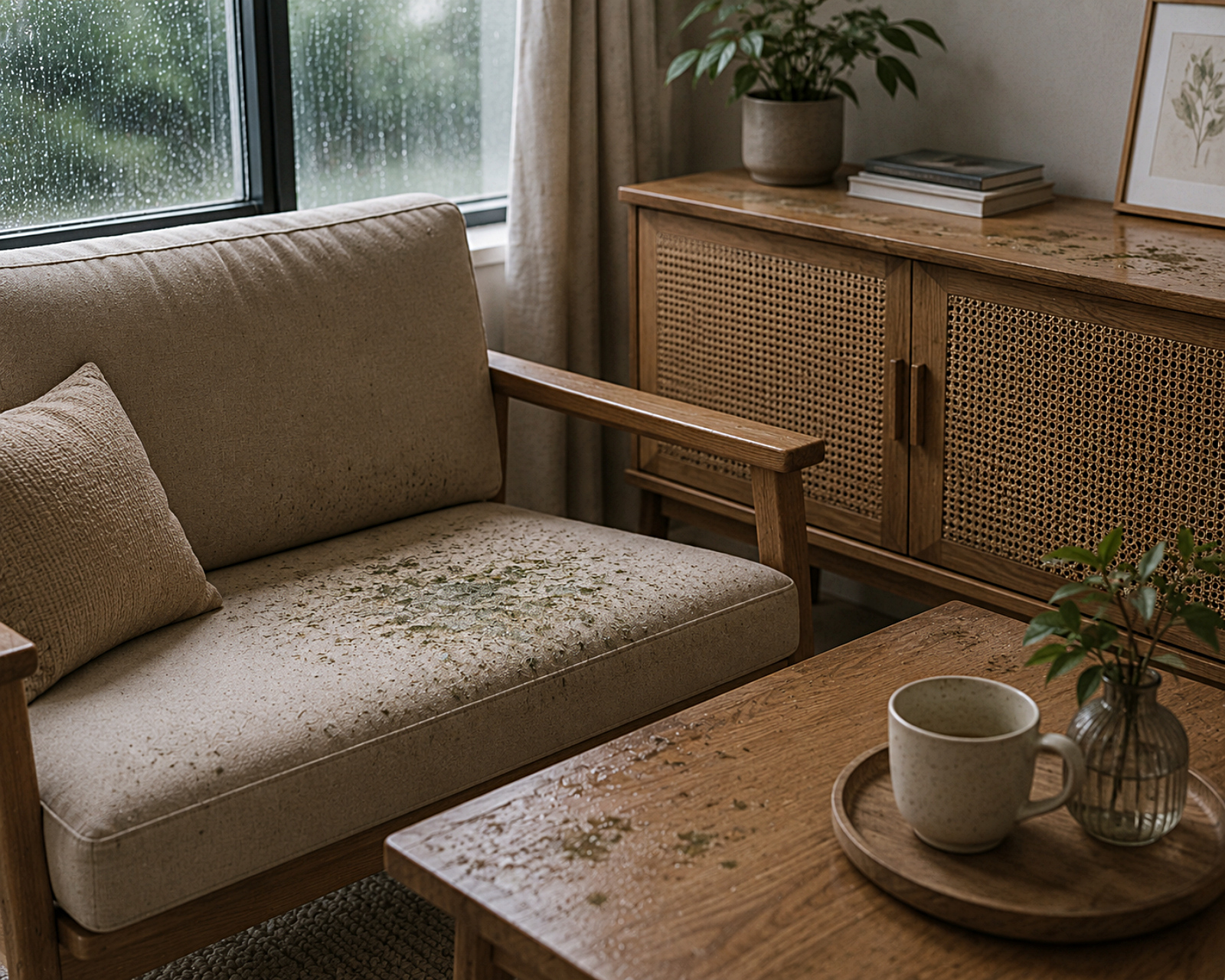
New Delhi, July 18, 2026 – As the monsoon clouds gather and the city succumbs to the relentless embrace of humidity, a silent adversary begins to wage war on our cherished furniture. The tell-tale signs are often subtle at first: a faint, musty odor emanating from your beloved sofa, a ghostly bloom of mold on the polished surface of a wooden wardrobe, or a disconcerting dampness seeping from the very fabric of your seating. These are not figments of an overactive imagination, but the grim reality of high humidity’s detrimental impact on our household possessions. However, with timely intervention and a proactive approach, the damage can be mitigated, and the longevity of your furniture preserved.
Swarup Myalil, Senior Director – Design at Furlenco, a prominent furniture solutions provider, emphasizes that the key to combating this seasonal scourge lies in a delicate dance of moisture management. "The trick," Myalil explains, "is to remove the moisture gently, avoid harsh cleaning methods, and crucially, to recognize when the situation demands the expertise of professionals." This article delves into the intricacies of protecting your furniture from the pervasive effects of monsoon humidity, offering practical advice and expert insights to keep your living spaces fresh and your furniture pristine.
The Unseen Threat: Understanding Monsoon’s Impact on Furniture
The monsoon season, while a welcome respite from the scorching summer heat, presents a unique set of challenges for homeowners, particularly concerning their furniture. The increased moisture content in the air, a hallmark of this season, directly impacts porous materials like wood, fabric, and foam, which are ubiquitous in our furniture.
"Furniture naturally absorbs moisture from the air, particularly materials such as wood, fabric and foam," Myalil elaborates. "During the monsoon, humidity levels remain persistently high, leading to an increased rate of moisture absorption. This is further exacerbated by reduced sunlight and limited ventilation, both of which hinder the natural drying process of furniture." This creates a perfect breeding ground for mold, mildew, and bacteria, leading to a cascade of undesirable consequences.
The visible manifestations are often preceded by an insidious onset of unpleasant odors, which can quickly escalate to unsightly surface stains and, if left unchecked, lead to the gradual deterioration of the furniture’s structural integrity and aesthetic appeal. The porous nature of these materials allows moisture to penetrate deep within, compromising their quality and potentially leading to irreversible damage.
Identifying and Addressing the Signs of Distress: A Step-by-Step Guide
When faced with the unwelcome presence of mold or a persistent musty smell, immediate and correct action is paramount. Myalil outlines a clear, methodical approach to safely clean and salvage affected furniture.
1. Isolate and Ventilate: The First Line of Defense
"If furniture has already developed a musty smell or mould, the first step is to move it to a well-ventilated area and allow it to dry naturally," Myalil advises. This initial step is crucial for halting the progression of moisture-induced damage and creating an environment conducive to drying. Moving the furniture away from enclosed spaces, ideally outdoors in a sheltered yet airy location or near an open window with good airflow, allows trapped moisture to dissipate.
2. Personal Protection: A Crucial Precaution
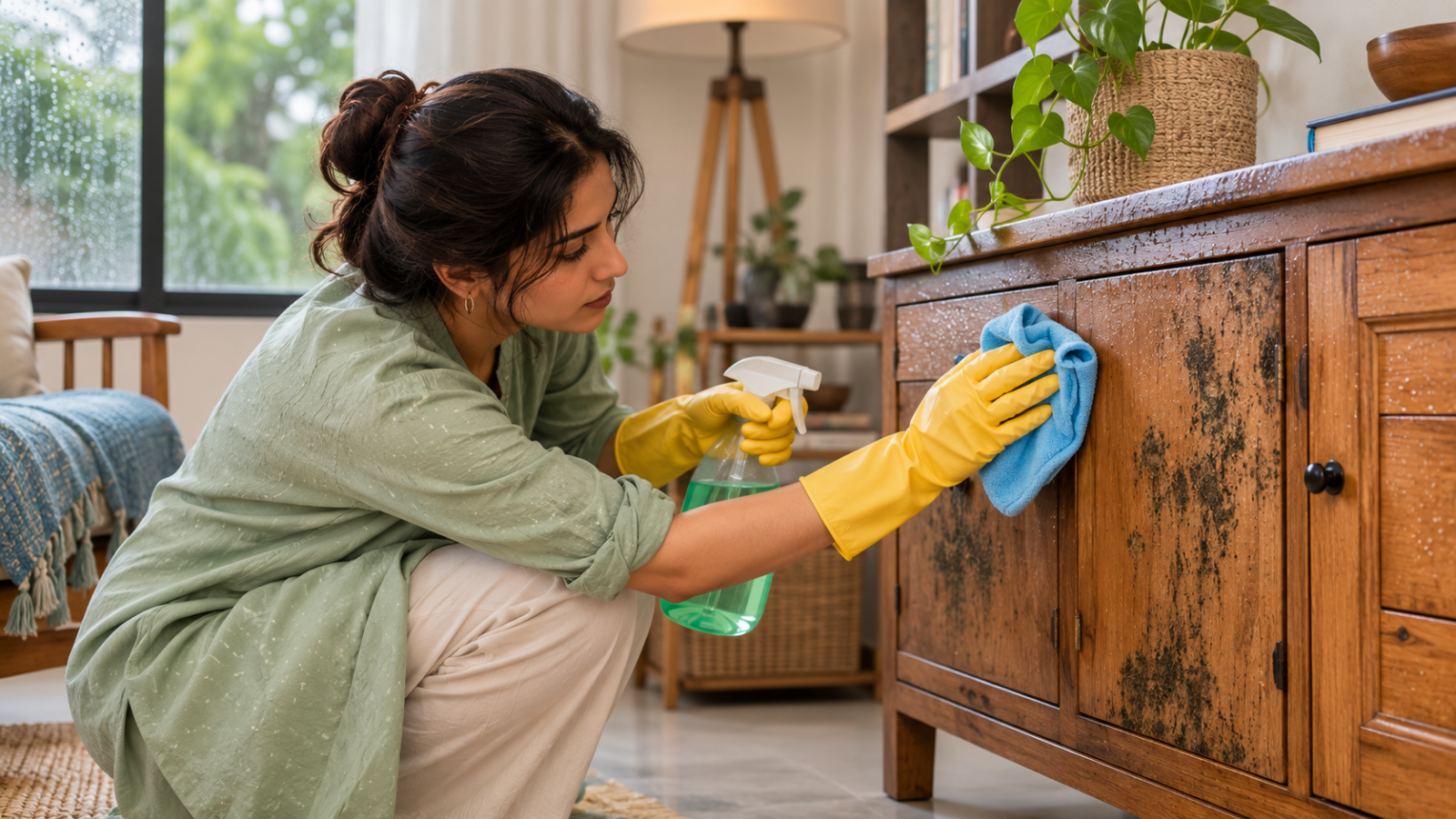
Before embarking on any cleaning endeavor, especially when visible mold is present, prioritizing personal safety is non-negotiable. "Before you begin cleaning, wear a mask, especially if visible mould is present, as mould spores can become airborne," Myalil stresses. Inhaling mold spores can lead to respiratory issues and allergic reactions, making protective gear an essential component of the cleaning process.
3. Gentle Eradication: Wiping Away the Problem
The physical removal of surface mold requires a gentle yet effective approach. Myalil recommends: "Gently wipe away surface mould using a soft cloth or soft brush." Harsh scrubbing can damage delicate surfaces and push mold spores deeper into the material. A soft, dry cloth or a soft-bristled brush is ideal for this purpose, ensuring that the mold is lifted without causing undue abrasion.
4. Targeted Cleaning: Addressing the Root Cause
Once the surface mold has been removed, the affected area needs to be cleaned to eliminate any remaining spores and prevent recurrence. Myalil suggests: "Clean the affected area with a mild soap solution or a cleaner recommended for that specific material." For most furniture, a dilute solution of mild dish soap and water can be effective. However, it is imperative to use cleaners specifically designed for the material of your furniture, whether it be wood, fabric, or leather, to avoid any adverse reactions or damage. Always test the cleaner on an inconspicuous area first.
5. Upholstered Furniture: A Special Consideration
Upholstered furniture presents its own set of challenges due to the porous nature of fabrics and the padding beneath. Myalil’s advice for such items is: "Vacuum upholstered furniture thoroughly and make sure it is completely dry before using it again." A powerful vacuum cleaner with appropriate attachments can effectively remove loose spores and debris from the surface and crevices. Crucially, ensuring the upholstery is thoroughly dried is paramount. Dampness in fabric can quickly lead to a resurgence of mold.
6. The Cardinal Rule: Avoid Harshness
A common pitfall in furniture cleaning is the temptation to resort to aggressive methods. Myalil issues a stern warning: "Avoid harsh chemicals or excessive water, as they can damage wood, fabrics and finishes." Harsh chemicals can strip finishes, discolor fabrics, and even weaken the structural integrity of wood. Similarly, oversaturation with water can lead to warping, staining, and the promotion of mold growth in deeper layers.
7. Knowing When to Call the Experts: Recognizing Limitations
There are instances where the damage may have progressed beyond the scope of DIY intervention. Myalil highlights this critical point: "If mould has spread deep into the upholstery or inside the wood, opt for professional cleaning or restoration to prevent permanent damage." For extensive mold infestations or damage to valuable antique pieces, professional restoration services possess the specialized knowledge, equipment, and cleaning agents to effectively address the issue without causing further harm.
Common Pitfalls: Unwittingly Worsening the Problem
Many homeowners, despite their best intentions, can inadvertently exacerbate furniture damage during the monsoon. Myalil points out several common mistakes that homeowners often make:
1. The Damp Wall Dilemma
"One of the most common mistakes is placing furniture directly against damp walls, which restricts airflow and traps moisture," Myalil states. Walls, especially external ones, can retain moisture, and direct contact with furniture creates a perfect environment for mold to thrive. Maintaining a small gap between furniture and walls is essential for proper air circulation.
2. The Ignored Omen
"People also tend to ignore early signs such as a faint musty smell or minor damp patches until the problem becomes more severe," Myalil observes. Procrastination is the enemy of effective monsoon furniture care. Addressing subtle indicators early on can prevent a minor issue from escalating into a significant problem.
3. The Deceptive Plastic Sheeting
While the intention behind covering furniture with plastic sheets might be to protect it from rain, Myalil warns of a counterproductive outcome: "Covering furniture with non-breathable plastic sheets for long periods can also backfire, as it traps moisture instead of keeping it out." Breathable covers, such as cotton sheets or specialized furniture protectors, are a far better option for dust and light protection, allowing air to circulate.
Proactive Prevention: Cultivating Habits for a Mold-Free Monsoon
Beyond reactive cleaning, cultivating simple yet effective habits can significantly bolster your furniture’s resilience against the monsoon’s damp onslaught.
1. The Microfiber Method: Dry is Best
Myalil advises a fundamental shift in cleaning practices: "Do not use a damp cleaning cloth to clean the furniture, as it tends to worsen the situation. Use a microfiber cloth to dry clean first, and use a very slightly damp cloth for cleaning only if required." Microfiber cloths are excellent at capturing dust and moisture without leaving behind excess water. When cleaning is necessary, a lightly dampened cloth, followed by thorough drying, is the optimal approach.
2. Airing Out the Enclosed Spaces
For wardrobes, chests of drawers, and other enclosed storage units, regular ventilation is key. Myalil recommends: "Opening wardrobes, chests of drawers and other closed storage units for about an hour with the fan or air conditioner running." This simple act ensures adequate air circulation within these often-stagnant spaces, preventing the buildup of moisture and the development of musty odors.
3. Elevating from the Floor: A Subtle Yet Significant Step
Myalil offers a practical tip to mitigate floor-related moisture issues: "Avoid placing furniture directly on tile or marble floors. Moisture from the floor can get absorbed into the furniture and potentially cause mould growth. Use rubber caps or felt pads underneath to prevent this." These simple additions create a buffer, preventing direct contact with potentially damp floor surfaces and promoting airflow beneath the furniture.
The Bigger Picture: Implications for Home Health and Well-being
The battle against monsoon mold extends beyond mere aesthetic concerns. Mold and mildew can have significant implications for indoor air quality and, consequently, the health of household occupants. Mold spores, when inhaled, can trigger allergic reactions, asthma exacerbations, and other respiratory ailments. Furthermore, the persistent musty odor can contribute to an unpleasant and unhealthy living environment.
Therefore, maintaining furniture free from mold and excessive moisture is not just about preserving your possessions; it is an integral part of ensuring a healthy and comfortable home. By understanding the science behind monsoon-induced furniture damage and implementing proactive preventive measures, homeowners can effectively safeguard their investments and cultivate a more pleasant living environment throughout the rainy season. The expert advice provided by individuals like Swarup Myalil serves as a valuable guide, empowering individuals to navigate the challenges of the monsoon with confidence and a well-maintained home.
